
Hello everyone,
I understand that getting a clear answer on a forum and thus a remote diagnosis regarding a dirty/discolored facade is difficult, but maybe with your help I can make some progress.
We are already involved in a legal dispute with the construction company over some other defects (the base “iscoming loose,” soaking wet external claddings, etc.). Our lawyer advised us to repaint the facade at our own expense, as only a complex and costly laboratory analysis can really clarify the cause.
We will have a master painter come to take a look, maybe he can identify the cause.
Facts:
Facade construction:
(I hope this is all correct!)
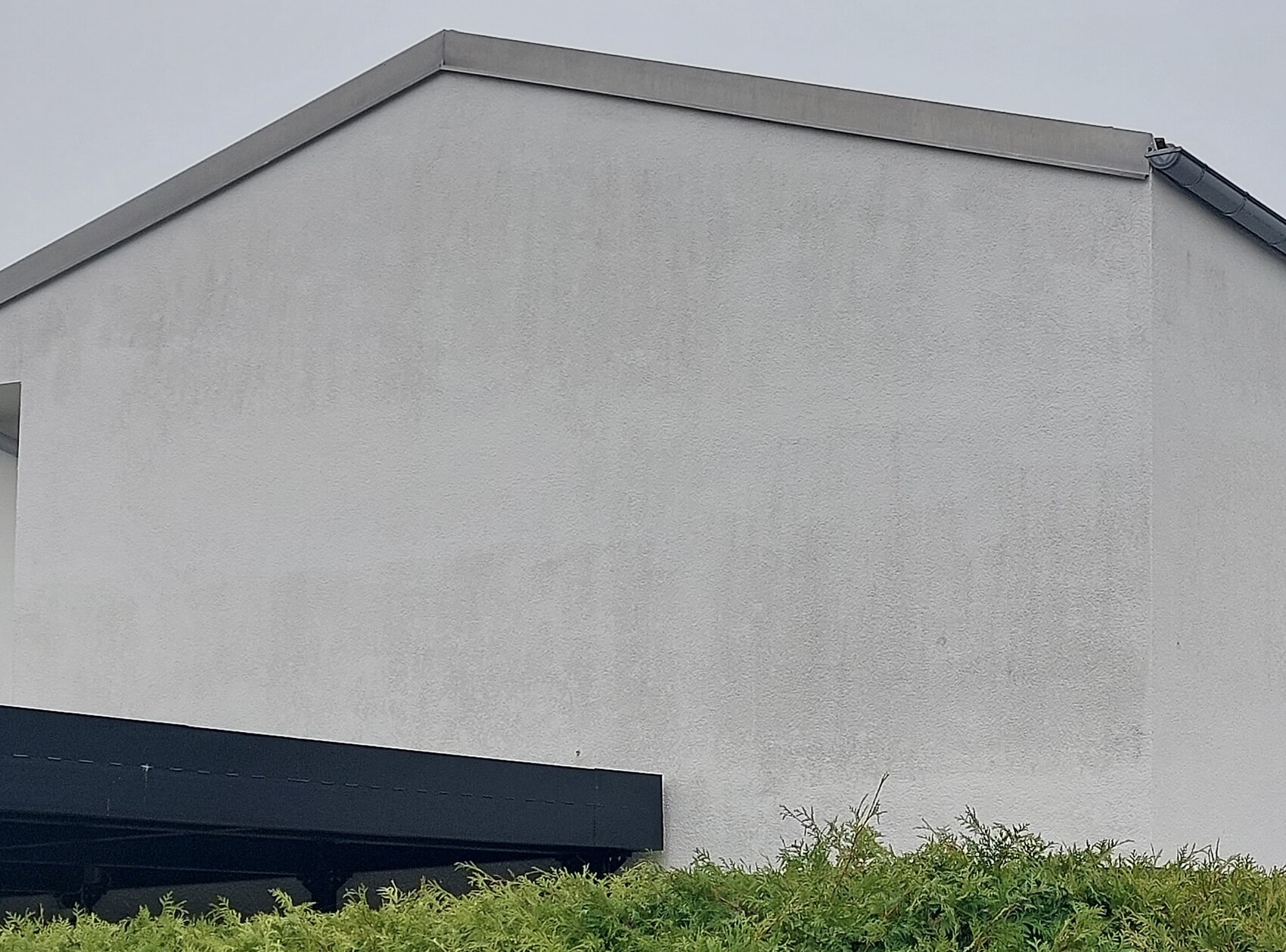
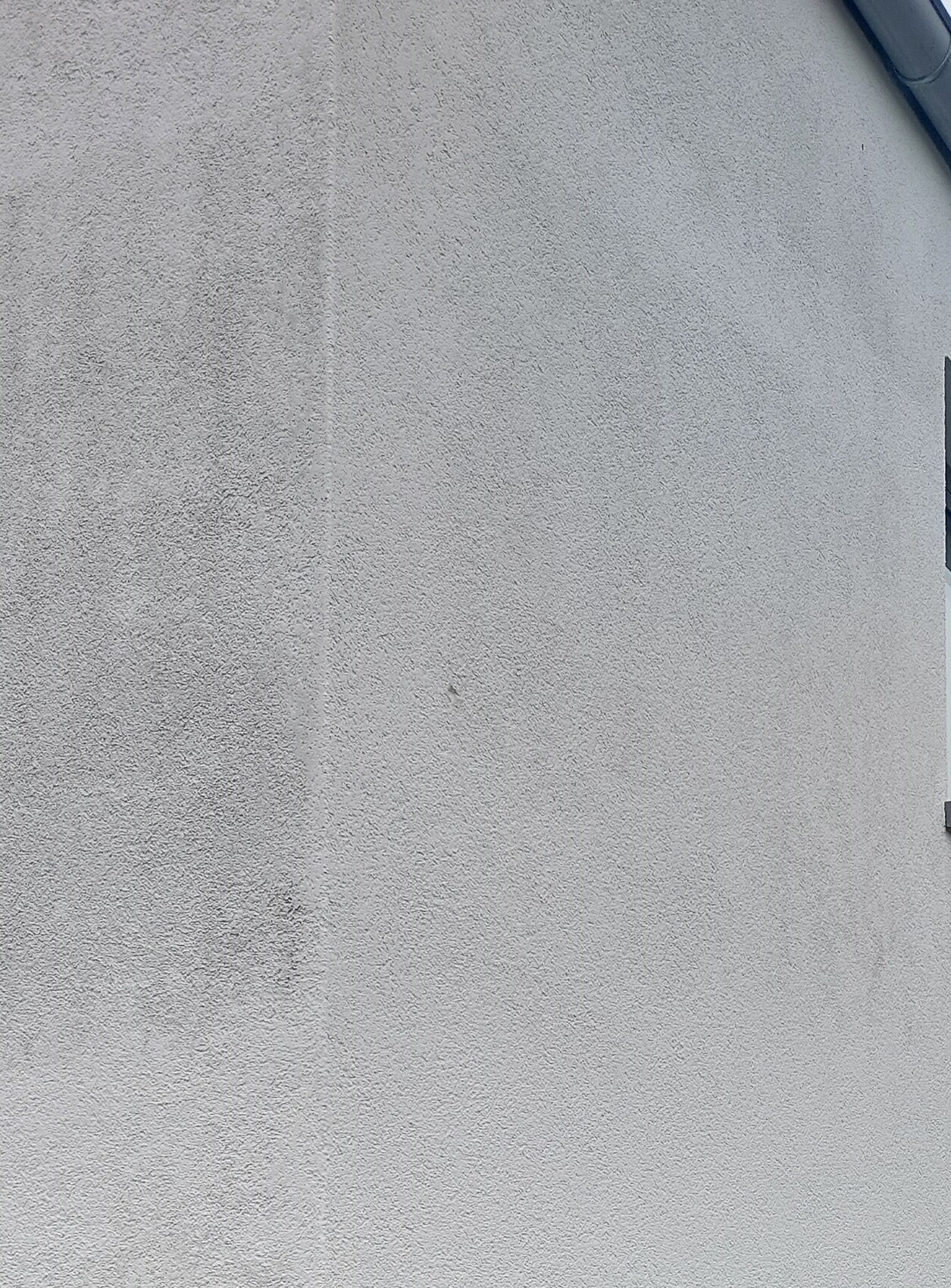
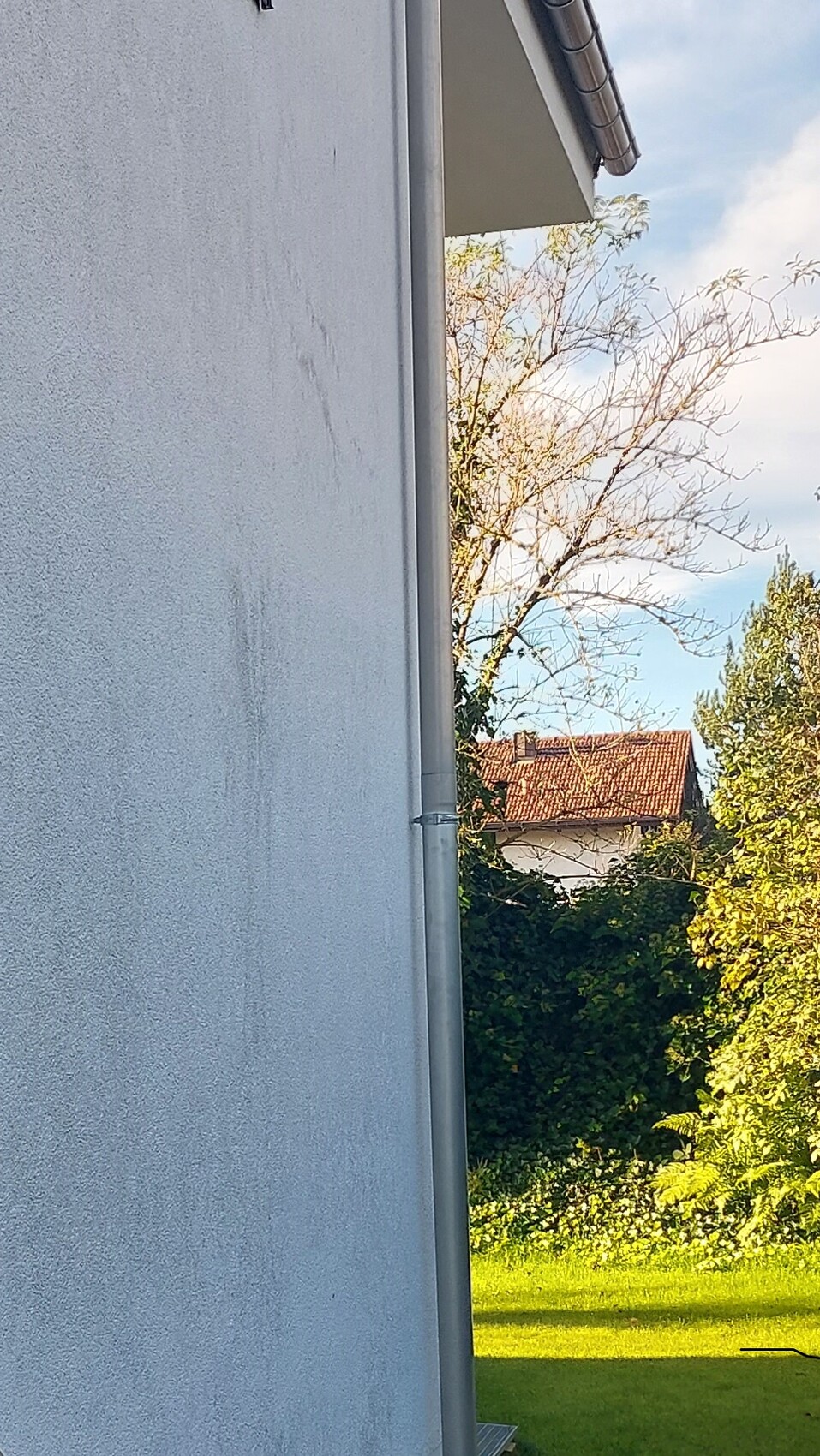
At first I suspected the barge flashing; by now I think it is a combination of the facade paint and the metal flashing. The facade beneath the gutter is also dirty; where there is a roof overhang, there is no discoloration.
I have a few theories but will keep them to myself for now; however, I do have two questions already:
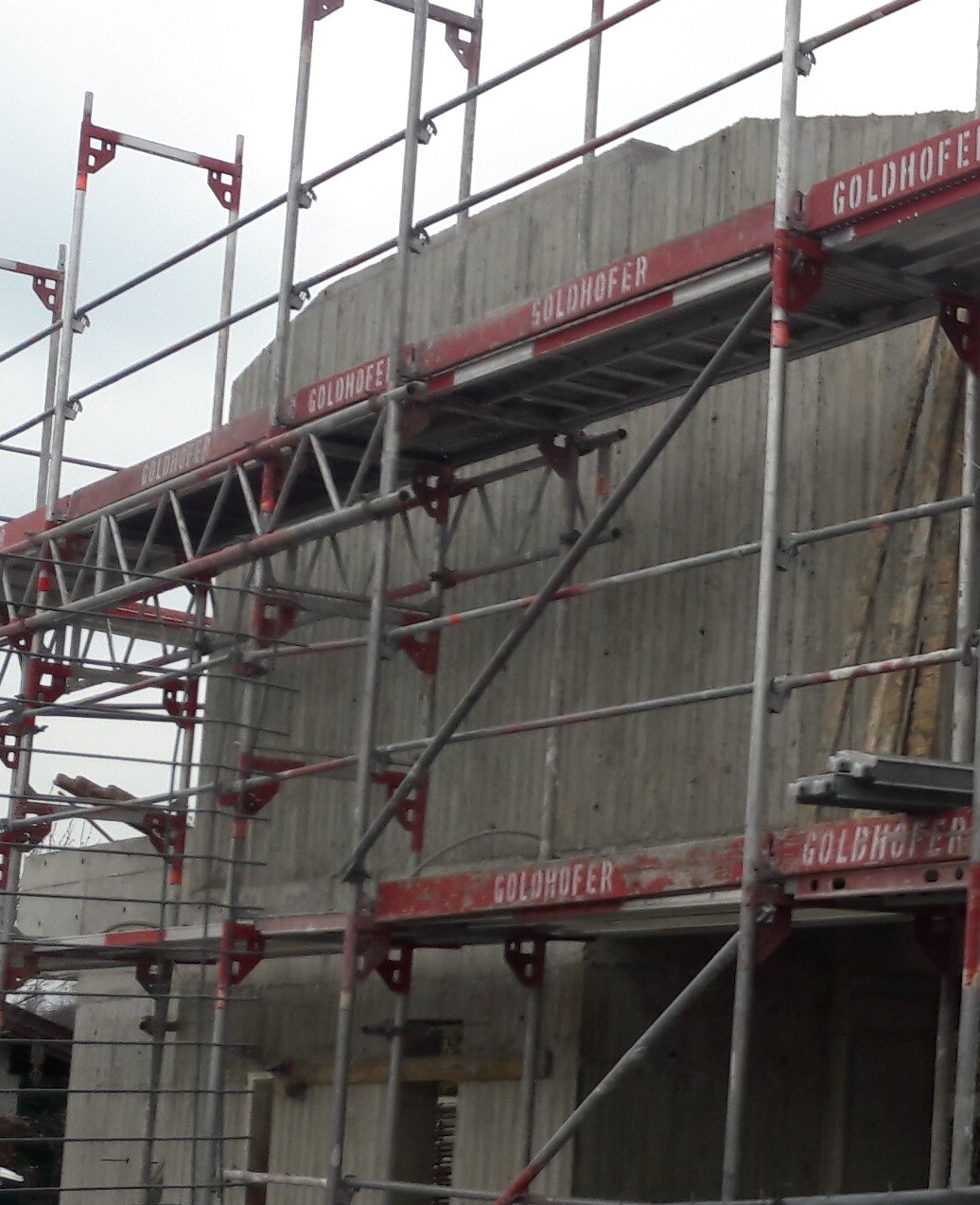
I will, of course, also post photos of the facade here.
Thanks very much in advance for hopefully some answers!

I understand that getting a clear answer on a forum and thus a remote diagnosis regarding a dirty/discolored facade is difficult, but maybe with your help I can make some progress.
We are already involved in a legal dispute with the construction company over some other defects (the base “iscoming loose,” soaking wet external claddings, etc.). Our lawyer advised us to repaint the facade at our own expense, as only a complex and costly laboratory analysis can really clarify the cause.
We will have a master painter come to take a look, maybe he can identify the cause.
Facts:
- Single-family house
- Facade painted 4 years ago, nighttime temperatures were around freezing, according to the construction company, it was painted three times
- Partially no roof overhang
- Barge flashing
Facade construction:
- Insulation material: mineral wool
- Base coat: water-repellent reinforcement mortar
- Top coat: water-absorbent plaster
- Silicate paint: hydroactive (biocide-free)
(I hope this is all correct!)
At first I suspected the barge flashing; by now I think it is a combination of the facade paint and the metal flashing. The facade beneath the gutter is also dirty; where there is a roof overhang, there is no discoloration.
I have a few theories but will keep them to myself for now; however, I do have two questions already:
- When you rub your hand over the silicate paint, it powders off finely, very finely. Is this normal?
- I don’t trust the construction company at all and also don’t believe they actually painted it three times. Is there a simple way to verify this? How does multiple coats affect the quality or performance (for any function) of facade paint, aside from coverage?
I will, of course, also post photos of the facade here.
Thanks very much in advance for hopefully some answers!
A
alive&kicking5 Jun 2025 10:57@nordanney
Wow! Then we are moving out again!!
@wiltshire
We live in a rural area, and all the houses here have white facades. The pollution has noticeably increased over the past year. Let’s see how it develops further.
@Musketier
What was the reason in your case? Is your renovation a common practice?
@jehd
Thanks for the reply, but the discoloration covers large areas, and chemicals/toxic agents would be a last resort.
Wow! Then we are moving out again!!
@wiltshire
We live in a rural area, and all the houses here have white facades. The pollution has noticeably increased over the past year. Let’s see how it develops further.
@Musketier
What was the reason in your case? Is your renovation a common practice?
@jehd
Thanks for the reply, but the discoloration covers large areas, and chemicals/toxic agents would be a last resort.
alive&kicking schrieb:
wow! then we are moving out again!!It is possible to stay living in the house during façade work.W
wiltshire5 Jun 2025 11:31alive&kicking schrieb:
We live in the countryside, and here all houses have white façades. The dirt buildup has noticeably increased over the past year, so we’ll see how that develops.We also live in the countryside and I see many plaster façades with shadows or stains. Therefore, we chose a rustic, untreated larch wood façade that will slowly weather gracefully.
alive&kicking schrieb:
@Musketier
What was the reason in your case? Is your renovation a common procedure?During construction, the site supervisor pointed out that the gap between the wall and the plaster guides around the windows was too small, which meant the base coat of plaster was applied too thinly. When reinstalling the guides, it seems that a gypsum-based adhesive or plaster was used, and nobody noticed this. Micro-cracks in the plaster allowed water to penetrate, causing the gypsum in those areas to swell over time. We reported defects concerning cracks at the window reveals when they were about 0.5-1 mm (0.02-0.04 inches) wide. As the cracks widened, more water entered the gypsum, accelerating the damage and the crack growth. If they had acted immediately, they probably would have just repaired the reveals, which might have lasted beyond the warranty period. Fortunately, the construction company delayed fixing the defects, so patching was no longer sufficient, and the root cause was addressed.
The plaster guides had to be reapplied, and the plaster in those areas removed and rebuilt. Since the joints between the old and new plaster would not have bonded properly, mesh was applied over the old plaster before the entire surface was replastered.
All of this was agreed upon between the general contractor and our site supervisor/expert. Whether this is a common practice or not, I cannot say.
A
alive&kicking5 Jun 2025 15:27wiltshire schrieb:
We also live in a rural area and I see many plaster facades with shadows or stains. Therefore, we chose a rustic, untreated larch wood facade that slowly weathers to a dignified gray. We have the same, but only partially.
I’m wondering if I’m being too picky, but it just looks increasingly worse... and a different plaster system than specified.
@ Musketier
Thank you for your detailed response, at least you were lucky in the end.
alive&kicking schrieb:
I’m wondering if I’m being too picky Well, as long as you still have a warranty, I would definitely report the defect—especially if a lower-quality paint than agreed upon was used.
Whether the damage can actually be repaired or if you’ll receive financial compensation is another matter.
Even though white combined with anthracite-colored windows is currently very trendy, dark stains show up most quickly on it.
alive&kicking schrieb:
@ Musketier
Thanks for your long reply, at least you were lucky in the end Definitely, especially since the plastering company was already insolvent at the time—so the general contractor couldn’t hold their subcontractor accountable—and our general contractor also went out of business shortly after the 5-year warranty period expired.
Similar topics