
Hello,
We bought our house, built in 1970, seven years ago.
It was repainted when we purchased it.
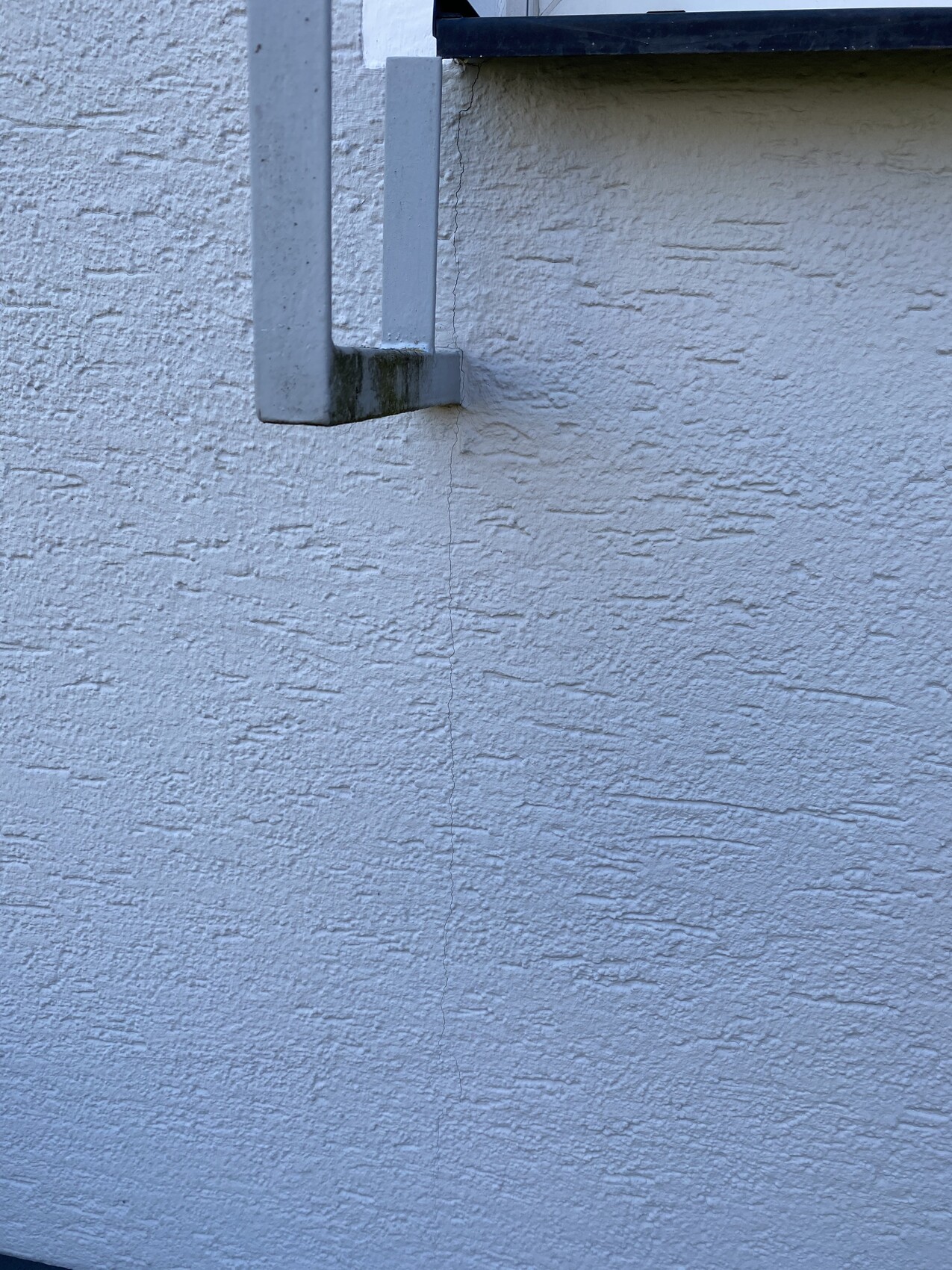
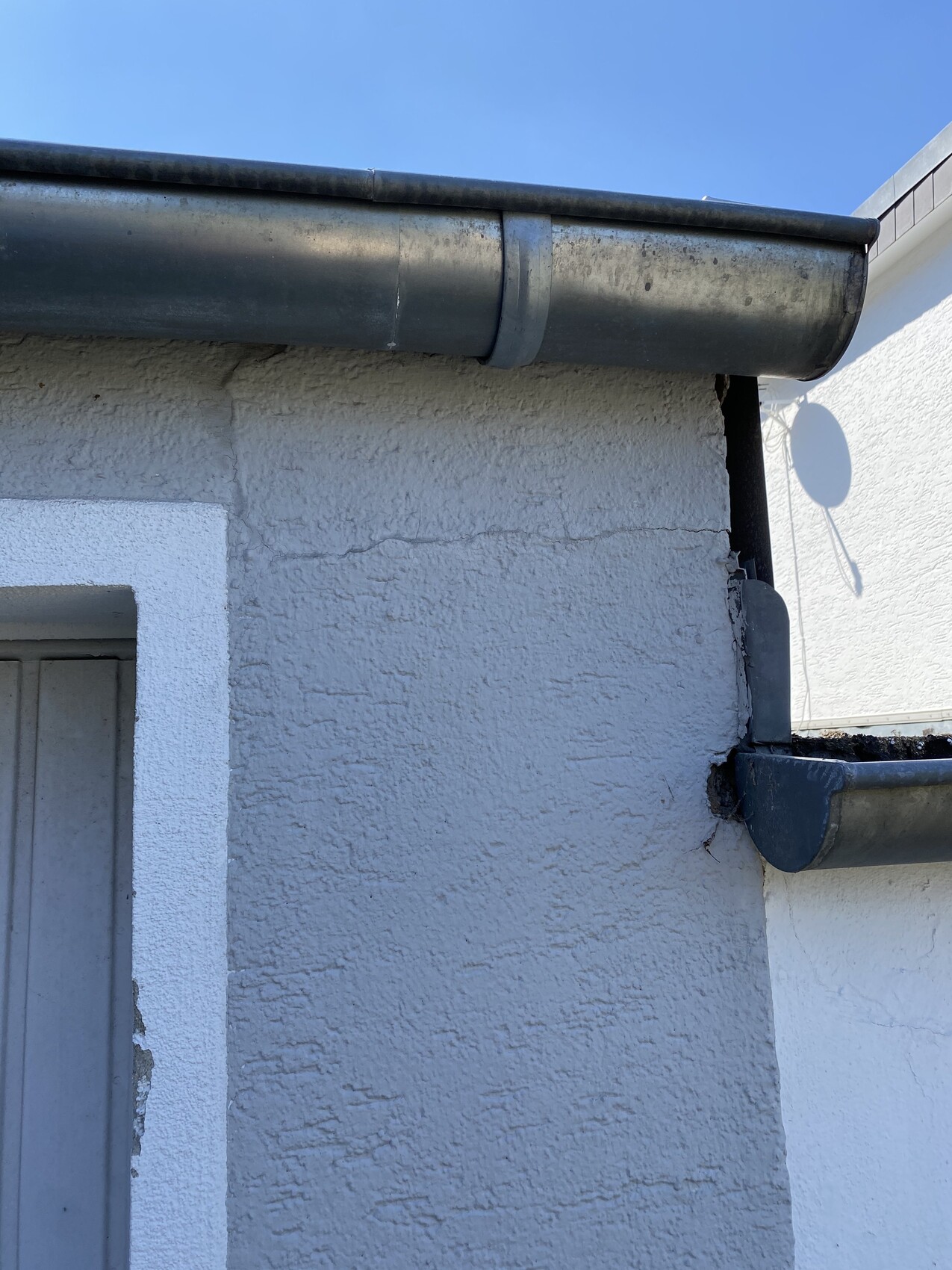
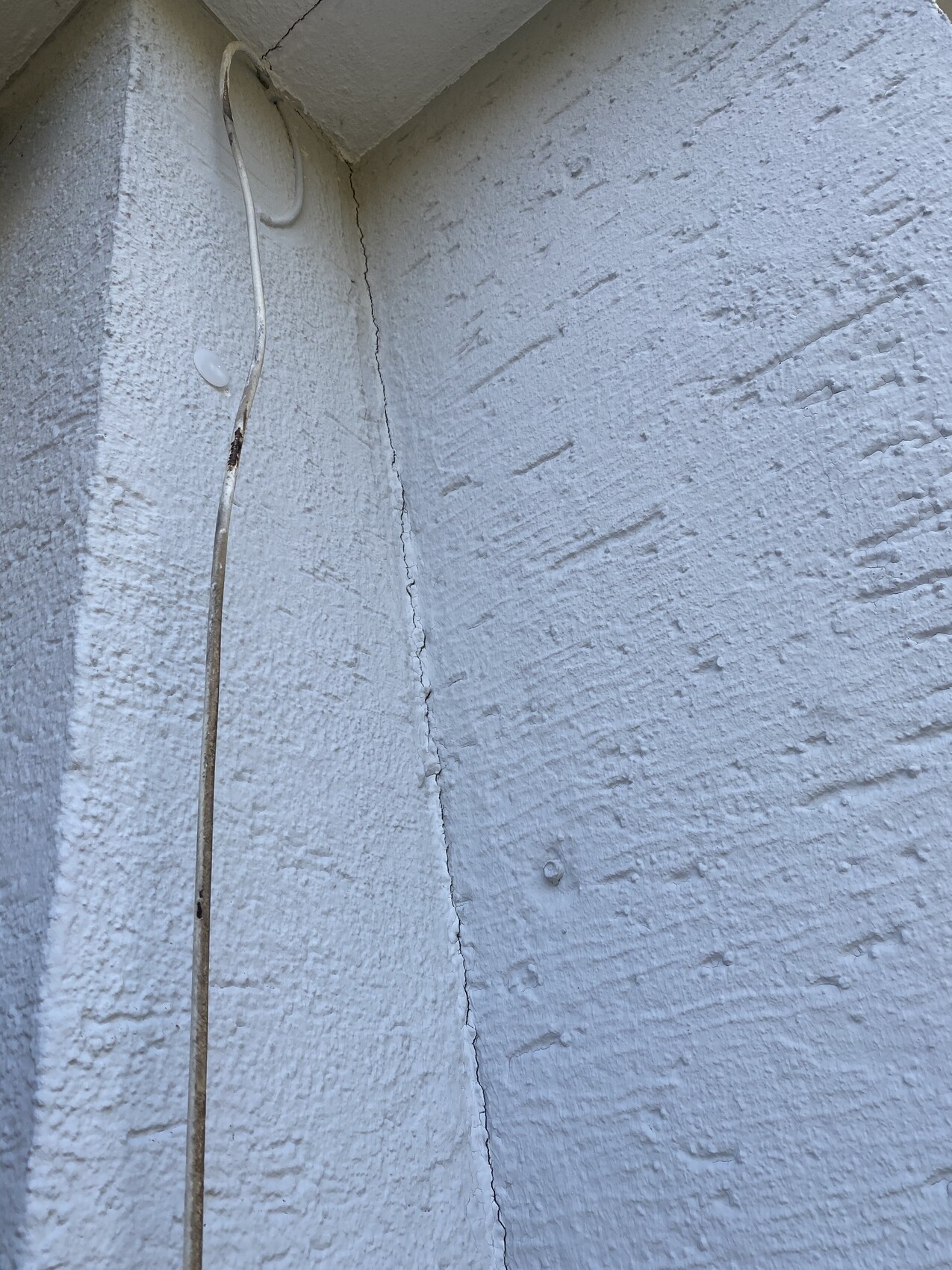
I have noticed the following cracks.
Is it okay to leave them as they are? They don’t bother me. Or do they definitely need to be repaired?
If so, how should this be done?

We bought our house, built in 1970, seven years ago.
It was repainted when we purchased it.
I have noticed the following cracks.
Is it okay to leave them as they are? They don’t bother me. Or do they definitely need to be repaired?
If so, how should this be done?

If it is built solidly from prefabricated panels, the joints are sealed with flexible sealant. These now appear more rigid on the outside and develop cracks, the same applies to insulation boards. We have had good experiences with Relius crack coating instead of regular facade paint.

Mycraft schrieb:
Since you have a new roof, the load distribution is probably quite different from the original calculations or assumptions. For this reason, cracks are now forming (mostly apparently cosmetic).Ok, thank you. The crucial question for me is, can I leave it like this, or should the cracks be sealed somehow? I was thinking about rain, moisture, and frost potentially penetrating into the insulation beneath.
basti009 schrieb:
Ok thanks. The key question for me is, can I leave it like this, or should the gaps be sealed somehow?
I was thinking about rain, moisture, and frost getting into the insulation below. Additional information: this concerns a flat roof.
Here are some pictures with a scale:
The crack in the first two images is the widest one. When pressing firmly, you can hear a slight creaking sound in some spots, and the plaster can be pushed inward slightly. Crack width is about 0.3 mm (0.01 inches).
This is not the case with any of the other cracks.
Is it okay to leave it like this, or what would be the best approach?

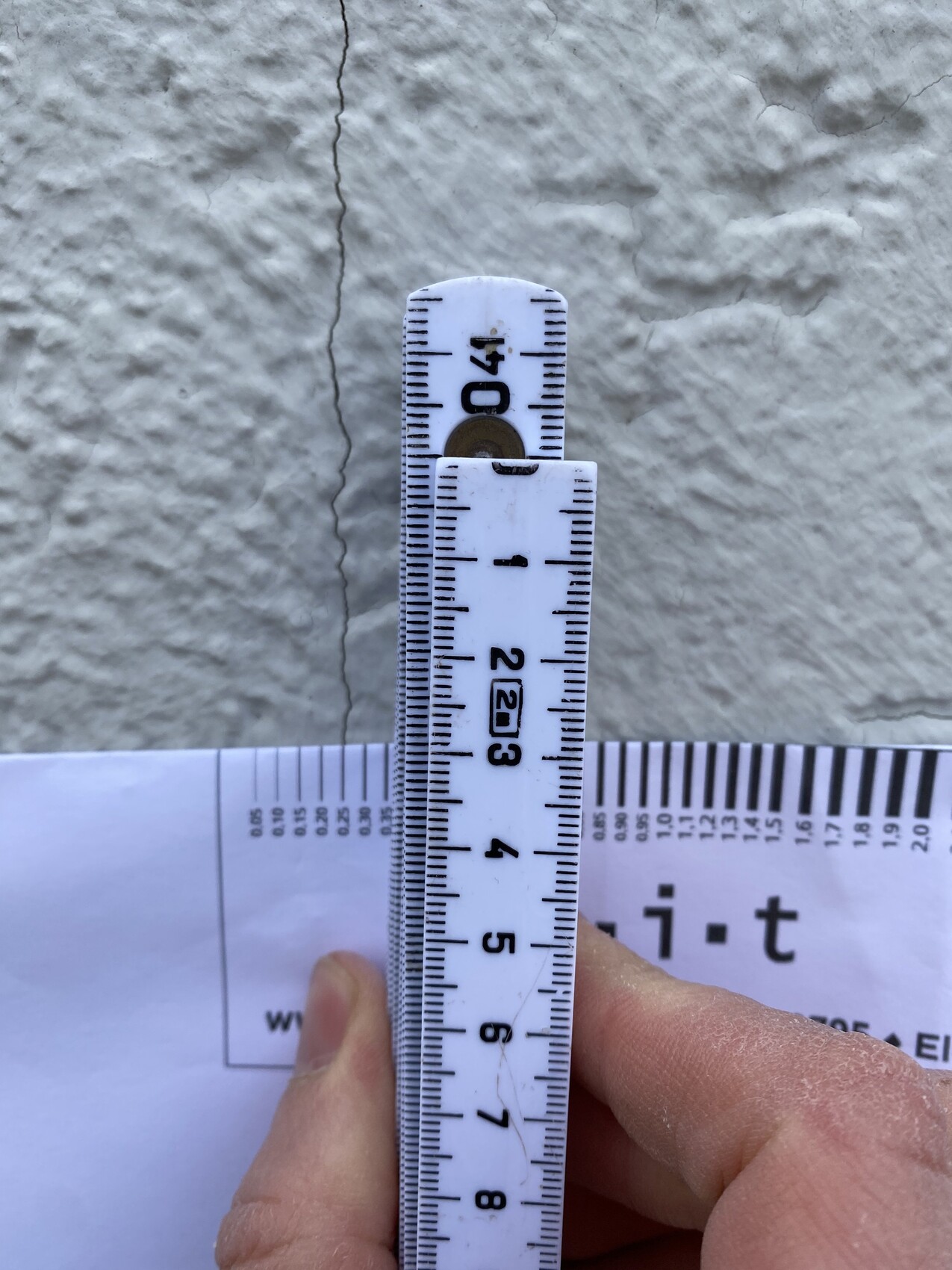

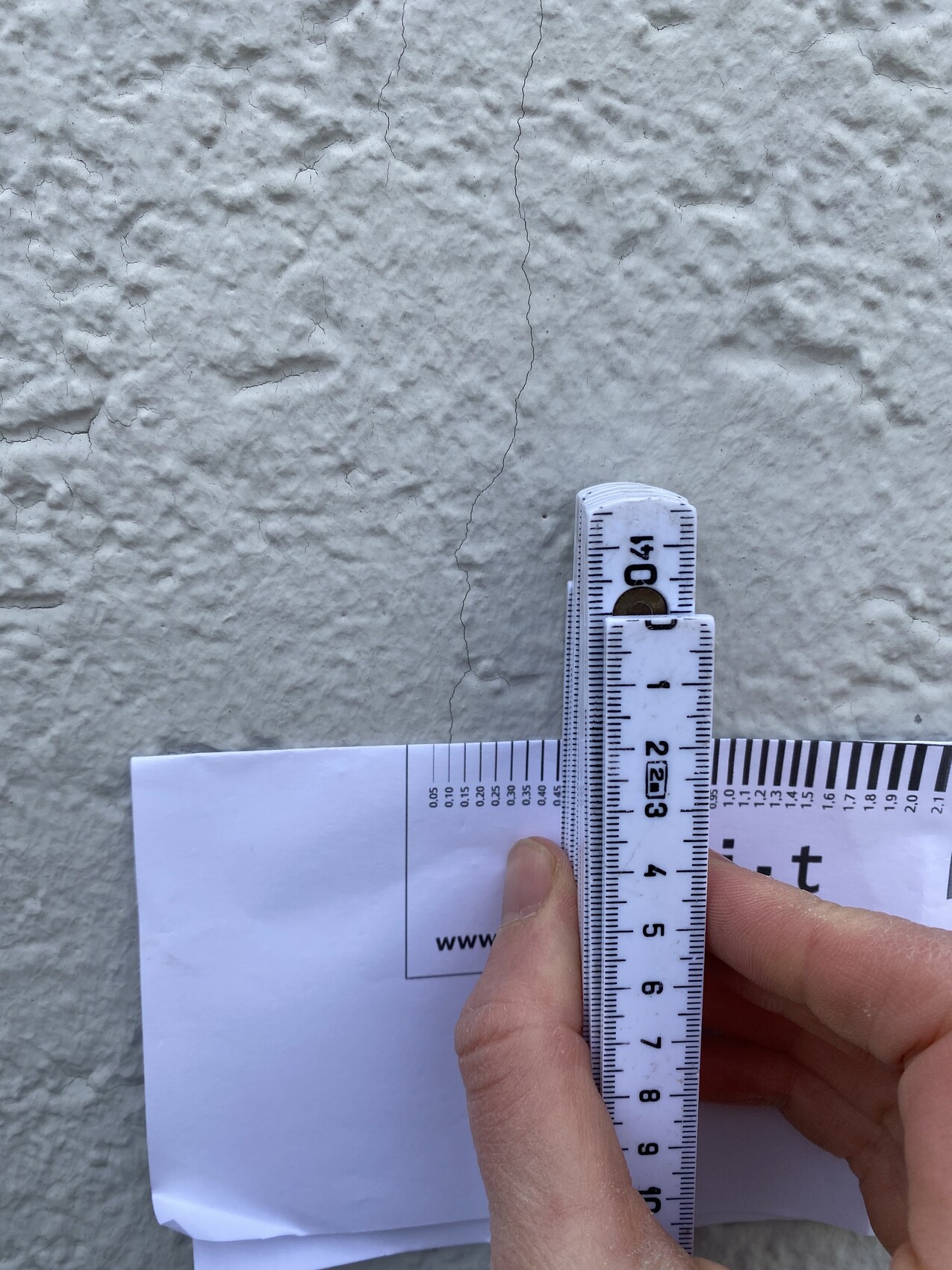
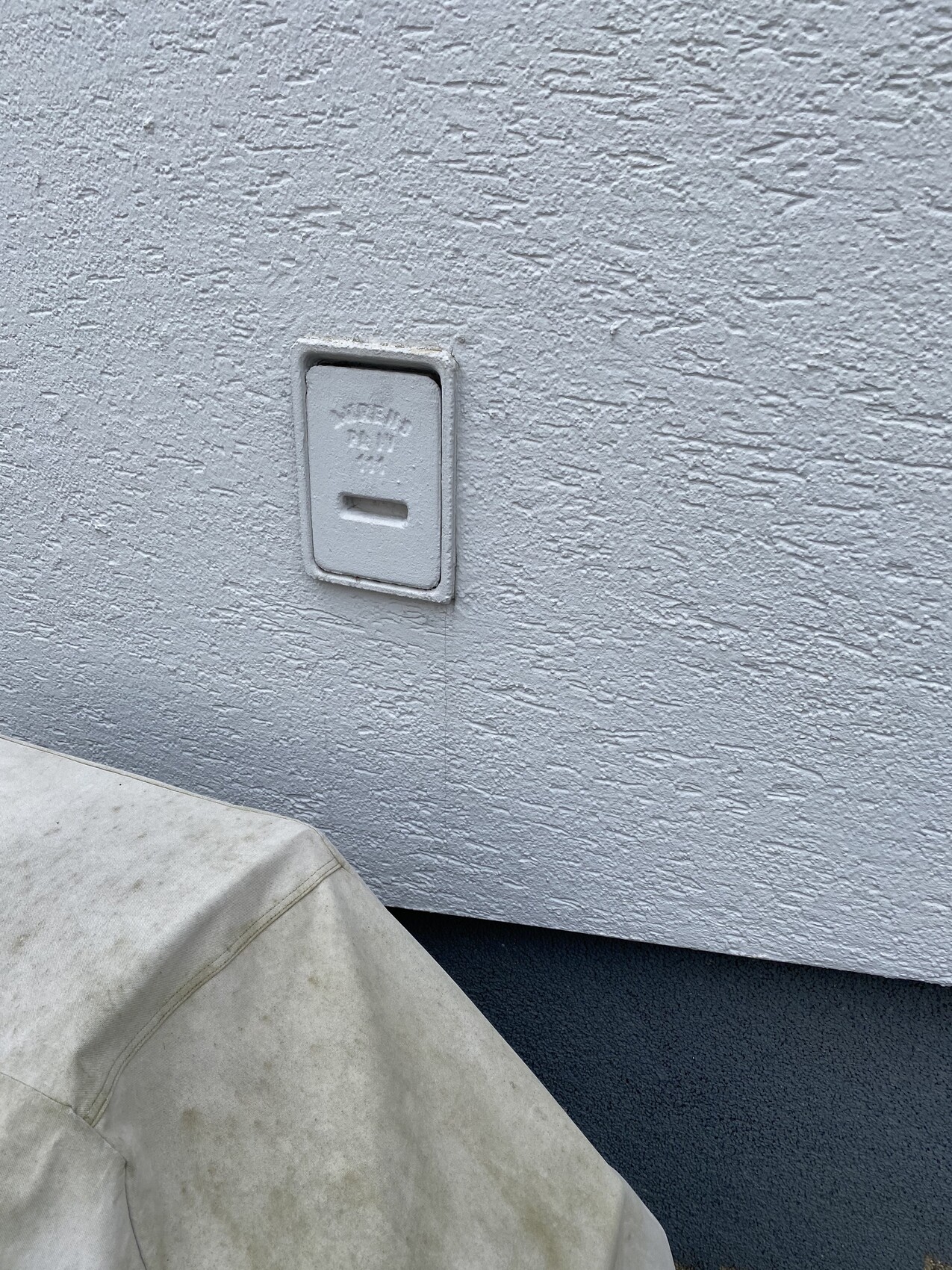
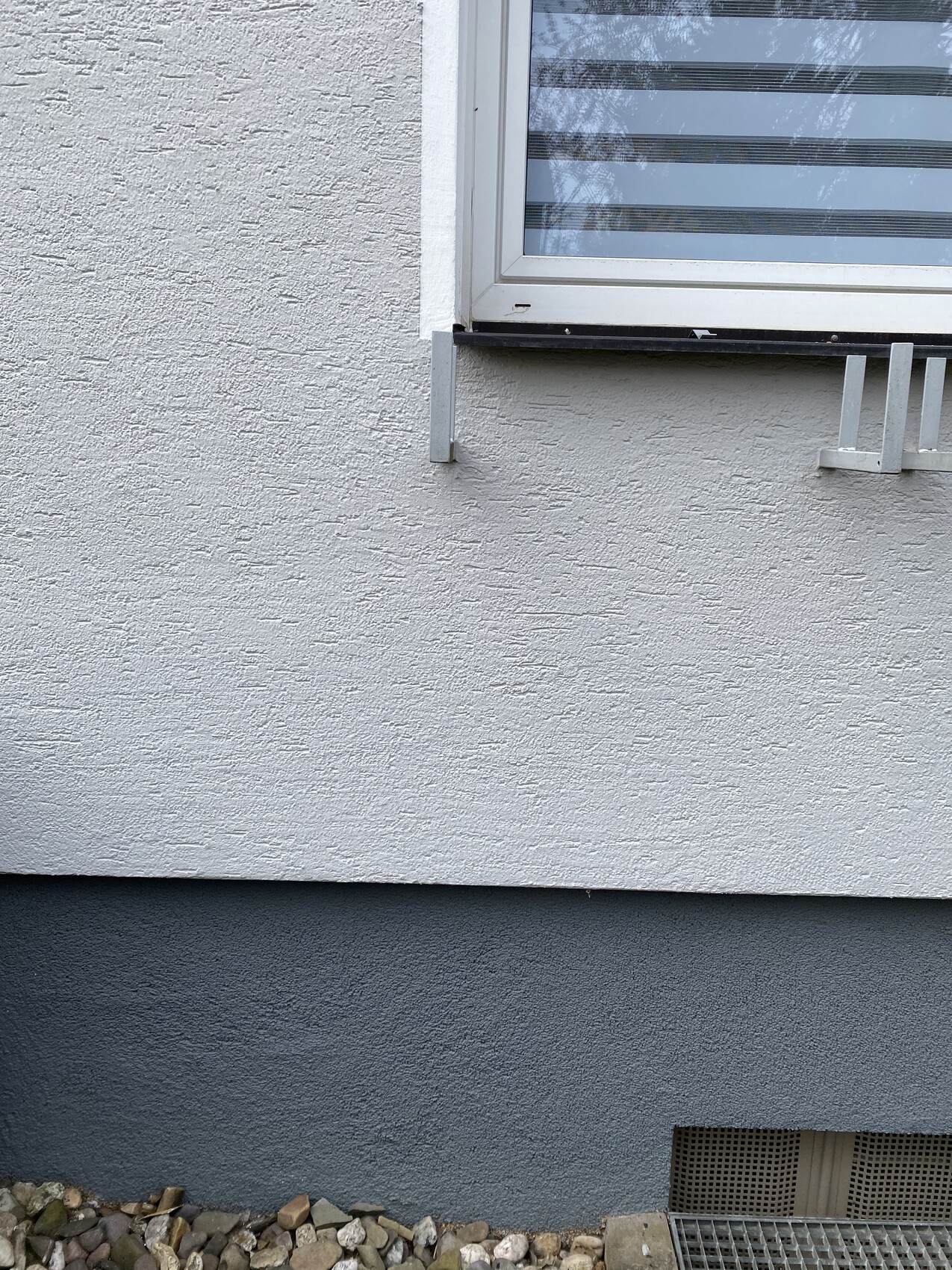
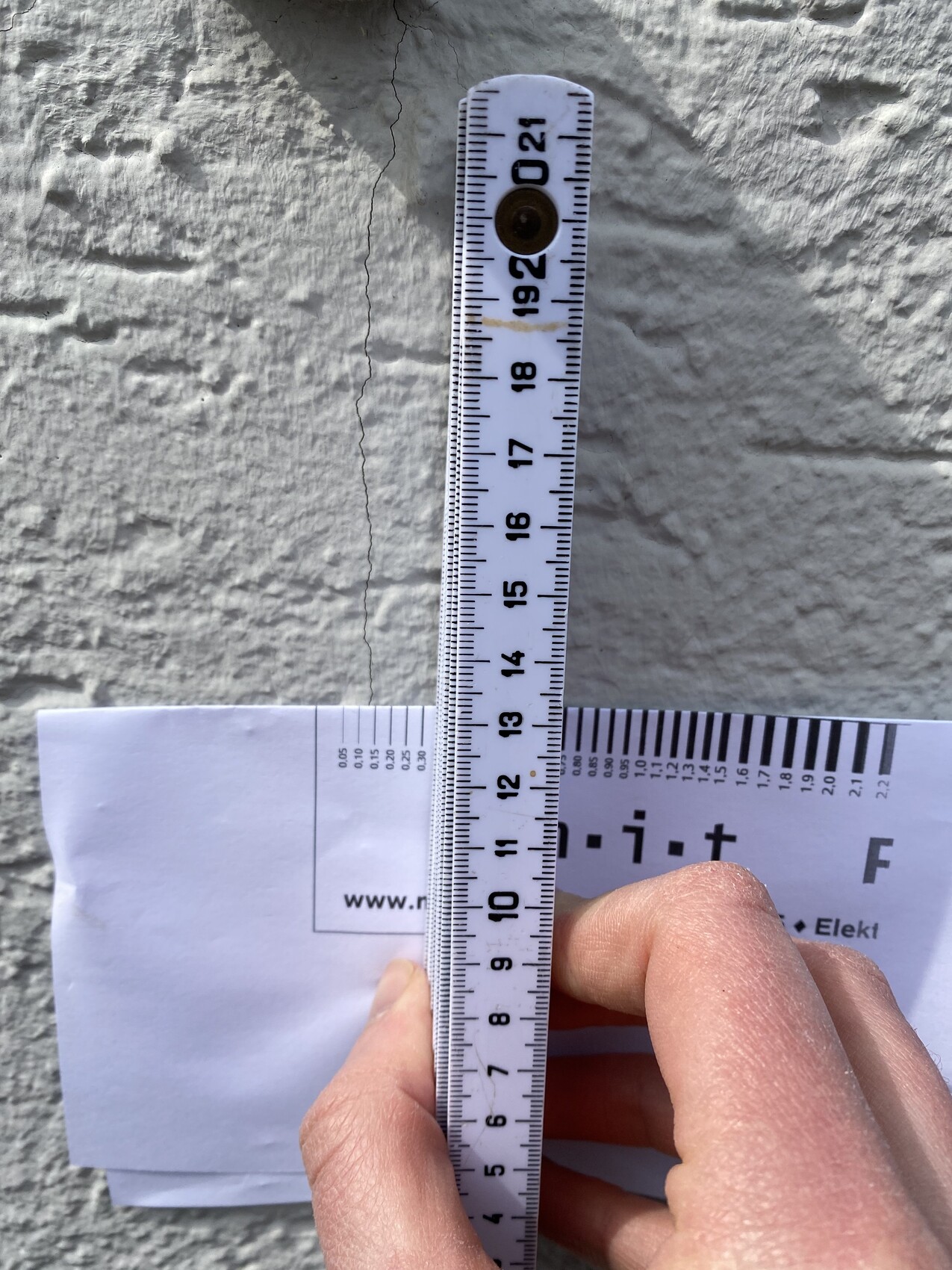
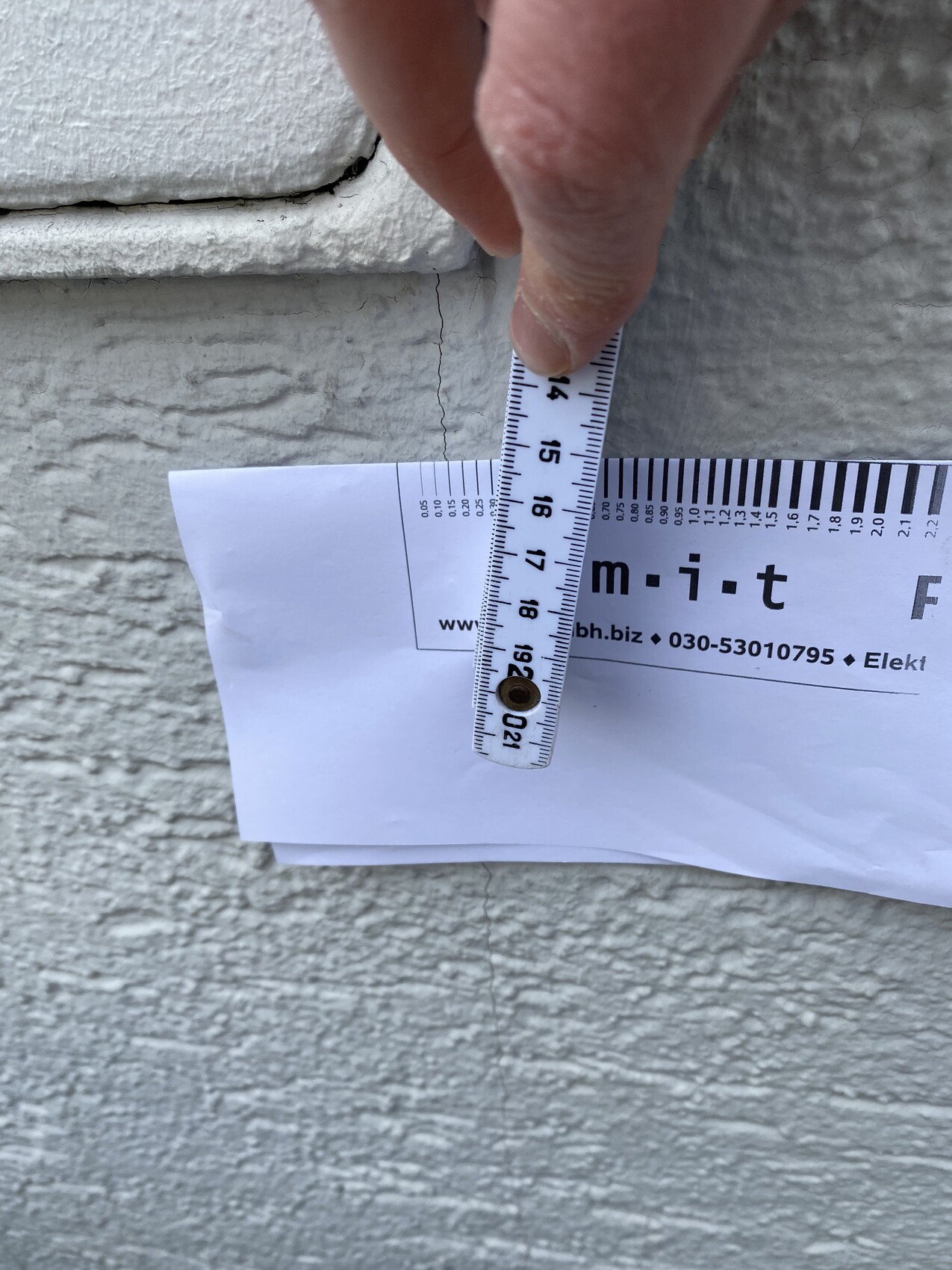
The crack in the first two images is the widest one. When pressing firmly, you can hear a slight creaking sound in some spots, and the plaster can be pushed inward slightly. Crack width is about 0.3 mm (0.01 inches).
This is not the case with any of the other cracks.
Is it okay to leave it like this, or what would be the best approach?