
Hello,
I probably have a problem with my wall.
There was mold visible on the wallpaper, and the smell was unpleasant. After removing the wallpaper, I found insulation boards underneath, so it is interior insulation. The insulation material is unknown to me, possibly cork??? I will add photos. The house was built at the end of the 18th century, so likely from older times.
What worries me most are the joints between the masonry. Are these bricks? What are they called? The joints can be easily removed completely with a finger or screwdriver. To me, it looks like sand from a sandbox. This doesn’t seem like modern mortar, which is hard and would crumble instead if loose—am I mistaken?
What was used for these joints? What can I use to refill the joints? Despite everything, no bricks are loose or easily removed. The section of the wall is not above a basement.
What is the best way to proceed?
Thank you very much in advance, I would appreciate any answers. 🙂
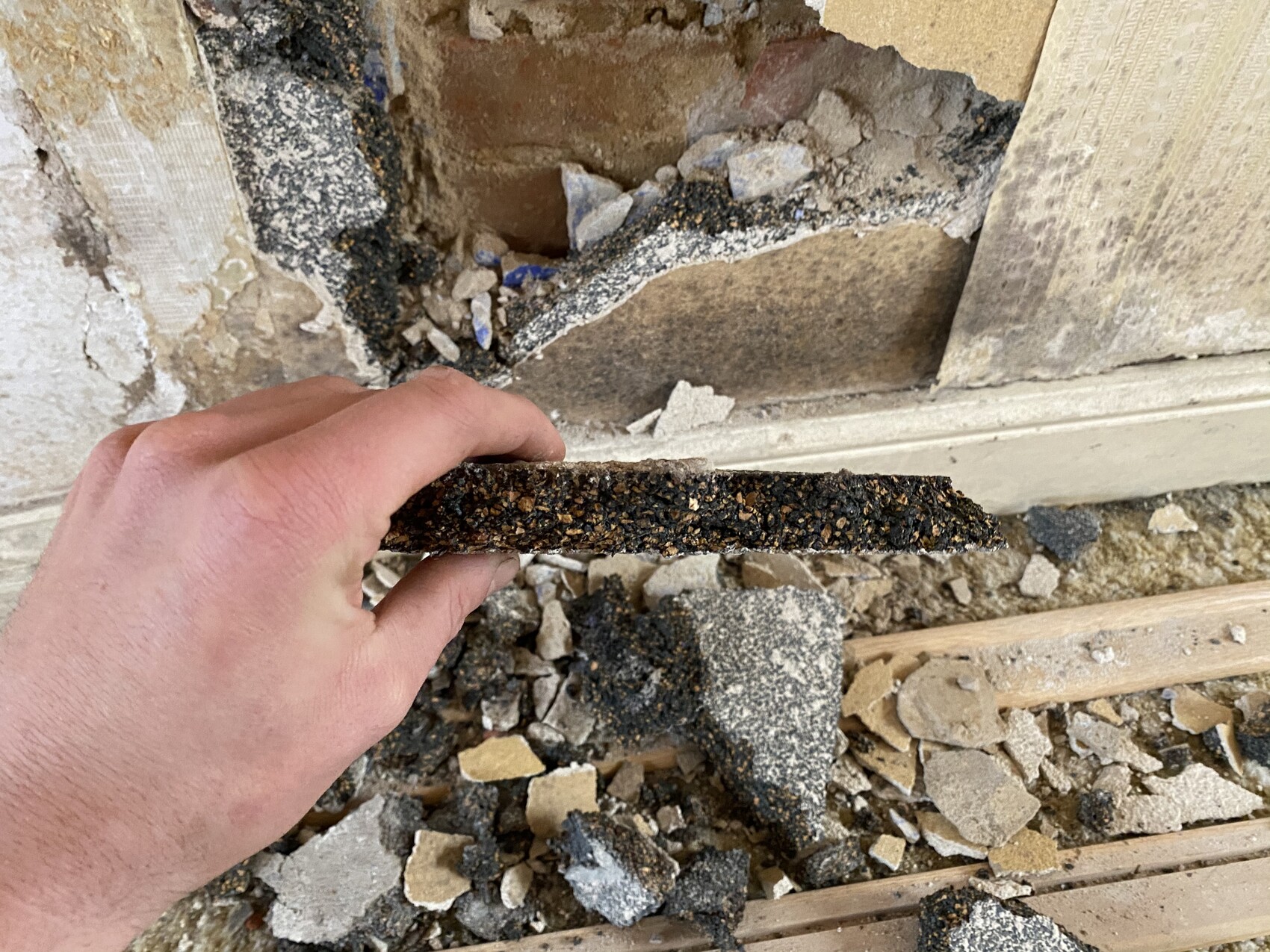
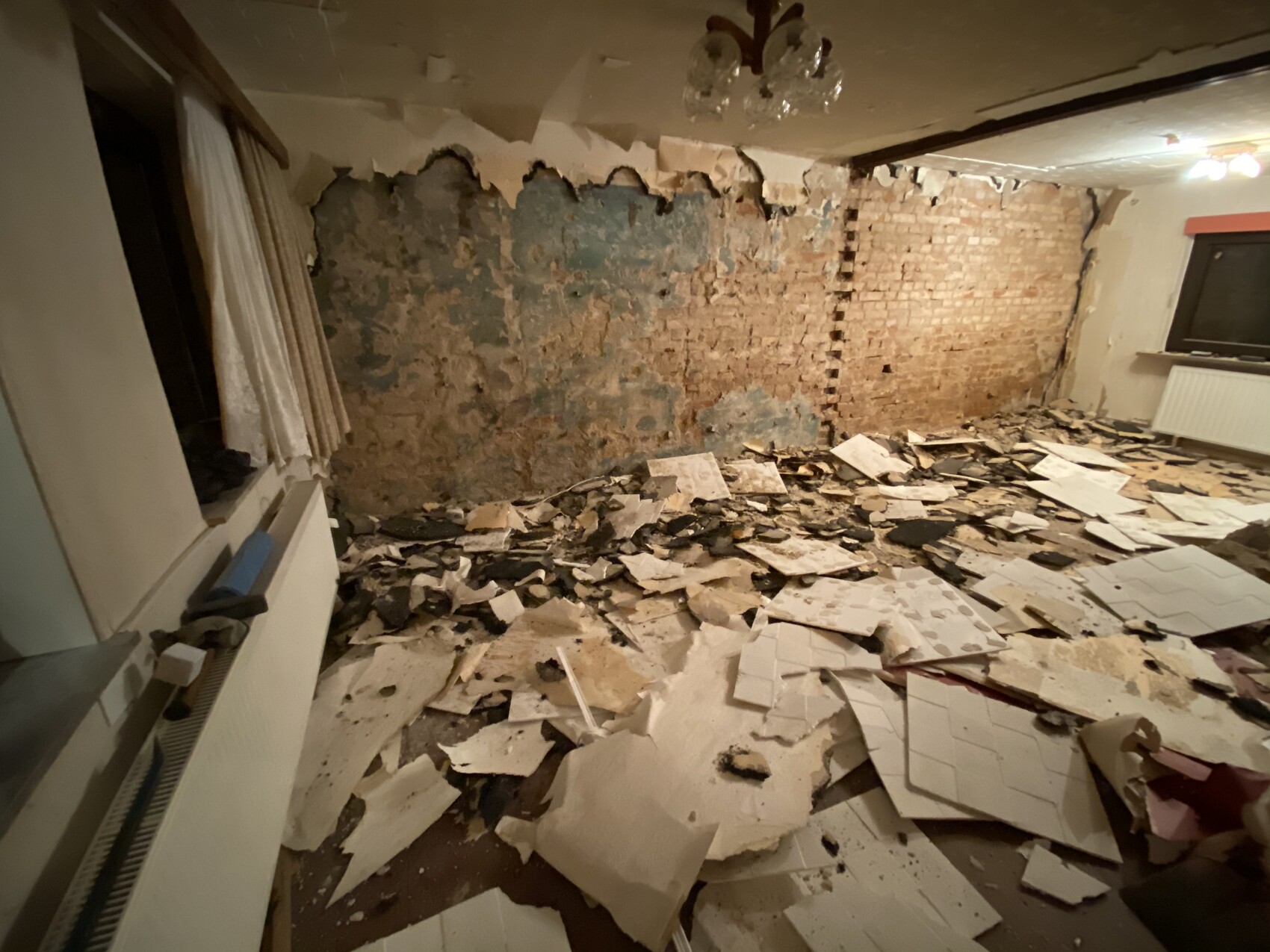
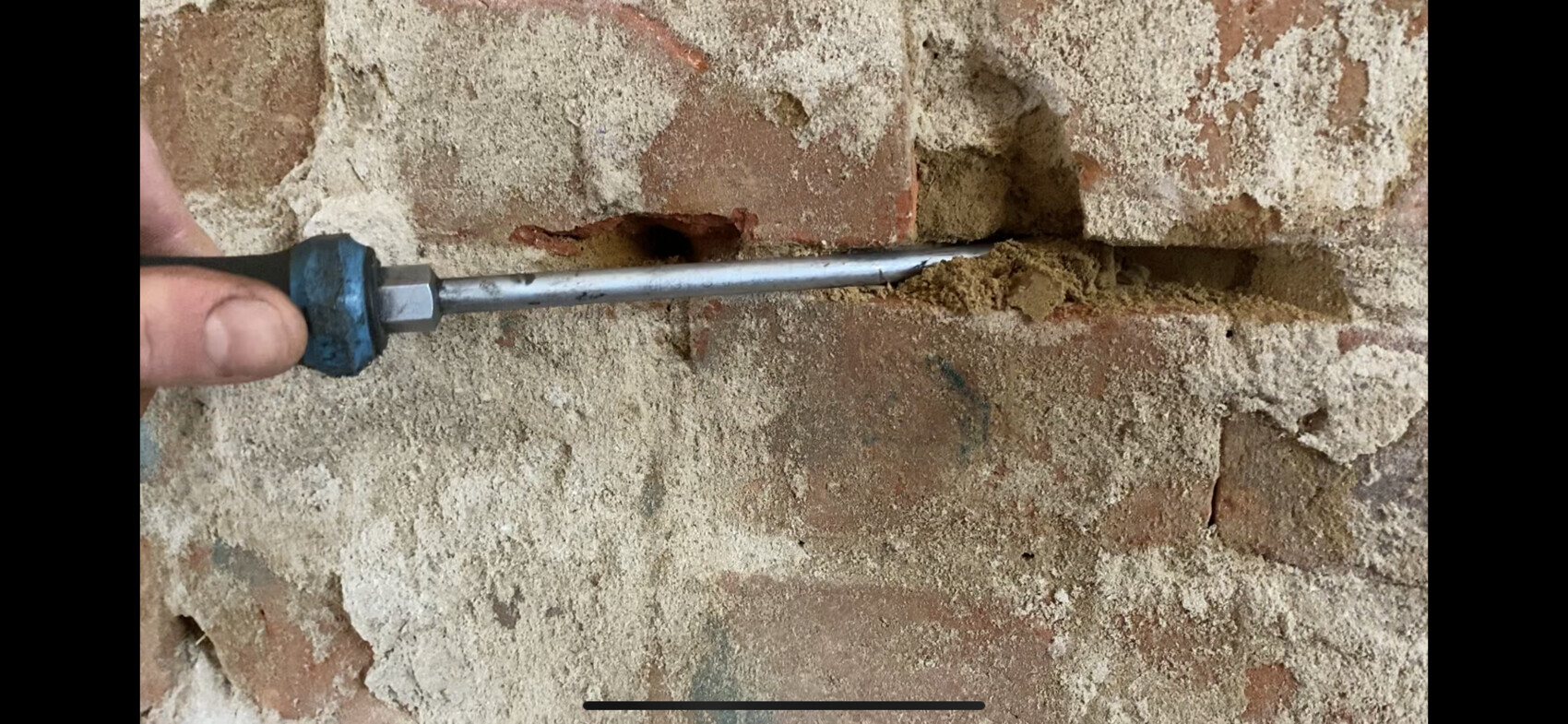
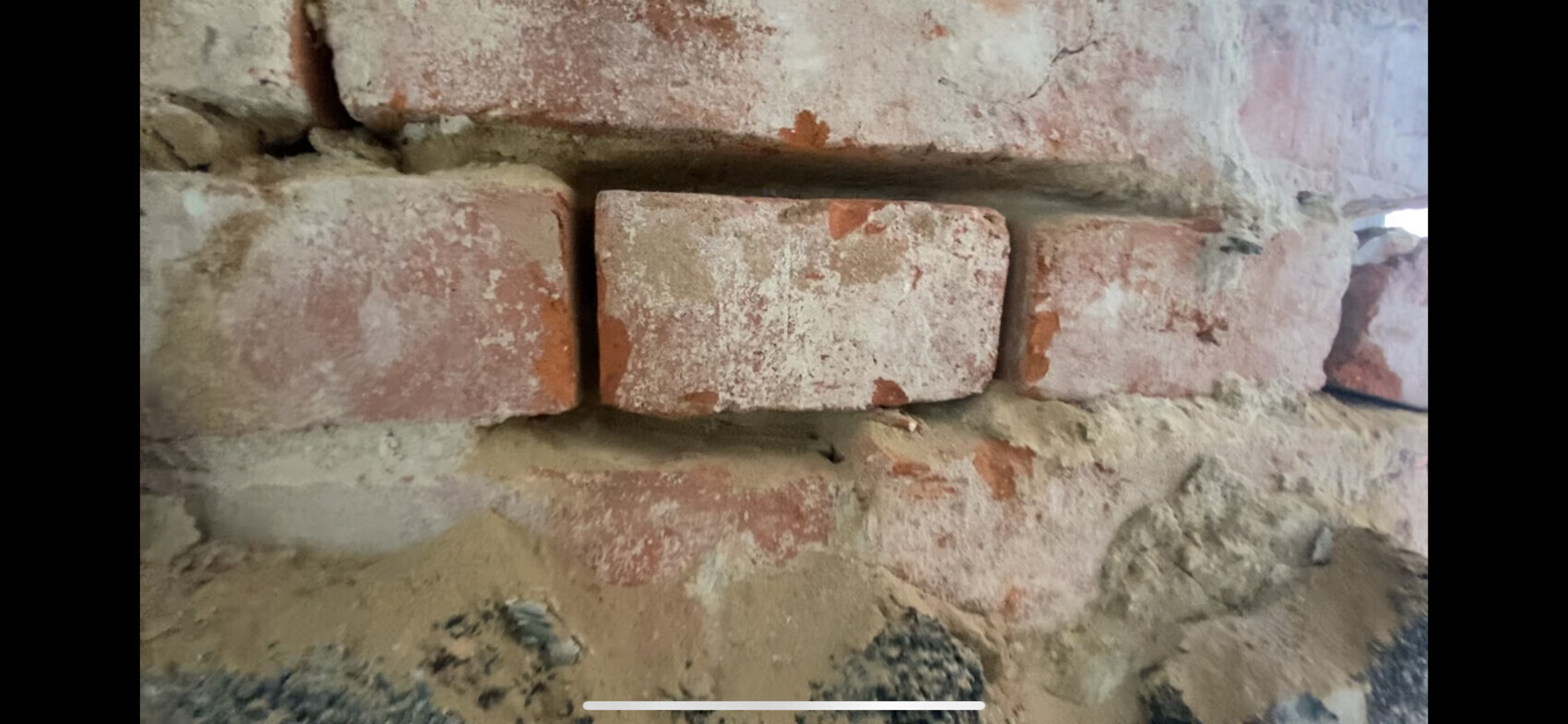
I probably have a problem with my wall.
There was mold visible on the wallpaper, and the smell was unpleasant. After removing the wallpaper, I found insulation boards underneath, so it is interior insulation. The insulation material is unknown to me, possibly cork??? I will add photos. The house was built at the end of the 18th century, so likely from older times.
What worries me most are the joints between the masonry. Are these bricks? What are they called? The joints can be easily removed completely with a finger or screwdriver. To me, it looks like sand from a sandbox. This doesn’t seem like modern mortar, which is hard and would crumble instead if loose—am I mistaken?
What was used for these joints? What can I use to refill the joints? Despite everything, no bricks are loose or easily removed. The section of the wall is not above a basement.
What is the best way to proceed?
Thank you very much in advance, I would appreciate any answers. 🙂
N
Nice-Nofret2 Mar 2021 12:10Year of construction of the house?
If in doubt, you need to excavate from the outside down to the foundation walls and insulate. After that, the wall should be dry, which saves on interior insulation.
If in doubt, you need to excavate from the outside down to the foundation walls and insulate. After that, the wall should be dry, which saves on interior insulation.
 Winniefred3 Mar 2021 18:13
Phew, it seems like the most basic principles of renovating old buildings are missing here. Sandy joints are normal—these need to be scraped out, swept clean, primed, dampened, and then re-pointed with joint mortar.
Damp proof course? The house is very old. It likely no longer has one. There are many different ways to renew it. Get a professional! This applies in general as well. You have an old house and apparently very little knowledge. You need someone who can oversee everything and guide you, otherwise you will make a lot of mistakes and have to start all over again in three years.
Damp proof course? The house is very old. It likely no longer has one. There are many different ways to renew it. Get a professional! This applies in general as well. You have an old house and apparently very little knowledge. You need someone who can oversee everything and guide you, otherwise you will make a lot of mistakes and have to start all over again in three years.
Thank you for your response. Actually, I have no experience, so I’m trying to gather information. Is it generally advisable to use materials from a hardware store? For example, can I safely buy joint mortar from any brand at the hardware store, or should I stick to a system from a specific manufacturer? I am an automotive mechatronics technician, and in my field, the quality of materials plays a significant role. I’m not sure if this is also the case here. Could you recommend any manufacturers for construction?
Kind regards,
Benny
Kind regards,
Benny
Winniefred3 Mar 2021 19:19So far, I haven’t noticed significant differences in building materials. I like to use Sakret joint mortar. Differences tend to appear later with things like paint and flooring. However, we haven’t found major differences between various types of plaster, and I buy both at building supply stores and hardware stores.
You will need to insulate and find out where the moisture is coming from to eliminate the cause, as well as install insulation that actually works. It probably won’t be that simple. This isn’t something that can be resolved remotely through a forum. The house is old. That’s not a problem in itself. But who knows what may have been poorly repaired or what materials were used over the past decades. Old houses require skilled renovation; otherwise, the outcome won’t be good.
You will need to insulate and find out where the moisture is coming from to eliminate the cause, as well as install insulation that actually works. It probably won’t be that simple. This isn’t something that can be resolved remotely through a forum. The house is old. That’s not a problem in itself. But who knows what may have been poorly repaired or what materials were used over the past decades. Old houses require skilled renovation; otherwise, the outcome won’t be good.
Similar topics