
ᐅ Exterior: Mineral-based waterproofing slurry at the base of the wall
Created on: 18 Jul 2019 10:49
K
kleinesHaus83K
kleinesHaus8318 Jul 2019 10:49Hello,
I would like to know if it is still common practice today to apply at least a waterproof slurry at the base of a house (from the ground up to about 50cm (20 inches) high) around the exterior to protect the plaster from rain and splash water?
Background: On my 1975 house, the exterior plaster has partially detached or started to blister. After completely removing the old plaster and reapplying it, do you add such a waterproof slurry as the final outer layer?
Thank you for your feedback
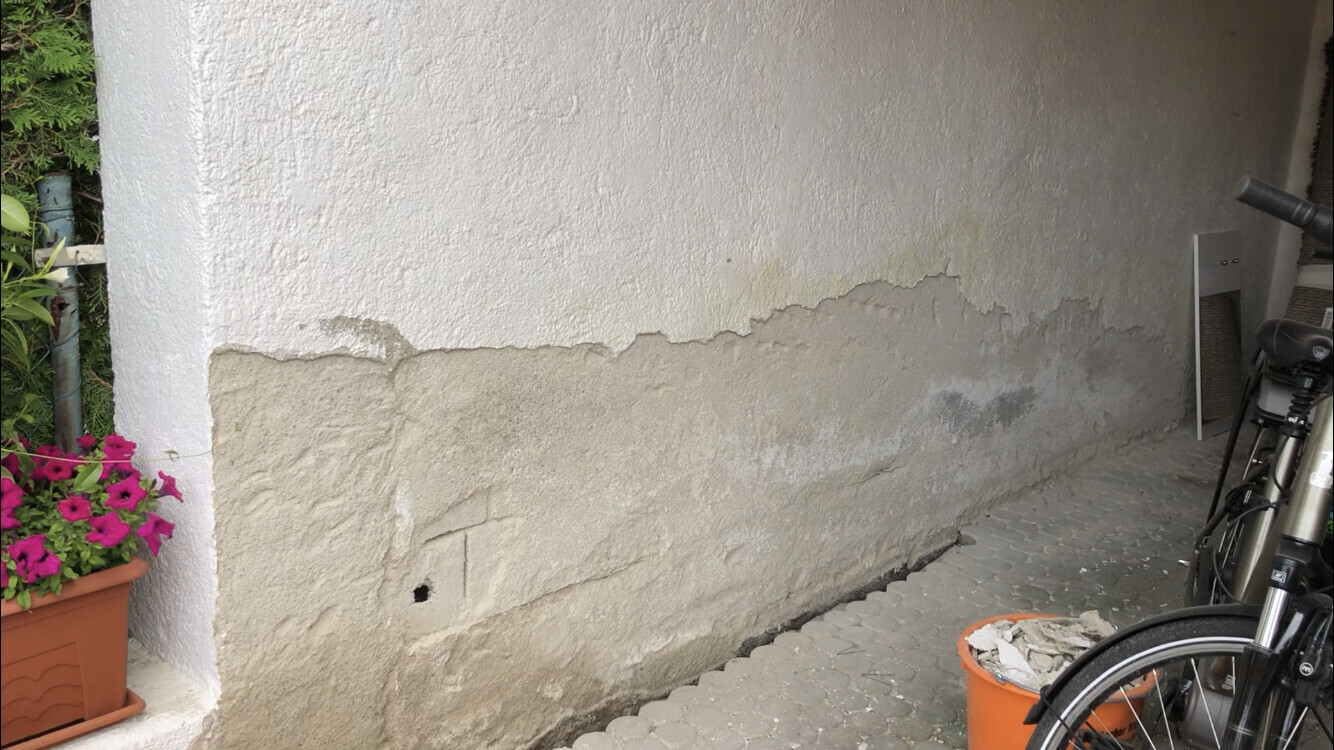
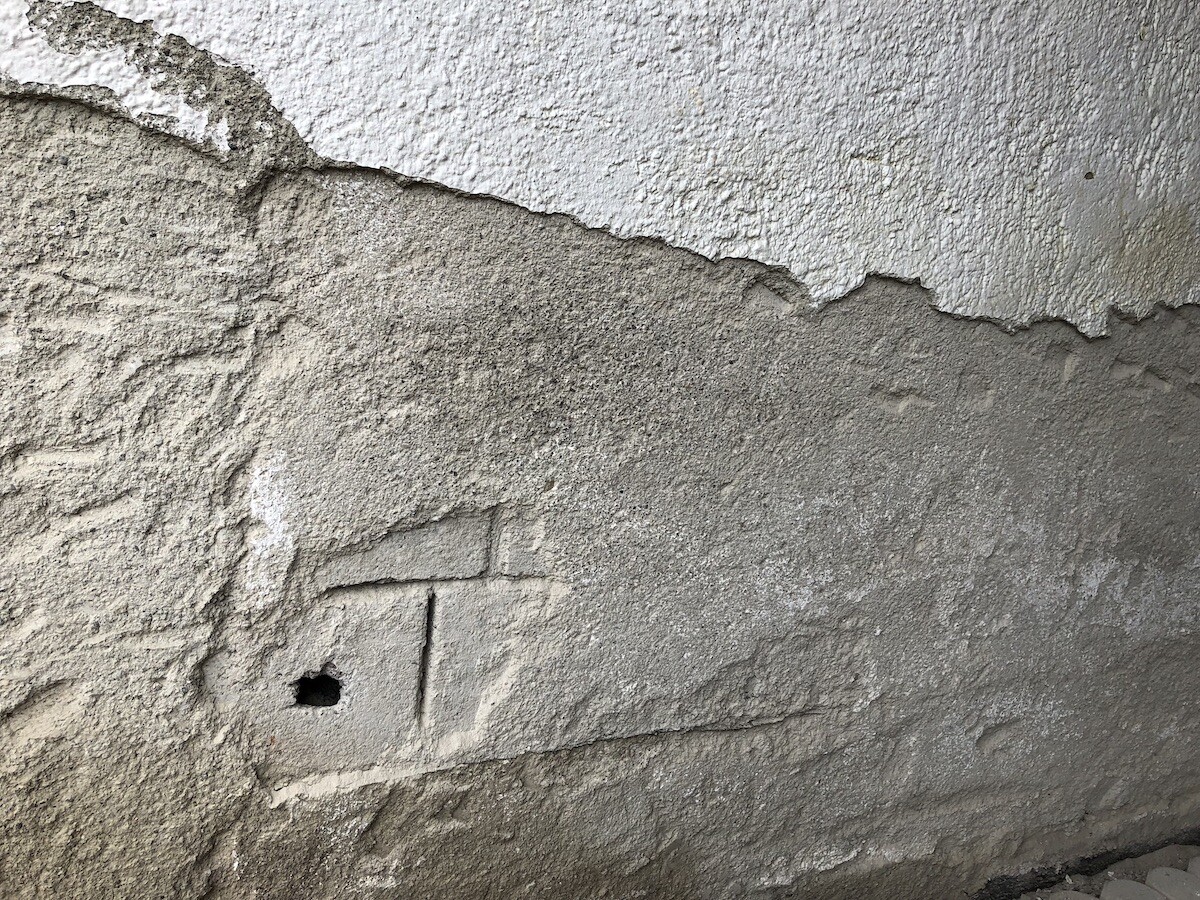
I would like to know if it is still common practice today to apply at least a waterproof slurry at the base of a house (from the ground up to about 50cm (20 inches) high) around the exterior to protect the plaster from rain and splash water?
Background: On my 1975 house, the exterior plaster has partially detached or started to blister. After completely removing the old plaster and reapplying it, do you add such a waterproof slurry as the final outer layer?
Thank you for your feedback
Hello,
a waterproofing slurry is applied in the below-ground area. It also appears that there is a waterproofing layer in the stone section. The waterproofing slurry should be applied up to about 5cm (2 inches) above ground level. The base should then be finished with an appropriate render, such as cement render, special base renders, or thin-layer renders for the base area.
a waterproofing slurry is applied in the below-ground area. It also appears that there is a waterproofing layer in the stone section. The waterproofing slurry should be applied up to about 5cm (2 inches) above ground level. The base should then be finished with an appropriate render, such as cement render, special base renders, or thin-layer renders for the base area.
K
kleinesHaus8322 Jul 2019 08:47Okay, thank you very much.
So, the waterproof slurry is basically no longer visible because it is applied below ground level, right?
So, the waterproof slurry is basically no longer visible because it is applied below ground level, right?
It is partially visible but can also be painted over. As mentioned before, it extends about 5cm (2 inches) above the top edge of the bricks/ground level.
But here are a few more assumptions.
There is probably a bitumen membrane on the first row of bricks, which is correct. The plaster underneath looks damp. So it is quite possible that the moisture is coming from below or from the backside. In that case, you should focus your attention there. Often, with older buildings, only improvements can be made rather than a complete fix if you want to keep costs reasonable.
But here are a few more assumptions.
There is probably a bitumen membrane on the first row of bricks, which is correct. The plaster underneath looks damp. So it is quite possible that the moisture is coming from below or from the backside. In that case, you should focus your attention there. Often, with older buildings, only improvements can be made rather than a complete fix if you want to keep costs reasonable.
Similar topics