
ᐅ Extension of the screed opening. Is there a risk that the screed might crack?
Created on: 3 Jan 2018 11:30
S
seol_1984
Hello everyone,
In our new build, the screed recess for our fireplace kit (about 600kg (1320 lbs)) was initially made too small. After complaining, it was enlarged as shown in the pictures. To me, as a layperson, it looks quite "improvised," but I might be wrong, so I would like to hear your opinion on this.
What stands out is that the expansion of the recess was clearly done with a different screed material, possibly cement screed, instead of calcium sulfate screed.
Is this a "normal" and "safe" procedure? Can we confidently place our fireplace on the enlarged recess without risk of the extension failing? What should we pay attention to, and should we complain again?
Thank you very much for your assessment.
Best regards,
Seol
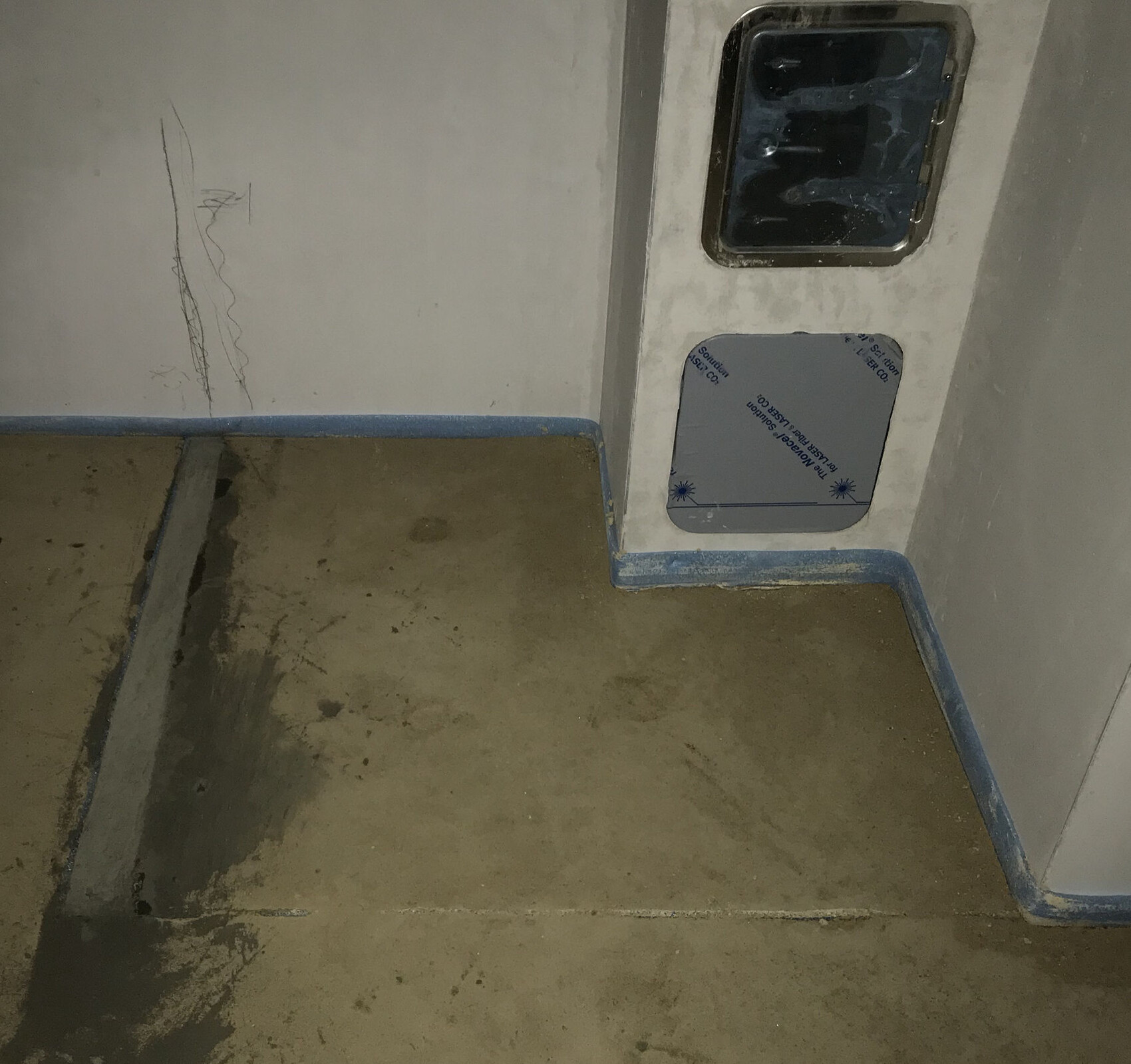
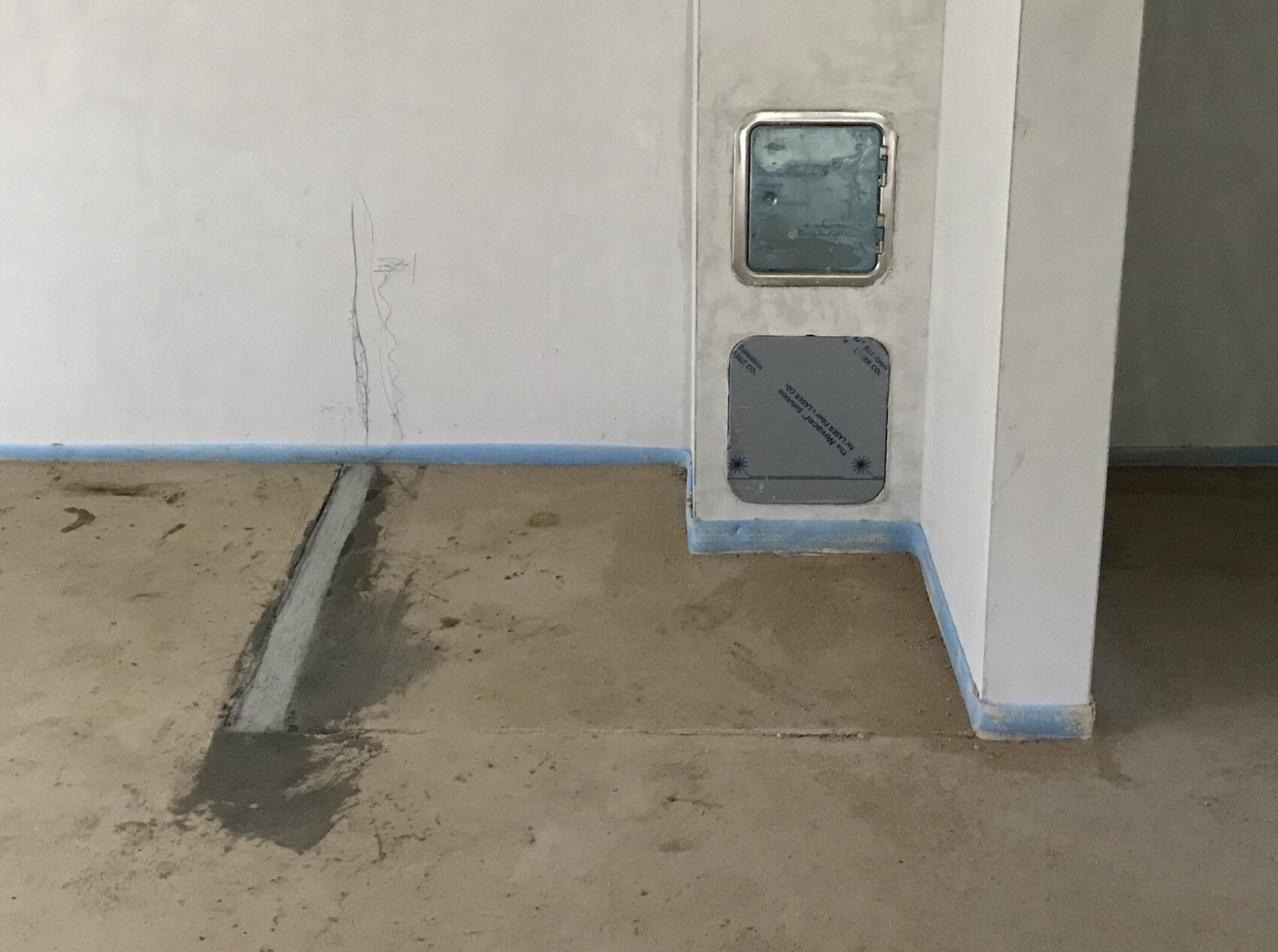
In our new build, the screed recess for our fireplace kit (about 600kg (1320 lbs)) was initially made too small. After complaining, it was enlarged as shown in the pictures. To me, as a layperson, it looks quite "improvised," but I might be wrong, so I would like to hear your opinion on this.
What stands out is that the expansion of the recess was clearly done with a different screed material, possibly cement screed, instead of calcium sulfate screed.
Is this a "normal" and "safe" procedure? Can we confidently place our fireplace on the enlarged recess without risk of the extension failing? What should we pay attention to, and should we complain again?
Thank you very much for your assessment.
Best regards,
Seol
S
seol_198413 Jan 2018 10:28First of all, thank you very much for your help in clarifying what I actually want to know. I probably wouldn’t have been able to express myself well enough on my own.
Now to the situation:
The concrete slab is placed directly on the ground, no basement. Insulation material has been installed on top; according to the site manager, it is polystyrene.
I found the following photo as additional reference:
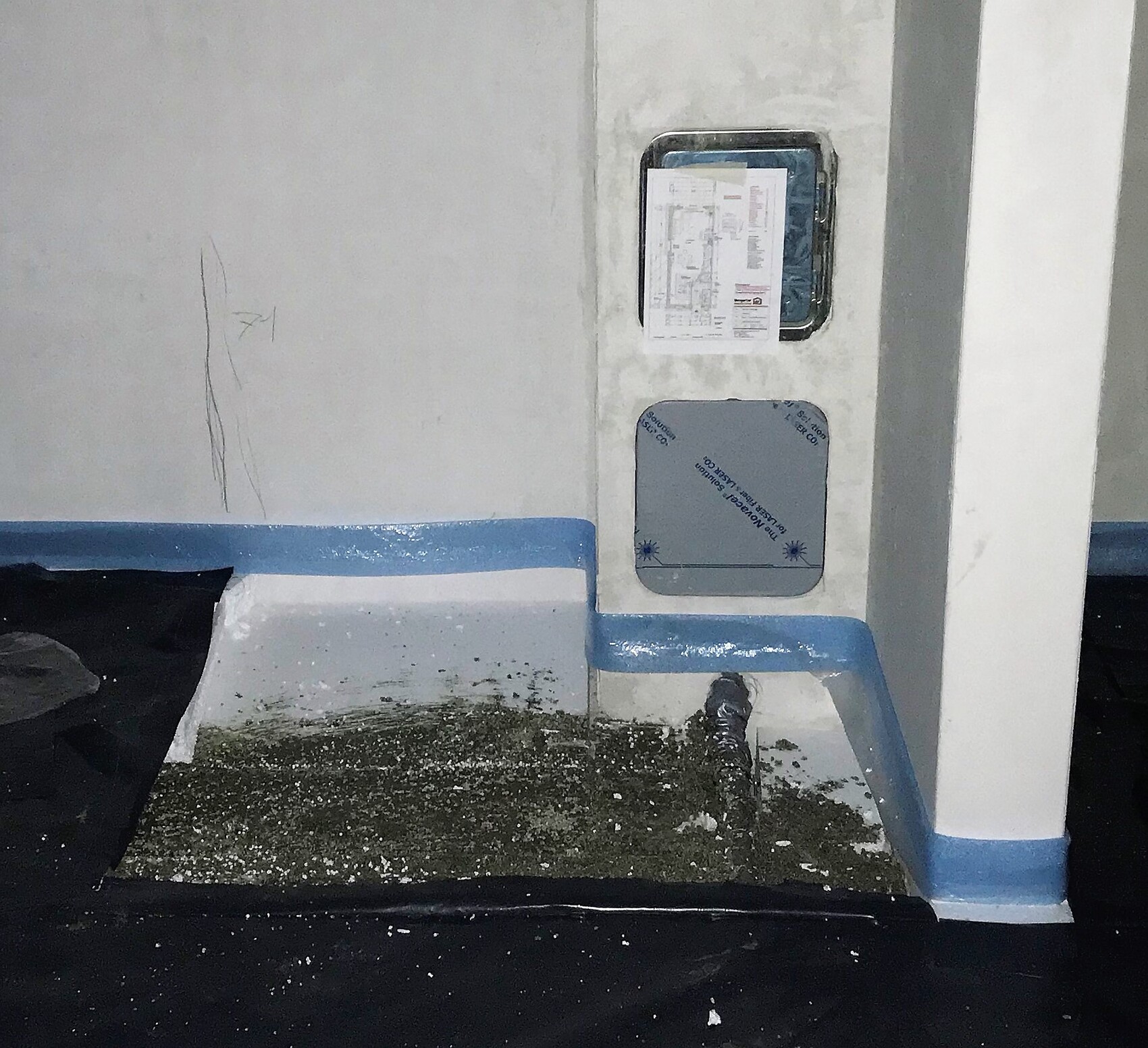
Different thicknesses of calcium sulfate screed were applied on this setup. Around the opening, approximately 85mm (3.3 inches), and about 60mm (2.4 inches) in the living area.
The fireplace opening was separated from the living area by blue insulation strips:
Overall, it looked like this:
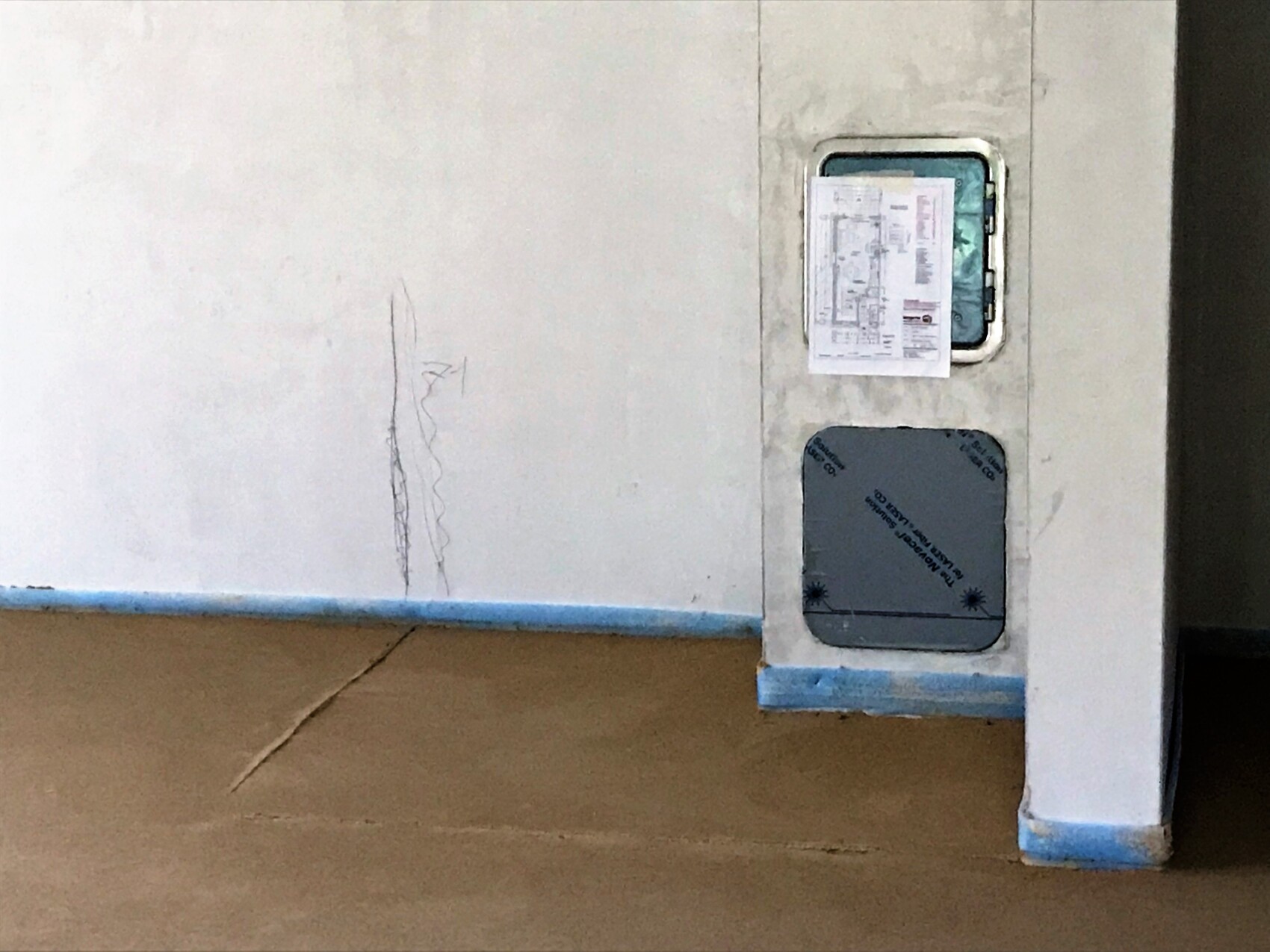
Up to this point, it appeared to be professionally done.
Afterwards, an additional strip was cut out from the living area next to the original opening and connected to the fireplace opening. Obviously, a different material was inserted there—a gray strip. There is no blue insulation strip between the gray strip and the fireplace opening, as this is supposed to be the new fireplace area. However, there is again an insulation strip between the gray strip and the living area:
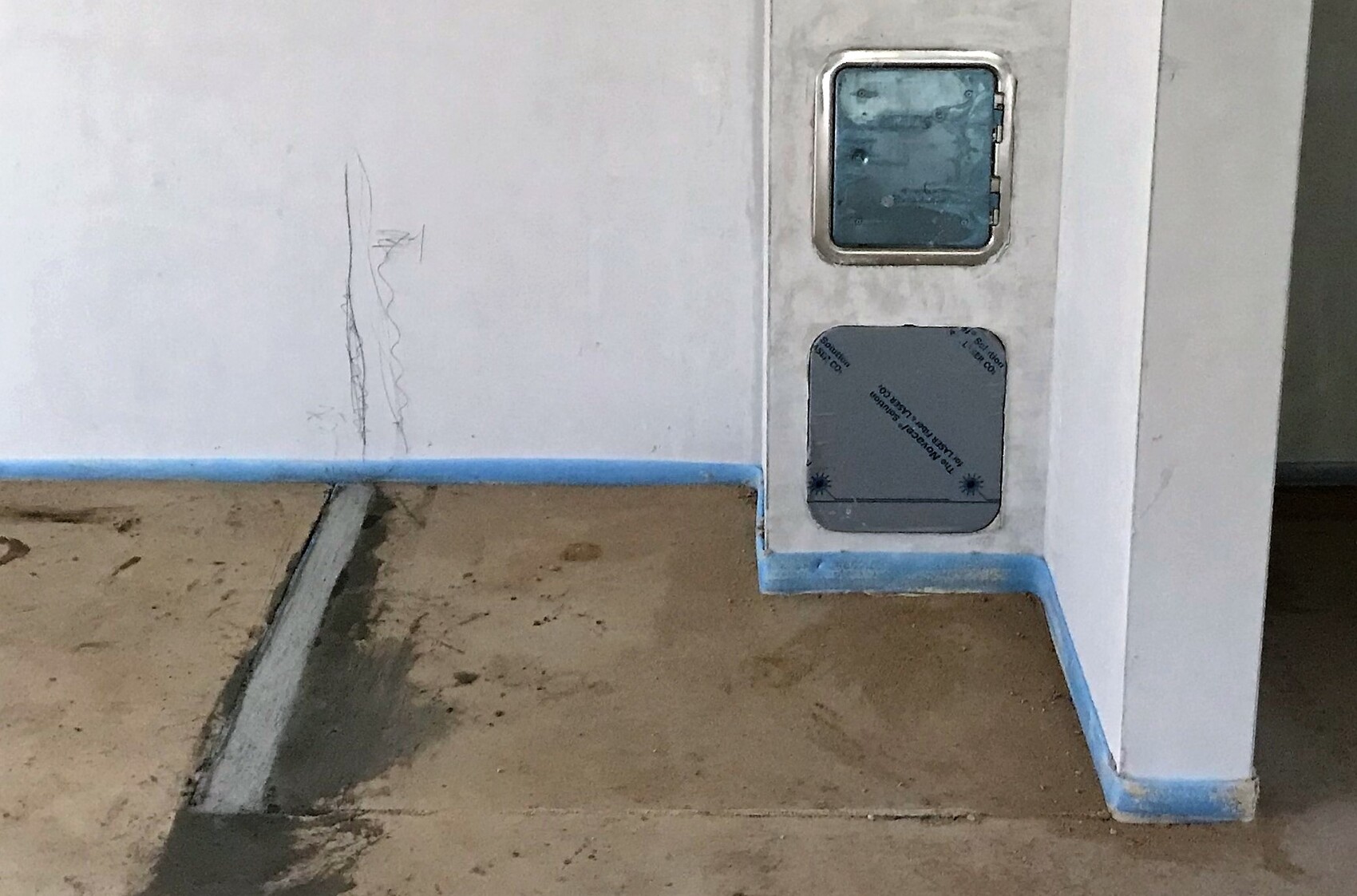
I hope I have answered all questions sufficiently and thank you for your patience.
Now to the situation:
The concrete slab is placed directly on the ground, no basement. Insulation material has been installed on top; according to the site manager, it is polystyrene.
I found the following photo as additional reference:
Different thicknesses of calcium sulfate screed were applied on this setup. Around the opening, approximately 85mm (3.3 inches), and about 60mm (2.4 inches) in the living area.
The fireplace opening was separated from the living area by blue insulation strips:
Overall, it looked like this:
Up to this point, it appeared to be professionally done.
Afterwards, an additional strip was cut out from the living area next to the original opening and connected to the fireplace opening. Obviously, a different material was inserted there—a gray strip. There is no blue insulation strip between the gray strip and the fireplace opening, as this is supposed to be the new fireplace area. However, there is again an insulation strip between the gray strip and the living area:
I hope I have answered all questions sufficiently and thank you for your patience.
C
chand198613 Jan 2018 10:50OK. So the joint is present.
Whether PS insulation is problematic, I believe only KlaRa can answer that. Is the thickness of this insulation layer known?
Whether PS insulation is problematic, I believe only KlaRa can answer that. Is the thickness of this insulation layer known?
S
seol_198413 Jan 2018 11:14The exact thickness of the insulation layer is not known to me. Based on pictures, I estimate it to be around 20cm (8 inches) thick. Admittedly, this is very difficult to assess accurately just from images.

Hello "Seol". The first photo you attached is quite informative for me. Your current details are also helpful, as they now provide a comprehensive picture of the construction.
The ground-contact slab appears to have been sealed on top. This is not uncommon, but it naturally rules out a composite construction as I had suggested. In the case of a basement, which I had assumed, this sealing layer would not have been present.
Photo 1 shows that a recess was made in the insulation layer for the chimney/wood stove, meaning the chimney does not rest on the insulation. That would not have worked well!
That the calcium sulfate screed was "patched" with a cement-based material—well, that’s just how it is. This is acceptable and does not cause any disadvantages.
Regarding the black pipe in photo 1, the one leading towards the chimney, I wonder what its purpose is?
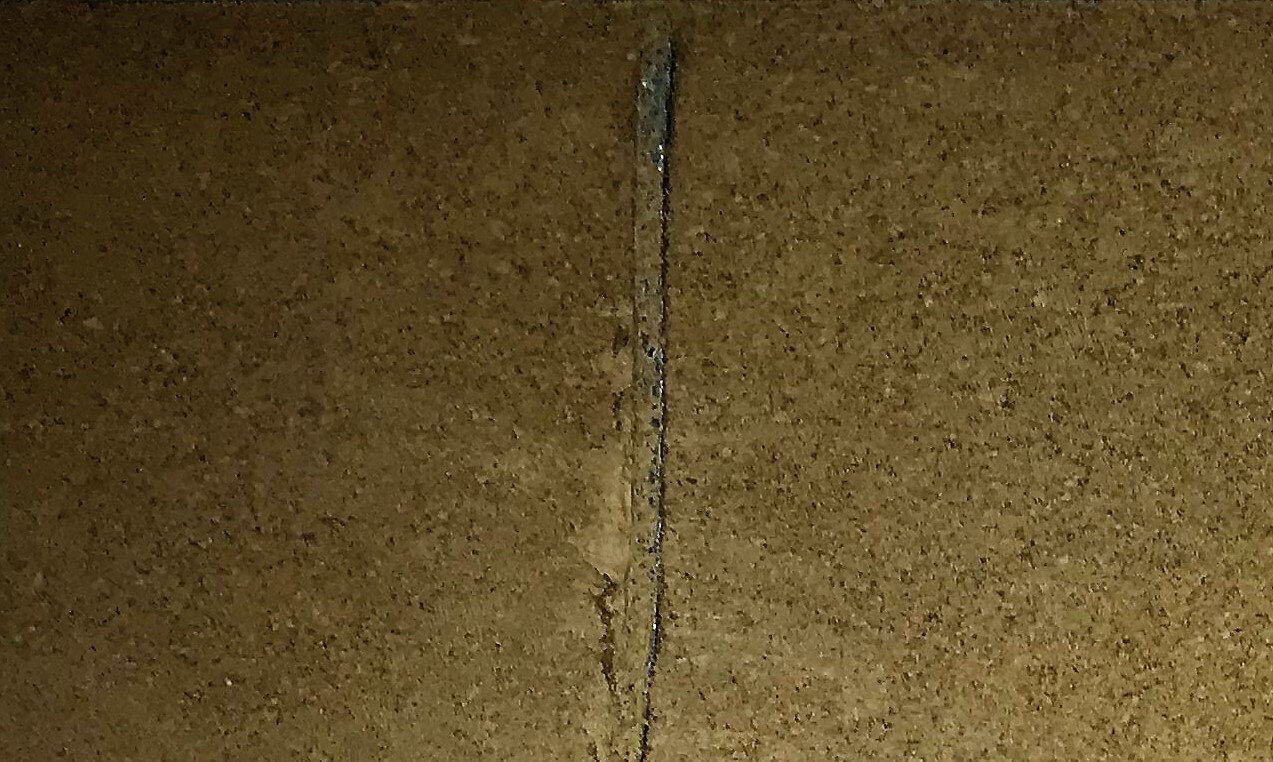
Ultimately, as constructed, there will very likely be no problems. The movement joints were installed leading towards the floating screed.
Therefore, there is no reason to believe that future enjoyment of the chimney will be hindered by construction aspects or uncertainties in the build-up anywhere.
-------------------------------
I’m signing off on this topic now. Enjoy your new home:
KlaRa
The ground-contact slab appears to have been sealed on top. This is not uncommon, but it naturally rules out a composite construction as I had suggested. In the case of a basement, which I had assumed, this sealing layer would not have been present.
Photo 1 shows that a recess was made in the insulation layer for the chimney/wood stove, meaning the chimney does not rest on the insulation. That would not have worked well!
That the calcium sulfate screed was "patched" with a cement-based material—well, that’s just how it is. This is acceptable and does not cause any disadvantages.
Regarding the black pipe in photo 1, the one leading towards the chimney, I wonder what its purpose is?
Ultimately, as constructed, there will very likely be no problems. The movement joints were installed leading towards the floating screed.
Therefore, there is no reason to believe that future enjoyment of the chimney will be hindered by construction aspects or uncertainties in the build-up anywhere.
-------------------------------
I’m signing off on this topic now. Enjoy your new home:
KlaRa
S
seol_198415 Jan 2018 08:11Hello KlaRa,
thank you for your feedback. That reassures me.
The "pipe" you see in the first picture is the condensate drain.
Best regards,
Sebastian
thank you for your feedback. That reassures me.
The "pipe" you see in the first picture is the condensate drain.
Best regards,
Sebastian
B
Bieber081516 Jan 2018 15:47seol_1984 schrieb:
The exact thickness of the insulation layer is not known to me. It should actually be indicated in the design plans (thickness and type of insulation, basically the entire floor structure). Of course, this refers only to the planning stage, not the actual construction.
Similar topics