
Hello,
We have purchased a house in Denmark (Vejle) with a 2-year-old photovoltaic system on the roof. There are 6 panels, but I can’t identify the exact type. I assume the capacity is around 2 kWp.
Inside the house, we have a Fronius Primo 3.0.1 inverter, which can easily handle double or more of that capacity. There is plenty of additional space on the roof, probably 3 to 5 times more.
We also have an electric car and an EVBox Elvi charger in the house. Our electricity consumption seems quite high even without the electric car—estimated to be over 6,000 to 7,000 kWh per year.
The local company that installed the system seems to be unresponsive and difficult to reach.
My questions:
1. Does it make sense to fully utilize the inverter up to its maximum capacity?
2. Can I hire a different company to upgrade the roof system, or is it essential to use the same installer?
3. I enjoy analyzing data. I could buy a Fronius Smart Switch for around 300 euros, or an SMA Sunny Home Manager 2.0 for twice that price, which also allows control of our dishwasher. I’m leaning towards the SMA.
I look forward to hearing your advice and tips!
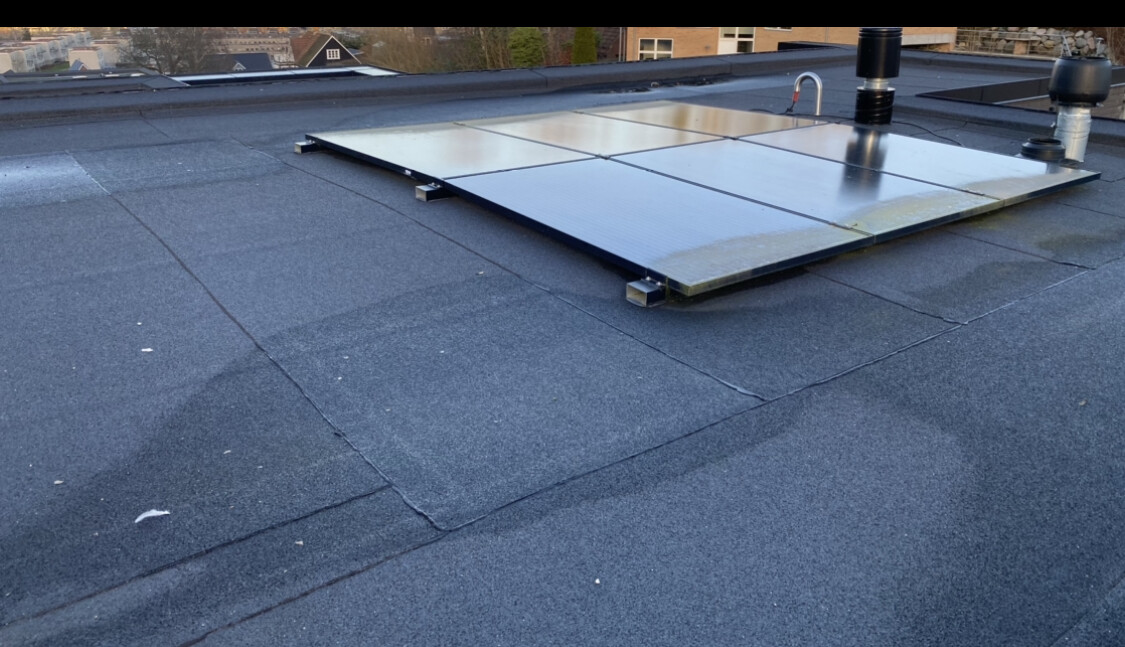
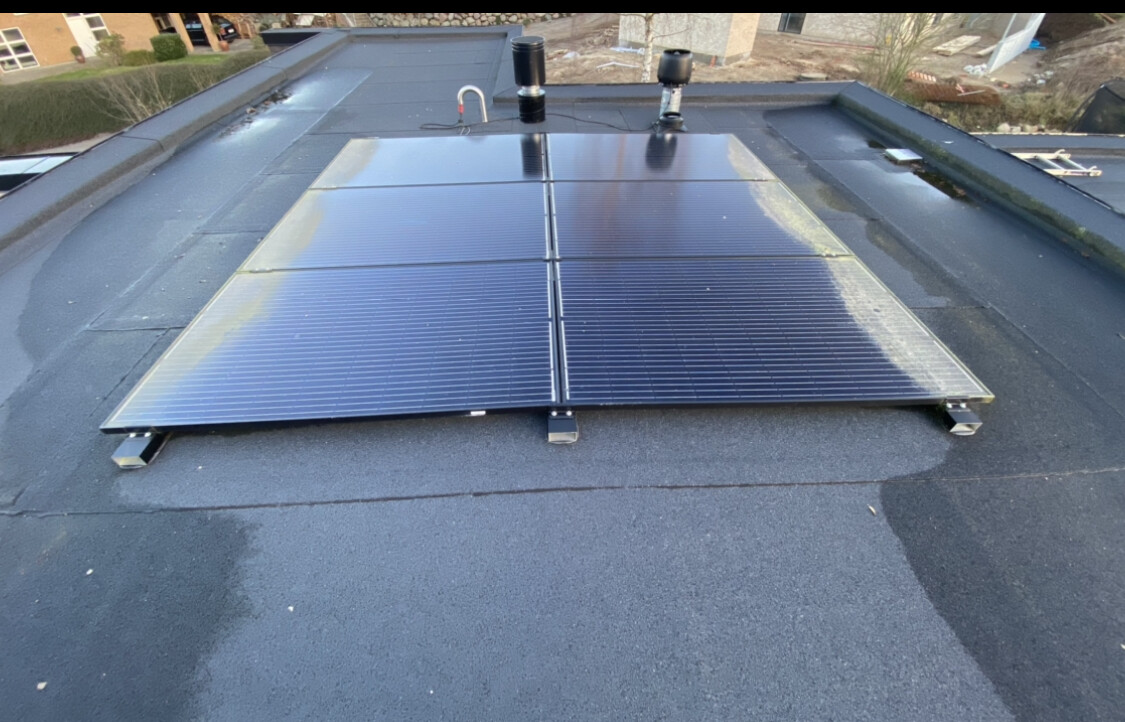
We have purchased a house in Denmark (Vejle) with a 2-year-old photovoltaic system on the roof. There are 6 panels, but I can’t identify the exact type. I assume the capacity is around 2 kWp.
Inside the house, we have a Fronius Primo 3.0.1 inverter, which can easily handle double or more of that capacity. There is plenty of additional space on the roof, probably 3 to 5 times more.
We also have an electric car and an EVBox Elvi charger in the house. Our electricity consumption seems quite high even without the electric car—estimated to be over 6,000 to 7,000 kWh per year.
The local company that installed the system seems to be unresponsive and difficult to reach.
My questions:
1. Does it make sense to fully utilize the inverter up to its maximum capacity?
2. Can I hire a different company to upgrade the roof system, or is it essential to use the same installer?
3. I enjoy analyzing data. I could buy a Fronius Smart Switch for around 300 euros, or an SMA Sunny Home Manager 2.0 for twice that price, which also allows control of our dishwasher. I’m leaning towards the SMA.
I look forward to hearing your advice and tips!
T
Thorben811 Mar 2022 09:36The Fronius Primo 3.01 is single-phase and has a capacity of 4.5 kWp. I installed panels consisting of 6 units of 305 watts each (JAM60S01-305/PR). So there is still potential for more; I assume I can easily install up to 6 kWp.
D
Deliverer1 Mar 2022 18:05The first step would be to precisely measure the available roof area and then plan what can fit on it.
Anyone who can assemble IKEA cabinets can handle self-installation on a flat roof. So that is definitely your route. The electrical connection, of course, should be done by a qualified electrician. I would look for the electrician BEFORE installation, just in case they have as little interest in jobs as the solar installers.
I would always raise the panels at a 15° angle on a flat roof. Usually oriented east-west, but that depends on the available space. North-south orientation is also possible. Without raising, you will need to clean them annually, as you can clearly see from the photos of the existing modules. Dirt easily causes a 20% loss in output, so get rid of it!
Nowadays, almost all modules are good quality. I don’t understand why you want to stick with 320-watt panels. 380-watt panels should hardly be more expensive, at least here in Germany.
Whether a battery storage system pays off always depends on the price of the battery and the electricity costs. In Germany, battery storage is not yet financially worthwhile. How much do you pay for electricity? Without feed-in compensation, the electricity price would need to be around 50 cents per kWh for a battery to make sense for you. However, this depends on so many factors that it can only be planned at the end once you know your electricity consumption, photovoltaic system size, etc.
Anyone who can assemble IKEA cabinets can handle self-installation on a flat roof. So that is definitely your route. The electrical connection, of course, should be done by a qualified electrician. I would look for the electrician BEFORE installation, just in case they have as little interest in jobs as the solar installers.
I would always raise the panels at a 15° angle on a flat roof. Usually oriented east-west, but that depends on the available space. North-south orientation is also possible. Without raising, you will need to clean them annually, as you can clearly see from the photos of the existing modules. Dirt easily causes a 20% loss in output, so get rid of it!
Nowadays, almost all modules are good quality. I don’t understand why you want to stick with 320-watt panels. 380-watt panels should hardly be more expensive, at least here in Germany.
Whether a battery storage system pays off always depends on the price of the battery and the electricity costs. In Germany, battery storage is not yet financially worthwhile. How much do you pay for electricity? Without feed-in compensation, the electricity price would need to be around 50 cents per kWh for a battery to make sense for you. However, this depends on so many factors that it can only be planned at the end once you know your electricity consumption, photovoltaic system size, etc.
T
Thorben811 Mar 2022 20:36Deliverer schrieb:
The first step would be to accurately measure the available roof area and then plan what will fit.
Anyone who can assemble IKEA furniture can install a system on a flat roof themselves. So that’s definitely the way to go. The electrical connection should, of course, be done by a certified electrician. I would recommend finding the electrician BEFORE installation, just in case they are as reluctant to take on jobs as the solar installers.
I would always use a 15° mounting angle on a flat roof. Usually oriented east-west, but that depends on the available space. North-south orientation is also possible. Without mounting the panels on a tilt, you will have to clean them annually, as you can see from the photos of the existing modules. Dirt easily costs about 20% of performance, so get rid of it!
Almost all modules these days are good. I don’t know why you want to stick with 320 watt panels. 380 watt panels should not be much more expensive. At least here in Germany.
Whether a battery storage system is financially worth it depends on the storage price and the electricity price. In Germany, battery storage is still not cost-effective. How much do you pay for electricity? Without feed-in tariffs, electricity would need to cost around 50 cents per kilowatt-hour for a battery to pay off for you. However, this depends on so many factors that you can only properly plan it at the end, once you know your electricity consumption, photovoltaic system size, etc. Many thanks for your time!!!
I am quite optimistic that I can find or already have an electrician. I will take measurements tomorrow and also fly a drone for better overview. I actually have quite a large area, estimated around 200 m² (2,150 sq ft). I would rather avoid replacing the inverter at this point. So, the best approach would probably be to fully utilize the existing inverter. I understand that with a 4.5 kWp inverter, I can easily install 5 to 5.5 kWp of panels, especially here in Denmark. Is that correct?
I am only considering 320 watt panels because I learned that I shouldn’t mix panel types, especially when my inverter is single-phase (= one string?). Of course, I could remove and replace the existing panels, but it seems really difficult to find a supplier able to deliver such small quantities (e.g., 10–15 panels).
Ideally, I would like to keep the old panels and then add another 9 or 12 panels next to them. Under what conditions can I connect all of these panels to the same string?
In a second step, once the market stabilizes, I can then fully cover the entire roof area, buy a larger inverter, and consider adding battery storage. For now, I just want to start and increase capacity from 1.8 kWp to 5 kWp.
T
Thorben811 Mar 2022 21:51This is how it looks. Quite a lot of space.
Similar topics