
ᐅ Existing Single-Family Home – What Floor Plan Changes Are Feasible and Practical?
Created on: 3 Jan 2026 13:50
F
FragenderNeul.F
FragenderNeul.3 Jan 2026 13:50Hello everyone,
I would like to tap into the collective knowledge here and exchange practical ideas for adjusting the room layout or the floor plan with the forum.
It concerns an older single-family house.
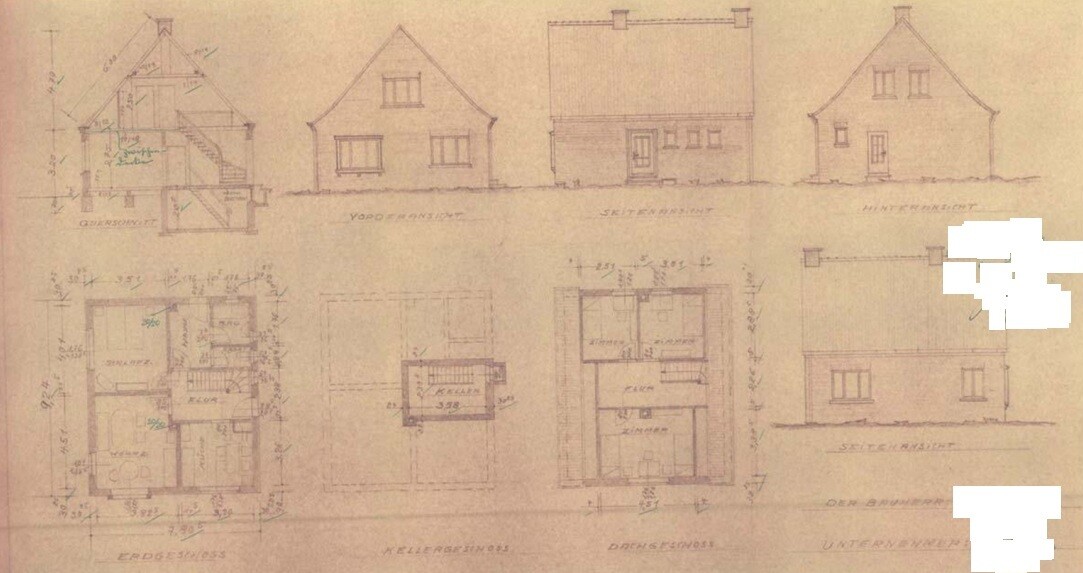
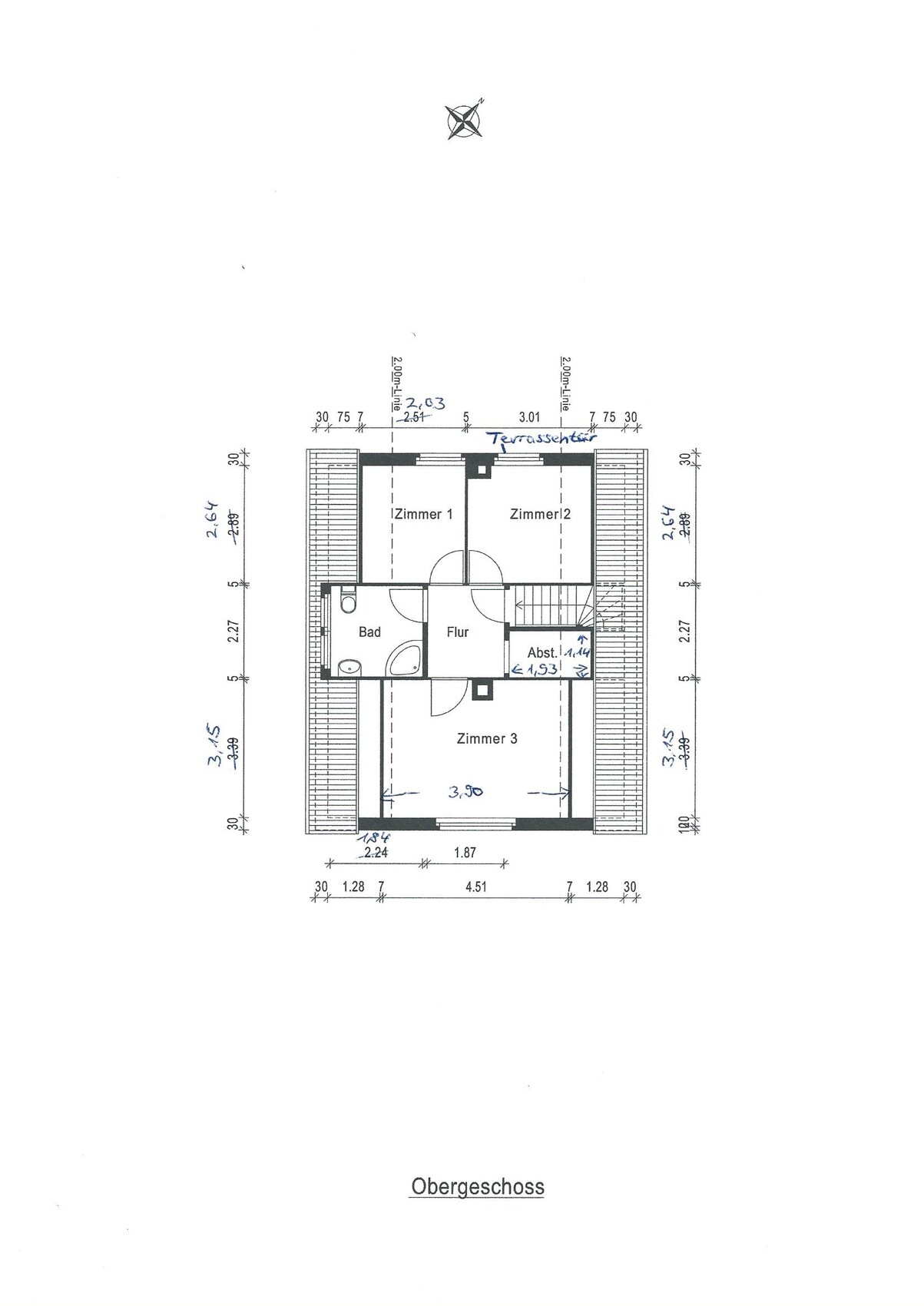
The dimensions on the floor plans are not 100% accurate but should be sufficient for an overview and initial planning.
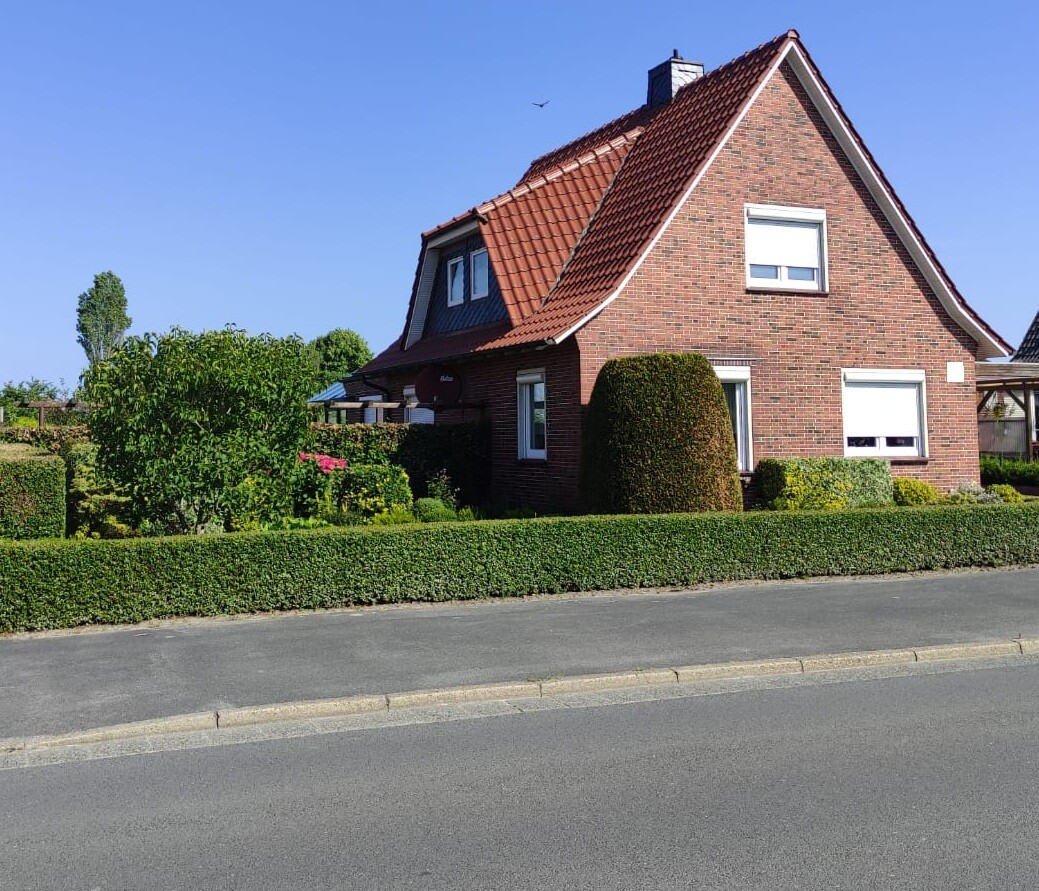
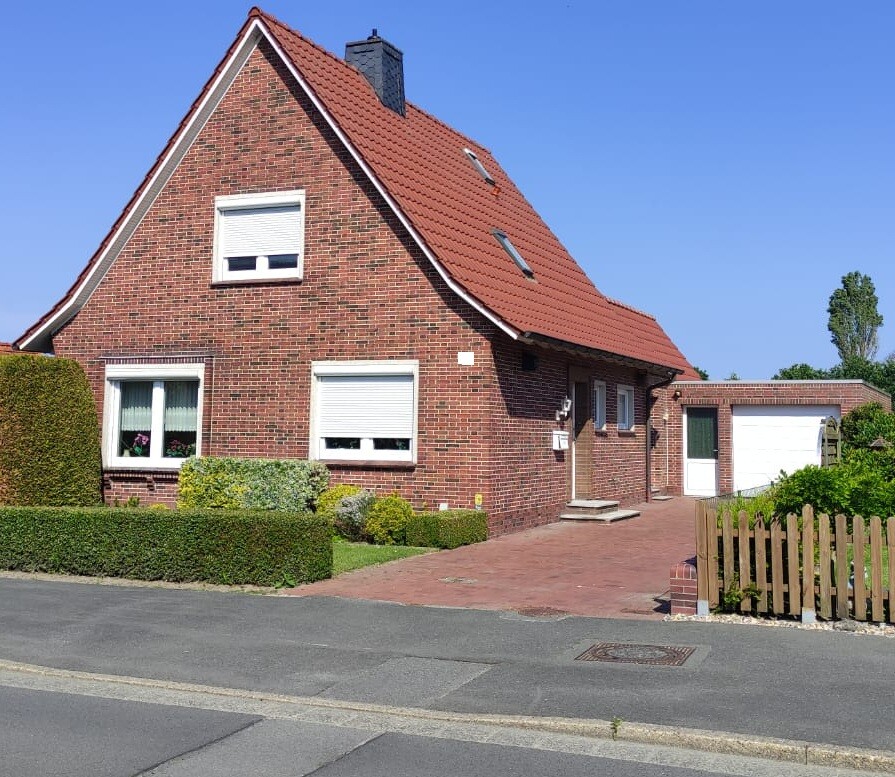
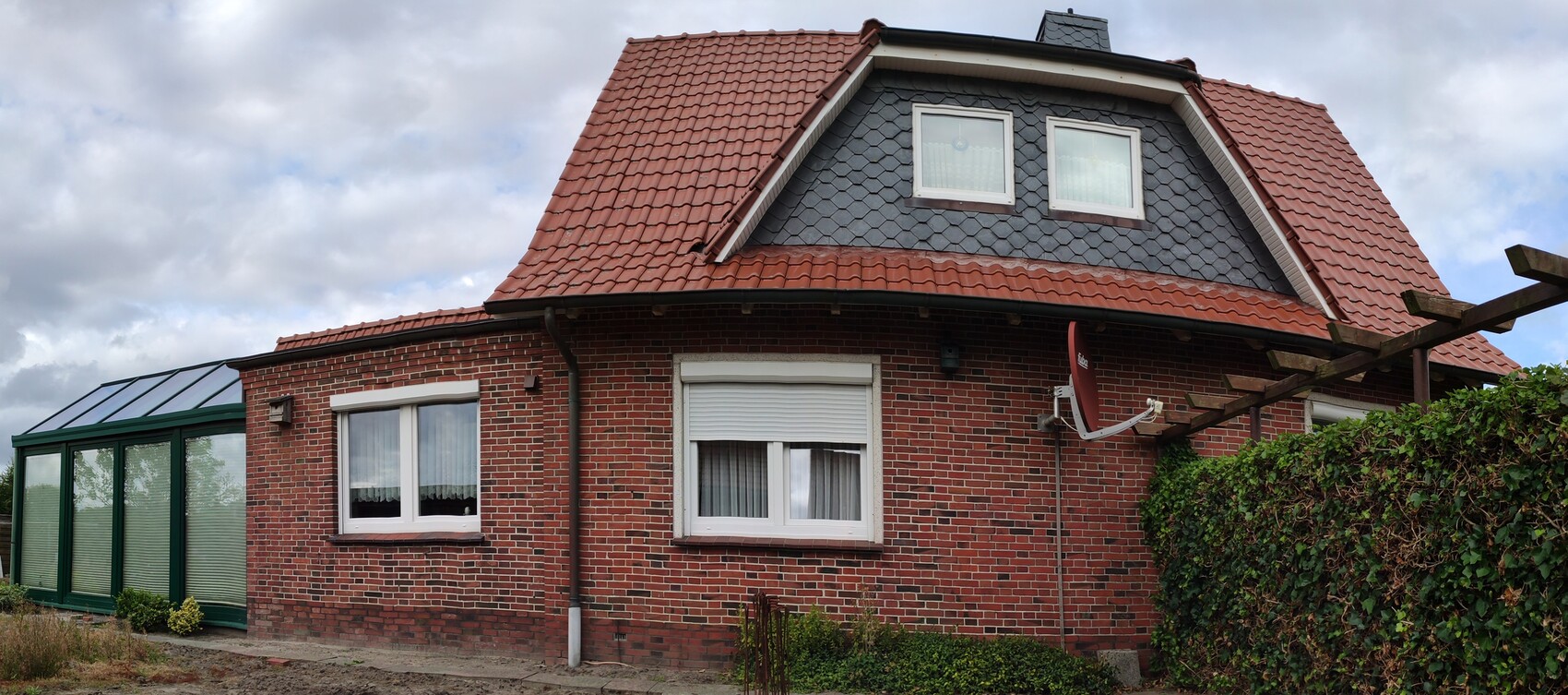
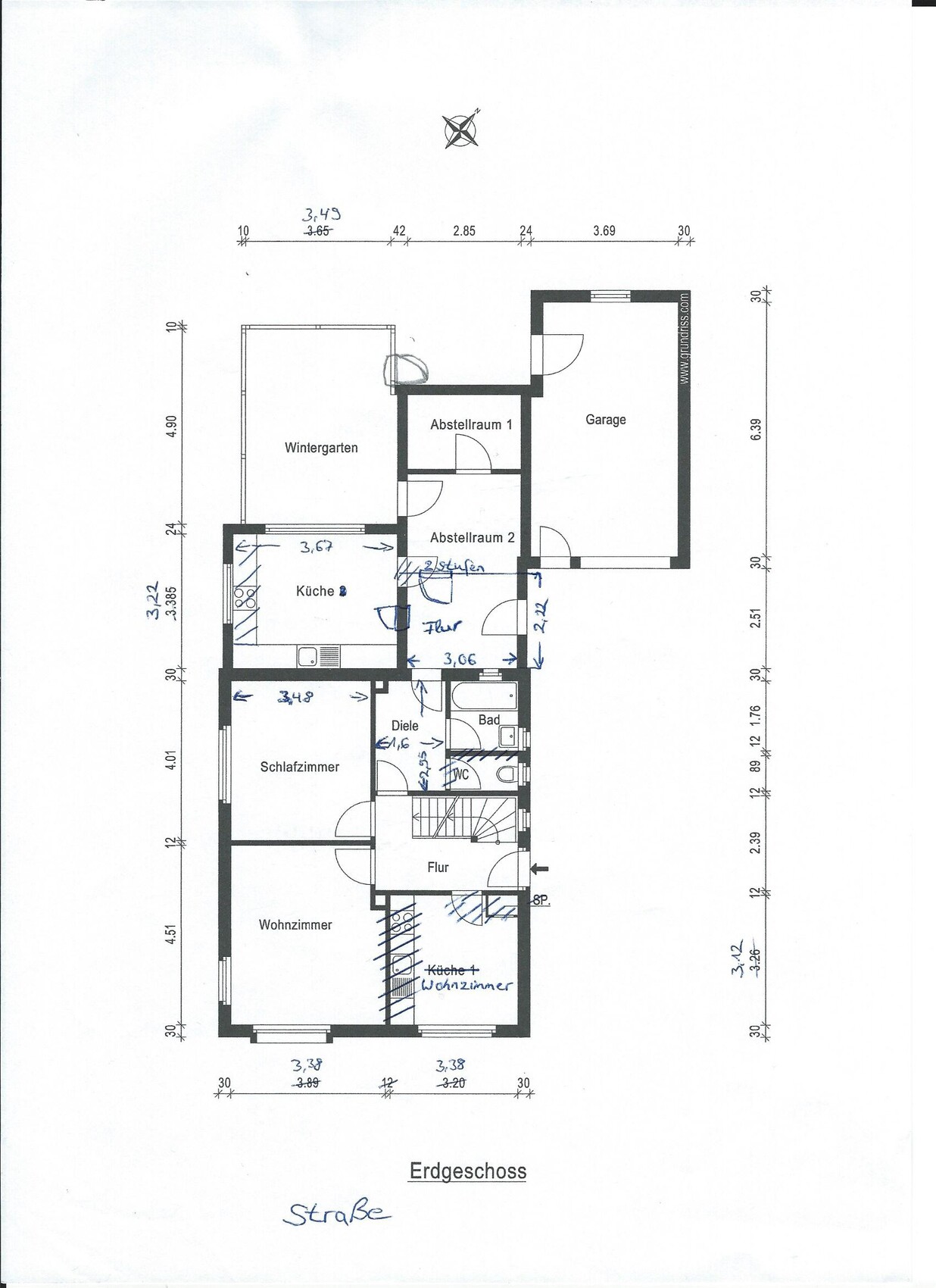
The property consists of several parts: the single-family house, attached to it is a flat-roof extension with kitchen and hallway, then a former shed with kitchen cabinets, a sink, and a pantry, as well as access to the conservatory. The garage is directly next to the former shed. The inner wall of the garage is also the wall of the shed and is probably load-bearing. (The garage has a concrete ceiling.) What is your rough estimate on whether it would even be possible to create a door from the garage to "Storage Room 2"?
- Currently, there are two entrances to the house from the driveway. One to the single-family house itself, one to the flat-roof extension.
- The ground floor floor is concrete (except the living room). Bathroom and conservatory each have underfloor heating.
My wishes/ideas:
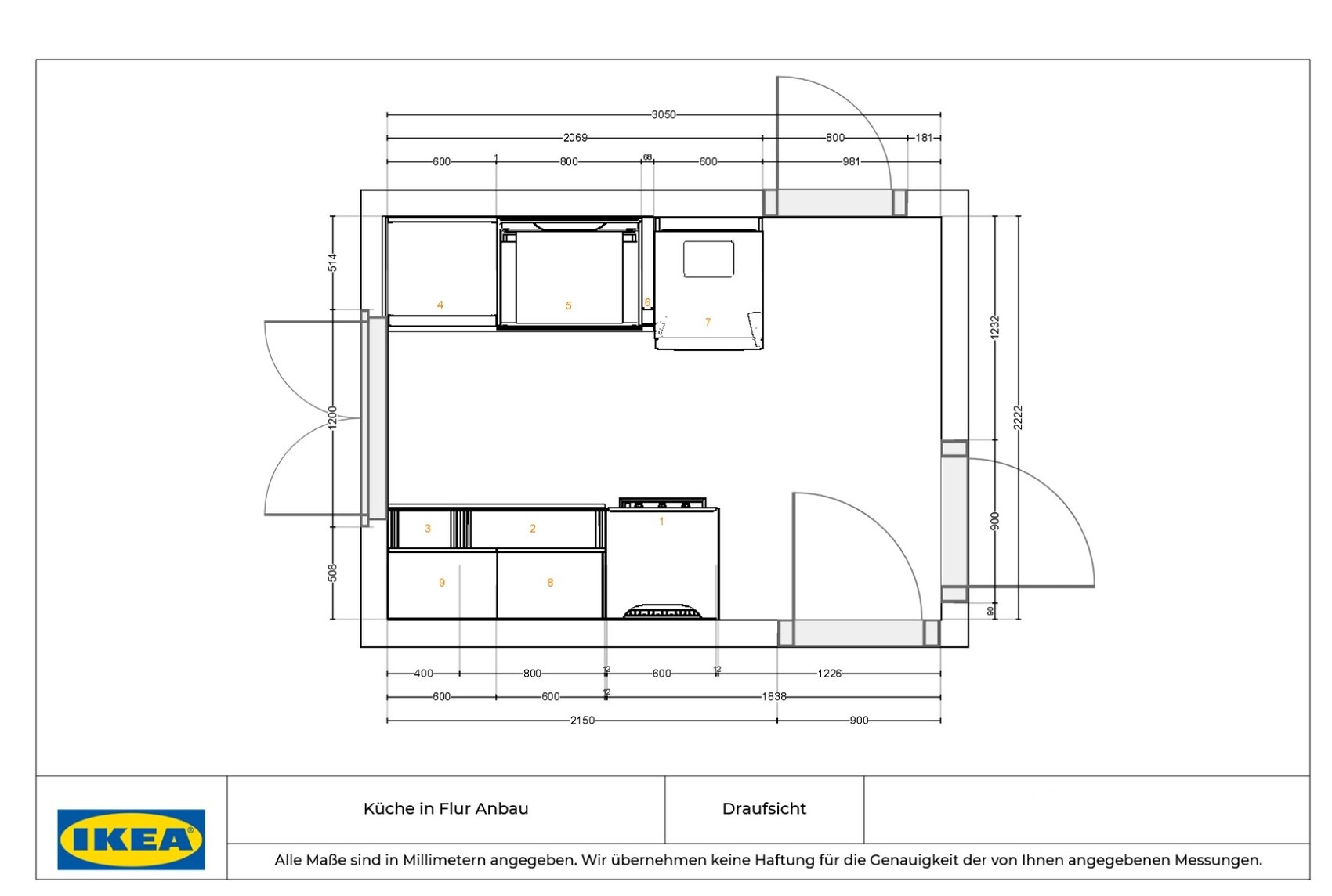
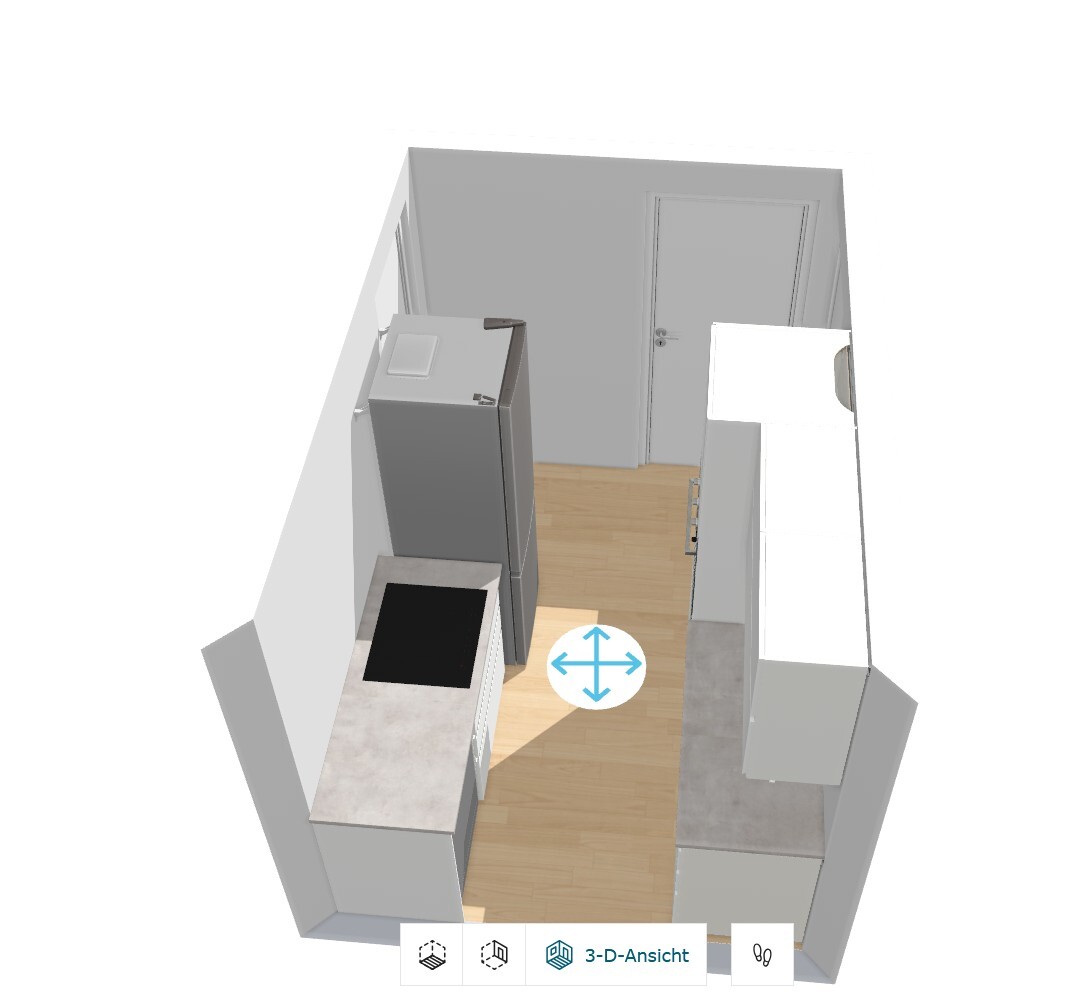
- Larger kitchen and/or dining area – for this, use the rear hallway as the kitchen and turn the current kitchen into a dining room? Replace the rear house entrance with a window and instead create a door from the garage into the former shed (marked as "Storage Room 2" on the floor plan)? Would the kitchen then be big enough? (The "Hallway" room in the extension is only about 3.05m (10 feet) wide and 2.20m (7 feet 3 inches) long. -> Kitchen just in the hallway room would be too small (see IKEA kitchen planner screenshot).
- There is a crawl space under the living room, which is planned to be replaced with a concrete floor in the future. (Possibly at the same time, extend the living room slightly with a small addition to make it more spacious? About 16 m² (172 sq ft) may still be built due to floor area ratio limits. Any opinions on this?)
- "Storage Room 1" should remain a pantry. "Storage Room 2" should be usable as a utility room.
What ideas do you have? What would you change in the existing floor plan and why?
The plan is for a household of 2-4 people.


I would like to tap into the collective knowledge here and exchange practical ideas for adjusting the room layout or the floor plan with the forum.
It concerns an older single-family house.
The dimensions on the floor plans are not 100% accurate but should be sufficient for an overview and initial planning.
The property consists of several parts: the single-family house, attached to it is a flat-roof extension with kitchen and hallway, then a former shed with kitchen cabinets, a sink, and a pantry, as well as access to the conservatory. The garage is directly next to the former shed. The inner wall of the garage is also the wall of the shed and is probably load-bearing. (The garage has a concrete ceiling.) What is your rough estimate on whether it would even be possible to create a door from the garage to "Storage Room 2"?
- Currently, there are two entrances to the house from the driveway. One to the single-family house itself, one to the flat-roof extension.
- The ground floor floor is concrete (except the living room). Bathroom and conservatory each have underfloor heating.
My wishes/ideas:
- Larger kitchen and/or dining area – for this, use the rear hallway as the kitchen and turn the current kitchen into a dining room? Replace the rear house entrance with a window and instead create a door from the garage into the former shed (marked as "Storage Room 2" on the floor plan)? Would the kitchen then be big enough? (The "Hallway" room in the extension is only about 3.05m (10 feet) wide and 2.20m (7 feet 3 inches) long. -> Kitchen just in the hallway room would be too small (see IKEA kitchen planner screenshot).
- There is a crawl space under the living room, which is planned to be replaced with a concrete floor in the future. (Possibly at the same time, extend the living room slightly with a small addition to make it more spacious? About 16 m² (172 sq ft) may still be built due to floor area ratio limits. Any opinions on this?)
- "Storage Room 1" should remain a pantry. "Storage Room 2" should be usable as a utility room.
What ideas do you have? What would you change in the existing floor plan and why?
The plan is for a household of 2-4 people.
Certainly, some changes might be possible. Load-bearing walls could theoretically be replaced by a beam.
But first the question: how are the other three rooms used, so that one is dealing with an important room, which, if done properly, might require somewhat more space than what would be planned for the rather secondary rooms?
But first the question: how are the other three rooms used, so that one is dealing with an important room, which, if done properly, might require somewhat more space than what would be planned for the rather secondary rooms?

Nida35a schrieb:
If some parts are unauthorized constructions, you will have problems with remodeling.How do you come to that assumption? The professional plans for the entire project are clearly visible, right?! They are not created just for fun.
First, it is of course necessary to check whether the existing building has been officially approved. In most cases, it is not fully approved—particularly extensions, conversions, expansions, etc., that may have occurred over decades, often lack proof of authorization. A construction measure is considered approved only when there is an official permit: a plan drawing with a green stamp and a reference number. Drawings without these features might be architect’s plans for proposed but not submitted projects. Without this official proof, the structures must be assumed to be unauthorized. Checking the archives of the local building authority can be helpful and can usually be requested by the property owner.
If permits are missing, this poses a problem. It may be possible to obtain retrospective approval; however, it must first be verified whether the unapproved structures would have been generally eligible for approval. If not, no retrospective building permit will be granted. There is no legal protection for such unapproved constructions. If they would have been eligible, a new building application must be submitted under the current regional building regulations. This also includes submitting an updated structural engineering report.
It is best to consult an experienced architect regarding this initial situation. They can coordinate the next steps with the authorities and potentially develop a legally compliant special solution for your property. For your actual remodeling project, the architect will also be the right contact person. Such project planning, especially involving energy-efficient renovation, is a complex undertaking that cannot be handled adequately in a forum.
If permits are missing, this poses a problem. It may be possible to obtain retrospective approval; however, it must first be verified whether the unapproved structures would have been generally eligible for approval. If not, no retrospective building permit will be granted. There is no legal protection for such unapproved constructions. If they would have been eligible, a new building application must be submitted under the current regional building regulations. This also includes submitting an updated structural engineering report.
It is best to consult an experienced architect regarding this initial situation. They can coordinate the next steps with the authorities and potentially develop a legally compliant special solution for your property. For your actual remodeling project, the architect will also be the right contact person. Such project planning, especially involving energy-efficient renovation, is a complex undertaking that cannot be handled adequately in a forum.
Regarding #3 and #5, I withdraw my statements about #2 and #4 and would first like to ask whether you can actually afford the property. Definitely consult a mortgage broker first and have them calculate the financing, including renovations to meet today’s energy standards. You can assume that you are not fully aware of the responsibilities involved over the next 30 years.
It is also reasonable to assume that, without biochemical evidence, there is mold in the basement.
Without a full exposure of the affected area, I would also assume a leakage in the basement, since the opposite has not been proven.
Oh, that wasn’t even asked? I know. It’s just meant as a caution. You have to use common sense and assume that the property—or rather the extension—was built without a permit, if you naively ask what the floor plan can actually accommodate 😉
It is also reasonable to assume that, without biochemical evidence, there is mold in the basement.
Without a full exposure of the affected area, I would also assume a leakage in the basement, since the opposite has not been proven.
Oh, that wasn’t even asked? I know. It’s just meant as a caution. You have to use common sense and assume that the property—or rather the extension—was built without a permit, if you naively ask what the floor plan can actually accommodate 😉
Similar topics