
Good morning,
we have a house from 1971 with ETICS (external thermal insulation composite system) – 5 cm (2 inches) insulation.
Our roof is a flat roof, which was renovated this year.
We would also like to renovate our facade at some point. I have read that doing so would require us to upgrade the insulation according to the Building Energy Act.
This would obviously mean considerable additional work, for example because the parapet, etc., would need to be renewed – it was installed on top of the 5 cm (2 inches) insulation.
Now, there is apparently the possibility to be exempted due to economic infeasibility in order to only renew the plaster, for example.
What are the chances of this? What is the best way to approach it?
It cannot be that you can renew the plaster for maybe around 10,000 euros but are then required by the Building Energy Act to insulate and pay three times as much including all related work – that cannot be financially reasonable! Are costs caused by additional work, such as renewing the parapet, included in the calculation of economic feasibility?
Best regards!
we have a house from 1971 with ETICS (external thermal insulation composite system) – 5 cm (2 inches) insulation.
Our roof is a flat roof, which was renovated this year.
We would also like to renovate our facade at some point. I have read that doing so would require us to upgrade the insulation according to the Building Energy Act.
This would obviously mean considerable additional work, for example because the parapet, etc., would need to be renewed – it was installed on top of the 5 cm (2 inches) insulation.
Now, there is apparently the possibility to be exempted due to economic infeasibility in order to only renew the plaster, for example.
What are the chances of this? What is the best way to approach it?
It cannot be that you can renew the plaster for maybe around 10,000 euros but are then required by the Building Energy Act to insulate and pay three times as much including all related work – that cannot be financially reasonable! Are costs caused by additional work, such as renewing the parapet, included in the calculation of economic feasibility?
Best regards!
guckuck2 schrieb:
With 14cm (5.5 inches) EPS 035, you get 0.24 W/m²K, which is the limit, as another user mentioned.
With 14cm (5.5 inches) EPS 032, it’s even 0.22 W/m²K.
This only considers the insulation layer and not the (unknown) masonry or a possible insulating plaster.
It’s really very close. Actually, with the parapet, you want to allow for a 2-3cm (1 inch) overhang so that water drips off instead of running down the facade.
What would be the most cost-effective option in your case will be calculated by the energy consultant. Is there material with fewer centimeters but for example EPS 023? We also used that on the roof. Then 2-3 cm (1 inch) less should be enough, right?
Okay, what could happen in the worst case? That the parapet has to be extended? Would that be a major cost factor? It’s a semi-detached house with 87 m² (936 ft²) roof area.
basti009 schrieb:
Is there also material with fewer centimeters but with, for example, 0.023 W/mK? We used that on the roof as well. So, wouldn’t 2-3 cm less be sufficient?
Okay, what could happen in the worst case?
Would the parapet need to be extended? Would that be a major cost factor? Semi-detached house with 87 sqm (936 sq ft) roof area... Yes, there is better material available. PIR has a thermal conductivity of 0.023 W/mK. This allows for a thinner layer, or you can apply a thin layer of PIR with EPS on top, depending on how much you need to meet the target value. PIR is noticeably more expensive than EPS, and if it requires double the labor, those costs can add up. Maybe the energy consultant will suggest something entirely different. There are many options.
Regarding the parapet... I’m not a roofer 🙂 I would estimate costs in the range of 3,000–5,000 euros (about 3,200–5,300 USD). The downspouts might also need to be adjusted accordingly. Your roof was recently refurbished, so you should have an idea about the costs.
The rainwater runs down the facade instead of dripping off. At least, it doesn’t look nice visually.
Here are some pictures of my facade. Apart from the cracks, I think it still looks great, doesn’t it?
If I plan to only paint and do minor repairs to the facade until I retire, how should I proceed?
Just paint over it with crack-bridging paint?
Can I leave the cracks as they are for now?
Could the external thermal insulation composite system (ETICS) be damaged by the existing cracks? Specifically regarding moisture?
What happens if the plaster flakes off in some areas, especially around the cracks? Is it enough to just repair those spots?
My main concern is: What can I do now to keep the facade in good condition without an expensive renovation?
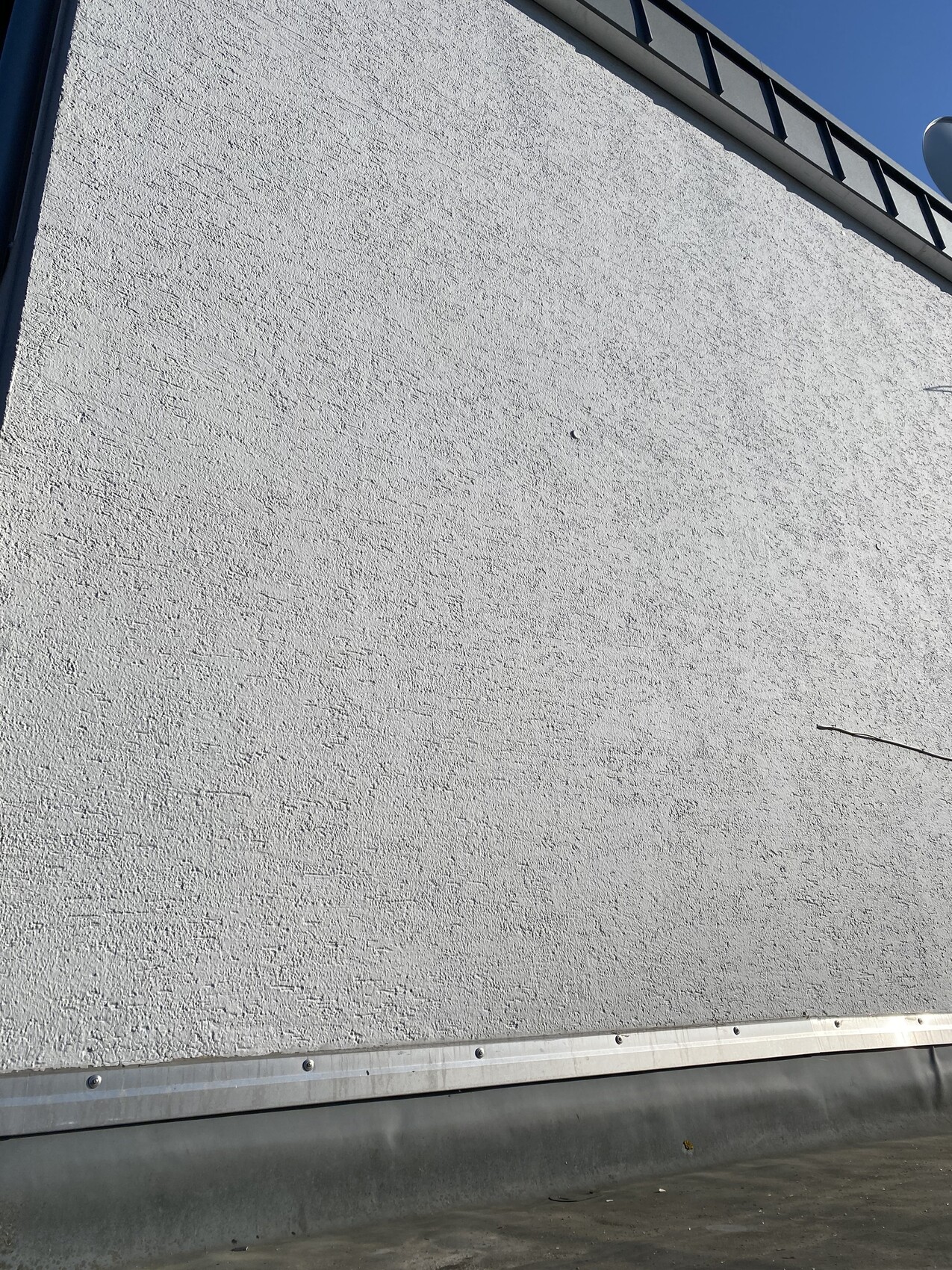
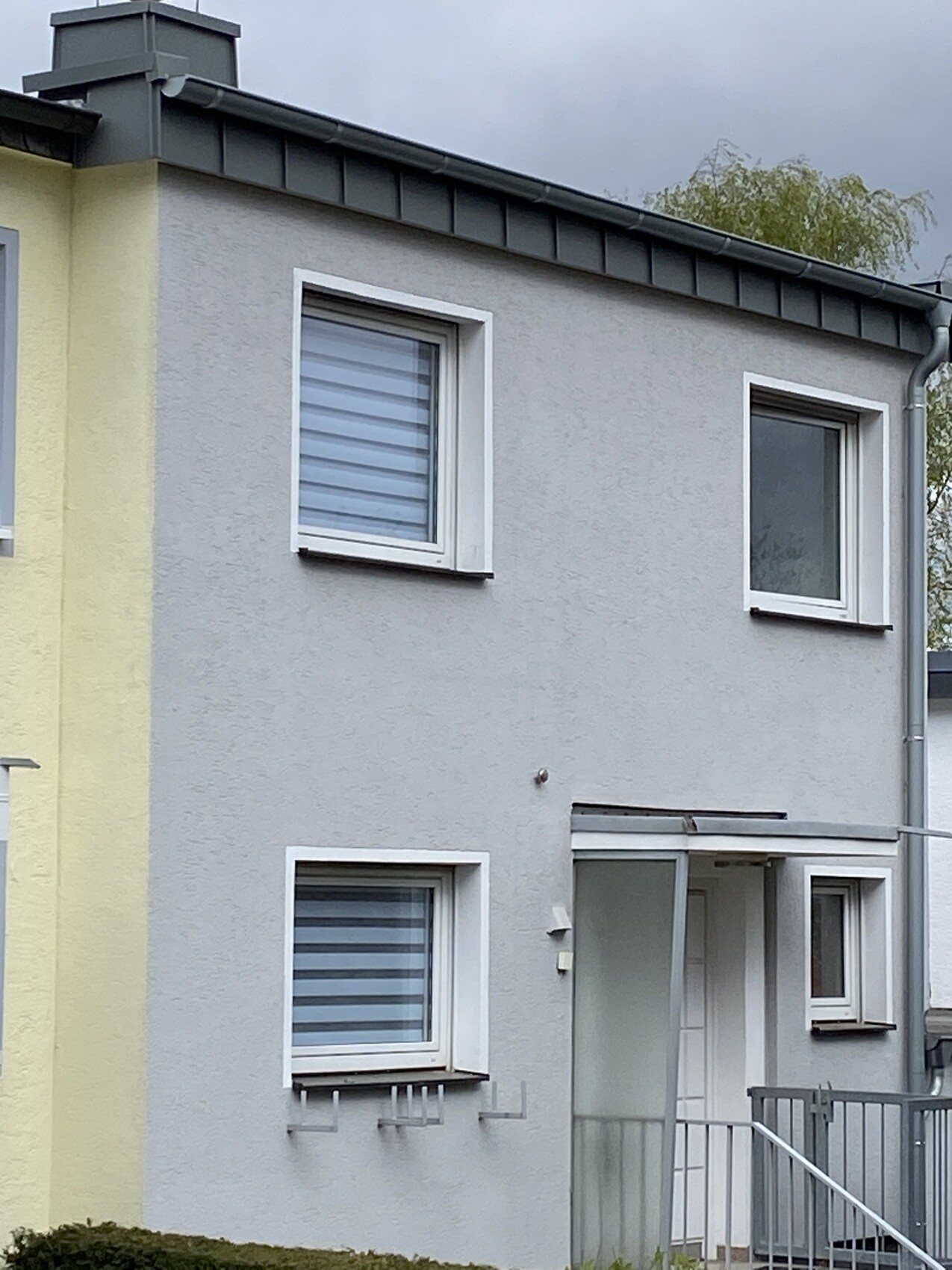
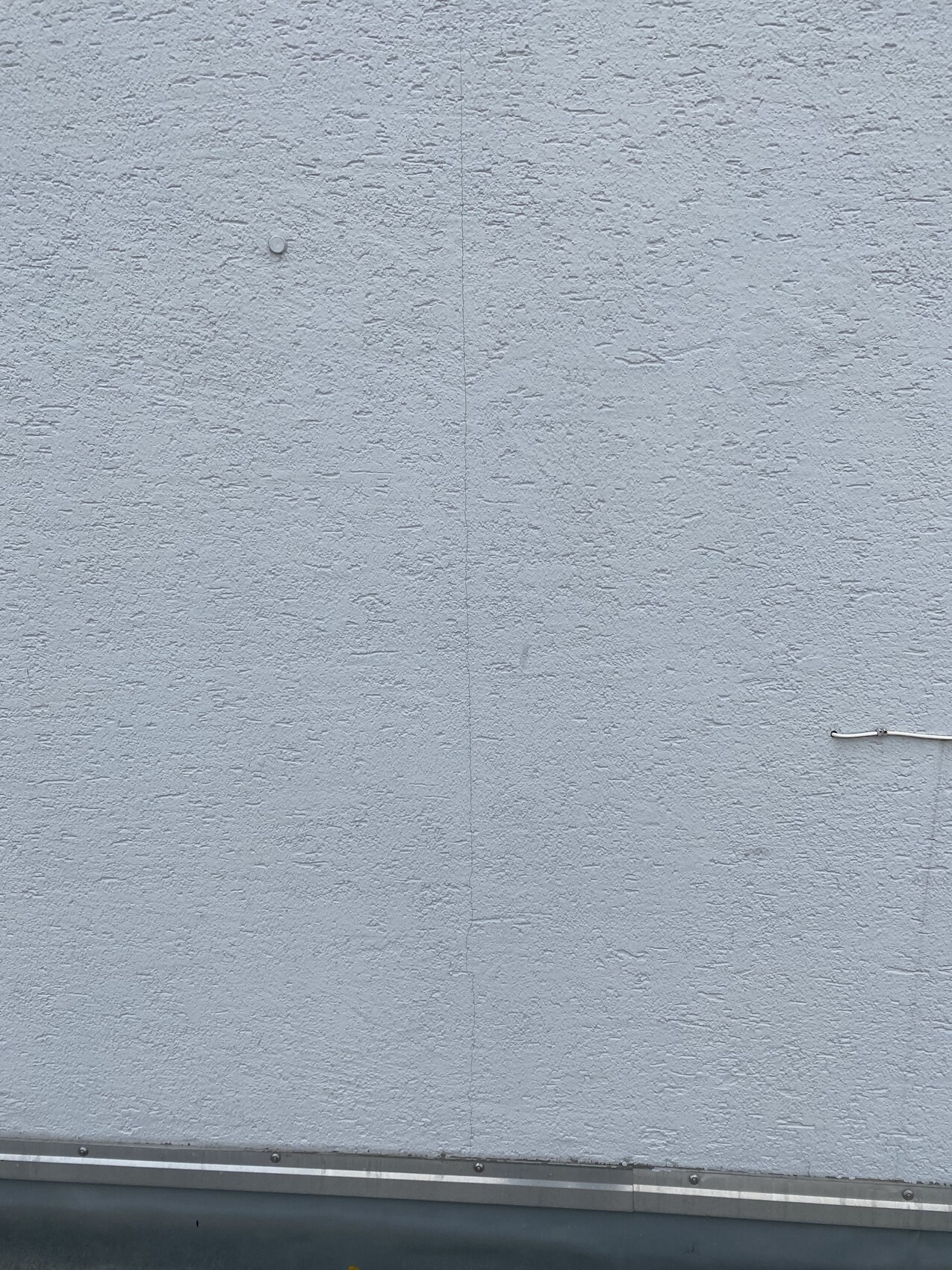
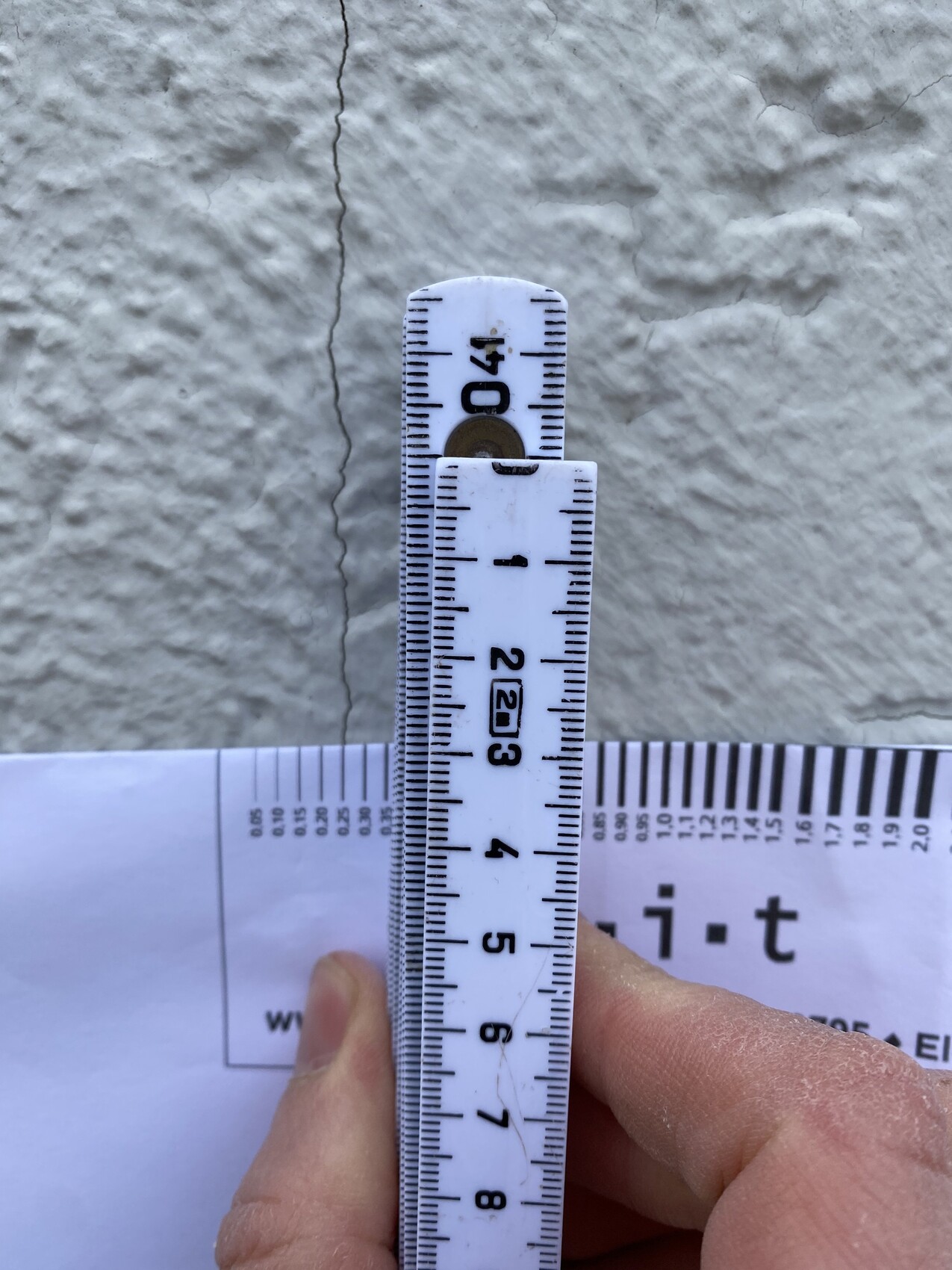
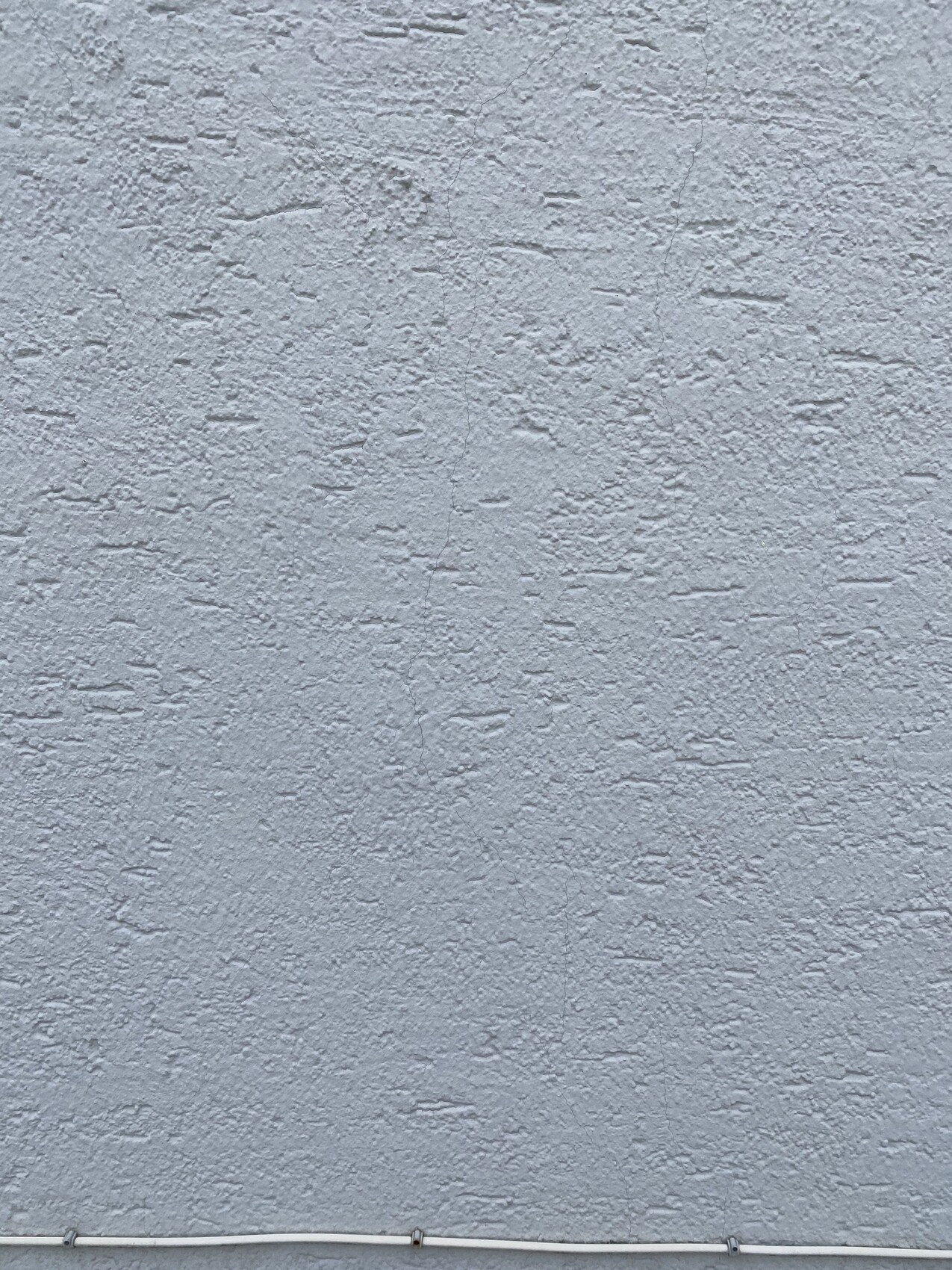
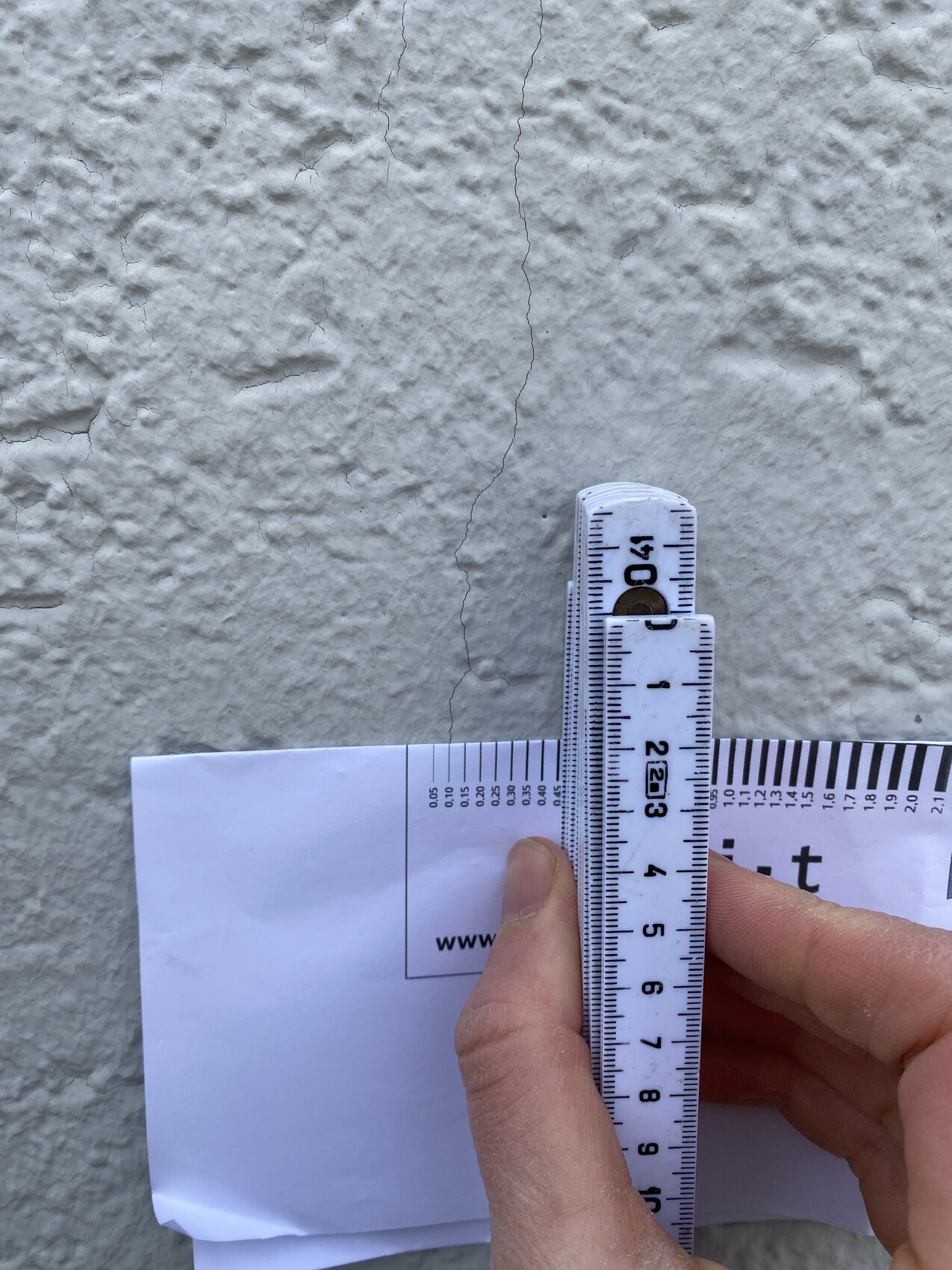
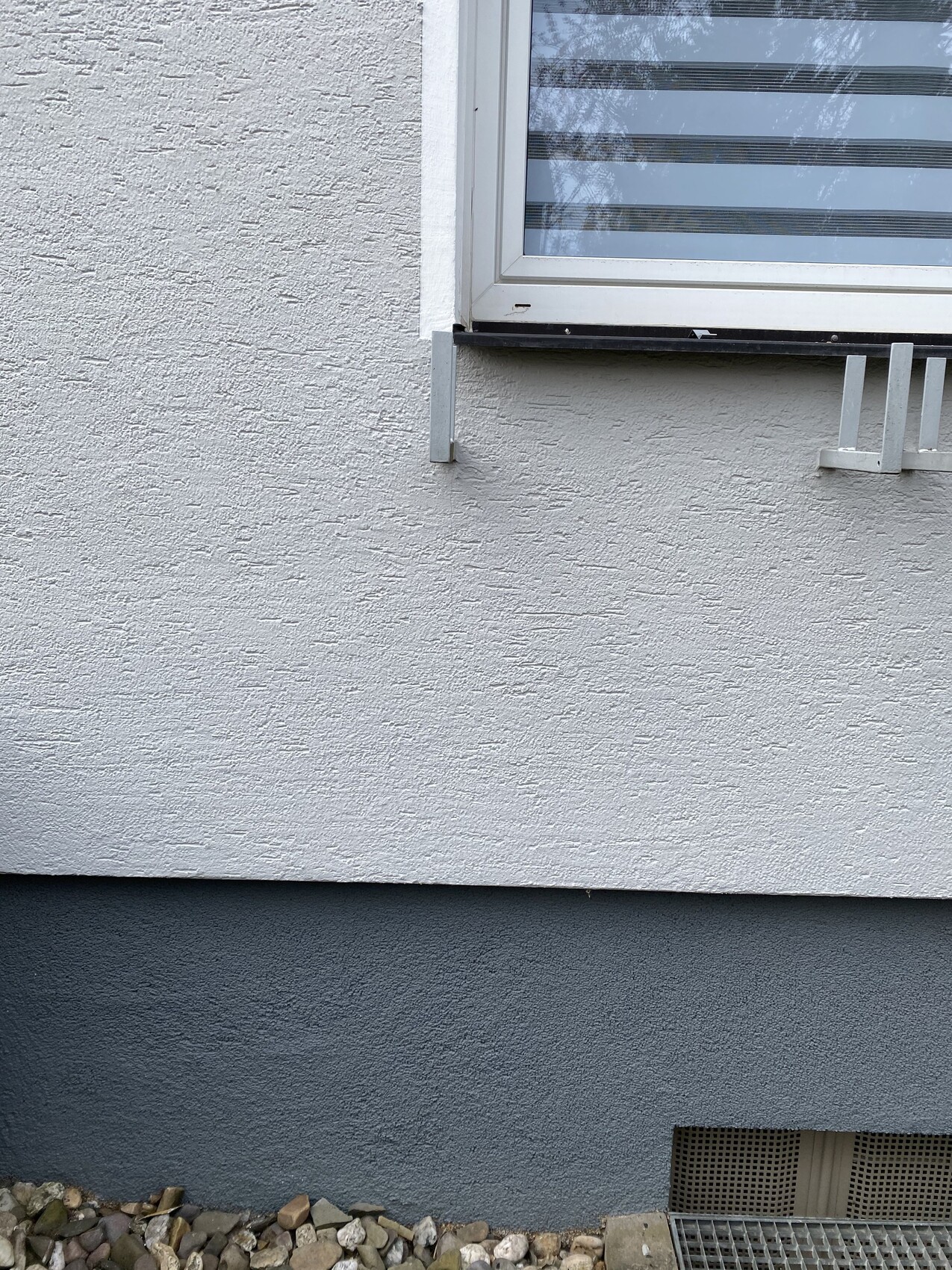
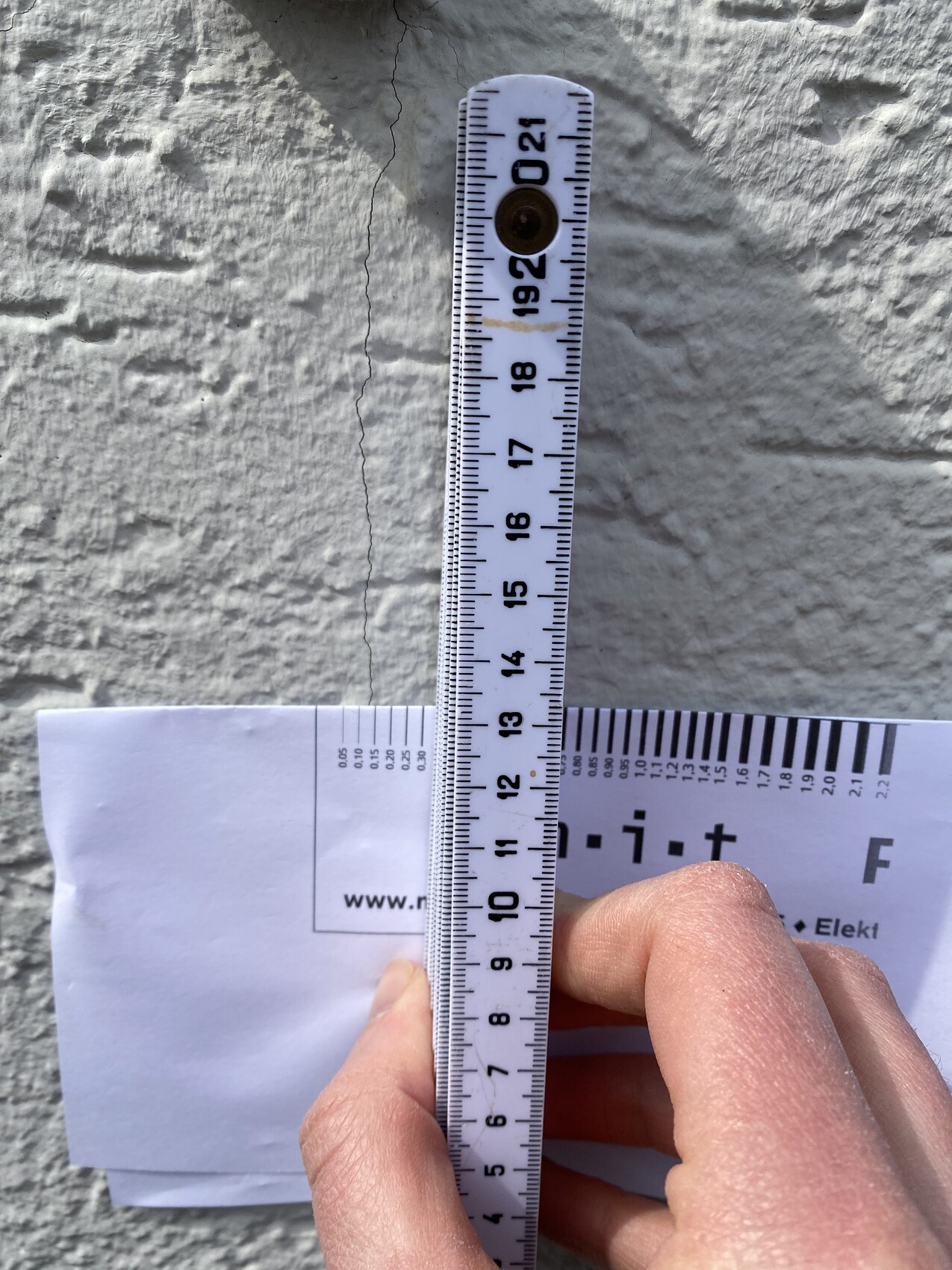
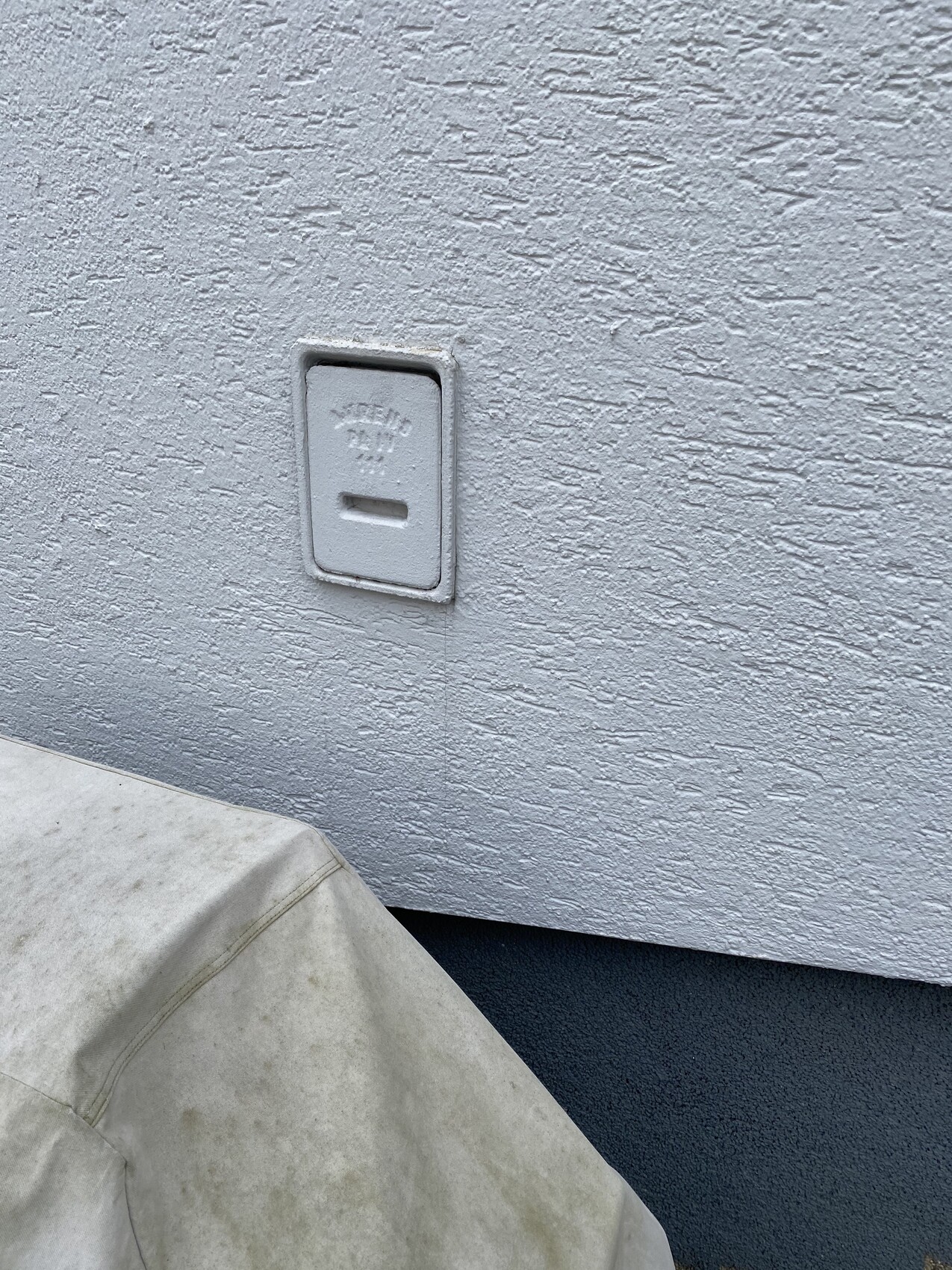
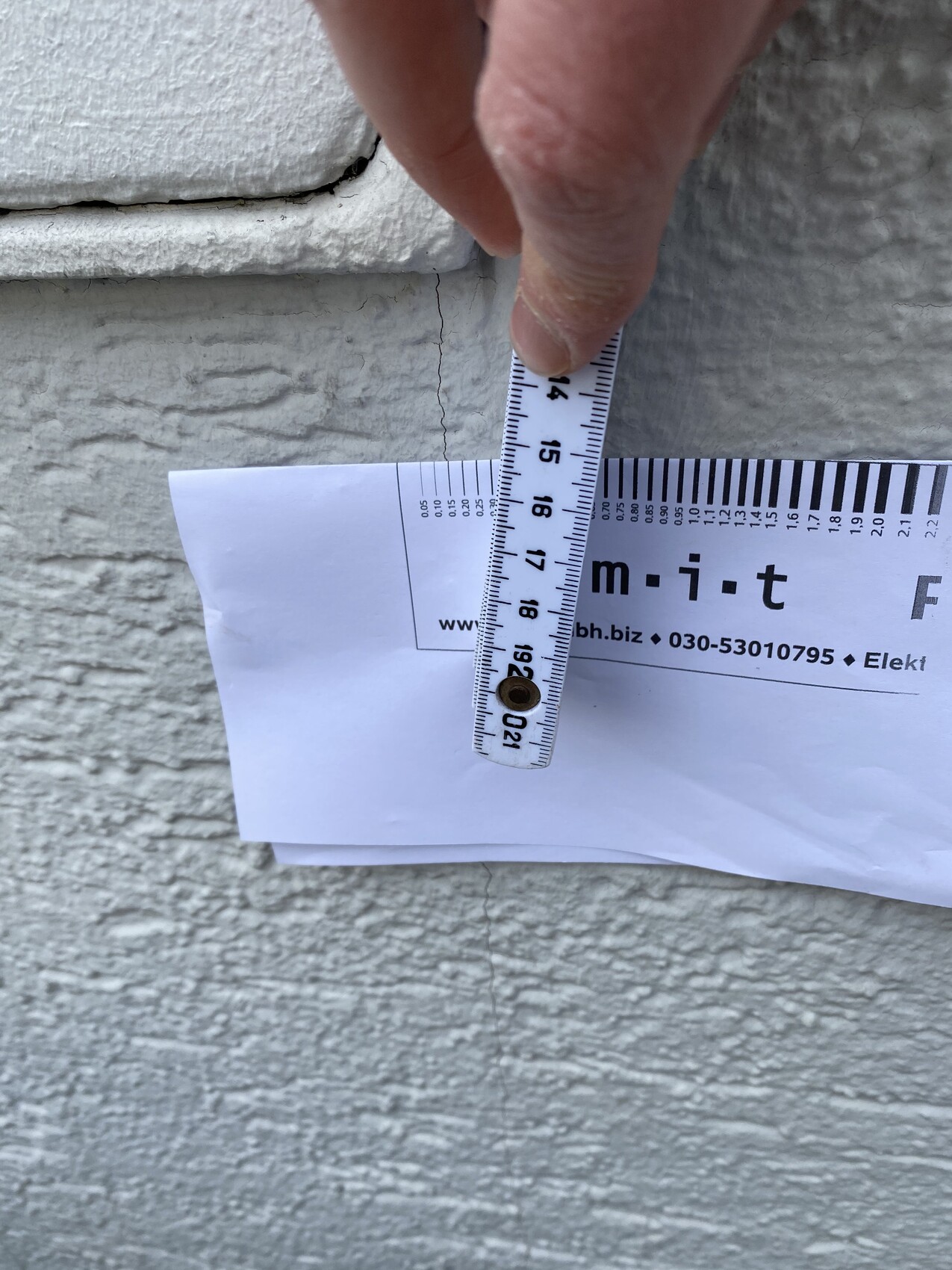
If I plan to only paint and do minor repairs to the facade until I retire, how should I proceed?
Just paint over it with crack-bridging paint?
Can I leave the cracks as they are for now?
Could the external thermal insulation composite system (ETICS) be damaged by the existing cracks? Specifically regarding moisture?
What happens if the plaster flakes off in some areas, especially around the cracks? Is it enough to just repair those spots?
My main concern is: What can I do now to keep the facade in good condition without an expensive renovation?
N
nordanney20 May 2021 11:51basti009 schrieb:
Just painting with crack-bridging paint?That’s possible. basti009 schrieb:
Can I leave the cracks as they are for now?
Can the ETICS be damaged by the existing cracks? In terms of moisture, for example? A clear maybe. Only plaster cracks in the topcoat? Then you can leave them as is. If the cracks go all the way through to the ETICS, you already have a moisture problem. basti009 schrieb:
What happens if the plaster flakes off at some points, especially around the cracks? Is it enough to just repair those spots? Yes. basti009 schrieb:
My question is: what can I do now to keep the facade as is without expensive renovation? Superficial cracks = do nothing or just paint over (for appearance). Deep cracks = get a painter/plasterer who can offer a solution (partial repair).
nordanney schrieb:
It’s possible.
A clear yes and no. If there are only cracks in the topcoat plaster, you can leave it as is. But if the cracks go all the way through to the ETICS (external thermal insulation composite system), you already have a moisture problem.
Yes.
Surface cracks = do nothing or just repaint (cosmetic)
Deep cracks = call a painter/plasterer who can offer a solution (partial repair)How can I check whether the cracks reach the ETICS?
If they do and moisture has already penetrated, is it enough to remove the plaster around the crack and re-plaster? Or is the ETICS damaged then?
And if so, can the ETICS be repaired locally at that spot, or would the entire facade need renovation?
Similar topics