
Hello everyone,
we are rebuilding an old garden shed in our yard. The roof was renewed with OSB boards, and now EPDM membrane is to be laid over the OSB boards.
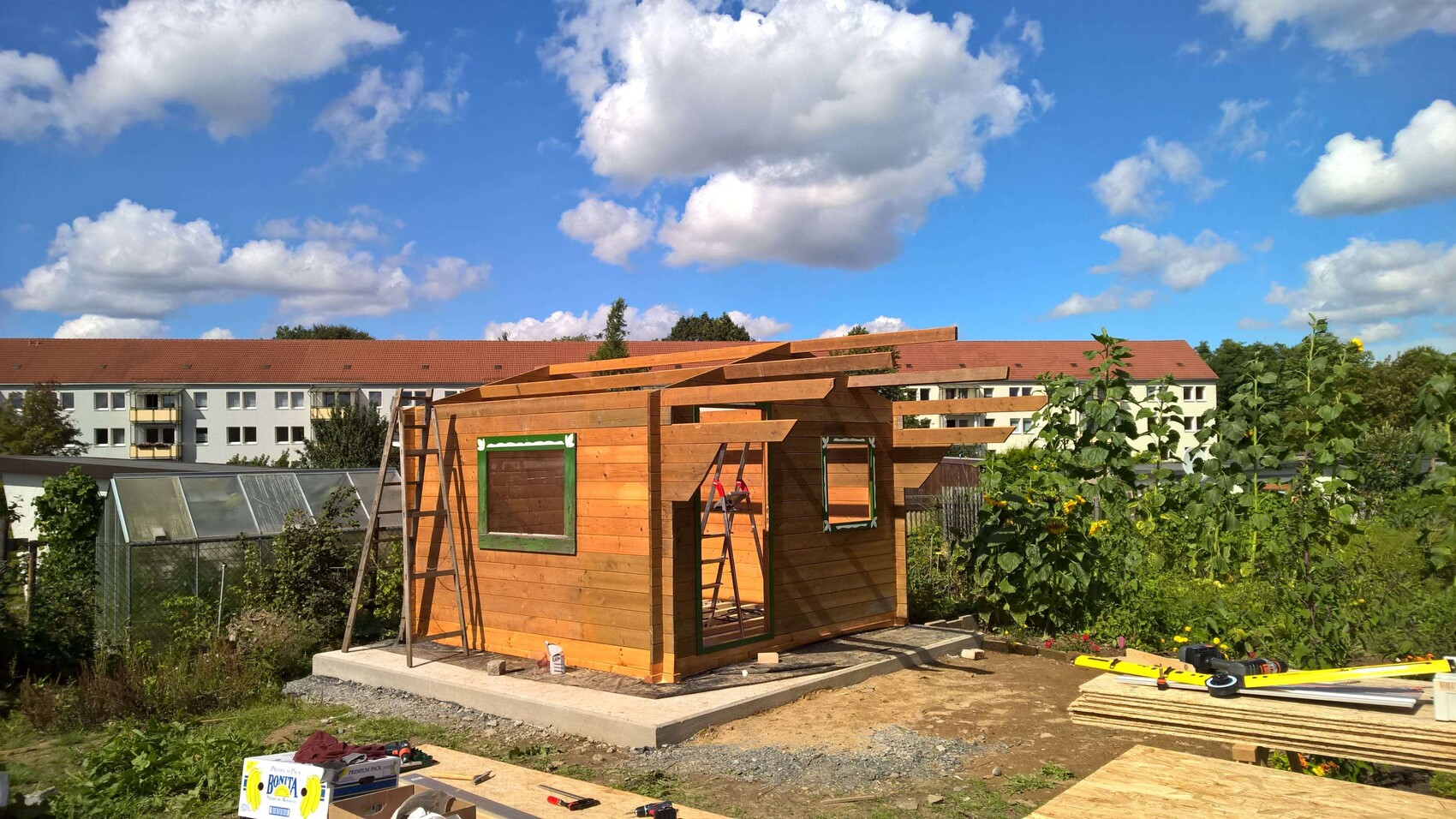
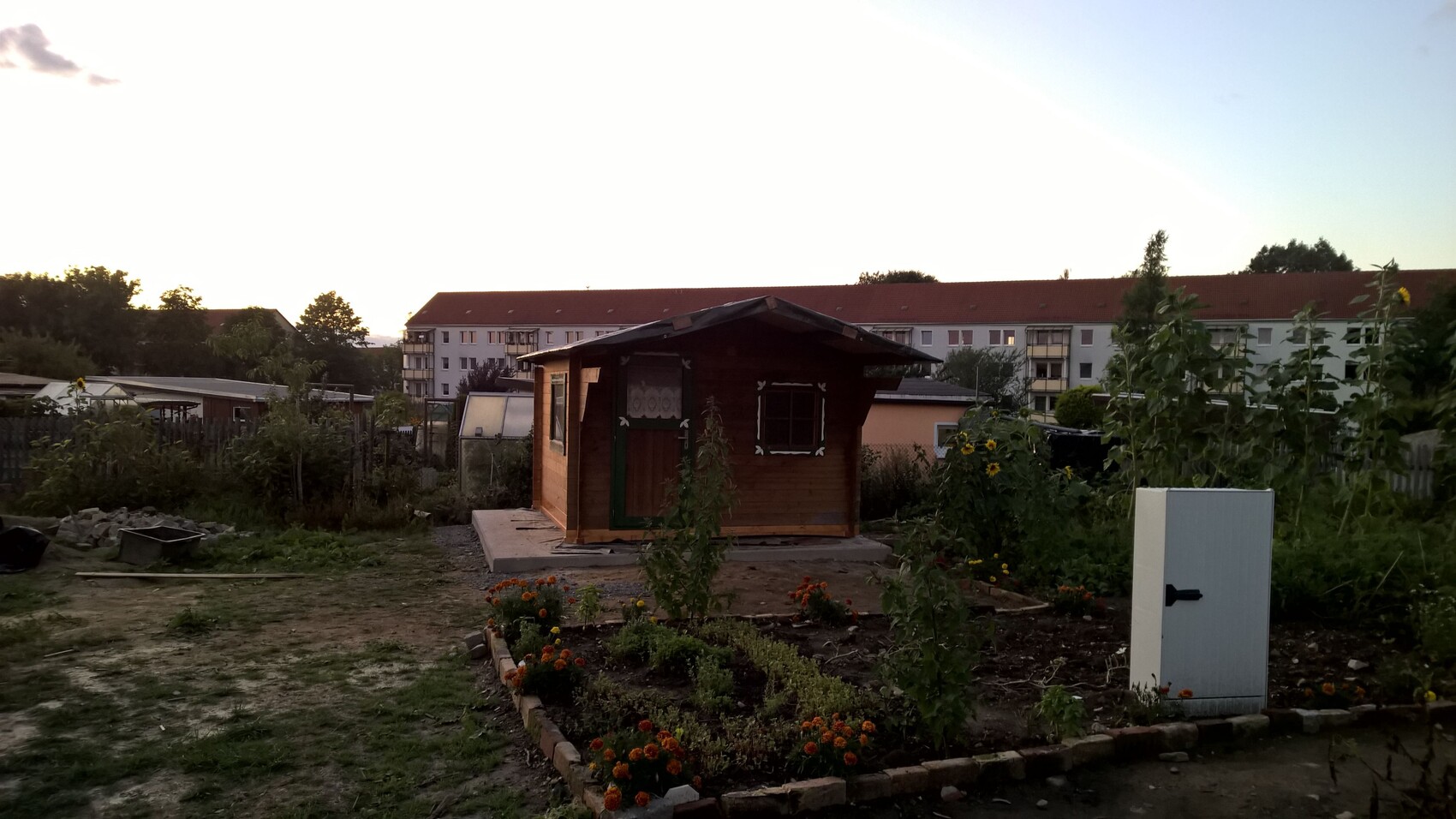
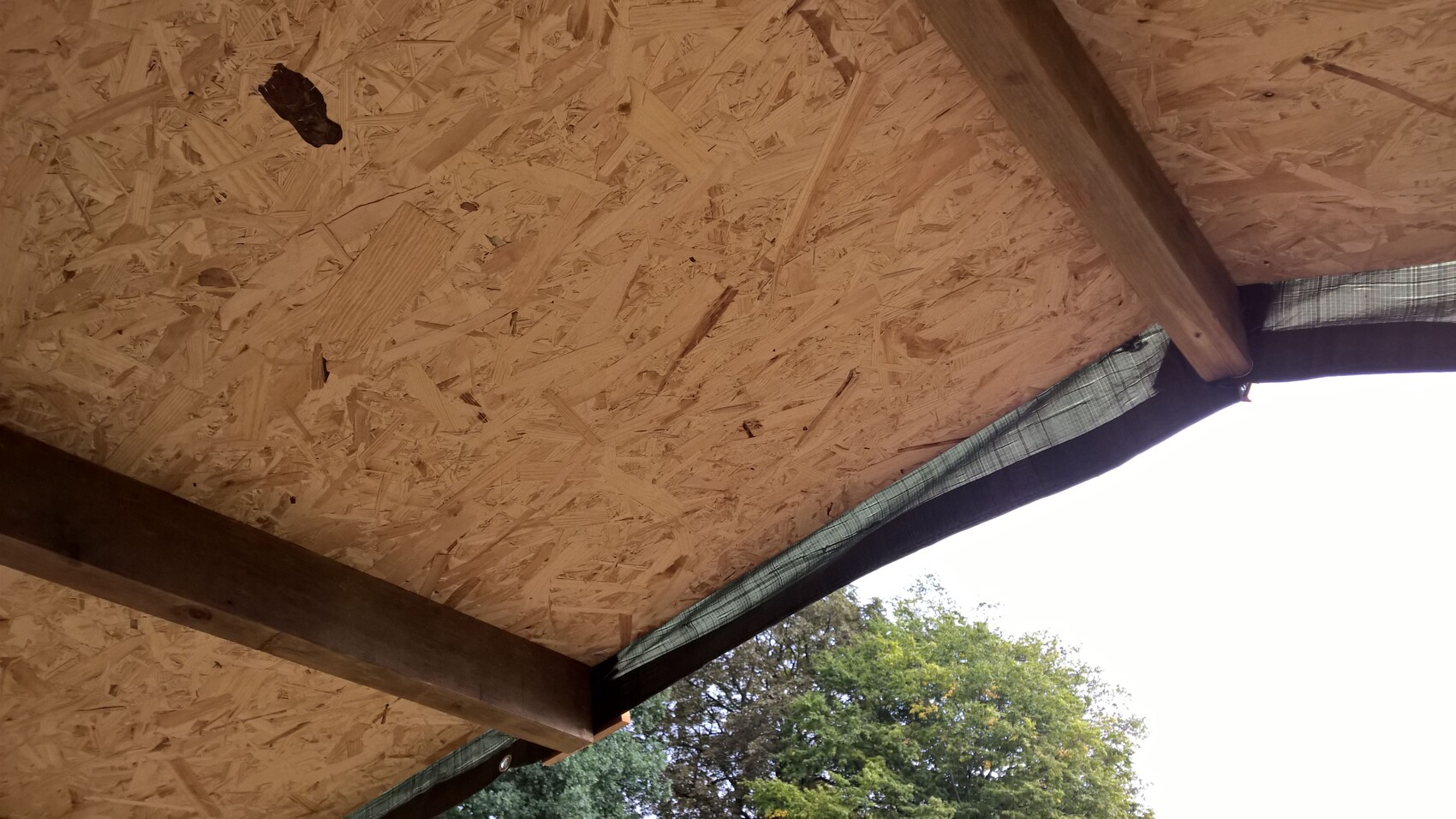
Now the question is about how to fasten the EPDM membrane. I contacted several companies and received different recommendations.
Option 1:
Lay a PE foil over the OSB boards, then the EPDM membrane on top. The EPDM membrane should be wrapped around the eaves and fastened/clamped on the backside of the eaves battens. Install the verge board, wrap the EPDM membrane around it and fasten it on the back of the board with a batten.
Option 2:
Glue the EPDM membrane directly onto the OSB boards.
My thoughts are as follows:
The advantage of option 1 is avoiding the relatively expensive adhesive. Also, the EPDM membrane can be reused if the shed is dismantled.
However, the EPDM membrane can move in relation to the OSB boards and rub against them. Could this cause premature tearing or wear of the EPDM membrane?
Option 2 seems more durable. However, I have read and heard that OSB boards tend to “move” quite a bit, so gluing OSB boards and EPDM membrane might not be advisable.
How would you recommend fastening the membrane?
Kind regards, pakett
we are rebuilding an old garden shed in our yard. The roof was renewed with OSB boards, and now EPDM membrane is to be laid over the OSB boards.
Now the question is about how to fasten the EPDM membrane. I contacted several companies and received different recommendations.
Option 1:
Lay a PE foil over the OSB boards, then the EPDM membrane on top. The EPDM membrane should be wrapped around the eaves and fastened/clamped on the backside of the eaves battens. Install the verge board, wrap the EPDM membrane around it and fasten it on the back of the board with a batten.
Option 2:
Glue the EPDM membrane directly onto the OSB boards.
My thoughts are as follows:
The advantage of option 1 is avoiding the relatively expensive adhesive. Also, the EPDM membrane can be reused if the shed is dismantled.
However, the EPDM membrane can move in relation to the OSB boards and rub against them. Could this cause premature tearing or wear of the EPDM membrane?
Option 2 seems more durable. However, I have read and heard that OSB boards tend to “move” quite a bit, so gluing OSB boards and EPDM membrane might not be advisable.
How would you recommend fastening the membrane?
Kind regards, pakett
On my garden shed, I used method 1, and on my garage, method 2... a mix of both.
On the garden shed, the membrane was simply laid over, then folded over and fastened from underneath.
On the garage, it was glued, then additionally folded over and secured with verge boards (mostly for aesthetic reasons).
I tend to prefer gluing for the following reason: Temperature fluctuations caused tension on the membrane (when not glued), then a hailstorm hit and completely damaged the tarp. When glued, the membrane stays securely on the roof and doesn’t lift easily, which helps to absorb the impact of the hail.
On the garden shed, the membrane was simply laid over, then folded over and fastened from underneath.
On the garage, it was glued, then additionally folded over and secured with verge boards (mostly for aesthetic reasons).
I tend to prefer gluing for the following reason: Temperature fluctuations caused tension on the membrane (when not glued), then a hailstorm hit and completely damaged the tarp. When glued, the membrane stays securely on the roof and doesn’t lift easily, which helps to absorb the impact of the hail.
Similar topics