
ᐅ Double or triple glazing for a building from 1981 with a cavity wall?
Created on: 12 Dec 2025 08:22
S
sanjo91Hello,
We have bought a nice house built in 1981. The ground floor still has the original, quite large, triple-glazed wooden casement windows from the construction year. We would like to replace most of these. Now the question is whether to go for double glazing with warm edge spacers or triple glazing. Our concern is that triple glazing might cause issues with dew point shifts or general moisture problems.
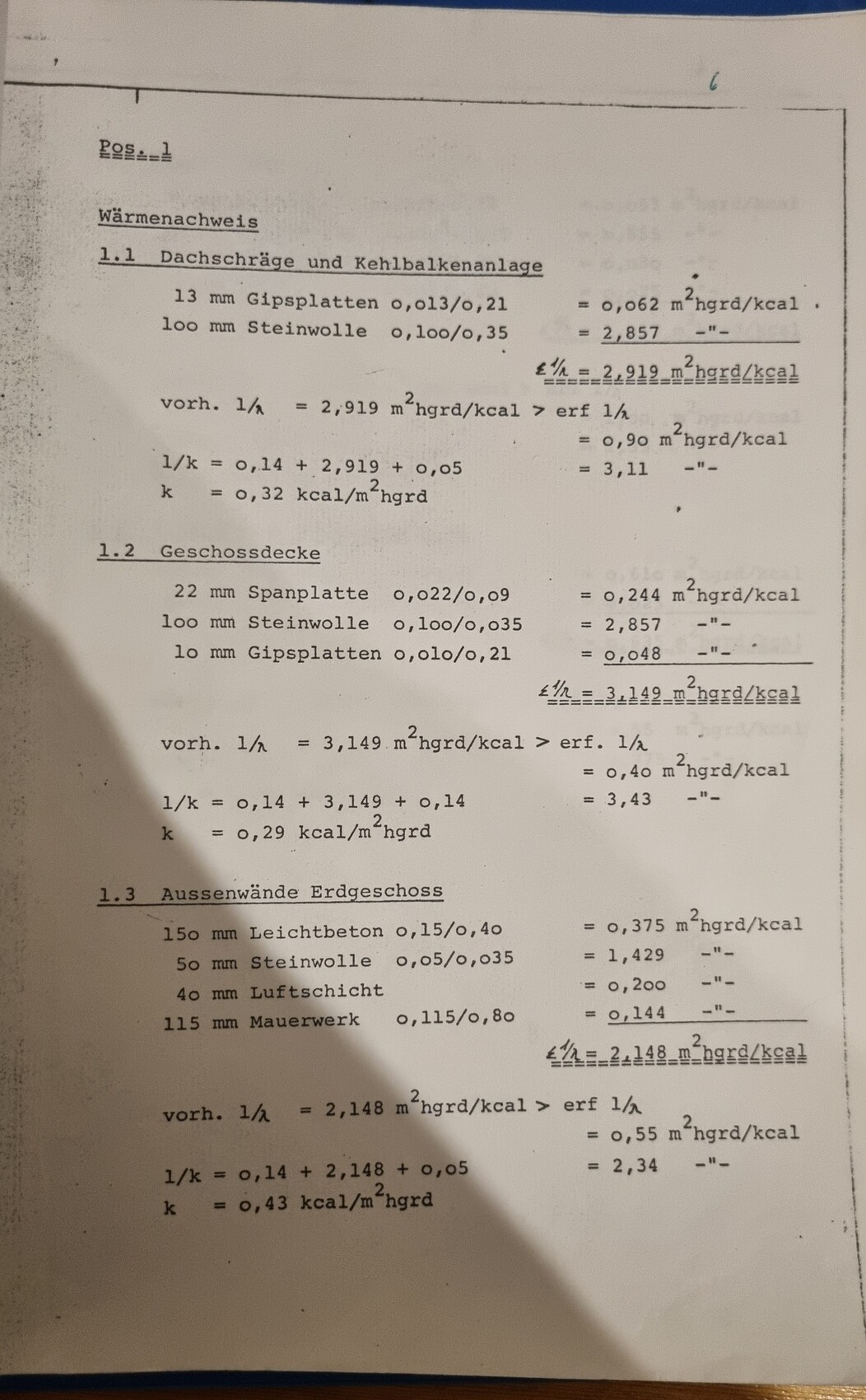
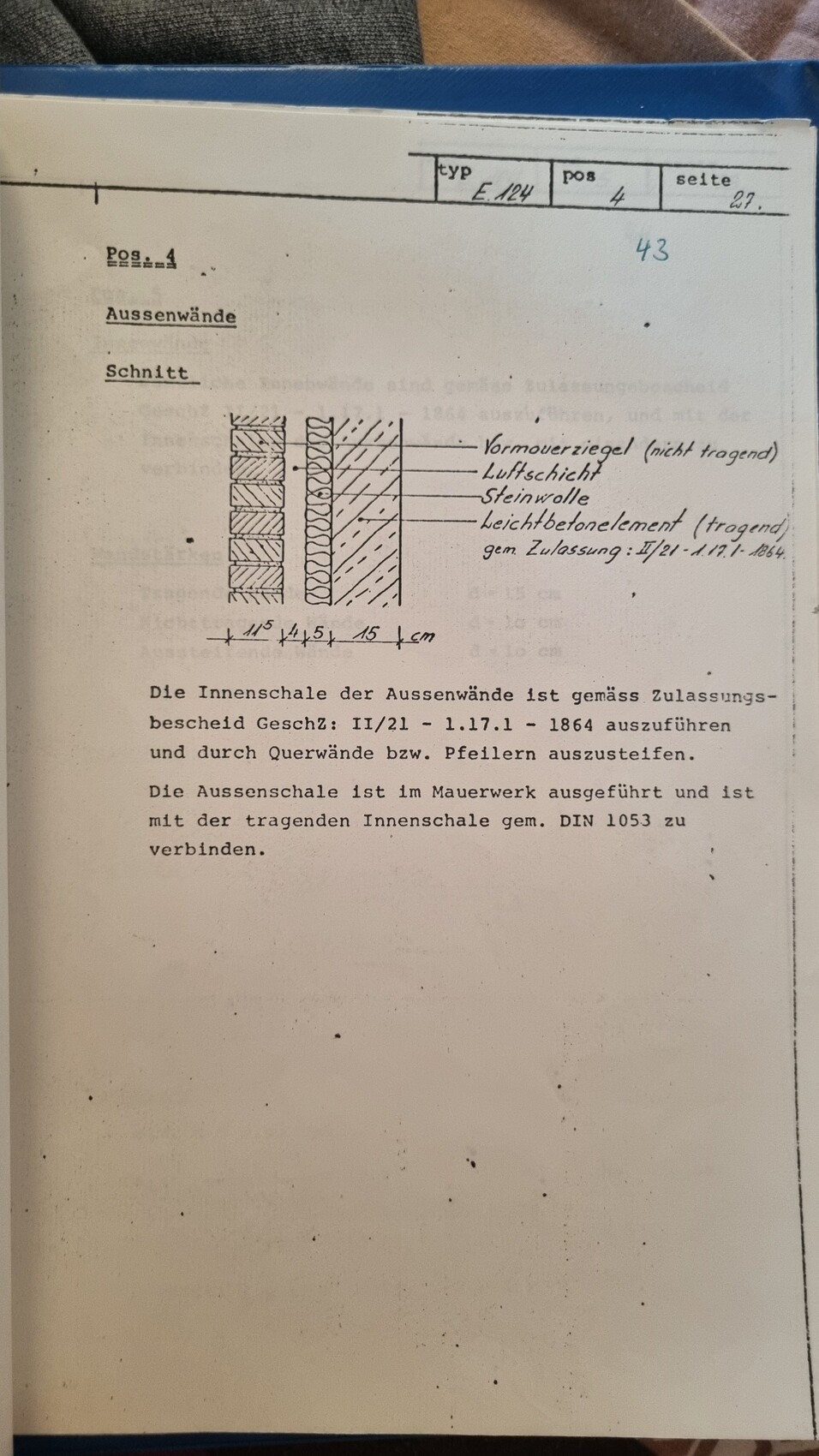
Attached are some details about the wall construction. It is a two-layer system with mineral wool insulation and an air cavity.
What do you think? I assume triple glazing should be possible with this type of wall construction, right?
Thank you very much for your support!
We have bought a nice house built in 1981. The ground floor still has the original, quite large, triple-glazed wooden casement windows from the construction year. We would like to replace most of these. Now the question is whether to go for double glazing with warm edge spacers or triple glazing. Our concern is that triple glazing might cause issues with dew point shifts or general moisture problems.
Attached are some details about the wall construction. It is a two-layer system with mineral wool insulation and an air cavity.
What do you think? I assume triple glazing should be possible with this type of wall construction, right?
Thank you very much for your support!
N
nordanney12 Dec 2025 09:14sanjo91 schrieb:
Now the question is whether to choose double glazing with warm edge spacers or triple glazing. Our concern is that with triple glazing we might face issues with dew point shifts or general moisture problems.The windows themselves don’t care about the wall construction. You don’t need to worry about that. The difference between double and triple glazing compared to the old windows is essentially the same in this regard. Both insulate much better and, assuming proper professional installation, are also much more airtight.
I would choose triple glazing without hesitation. BUT also make sure to plan a ventilation strategy (which is mandatory, not optional) and include cavity insulation in the reveals. This applies regardless of whether you end up choosing double or triple glazing.

Tilt windows have largely disappeared along with single glazing, partly due to weight considerations. It is a common misconception that the number of glass panes (more precisely: the number of air gaps between panes) or even the number of chambers makes a significant difference. A double-glazed unit (commonly called "double-pane") with one air gap can provide adequate insulation performance.
https://www.instagram.com/11antgmxde/
https://www.linkedin.com/company/bauen-jetzt/
https://www.instagram.com/11antgmxde/
https://www.linkedin.com/company/bauen-jetzt/
Similar topics