
ᐅ Does the structural builder need to paint the joint between the insulation (expanded polystyrene) and the brick wall black?
Created on: 5 Mar 2018 22:28
M
Marchonisch
Good evening
Today, we had a plasterer visit who is supposed to do the exterior rendering for us.
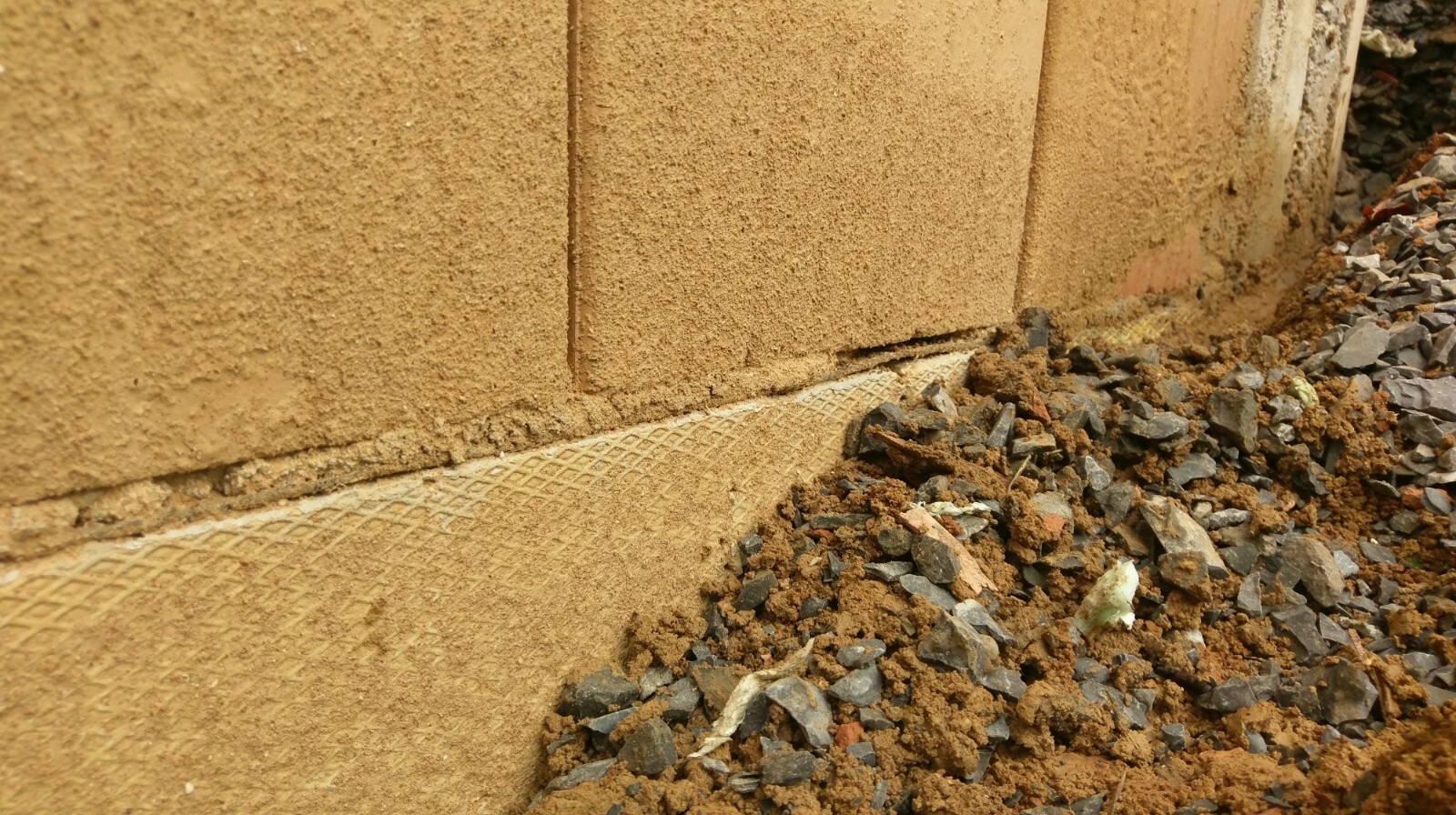
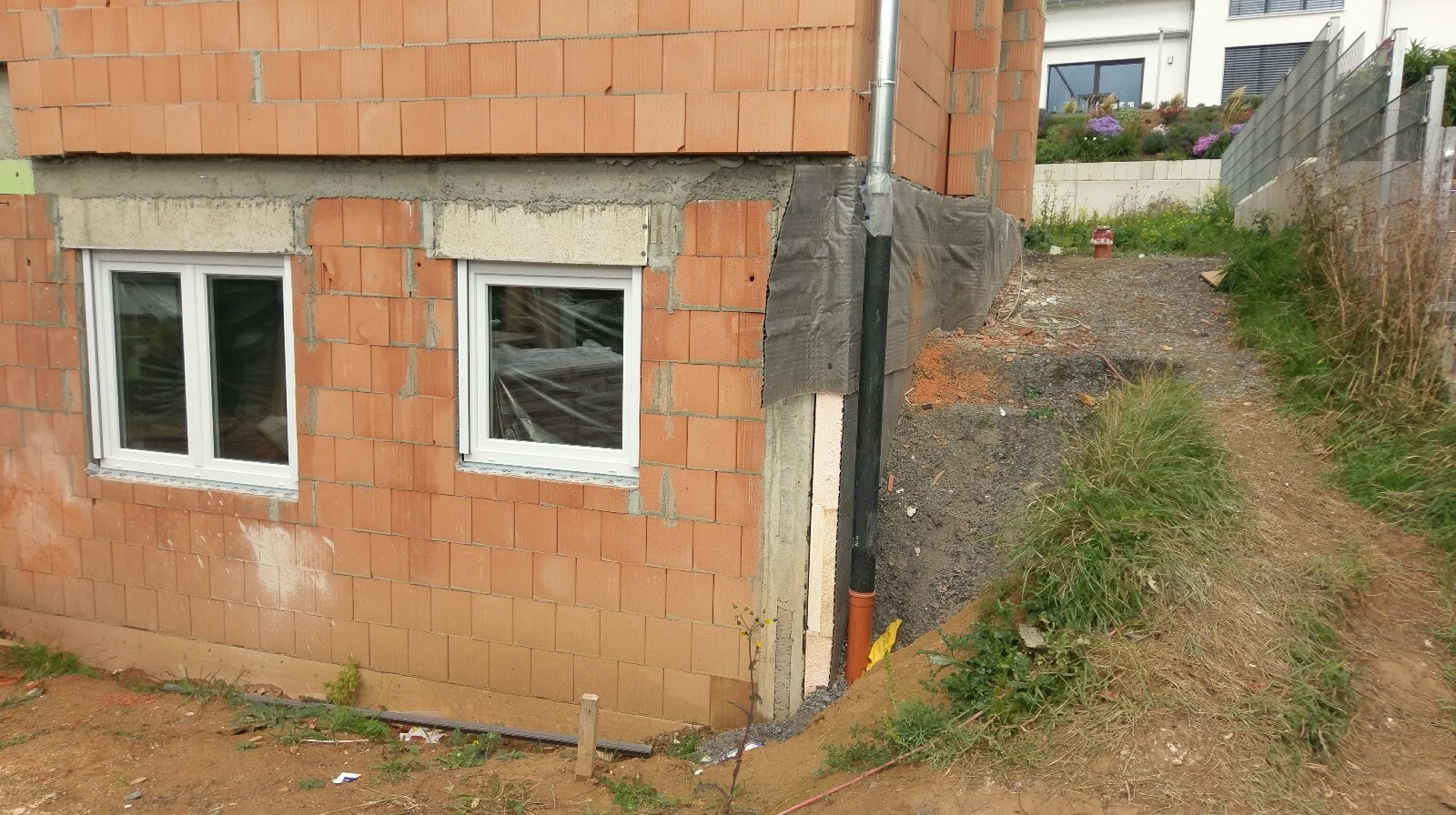
While walking around the house together, he said that our structural builder should first paint black at the junction between the polystyrene insulation and the brick wall (outside).
We built on a slope. One of our floors is partly below ground level.
The concrete walls are painted black and covered with the mentioned polystyrene.
This sounds logical, but the structural builder immediately said this is not necessary. He even suggested that the black bitumen could penetrate the wall...
What do you think about this? I’m also surprised that the second plasterer didn’t mention anything about it.
Today, we had a plasterer visit who is supposed to do the exterior rendering for us.
While walking around the house together, he said that our structural builder should first paint black at the junction between the polystyrene insulation and the brick wall (outside).
We built on a slope. One of our floors is partly below ground level.
The concrete walls are painted black and covered with the mentioned polystyrene.
This sounds logical, but the structural builder immediately said this is not necessary. He even suggested that the black bitumen could penetrate the wall...
What do you think about this? I’m also surprised that the second plasterer didn’t mention anything about it.
M
Marchonisch1 Apr 2018 11:49Thanks for the feedback.
How should the waterproofing be done?
The architect did not specify anything about it.
The plasterer responsible for the exterior rendering installed this. He said it still needs to be painted black.
How should the waterproofing be done?
The architect did not specify anything about it.
The plasterer responsible for the exterior rendering installed this. He said it still needs to be painted black.
B
Benutzer 10034 Apr 2018 12:39Hello Marchonich,
Your question about how to carry out the waterproofing and the transitions must be answered by the architect as the overall planner.
Therefore, the architect must develop an effective concept for all waterproofing work. This also includes the transitions between different materials.
I would confront the architect with the obligation to provide professional planning (as specified in DIN 18195) and demand the planning services promptly. This must also include the connections and surface transitions. From this, among other things, a drawing detail for the transition in question should result, which would answer your question.
A recommendation for execution without having examined the site and documents is neither professional nor constructive.
Best regards
Kristof
Your question about how to carry out the waterproofing and the transitions must be answered by the architect as the overall planner.
Therefore, the architect must develop an effective concept for all waterproofing work. This also includes the transitions between different materials.
I would confront the architect with the obligation to provide professional planning (as specified in DIN 18195) and demand the planning services promptly. This must also include the connections and surface transitions. From this, among other things, a drawing detail for the transition in question should result, which would answer your question.
A recommendation for execution without having examined the site and documents is neither professional nor constructive.
Best regards
Kristof
M
Marchonisch4 Apr 2018 12:52Thank you for the feedback. I will discuss this with the architect.
M
Marchonisch22 Jun 2018 16:42The shell builder painted it black using a bitumen mixture.

Similar topics