
Hello everyone,
We are planning to convert the upper floor from two large bedrooms (27 and 23 m² (290 and 248 ft²)) into three. The larger room has a double casement window centered on one wall. The smaller room has three floor-to-ceiling windows, each the size of a door, also centered.
How much effort is involved in dividing one of these rooms using the existing windows? What is the best approach (e.g., drywall partition)? Is a narrow section of the window area sufficient to attach a drywall partition?
Also, how is the heating issue usually addressed, since only one of the new rooms will keep the radiator?
Thank you very much in advance.
We are planning to convert the upper floor from two large bedrooms (27 and 23 m² (290 and 248 ft²)) into three. The larger room has a double casement window centered on one wall. The smaller room has three floor-to-ceiling windows, each the size of a door, also centered.
How much effort is involved in dividing one of these rooms using the existing windows? What is the best approach (e.g., drywall partition)? Is a narrow section of the window area sufficient to attach a drywall partition?
Also, how is the heating issue usually addressed, since only one of the new rooms will keep the radiator?
Thank you very much in advance.

ypg schrieb:
Maybe a drawing of the existing layout would be useful?... and photos.
Nico2016 schrieb:
We plan to convert two large bedrooms upstairs (27 & 23 m2 (290 & 247 sq ft)) into three. The larger room has a central double casement window. The smaller room has three full-height, door-sized windows arranged centrally.I’ll try to interpret :-) that the "double casement window" refers to a combined window unit with two sashes separated by a mullion, each opening separately (so not a French casement), but probably only one of them is tilt-and-turn while the other is just turn; and that between the three full-height windows there are covered beams? Or does "a narrow post" mean it’s a single continuous unit with three mullions the width of the window frame profile?
Nico2016 schrieb:
And how do you solve the heating issue, since only one room keeps the radiator?The simplest solution would probably be to branch off a second radiator from the existing one (installing a T-piece, allowing a hose to extend to the new radiator). As for control, the second radiator can effectively be a follower; if the rooms are of similar size, it could be the same size radiator for convenience. But the heating engineer will have a more informed opinion on that than I do.
https://www.instagram.com/11antgmxde/
https://www.linkedin.com/company/bauen-jetzt/
Correct, all the assumptions were right: the double casement window is one unit with two operable windows and a narrow mullion between them. When closed, this mullion is about 2cm (1 inch) wide, where a wall could be attached. The floor-to-ceiling windows have wider mullions, approximately 8cm (3 inches) wide when fully closed.
Attached is a floor plan. I’m currently unable to provide photos.
The heating situation sounds good so far.
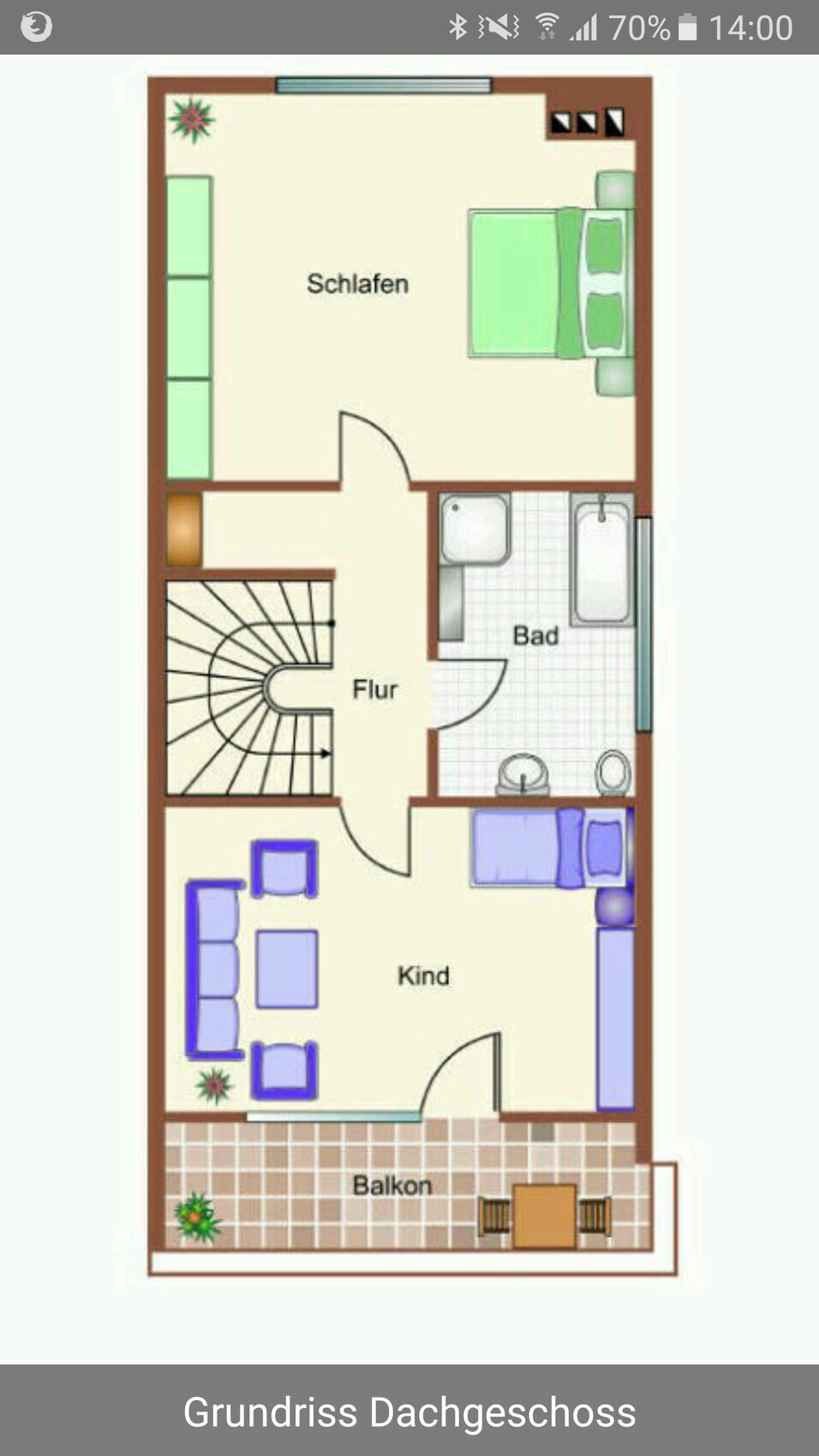
Attached is a floor plan. I’m currently unable to provide photos.
The heating situation sounds good so far.
Similar topics