
V
Volkeracho11 Nov 2017 15:25Hello everyone,
We recently moved into a new build a few days ago. We immediately noticed a large gap between the bottom edge of the door and the floor covering. We pointed this out during the final inspection, but the only response we received was that it has to be that way because of the internal ventilation system or something similar.
Today, I measured the gap myself. There is a space of 25mm (1 inch) between the bottom edge of the door and the tiles. Is this normal? Is the builder’s explanation correct? It looks unattractive and drafts come through. Surely this cannot be the purpose of a new build that is supposed to be highly energy efficient.
Thank you for your support,
Volkeracho
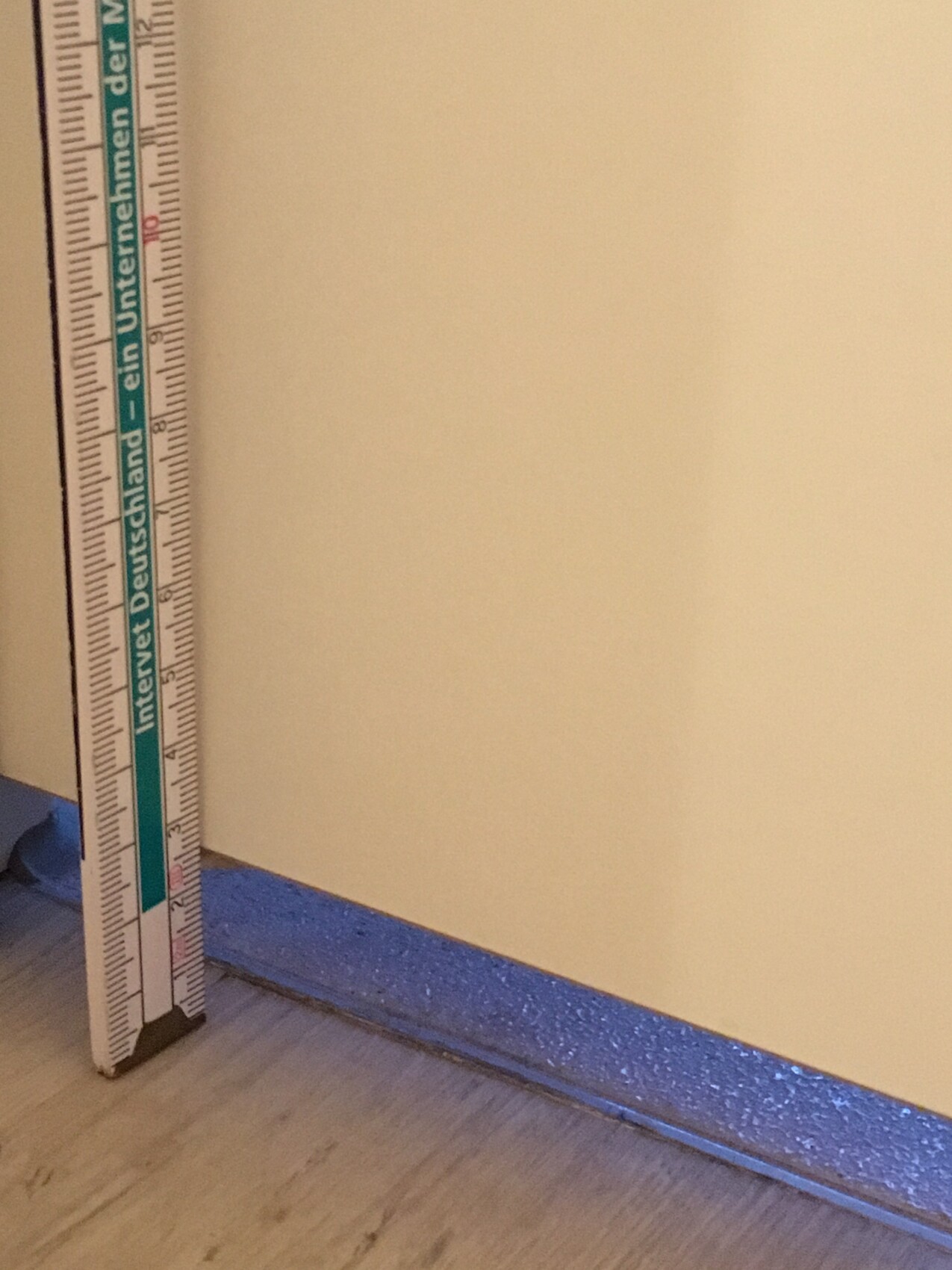
We recently moved into a new build a few days ago. We immediately noticed a large gap between the bottom edge of the door and the floor covering. We pointed this out during the final inspection, but the only response we received was that it has to be that way because of the internal ventilation system or something similar.
Today, I measured the gap myself. There is a space of 25mm (1 inch) between the bottom edge of the door and the tiles. Is this normal? Is the builder’s explanation correct? It looks unattractive and drafts come through. Surely this cannot be the purpose of a new build that is supposed to be highly energy efficient.
Thank you for your support,
Volkeracho

B
baumann4211 Nov 2017 16:19Is that the door to the bathroom/toilet?
If so, that would be fine to allow the "steam" to escape from the bathroom. There used to be ventilation grilles built into the doors.
For other doors, a gap of 1 to 1.5 cm (0.4 to 0.6 inches) is common.
If so, that would be fine to allow the "steam" to escape from the bathroom. There used to be ventilation grilles built into the doors.
For other doors, a gap of 1 to 1.5 cm (0.4 to 0.6 inches) is common.
B
Bau-Schmidt11 Nov 2017 16:58Quote
Lower air gap at interior doors:
According to the explanations in DIN 18101, the nominal dimension for the lower air gap between the underside of the door leaf and the top of the finished floor is calculated to be 7 mm (0.28 inches). Considering the allowable tolerances for the actual position of the finished floor surface as specified in DIN 18202 "Tolerances in Building Construction," the lower air gap can range from a minimum of 1.0 mm (0.04 inches) up to a maximum of 11.5 mm (0.45 inches). However, these extreme values are not acceptable in practice.
Lower air gap at interior doors:
According to the explanations in DIN 18101, the nominal dimension for the lower air gap between the underside of the door leaf and the top of the finished floor is calculated to be 7 mm (0.28 inches). Considering the allowable tolerances for the actual position of the finished floor surface as specified in DIN 18202 "Tolerances in Building Construction," the lower air gap can range from a minimum of 1.0 mm (0.04 inches) up to a maximum of 11.5 mm (0.45 inches). However, these extreme values are not acceptable in practice.

Similar topics