
D
Dominic_Jngt8 Oct 2021 18:06Hello everyone,
I started removing the wallpaper today in my rental apartment because I’m moving out. This is what I found underneath... (see pictures)
I think this might be mold, is that correct?
If so, who is responsible for this? The tenant or the landlord?
I have always ventilated and heated properly. The apartment is in the basement.
Best regards
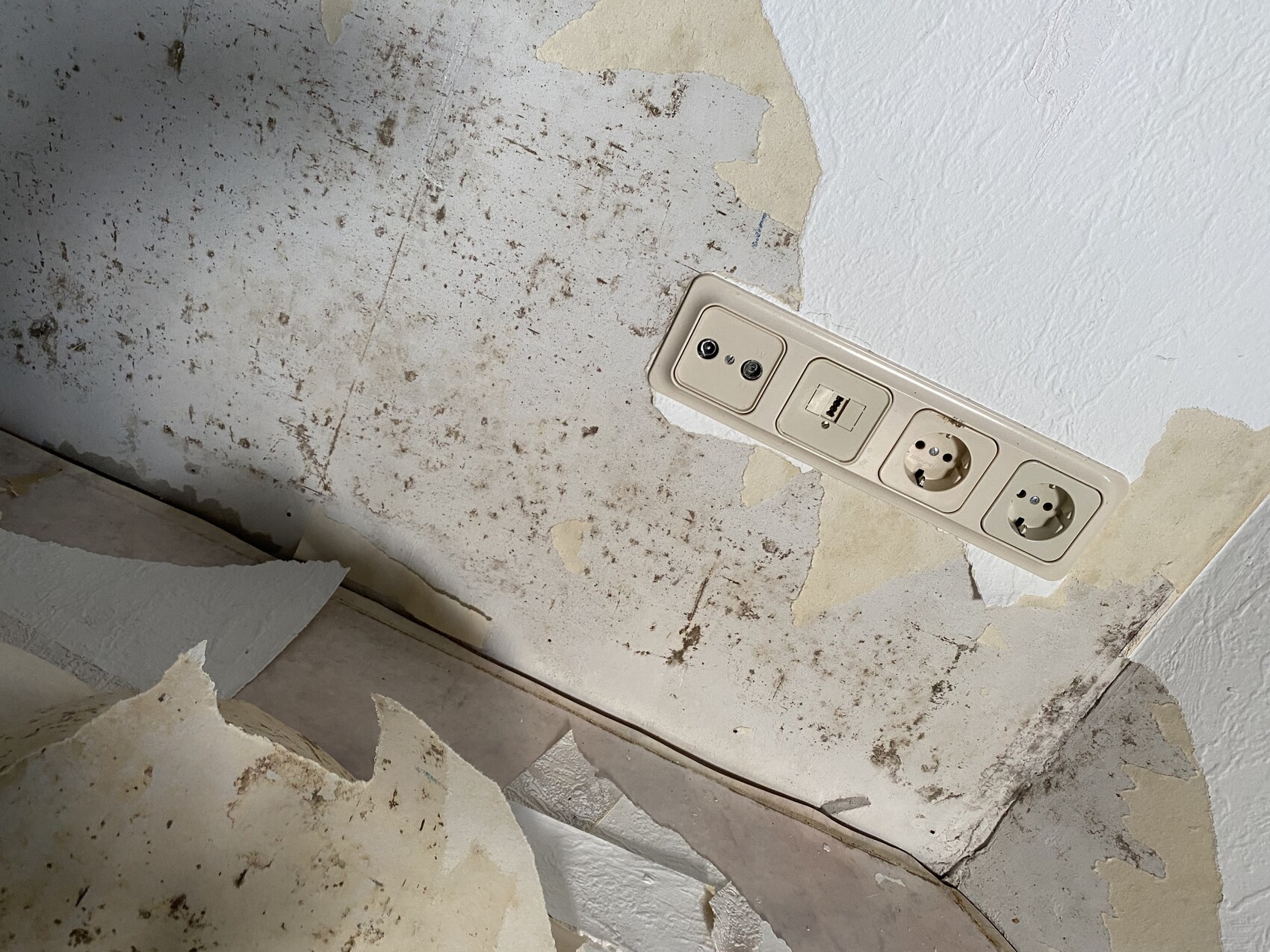
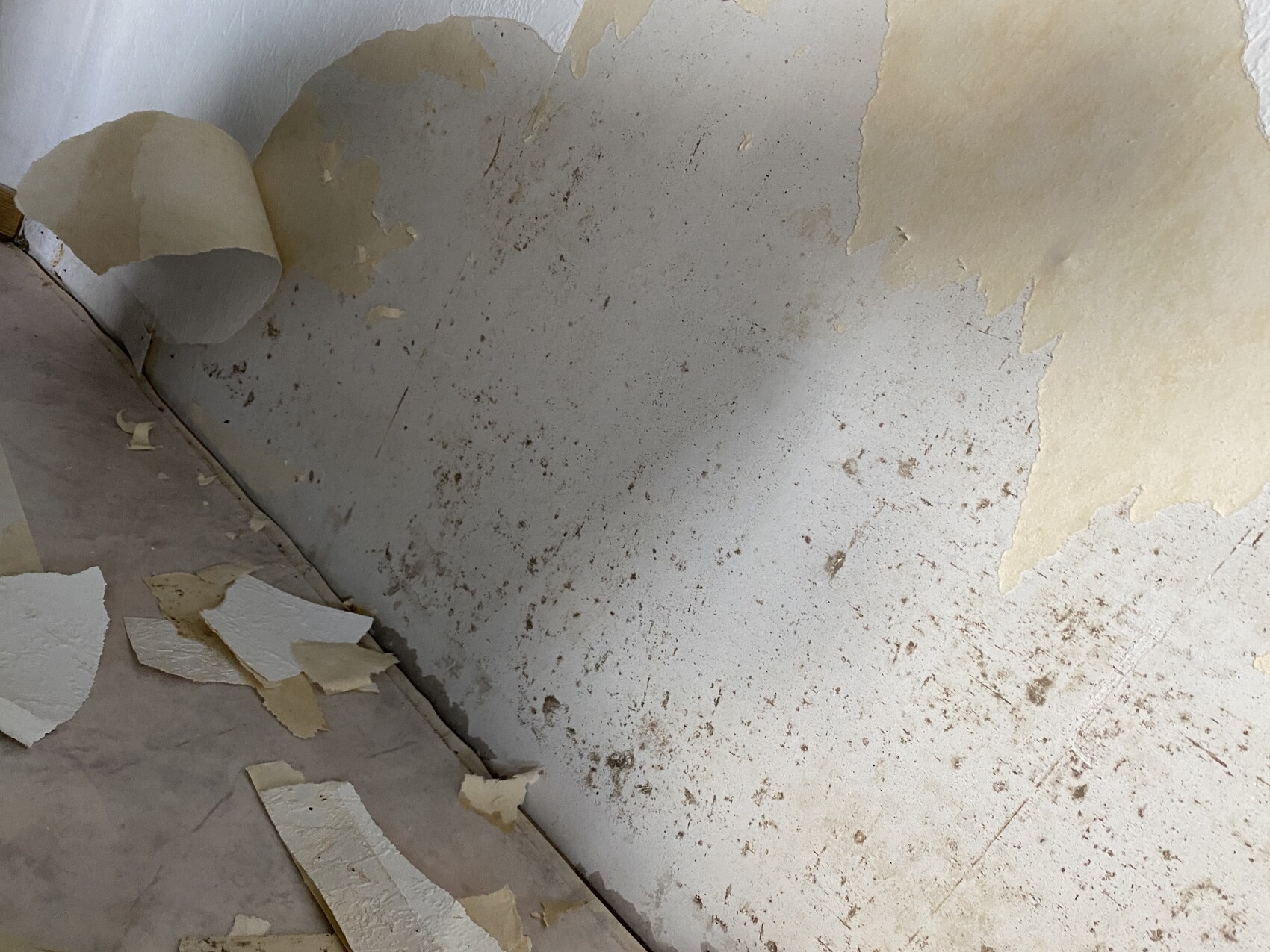
I started removing the wallpaper today in my rental apartment because I’m moving out. This is what I found underneath... (see pictures)
I think this might be mold, is that correct?
If so, who is responsible for this? The tenant or the landlord?
I have always ventilated and heated properly. The apartment is in the basement.
Best regards
Hello Dominic_Jngt
Okay, the question is probably serious.
Who lived in the apartment? Were you the tenant or the landlord?
Obviously, something went wrong. Mold has developed.
Now the question of who is responsible arises. Ideally, the landlord should cover the costs.
There is a housing shortage in Germany. Apartments are becoming scarce, therefore rents are rising.
The government is increasingly intervening. There is no longer full freedom of contract for landlords. This discourages many investors from building rental properties. As a result, fewer apartments will be built, and rents will increase. The upward spiral is set in motion.
No matter how much people rant about expropriation, rent caps, etc., once the government intervenes, things go wrong. Rents become more expensive, and apartments become even rarer.
Long story short, it makes no sense: talk to the landlord. A solution should be possible. You lived there. You caused the mold.
Steven
Okay, the question is probably serious.
Who lived in the apartment? Were you the tenant or the landlord?
Obviously, something went wrong. Mold has developed.
Now the question of who is responsible arises. Ideally, the landlord should cover the costs.
There is a housing shortage in Germany. Apartments are becoming scarce, therefore rents are rising.
The government is increasingly intervening. There is no longer full freedom of contract for landlords. This discourages many investors from building rental properties. As a result, fewer apartments will be built, and rents will increase. The upward spiral is set in motion.
No matter how much people rant about expropriation, rent caps, etc., once the government intervenes, things go wrong. Rents become more expensive, and apartments become even rarer.
Long story short, it makes no sense: talk to the landlord. A solution should be possible. You lived there. You caused the mold.
Steven
F
fach1werk10 Oct 2021 22:23Mold can develop for various reasons.
Quick and simple approach: Remove the mold, allow the area to dry thoroughly, avoid putting wallpaper over it, and paint the wall with a mineral-based or special mold-resistant paint. Do not use strong adhesive or washable paint!
Better: Remove the plaster in the affected areas, replaster, and use mineral-based or special paint.
Best: Identify thermal bridges and damp spots, fix the underlying cause. Often, installing calcium silicate boards is enough. Remove and replace the affected plaster, do not apply wallpaper anymore. When repainting, the next tenant may be required not to place any furniture against the wall.
Most of these are not tenant responsibilities.
A good expert can usually prove that the tenant is partly to blame. It’s like with a car: If the engine ran, you share some responsibility. Would I want to take that risk as a tenant?
Best regards, Gabriele
Quick and simple approach: Remove the mold, allow the area to dry thoroughly, avoid putting wallpaper over it, and paint the wall with a mineral-based or special mold-resistant paint. Do not use strong adhesive or washable paint!
Better: Remove the plaster in the affected areas, replaster, and use mineral-based or special paint.
Best: Identify thermal bridges and damp spots, fix the underlying cause. Often, installing calcium silicate boards is enough. Remove and replace the affected plaster, do not apply wallpaper anymore. When repainting, the next tenant may be required not to place any furniture against the wall.
Most of these are not tenant responsibilities.
A good expert can usually prove that the tenant is partly to blame. It’s like with a car: If the engine ran, you share some responsibility. Would I want to take that risk as a tenant?
Best regards, Gabriele
 Schimi179111 Oct 2021 07:08
Dominic_Jngt schrieb:
...
I have always ventilated and heated properly.
... Easier said (or written) than done.
Is it an exterior wall? Was there a cupboard or something similar against the wall, especially where the wallpaper is missing?
Steven schrieb:
...
You lived there. You caused the mold.
... Isn’t that a bit too simplistic?
S
Stefan00111 Oct 2021 09:04What can be seen in the bottom left corner of the first picture? Is there even a water mark visible?
Similar topics