
Hello everyone,
I really hope someone here can help me.
We bought a house 2 years ago (26 years old), and we are now about to renovate our bathroom. However, we need to solve a problem beforehand that none of the three plumbing professionals who have visited us so far have been able to help with.
We have sand-like deposits (see photos) in many of the aerators and showerheads, and no one can tell us where these deposits are coming from... :-( Aerators can be cleaned relatively easily, but not showerheads. Therefore, we would like to fix the cause before the renovation.
The amount is so significant that we have to clean the aerators every 2-3 weeks.
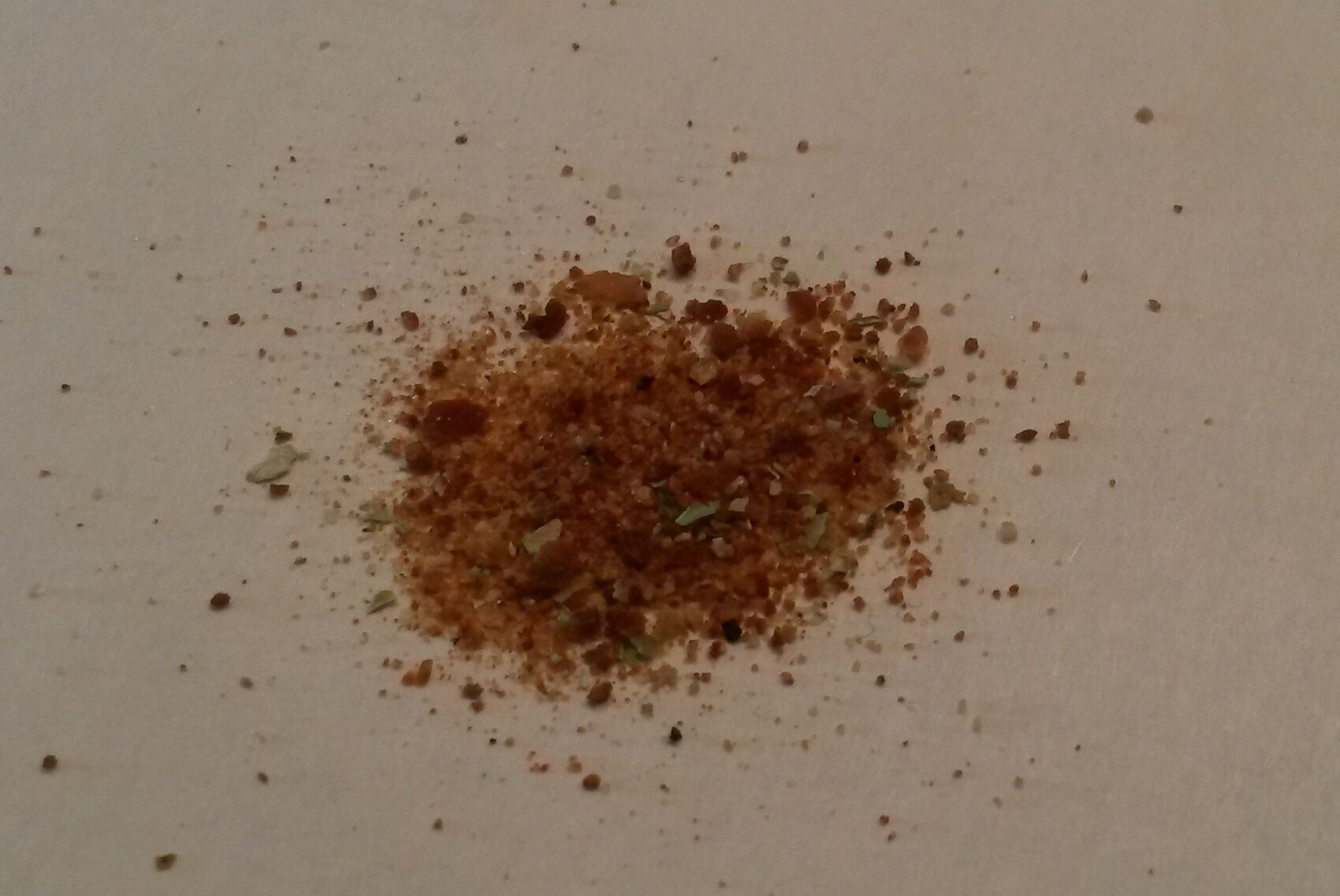
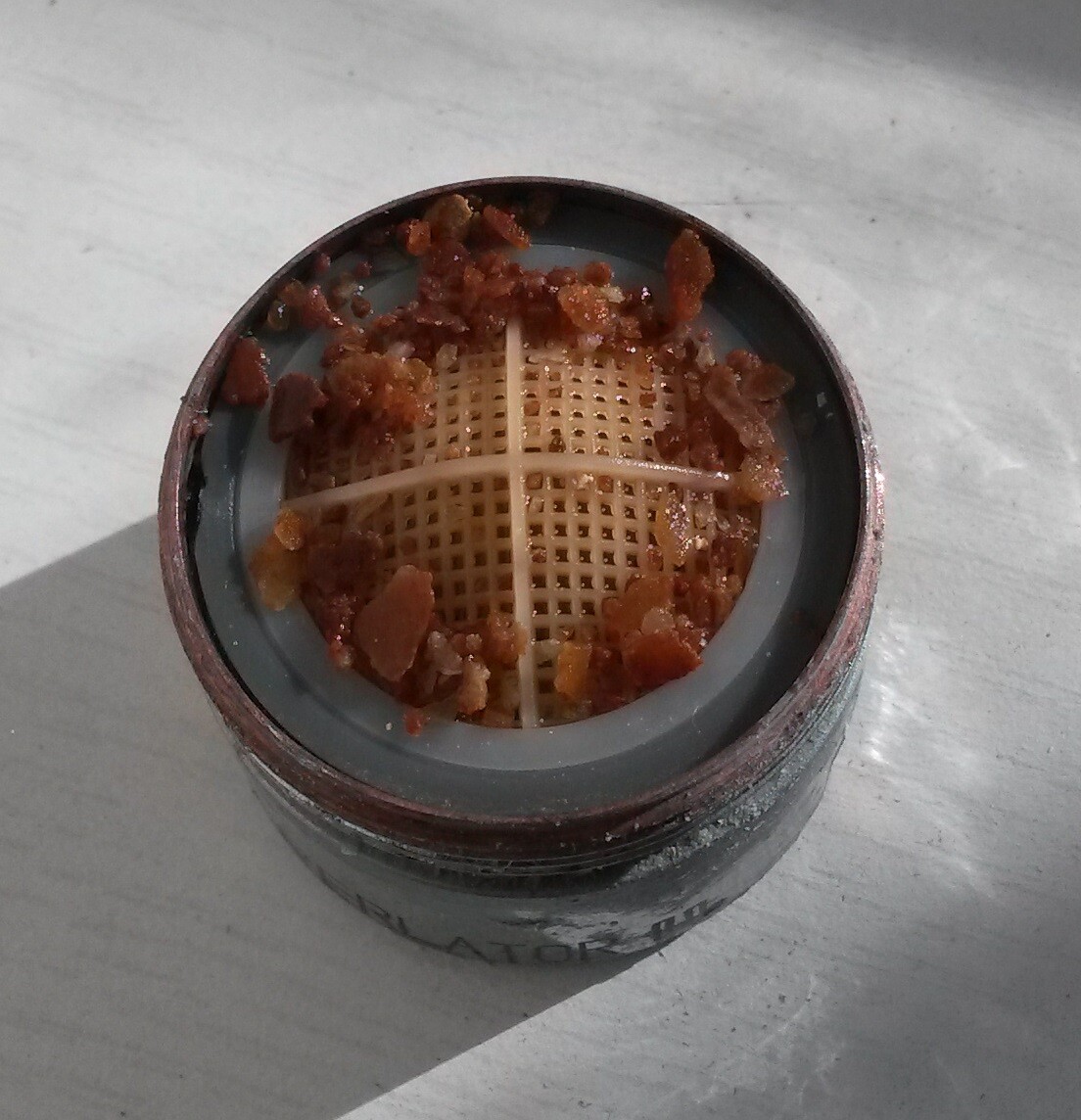
From my understanding, possible sources could be:
1) Main water supply, meaning the material might be coming from outside
2) Magnetic water conditioner (installed by previous owner, according to the information gathered so far, it doesn’t affect limescale)
3) Pipes
4) Gas boiler
5) Faucets
What we have already done or clarified:
- Unscrewed the filter behind the main water supply and checked the filter element. It was not damaged. Is it possible that something could be damaged in an unseen part of the filter, so water does not pass through the filter element properly?
- Unplugged the water conditioner a week ago. So far, no difference observed
- All plumbers have said that the mostly plastic pipes installed in our house cannot be the cause
- Last weekend, we performed the following test: We placed a large (approx. 50 liters (13 gallons)) transparent plastic container in the bathtub and ran very cold water, then very hot water through the hose without the showerhead for about 20 minutes each. Result: No deposits were visible in the cold water, but a clear amount of sand-like deposits appeared in the container with hot water. For us, this was a strong indication that the boiler might be involved.
- However, Junkers told us by phone today that neither the boiler nor the heat exchanger could be responsible for the deposits. They said if there were that many deposits, the water wouldn’t heat up properly when showering. What should we make of this statement?
- Faucets: With the amount of material we remove, this shouldn’t be the source. The faucets would be falling apart by now. However, it is strange that the aerator in the guest toilet is the only one without such deposits?! Although there we only have cold water!
So, now it’s (hopefully) your turn.
Does anyone have any idea what the cause might be?
Best regards
oetzi
I really hope someone here can help me.
We bought a house 2 years ago (26 years old), and we are now about to renovate our bathroom. However, we need to solve a problem beforehand that none of the three plumbing professionals who have visited us so far have been able to help with.
We have sand-like deposits (see photos) in many of the aerators and showerheads, and no one can tell us where these deposits are coming from... :-( Aerators can be cleaned relatively easily, but not showerheads. Therefore, we would like to fix the cause before the renovation.
The amount is so significant that we have to clean the aerators every 2-3 weeks.
From my understanding, possible sources could be:
1) Main water supply, meaning the material might be coming from outside
2) Magnetic water conditioner (installed by previous owner, according to the information gathered so far, it doesn’t affect limescale)
3) Pipes
4) Gas boiler
5) Faucets
What we have already done or clarified:
- Unscrewed the filter behind the main water supply and checked the filter element. It was not damaged. Is it possible that something could be damaged in an unseen part of the filter, so water does not pass through the filter element properly?
- Unplugged the water conditioner a week ago. So far, no difference observed
- All plumbers have said that the mostly plastic pipes installed in our house cannot be the cause
- Last weekend, we performed the following test: We placed a large (approx. 50 liters (13 gallons)) transparent plastic container in the bathtub and ran very cold water, then very hot water through the hose without the showerhead for about 20 minutes each. Result: No deposits were visible in the cold water, but a clear amount of sand-like deposits appeared in the container with hot water. For us, this was a strong indication that the boiler might be involved.
- However, Junkers told us by phone today that neither the boiler nor the heat exchanger could be responsible for the deposits. They said if there were that many deposits, the water wouldn’t heat up properly when showering. What should we make of this statement?
- Faucets: With the amount of material we remove, this shouldn’t be the source. The faucets would be falling apart by now. However, it is strange that the aerator in the guest toilet is the only one without such deposits?! Although there we only have cold water!
So, now it’s (hopefully) your turn.
Does anyone have any idea what the cause might be?
Best regards
oetzi
S
Sebastian7920 Apr 2015 21:18Boiler or hot water tank – it can be nothing else.
D
Doc.Schnaggls21 Apr 2015 08:50Hello,
I would also guess the boiler or the hot water tank.
Have you already checked if the deposits stick to a magnet?
If so, I would suspect rust particles (possibly from the wall of the hot water tank???).
Regards,
Dirk
I would also guess the boiler or the hot water tank.
Have you already checked if the deposits stick to a magnet?
If so, I would suspect rust particles (possibly from the wall of the hot water tank???).
Regards,
Dirk
Doc.Schnaggls schrieb:
Have you checked if the deposits stick to a magnet?
If so, I would suspect rust particles (possibly from the tank wall of the hot water storage tank???) Rust is not magnetic.
But I would also suspect the hot water storage tank (regardless of what material its inner wall is made of).
D
Doc.Schnaggls21 Apr 2015 09:31hbf12 schrieb:
Rust is not magnetic.I already know that.
Normally, such chunks also still contain metal parts that are not completely rusted yet, which then respond to the magnet.
Hello everyone,
Thank you already for your responses. I’m still at work and can’t test right now whether it’s magnetic.
Out of curiosity, I’d definitely like to know why you are sure that it is the boiler. Is this typical for old boilers, and how can something like this be prevented with a new boiler?
Thank you already for your responses. I’m still at work and can’t test right now whether it’s magnetic.
Out of curiosity, I’d definitely like to know why you are sure that it is the boiler. Is this typical for old boilers, and how can something like this be prevented with a new boiler?
Similar topics