
ᐅ Defect in the awning beam within the intermediate ceiling
Created on: 18 Feb 2021 10:38
T
toeffi-feeT
toeffi-fee18 Feb 2021 10:38Hello everyone,
I need some advice on how to deal with a recent discovery.
From November 2019 to March 2020, we had a semi-detached house built using timber frame construction, and we moved in shortly after. The final inspection was also completed in March 2020.
On the terrace side of the house, we had planned from the beginning to include a reinforced ceiling beam so that a retractable awning or terrace roof could be installed later. According to the design plans, this beam was supposed to extend across the entire width of the house front.
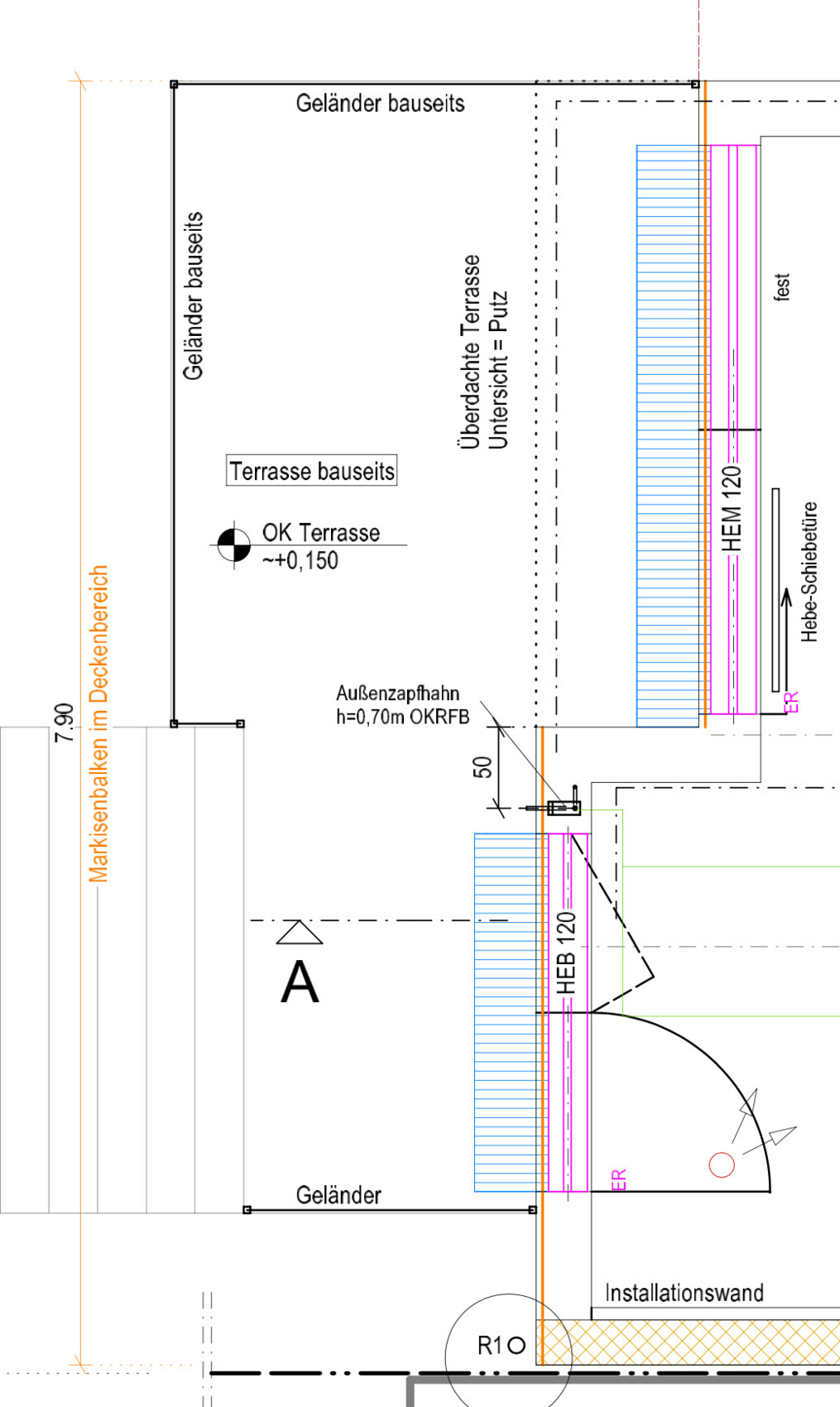
Now, in January/February 2021, I started looking into awnings and terrace roofs and requested beam plans from the house manufacturer to share with potential suppliers for checking mounting options. They noticed that the beam we requested/commissioned actually only covered about 50-60% of the width, not the entire width as intended. I asked the house manufacturer to confirm whether this information was correct, and the planner confirmed it.
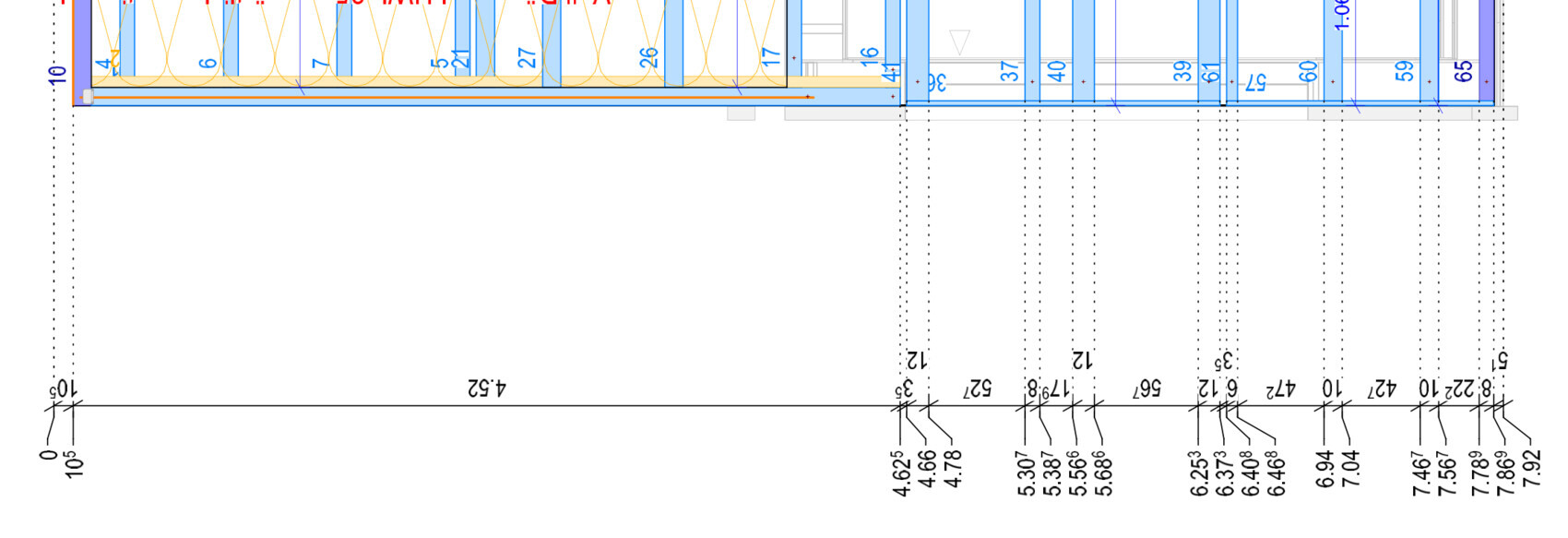
So now I have the following questions:
Thanks for any insights you can share.
Best regards
I need some advice on how to deal with a recent discovery.
From November 2019 to March 2020, we had a semi-detached house built using timber frame construction, and we moved in shortly after. The final inspection was also completed in March 2020.
On the terrace side of the house, we had planned from the beginning to include a reinforced ceiling beam so that a retractable awning or terrace roof could be installed later. According to the design plans, this beam was supposed to extend across the entire width of the house front.
Now, in January/February 2021, I started looking into awnings and terrace roofs and requested beam plans from the house manufacturer to share with potential suppliers for checking mounting options. They noticed that the beam we requested/commissioned actually only covered about 50-60% of the width, not the entire width as intended. I asked the house manufacturer to confirm whether this information was correct, and the planner confirmed it.
So now I have the following questions:
- Should I notify the builder about this defect? Is it still possible to fix it?
- A terrace roof cannot be mounted across the entire width of the house front and will require additional posts, which means higher costs. Who is responsible for these extra costs?
- Should I try to resolve this directly with the builder first, or would legal advice be recommended?
Thanks for any insights you can share.
Best regards
Hello,
1. For my understanding: Was the planning shown above completed before commissioning the house manufacturer, and was this planning also commissioned?
....If yes, .....
Then the faulty execution constitutes a deviation from the agreed-upon construction specifications (construction specifications = contractually fixed features the building is supposed to have, in this case, beams across the entire side). Such a defect does not disappear through the legal act of acceptance. Acceptance does not mean that all unnoticed defects from that point on are considered accepted. You are only required to prove that the defect already existed before acceptance (which apparently is the case).
In case of a deviation from the construction specifications, there is no concept of "disproportionality" regarding the costs of defect remediation. The company therefore remains obligated to carry out repairs (aside from minor defects) or, if no technical defect exists, may seek compensation instead of rectification.
What does this mean for you?
1) Yes, the defect must be reported (regardless of whether it can be fixed; otherwise, there is no entitlement to payment). This includes setting a proper deadline and, if that deadline expires, issuing a reminder deadline.
2) This is open to interpretation. First, the contractor must be given the opportunity to carry out remedial work (see point 1). If they refuse or are unable to do so, there is the option to compensate for the defect (for example, by installing the posts to be borne by the contractor, or by compensation payment from the contractor).
3) I would recommend consulting legal counsel before issuing the defect notification to prevent procedural errors that could halt the process later. An expert will then need to assess how the costs will be handled.
Best regards,
Jann
1. For my understanding: Was the planning shown above completed before commissioning the house manufacturer, and was this planning also commissioned?
....If yes, .....
Then the faulty execution constitutes a deviation from the agreed-upon construction specifications (construction specifications = contractually fixed features the building is supposed to have, in this case, beams across the entire side). Such a defect does not disappear through the legal act of acceptance. Acceptance does not mean that all unnoticed defects from that point on are considered accepted. You are only required to prove that the defect already existed before acceptance (which apparently is the case).
In case of a deviation from the construction specifications, there is no concept of "disproportionality" regarding the costs of defect remediation. The company therefore remains obligated to carry out repairs (aside from minor defects) or, if no technical defect exists, may seek compensation instead of rectification.
What does this mean for you?
1) Yes, the defect must be reported (regardless of whether it can be fixed; otherwise, there is no entitlement to payment). This includes setting a proper deadline and, if that deadline expires, issuing a reminder deadline.
2) This is open to interpretation. First, the contractor must be given the opportunity to carry out remedial work (see point 1). If they refuse or are unable to do so, there is the option to compensate for the defect (for example, by installing the posts to be borne by the contractor, or by compensation payment from the contractor).
3) I would recommend consulting legal counsel before issuing the defect notification to prevent procedural errors that could halt the process later. An expert will then need to assess how the costs will be handled.
Best regards,
Jann
T
toeffi-fee18 Feb 2021 15:22Hi Jann,
Thank you for your explanations.
Yes, you understood that correctly. The contract was based on the plan shown above.
The proof would have been provided in that sense, because when the house was assembled, the ceiling elements either already had the reinforcement or did not.
So now I have at least a better idea of what that means.
Best regards
Steffen
Thank you for your explanations.
Jann St schrieb:
For my understanding: The plan shown above was already in place before contracting the house manufacturer, and this plan was also commissioned?
Yes, you understood that correctly. The contract was based on the plan shown above.
Jann St schrieb:
Such a defect claim does not expire due to the legal act of acceptance. Acceptance does not mean that all defects not noticed at that time are considered accepted. You are only obliged to prove that the defect already existed before acceptance (which apparently has happened).
The proof would have been provided in that sense, because when the house was assembled, the ceiling elements either already had the reinforcement or did not.
So now I have at least a better idea of what that means.
Best regards
Steffen
Similar topics