
ᐅ Damp Walls in a New Basement Build – Construction Execution Error?
Created on: 18 Oct 2018 19:30
E
Earth2018
Hello everyone,
I’ll start chronologically:
Background: 3 weeks before day 0, the screed was “laid,” including in the basement.
The basement is a “white tank,” meaning the base slab is waterproof.
Day 0: I notice moisture rising on the plaster in some corners of the basement.
At that time, the plasterers were still fetching water in the basement. The suspicion was therefore a leaking hose or something similar.
Day 1: The underfloor heating is filled with water, so the water cannot be coming from the underfloor heating since it was empty beforehand. The pressure was also constant.
Day 2: The level of moisture on the walls has risen slightly.
Day 5: The underfloor heating is put into operation, including in the basement area with moisture. The hope was that the moisture would decrease due to the warmth.
Day 8: Moisture is still present...
It hasn’t rained since day 0 either...
What do you think? What could this be?
A construction fault? Or does it really take that long for the water to dry?
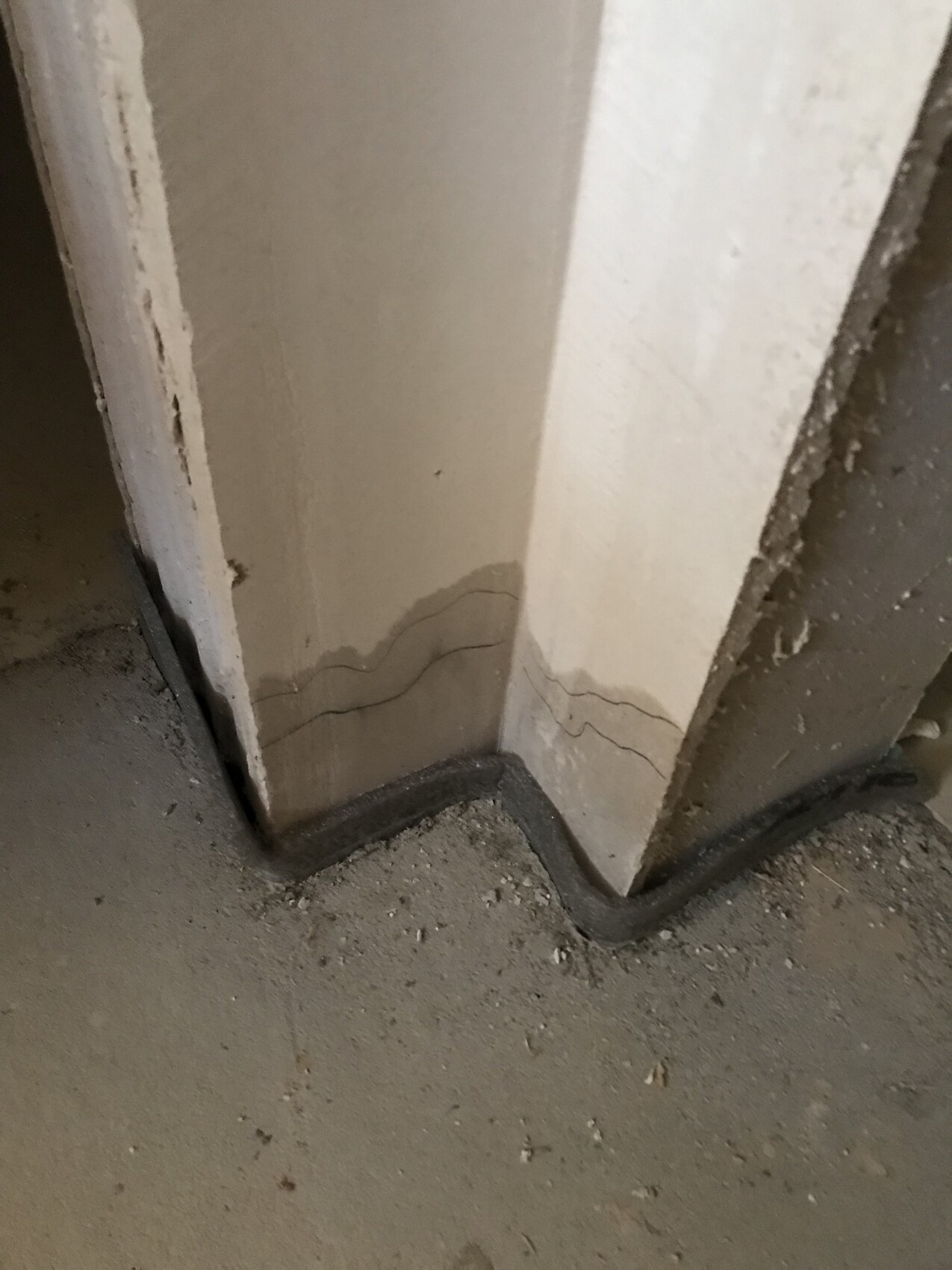
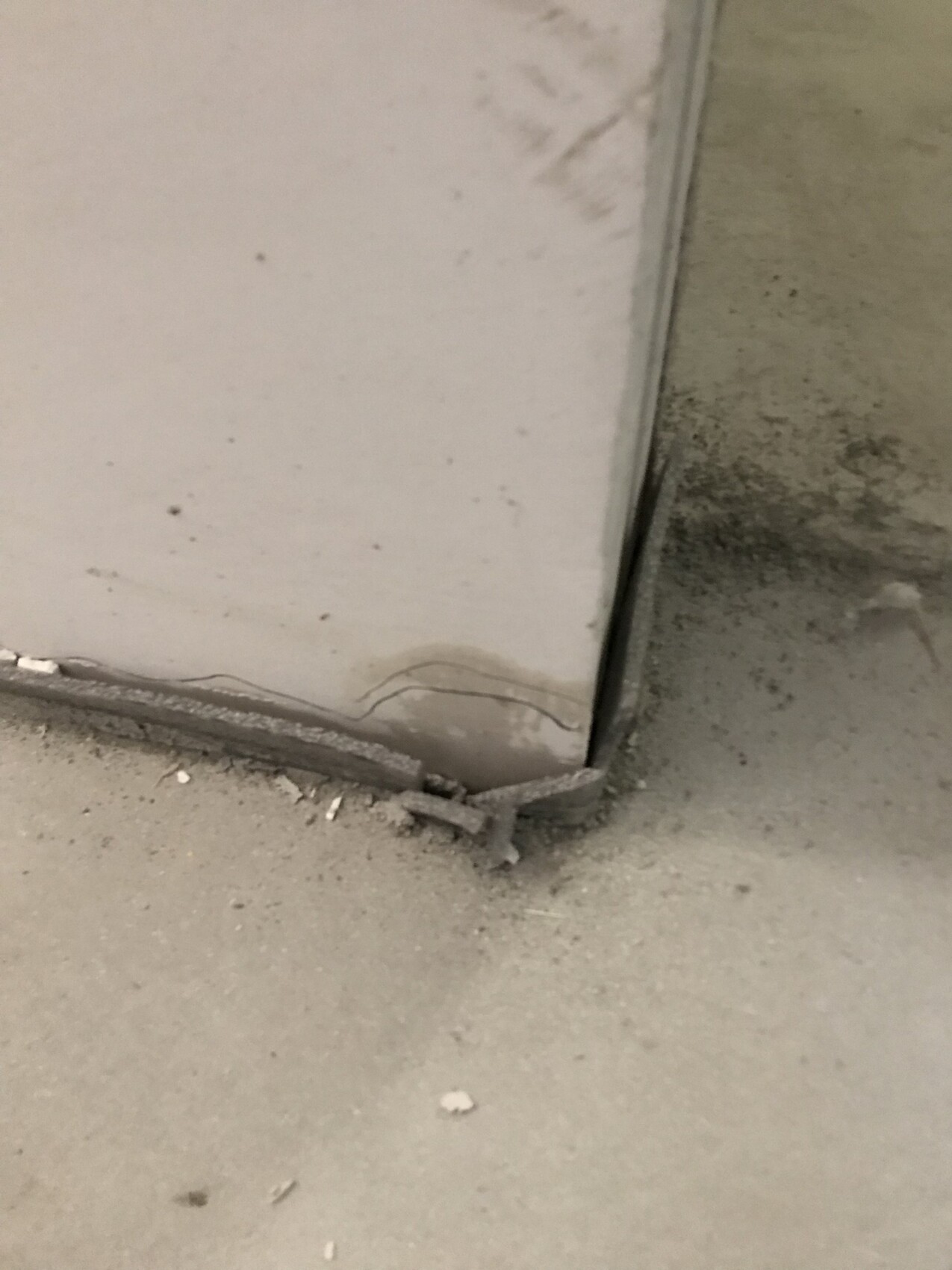
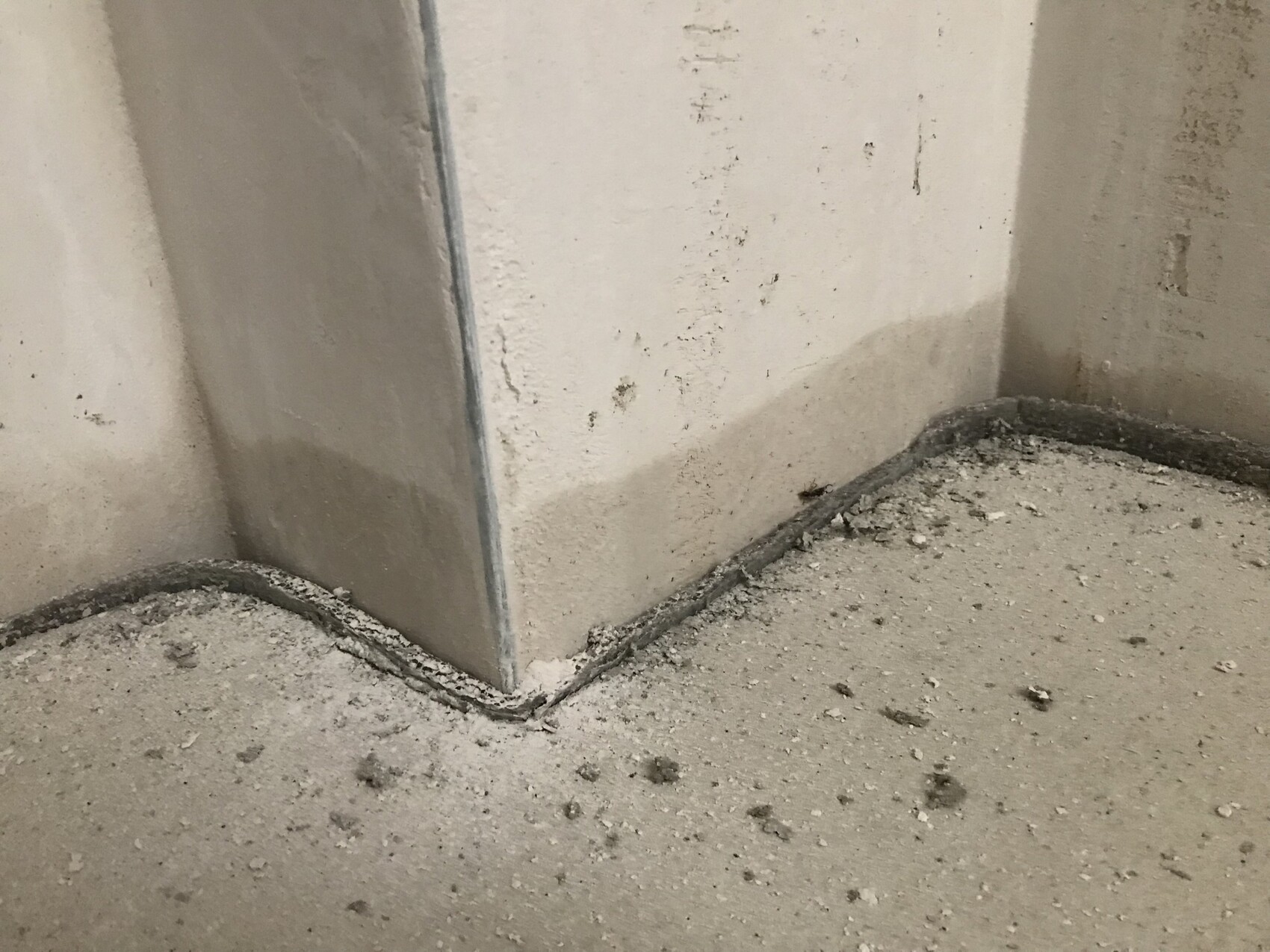
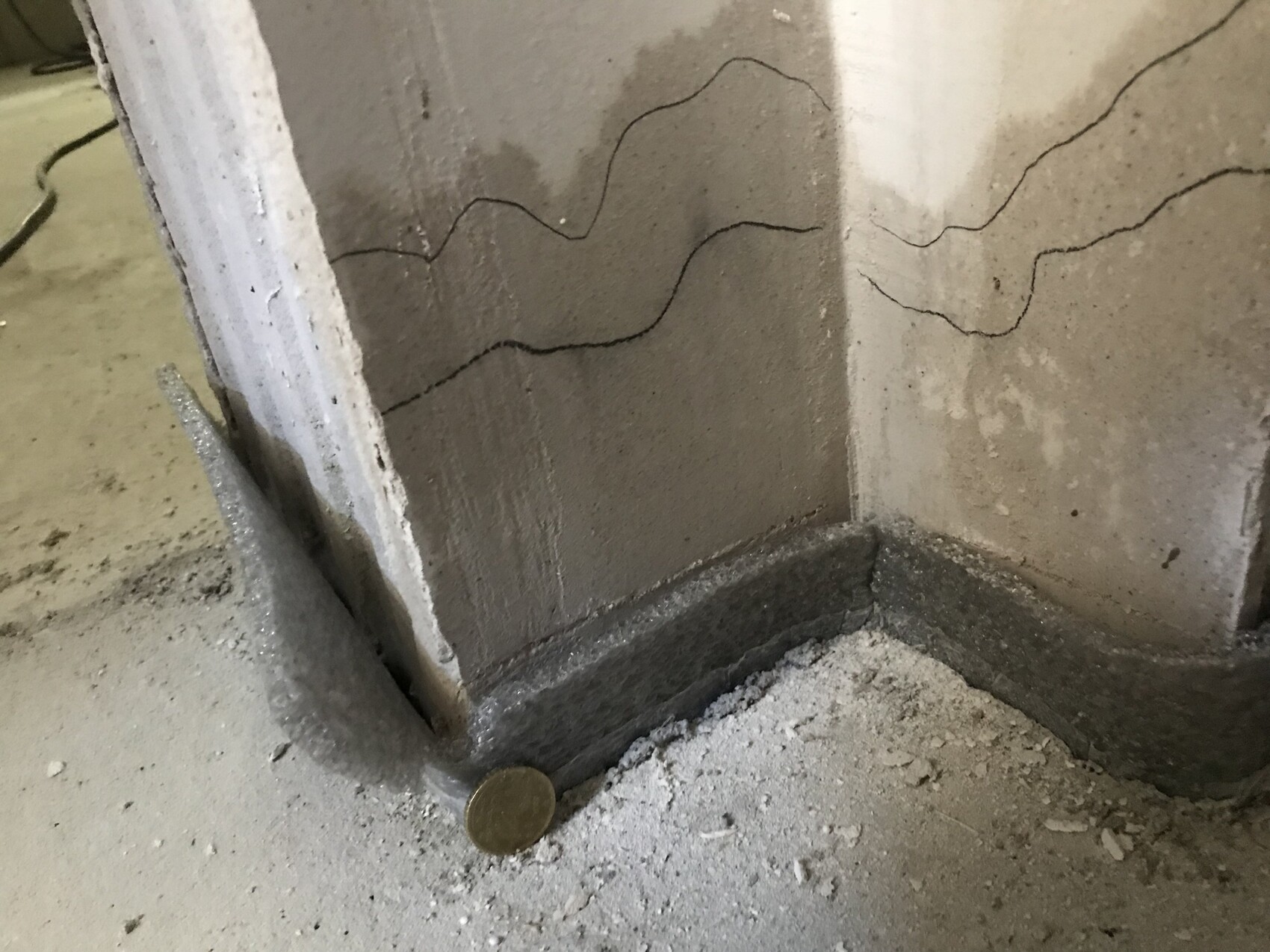
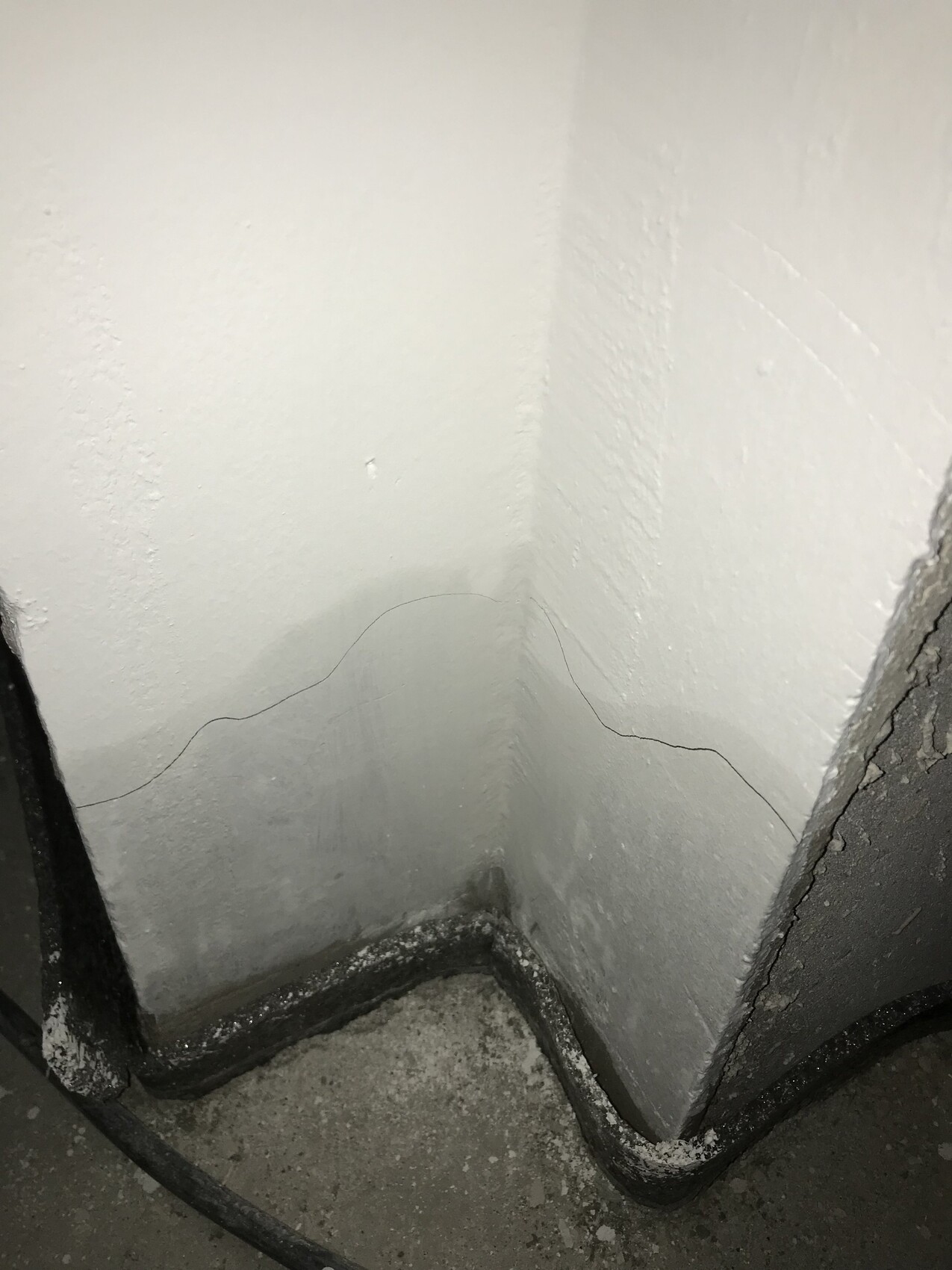
I’ll start chronologically:
Background: 3 weeks before day 0, the screed was “laid,” including in the basement.
The basement is a “white tank,” meaning the base slab is waterproof.
Day 0: I notice moisture rising on the plaster in some corners of the basement.
At that time, the plasterers were still fetching water in the basement. The suspicion was therefore a leaking hose or something similar.
Day 1: The underfloor heating is filled with water, so the water cannot be coming from the underfloor heating since it was empty beforehand. The pressure was also constant.
Day 2: The level of moisture on the walls has risen slightly.
Day 5: The underfloor heating is put into operation, including in the basement area with moisture. The hope was that the moisture would decrease due to the warmth.
Day 8: Moisture is still present...
It hasn’t rained since day 0 either...
What do you think? What could this be?
A construction fault? Or does it really take that long for the water to dry?

The site manager still believes that the moisture is not coming from the concrete slab but from a spilled bucket, a leaking hose, or something similar. That could also be the case, as there has been a lot of water “tapped” in the area.
A fan will now be installed to dry the affected spot.
We will just wait a few more days.
At the moment, I don’t see the need for an expert surveyor. If the moisture persists or increases, the situation will be clear, and then my builder will be under obligation to act.
A fan will now be installed to dry the affected spot.
We will just wait a few more days.
At the moment, I don’t see the need for an expert surveyor. If the moisture persists or increases, the situation will be clear, and then my builder will be under obligation to act.
Hello Earth
The basement structure looks good. There is no water seeping in from outside anywhere.
Someone made a mess. The moisture is under the screed and needs to be removed. A construction dryer is just the right solution for that. However, make sure to note the electricity consumption. It might become a bit costly.
Steven
The basement structure looks good. There is no water seeping in from outside anywhere.
Someone made a mess. The moisture is under the screed and needs to be removed. A construction dryer is just the right solution for that. However, make sure to note the electricity consumption. It might become a bit costly.
Steven
Steven schrieb:
Hello Earth
The structure of the basement looks good. And there is no water that could penetrate from the outside.
Someone made a mess. The moisture is beneath the screed and needs to be removed. A construction dryer is exactly the right solution for that. But keep track of the electricity consumption. It can be costly.
Steven That is also my assumption, but as a layperson, I didn’t want to say it. However, even one week of drying with a construction dryer won’t be enough. It takes longer than just a few days of drying with a construction dryer.
U
Ulrich Fuckert19 Oct 2018 16:47A construction dryer is not sufficient here. The damage pattern clearly shows that moisture is present beneath the screed (in the screed insulation layer). Therefore, drying the screed insulation layer must be carried out.
Thank you for your comments and assessments.
That would basically mean that the issue is not with the foundation slab.
That would definitely be a huge relief for me.
However, I will only have final certainty after it has rained, and it should not affect the damage pattern.
That would basically mean that the issue is not with the foundation slab.
That would definitely be a huge relief for me.
However, I will only have final certainty after it has rained, and it should not affect the damage pattern.
Similar topics