
Hello everyone,
I have a question regarding our "older building" from 1980.
It is a semi-detached house, we lived in it for about 22 years, sold it last year, and handed it over to the buyer earlier this year.
The buyer now informs us that there are damp exterior walls in the basement and has provided us with an "expert report" from a waterproofing company, which also includes several photos of the affected walls. I will try to attach them.
He accuses us of knowing about the defect and concealing it, arguing that some bricks appear to have been painted over at some point.
The fact is, we never painted anything in the basement. In the room in question, open rolls of textured wallpaper, wood scraps, and boxes were stored for months and years without any problems. Also, the photos show no peeling paint, there is no musty smell, and no mold is present.
The buyers visited the house with an inspector before the purchase, but of course, there were things leaning against the walls, so they couldn’t see them completely in detail, which is normal in an occupied property.
In any case, during the years we lived there, we never experienced any moisture problems in the basement.
Can anyone share their thoughts on this?
Thanks in advance!
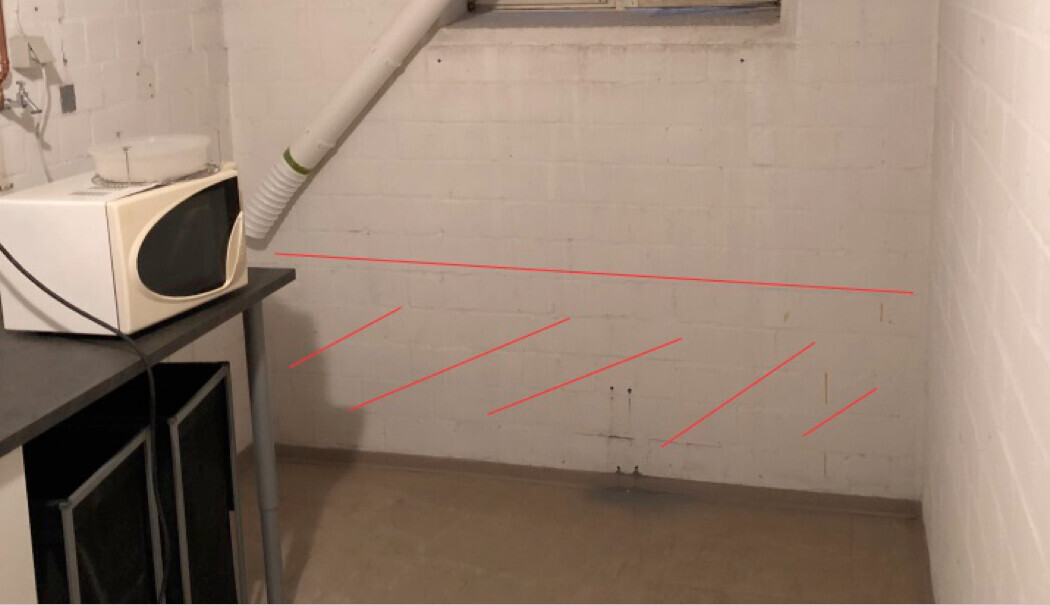
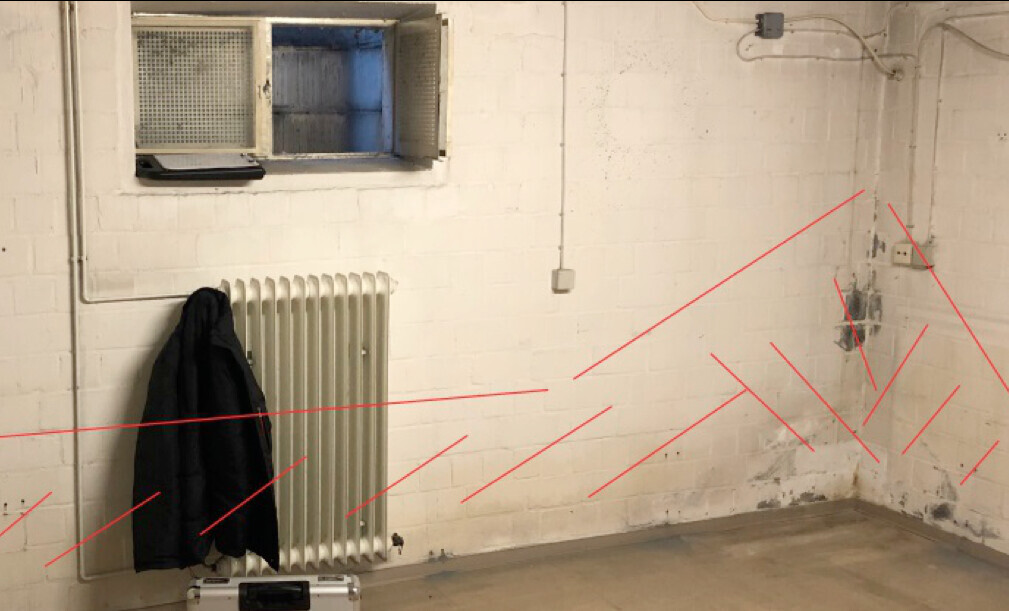
I have a question regarding our "older building" from 1980.
It is a semi-detached house, we lived in it for about 22 years, sold it last year, and handed it over to the buyer earlier this year.
The buyer now informs us that there are damp exterior walls in the basement and has provided us with an "expert report" from a waterproofing company, which also includes several photos of the affected walls. I will try to attach them.
He accuses us of knowing about the defect and concealing it, arguing that some bricks appear to have been painted over at some point.
The fact is, we never painted anything in the basement. In the room in question, open rolls of textured wallpaper, wood scraps, and boxes were stored for months and years without any problems. Also, the photos show no peeling paint, there is no musty smell, and no mold is present.
The buyers visited the house with an inspector before the purchase, but of course, there were things leaning against the walls, so they couldn’t see them completely in detail, which is normal in an occupied property.
In any case, during the years we lived there, we never experienced any moisture problems in the basement.
Can anyone share their thoughts on this?
Thanks in advance!
I had the same problem but was on the other side... So I don’t find some of the comments here very funny.
A) If the walls are damp, then you sold the problem and the previous owner placed stuff against the walls so the expert couldn’t take measurements. You can become a certified expert in a weekend seminar, and such an expert doesn’t provide any guarantees unless you had a really expensive expert report prepared, which almost no one actually does.
--> Then please take responsibility for the problem and pay for the waterproofing yourself. You should be glad if it only costs around 26,000 (currency) and the buyer accepts that. I personally wouldn’t want a house like that anymore and would want to cancel the sale.
B) If there is nothing in the basement, then go to a lawyer and get advice. You can definitely be held liable for fraudulent misrepresentation, and that will end up costing a lot more than 26,000 (currency). If the buyer wants to return the house, you will lose out big time!
How can anyone advise simply ignoring a message here? The buyer is actually still trying to resolve this without going to court or hiring lawyers.
But sure, just wait until the buyer’s lawyer contacts you, and then you’re only communicating through lawyers.
If you know for sure there is no problem, talk to the buyer, go there, inspect it yourself, take measurements. There’s no need to escalate this into a legal battle — no one wins except the lawyers!
Maybe the buyer panicked and immediately hired a ruthless waterproofing contractor. If so, you should take the initiative, calm them down, for your own sake and to save everyone’s nerves.
A) If the walls are damp, then you sold the problem and the previous owner placed stuff against the walls so the expert couldn’t take measurements. You can become a certified expert in a weekend seminar, and such an expert doesn’t provide any guarantees unless you had a really expensive expert report prepared, which almost no one actually does.
--> Then please take responsibility for the problem and pay for the waterproofing yourself. You should be glad if it only costs around 26,000 (currency) and the buyer accepts that. I personally wouldn’t want a house like that anymore and would want to cancel the sale.
B) If there is nothing in the basement, then go to a lawyer and get advice. You can definitely be held liable for fraudulent misrepresentation, and that will end up costing a lot more than 26,000 (currency). If the buyer wants to return the house, you will lose out big time!
How can anyone advise simply ignoring a message here? The buyer is actually still trying to resolve this without going to court or hiring lawyers.
But sure, just wait until the buyer’s lawyer contacts you, and then you’re only communicating through lawyers.
If you know for sure there is no problem, talk to the buyer, go there, inspect it yourself, take measurements. There’s no need to escalate this into a legal battle — no one wins except the lawyers!
Maybe the buyer panicked and immediately hired a ruthless waterproofing contractor. If so, you should take the initiative, calm them down, for your own sake and to save everyone’s nerves.
@Snowy36
Sorry that you had trouble and ran into difficulties, but what does that have to do with my case?
The current situation is that we consulted a lawyer who frequently handles cases like this and often represents the opposing party.
We then explained to the buyer in a brief email that we were able to use the basement rooms without any restrictions and had no indication of any moisture issues. No odors, no damage to furniture or stored materials.
We also pointed out that, given this, we do not consider any waterproofing work, especially to the extent proposed, to be necessary.
By the way, the short expert report from the waterproofing company nowhere mentions any "damage"; it only states that “elevated moisture levels” were measured during depth measurements.
According to the buyer, they have no knowledge of such matters and apparently get easily unsettled.
So far, we have not heard back. We are waiting.
Sorry that you had trouble and ran into difficulties, but what does that have to do with my case?
The current situation is that we consulted a lawyer who frequently handles cases like this and often represents the opposing party.
We then explained to the buyer in a brief email that we were able to use the basement rooms without any restrictions and had no indication of any moisture issues. No odors, no damage to furniture or stored materials.
We also pointed out that, given this, we do not consider any waterproofing work, especially to the extent proposed, to be necessary.
By the way, the short expert report from the waterproofing company nowhere mentions any "damage"; it only states that “elevated moisture levels” were measured during depth measurements.
According to the buyer, they have no knowledge of such matters and apparently get easily unsettled.
So far, we have not heard back. We are waiting.
Yes, of course he only noticed it later... maybe it rained heavily then, or he didn’t pay attention before. When you move in, you probably have other things on your mind than the basement; you just put everything in there and settle in. Maybe he realized later that the things he stored were damp... does it really matter when he notices?
@charli: Your situation is related because it’s essentially the same issue. The same point of dispute applies. I can explain the whole thing from a different perspective and, for example, why simply not reporting the problem, as has been suggested here, doesn’t help. Also, there is something like fraudulent misrepresentation and no such thing as “sold as is.” Only you know if the basement ever caused you problems, and accordingly, you should act in way A or B. That was my advice on this.
@charli: Your situation is related because it’s essentially the same issue. The same point of dispute applies. I can explain the whole thing from a different perspective and, for example, why simply not reporting the problem, as has been suggested here, doesn’t help. Also, there is something like fraudulent misrepresentation and no such thing as “sold as is.” Only you know if the basement ever caused you problems, and accordingly, you should act in way A or B. That was my advice on this.
M
Mottenhausen11 Mar 2019 09:53Read carefully again: I did not suggest doing nothing in general, but rather to avoid doing anything wrong right now. Mainly to prevent giving an unnecessary and involuntary admission through a poorly worded email or an escalating phone call.
Every story has two sides. Here, we only know one. But anyway, should I now advise the original poster to voluntarily pay for the buyer’s basement renovation?
Every story has two sides. Here, we only know one. But anyway, should I now advise the original poster to voluntarily pay for the buyer’s basement renovation?
A basement from 1980 that was not built as a waterproof concrete shell, which was uncommon in 1980, is naturally a bit damp. So what. It’s a basement. It’s simply not a place for laundry and such. You can dry it out by excavating all around, applying bitumen, and then covering it up again. But is that really necessary? K.
Similar topics