
Hello everyone,
I have a question regarding our "older building" from 1980.
It is a semi-detached house, we lived in it for about 22 years, sold it last year, and handed it over to the buyer earlier this year.
The buyer now informs us that there are damp exterior walls in the basement and has provided us with an "expert report" from a waterproofing company, which also includes several photos of the affected walls. I will try to attach them.
He accuses us of knowing about the defect and concealing it, arguing that some bricks appear to have been painted over at some point.
The fact is, we never painted anything in the basement. In the room in question, open rolls of textured wallpaper, wood scraps, and boxes were stored for months and years without any problems. Also, the photos show no peeling paint, there is no musty smell, and no mold is present.
The buyers visited the house with an inspector before the purchase, but of course, there were things leaning against the walls, so they couldn’t see them completely in detail, which is normal in an occupied property.
In any case, during the years we lived there, we never experienced any moisture problems in the basement.
Can anyone share their thoughts on this?
Thanks in advance!
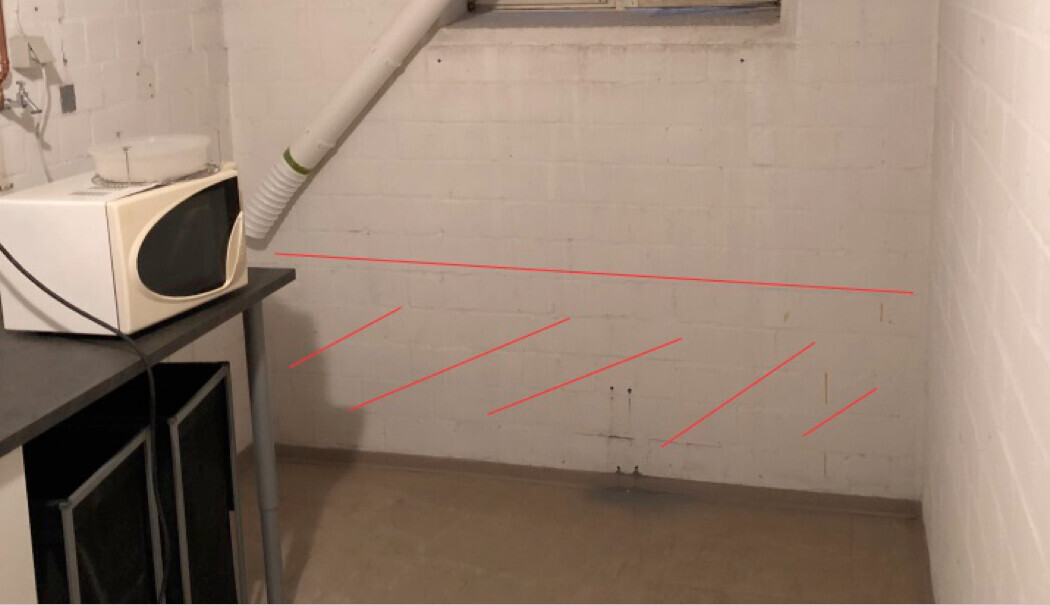
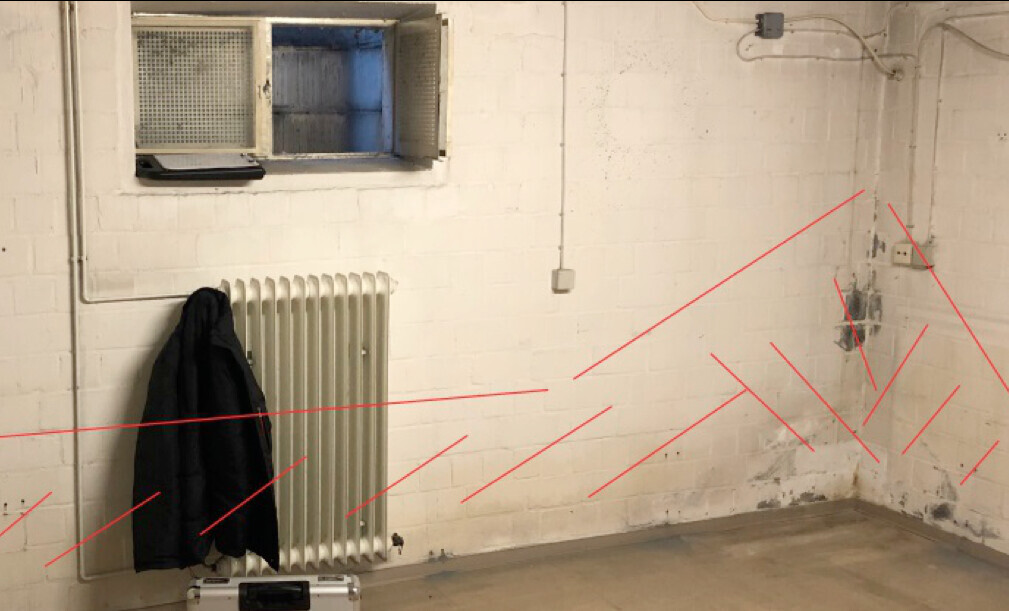
I have a question regarding our "older building" from 1980.
It is a semi-detached house, we lived in it for about 22 years, sold it last year, and handed it over to the buyer earlier this year.
The buyer now informs us that there are damp exterior walls in the basement and has provided us with an "expert report" from a waterproofing company, which also includes several photos of the affected walls. I will try to attach them.
He accuses us of knowing about the defect and concealing it, arguing that some bricks appear to have been painted over at some point.
The fact is, we never painted anything in the basement. In the room in question, open rolls of textured wallpaper, wood scraps, and boxes were stored for months and years without any problems. Also, the photos show no peeling paint, there is no musty smell, and no mold is present.
The buyers visited the house with an inspector before the purchase, but of course, there were things leaning against the walls, so they couldn’t see them completely in detail, which is normal in an occupied property.
In any case, during the years we lived there, we never experienced any moisture problems in the basement.
Can anyone share their thoughts on this?
Thanks in advance!
I understand that defects in real estate should always be reported in writing with a deadline, sent by registered mail. All emails sent with full first and last names as the sender also end up in my spam folder. Friends can reach me via direct message. I would discuss anything else, if necessary, with [USER=46458]@Mottenhausen via private message. However, he needs to contact you first.
He is welcome to do so 🙂
I think our buyer just wants to test the waters first, something like that, which is why it’s by email. There is no specific demand stated yet.
We will take the time to consult a lawyer to clarify things right away and avoid any mistakes.
Thanks for the suggestions in this direction.
I think our buyer just wants to test the waters first, something like that, which is why it’s by email. There is no specific demand stated yet.
We will take the time to consult a lawyer to clarify things right away and avoid any mistakes.
Thanks for the suggestions in this direction.
H
HilfeHilfe1 Feb 2019 21:32Normally, just a lawyer or no response at all and let him bark. Sometimes I don’t reply to emails for days.
M
Mottenhausen2 Feb 2019 00:06I wouldn’t respond to that. The likelihood that a lawyer is already involved behind the scenes seems quite high. The idea is probably to collect your written statements, set traps, and then use them later to build a case. Because if you immediately received a letter from a lawyer, the risk is high that you’d also consult one right away and avoid making any careless statements.
The fact is, he wants money. So he won’t be satisfied with any explanation from you anyway. Put his phone number on your phone’s block list right away, and so on.
Time is on your side, because it becomes much harder for an expert appointed later in the conflict to determine whether the moisture damage appeared before or after the purchase, and this will also be noted in the expert report.
So, long story short: don’t respond to emails, decline phone calls, always answer suppressed or unknown numbers with a false name, and wait for the other party’s reaction. If you receive a formal letter with demands and a deadline, then it’s time to see a lawyer.
…what kind of building surveyor was that anyway? The first thing to check is moisture damage in the basement and ground floor; that’s the ultimate negotiation opener. You just have to move a cabinet out of the way sometimes.
The fact is, he wants money. So he won’t be satisfied with any explanation from you anyway. Put his phone number on your phone’s block list right away, and so on.
Time is on your side, because it becomes much harder for an expert appointed later in the conflict to determine whether the moisture damage appeared before or after the purchase, and this will also be noted in the expert report.
So, long story short: don’t respond to emails, decline phone calls, always answer suppressed or unknown numbers with a false name, and wait for the other party’s reaction. If you receive a formal letter with demands and a deadline, then it’s time to see a lawyer.
…what kind of building surveyor was that anyway? The first thing to check is moisture damage in the basement and ground floor; that’s the ultimate negotiation opener. You just have to move a cabinet out of the way sometimes.
If an expert was present during the property purchase and did not detect the current moisture issue, either the expert is at fault or the defect occurred after the purchase. According to the second picture, the wall is in good condition. Moisture is only visible in the corner. A moisture measurement should be conducted throughout the entire basement area to verify this condition. Only the second picture suggests a faulty downpipe on the exterior.
Best regards
Best regards
Similar topics