
ᐅ Current Building Practices and New Residential Developments Compliant with Energy Efficiency Regulations
Created on: 24 Mar 2018 14:36
F
Fuchur
New development areas and how they look nowadays due to energy saving regulations, etc.
It used to be a huge site in an old district of East Berlin (former military area and restricted zone).
In 2006, things still started off quite reasonably. In the end, there are now around 500 houses. What’s interesting is that each year the plots got smaller, but the houses built on them became larger.
This was the beginning in 2006, as mentioned, still quite moderate:
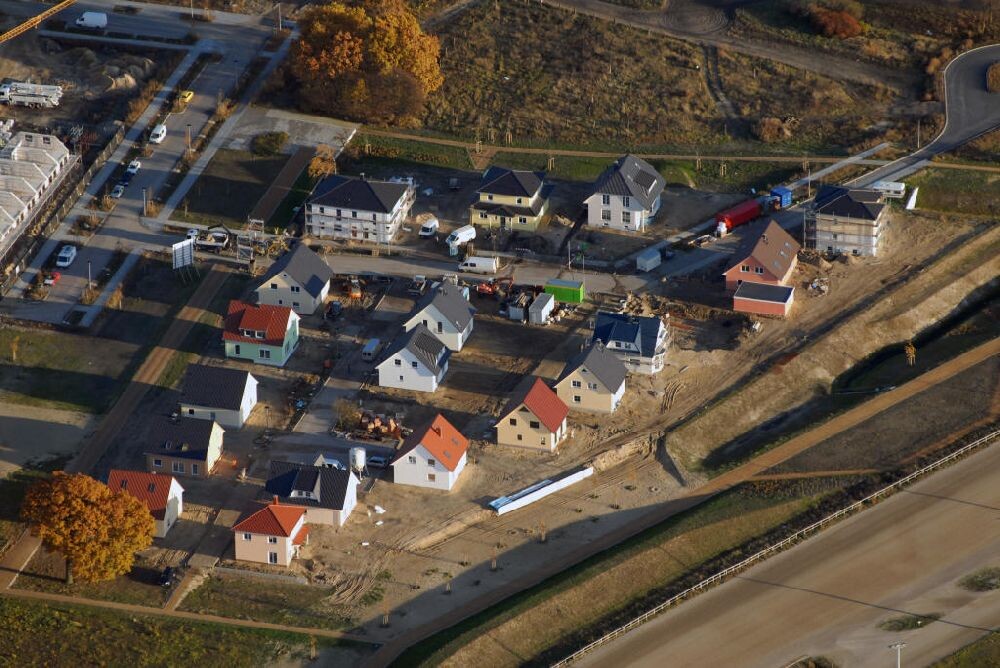
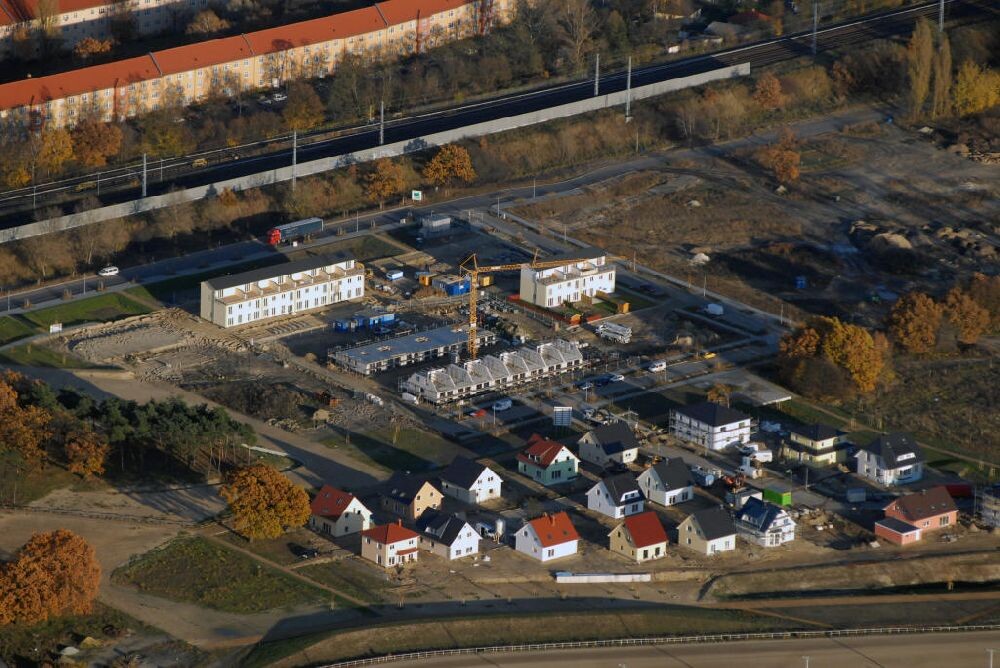
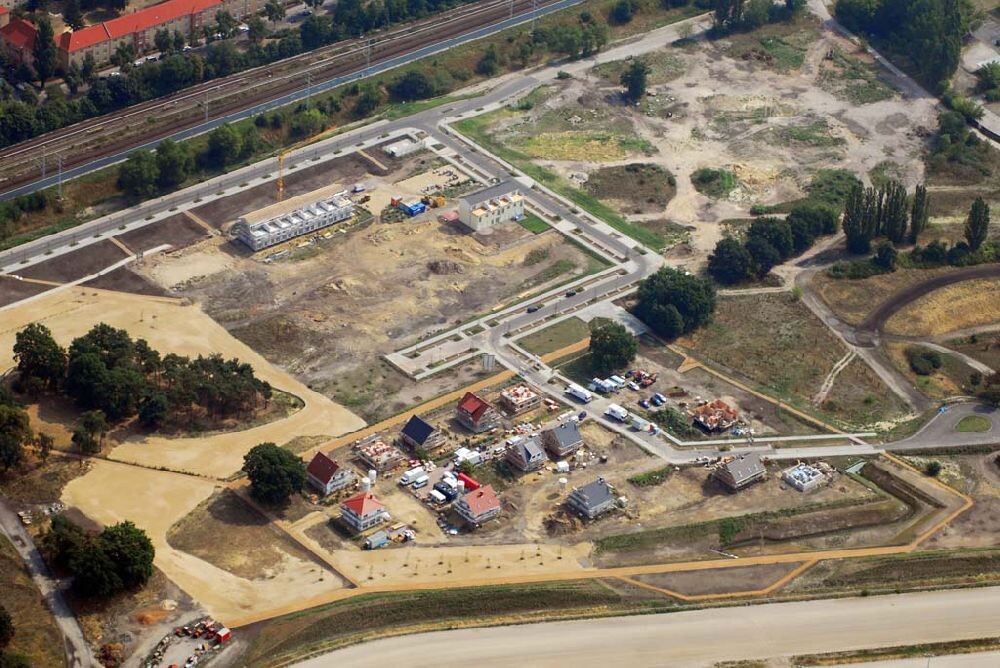
Now, around 2017 and after about four construction phases, this is what it looks like:
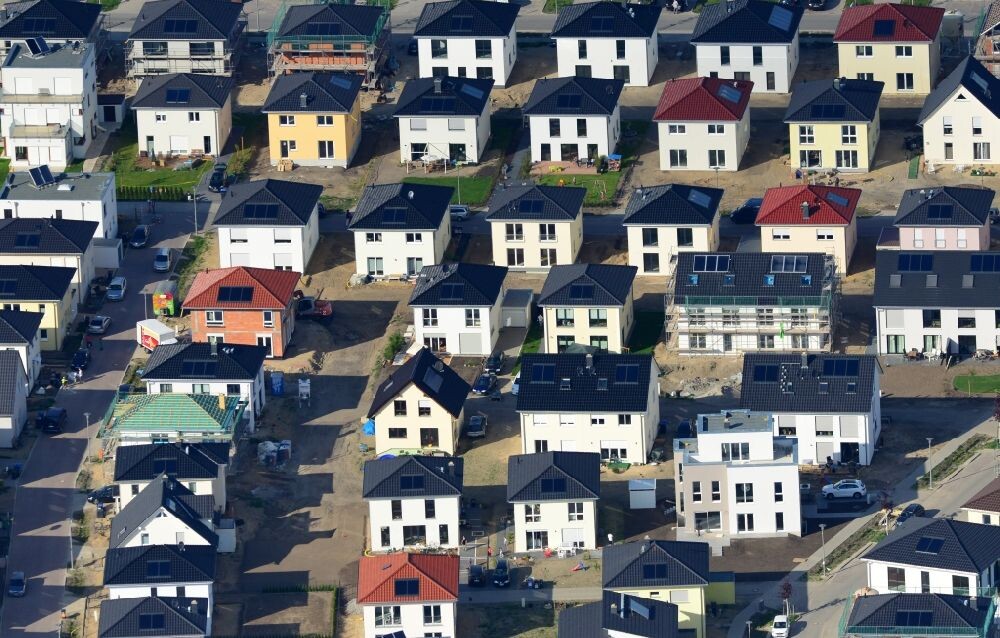
There was no real zoning plan there. Practically anything could be built that was available in the portfolio.
Combining and rearranging didn’t go perfectly smoothly but it’s alright...
Regards, Mycraft
It used to be a huge site in an old district of East Berlin (former military area and restricted zone).
In 2006, things still started off quite reasonably. In the end, there are now around 500 houses. What’s interesting is that each year the plots got smaller, but the houses built on them became larger.
This was the beginning in 2006, as mentioned, still quite moderate:
Now, around 2017 and after about four construction phases, this is what it looks like:
There was no real zoning plan there. Practically anything could be built that was available in the portfolio.
Fuchur schrieb:
OT: I would feel claustrophobic with these plots. The best ones are almost always in the shade...
Combining and rearranging didn’t go perfectly smoothly but it’s alright...
Regards, Mycraft
One last comment before we get back to the topic....
I never claimed that everything is perfect. There are areas here (just like in any big city) that are simply dirty and rundown. But there are also truly nice neighborhoods.
I’m not a fan of generalizations. Berlin is not just Kreuzberg, Mitte, and Charlottenburg. There are many other beautiful districts, and even in the less attractive ones, there are still great and unique spots.
Calling Berlin a completely criminal slum is simply unfair.
I never claimed that everything is perfect. There are areas here (just like in any big city) that are simply dirty and rundown. But there are also truly nice neighborhoods.
I’m not a fan of generalizations. Berlin is not just Kreuzberg, Mitte, and Charlottenburg. There are many other beautiful districts, and even in the less attractive ones, there are still great and unique spots.
Calling Berlin a completely criminal slum is simply unfair.

tomtom79 schrieb:
Here is an example
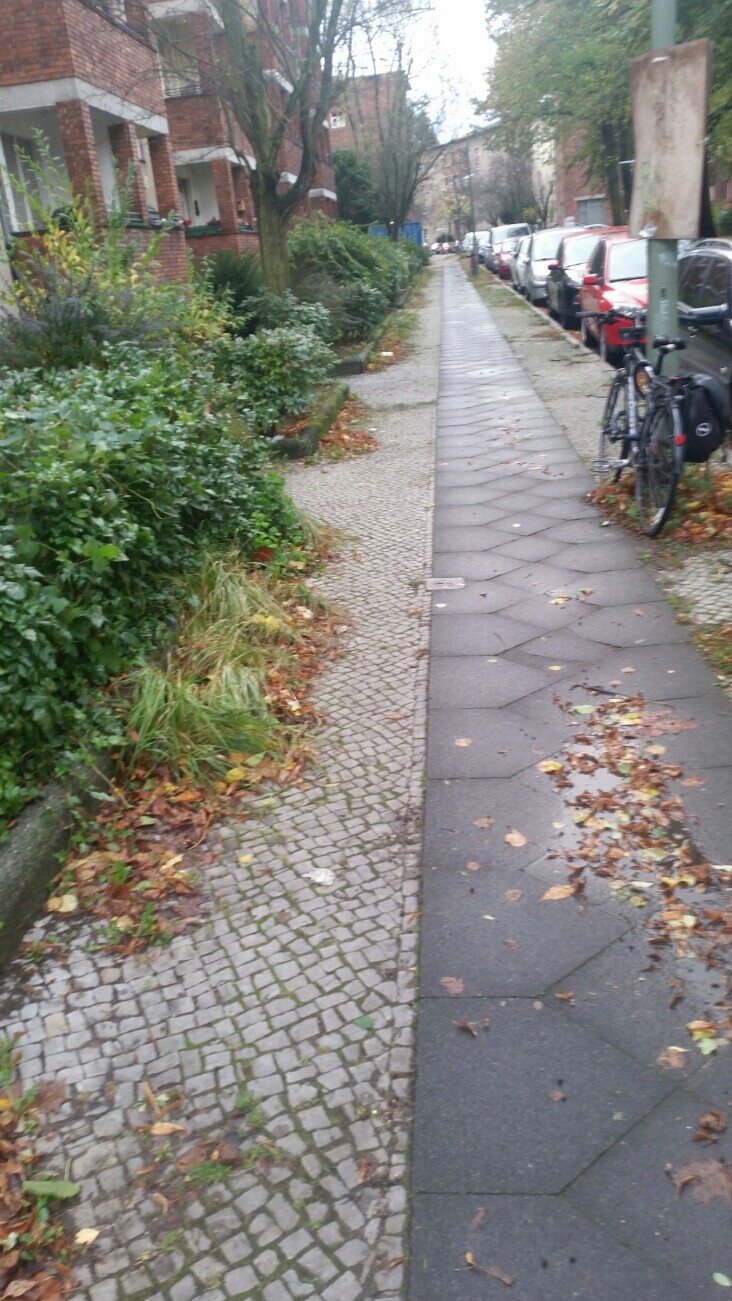
There is definitely no street cleaning here. Those are just leaves! So I think it’s completely fine, and it looks nice and green there as well. Problematic areas look like this:


Mycraft schrieb:
Gotha: At least someone created the roofs with an original folding design.
kaho674 schrieb:
Ugly corners look like this: And even there, a staggered shed roof sneaks in
Mycraft schrieb:
Marktschwaben: It looks like they first planned a traditional village green layout but then added a few extra building plots right in the center :-(
Nordlys schrieb:
The newcomers from Baden-Württemberg, show-offs with gigantic houses, This is what happens when you reallocate a land budget for a mid-level location in Stuttgart and then move to Holstein
https://www.instagram.com/11antgmxde/
https://www.linkedin.com/company/bauen-jetzt/
It will probably look no different for us than the previous “scary pictures”: 440 sqm (4,736 sq ft) right in the middle of everything. What can you do? Given the scarcity of building plots, the sharp rise in price per square meter, and costly energy-saving regulation measures, the question of whether you like it or not doesn’t even come up. It’s simply a matter of “this—or nothing.” And if you want a monthly payment under 1,000 euros, don’t want a prefab house from Poland, and still want at least some infrastructure nearby, well, then the cost calculation inevitably comes down to the size of the plot.
We are already very familiar with this kind of discussion and all the typical objections from relatives and acquaintances. Usually, these are people who built their homes ages ago (“Is it still possible to get exempt from the property transfer tax nowadays?”) or live out in the sticks (“It only cost 30 euros to connect utilities here. Fast internet is supposed to arrive in 2022.”). Every era leaves its mark, especially in architecture, and as everywhere, there are pros and cons. I am quite confident that when I’m older, I won’t have to call my grandchild every week to mow the lawn and weed the garden—like some widows today do, despite arthritis, with 1,200 sqm (12,917 sq ft) to maintain.
We are already very familiar with this kind of discussion and all the typical objections from relatives and acquaintances. Usually, these are people who built their homes ages ago (“Is it still possible to get exempt from the property transfer tax nowadays?”) or live out in the sticks (“It only cost 30 euros to connect utilities here. Fast internet is supposed to arrive in 2022.”). Every era leaves its mark, especially in architecture, and as everywhere, there are pros and cons. I am quite confident that when I’m older, I won’t have to call my grandchild every week to mow the lawn and weed the garden—like some widows today do, despite arthritis, with 1,200 sqm (12,917 sq ft) to maintain.
Jogger84 schrieb:
What can you do? Considering scarce plots of land, sharply increased prices per square meter, and costly energy efficiency regulations, the question isn’t whether you like it or not. Faced with the alternative of owning a home where you might want to shoot yourself (because the "standing height" in the attic with a pitched roof isn’t enough for hanging), I’m happy to remain a tenant. Owning your own land also means having a plot around it. Staring at the neighbor’s garage wall through a view like a prison fence would drive anyone crazy.
https://www.instagram.com/11antgmxde/
https://www.linkedin.com/company/bauen-jetzt/