
ᐅ Current Building Practices and New Residential Developments Compliant with Energy Efficiency Regulations
Created on: 24 Mar 2018 14:36
F
Fuchur
New development areas and how they look nowadays due to energy saving regulations, etc.
It used to be a huge site in an old district of East Berlin (former military area and restricted zone).
In 2006, things still started off quite reasonably. In the end, there are now around 500 houses. What’s interesting is that each year the plots got smaller, but the houses built on them became larger.
This was the beginning in 2006, as mentioned, still quite moderate:
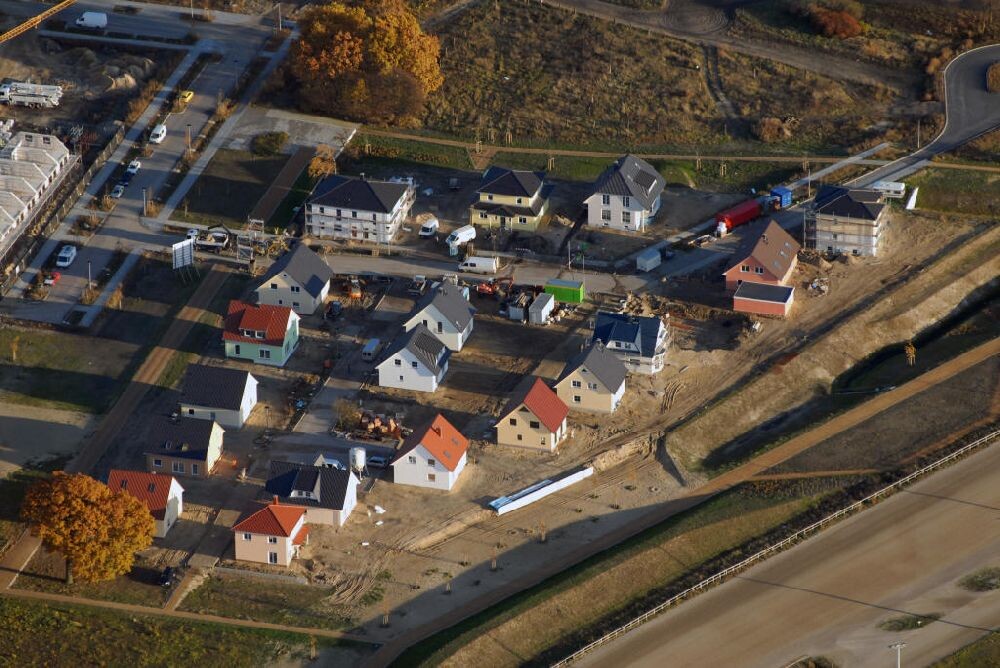
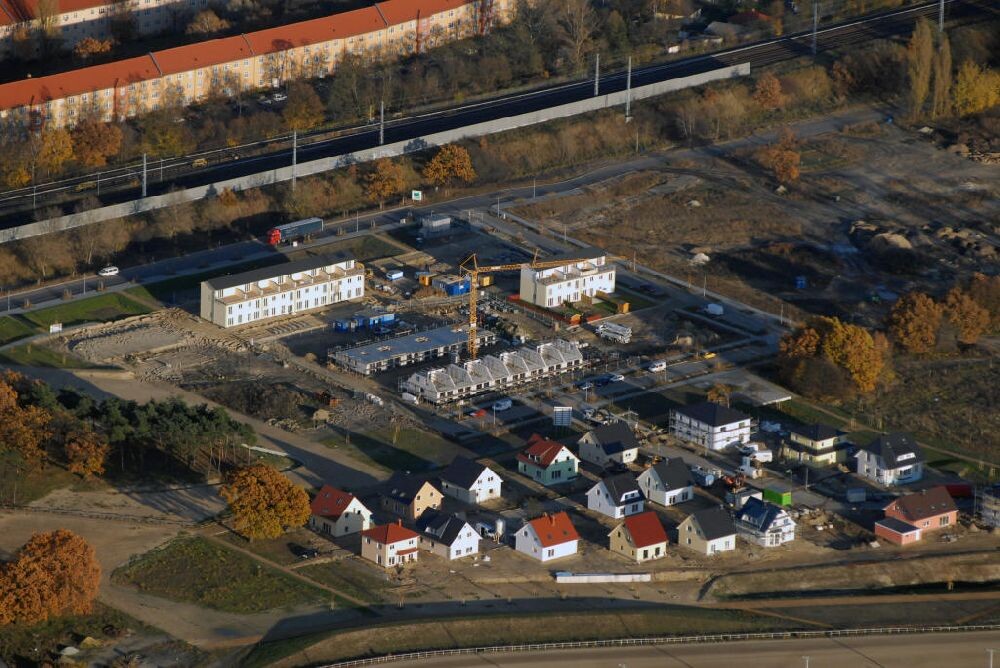
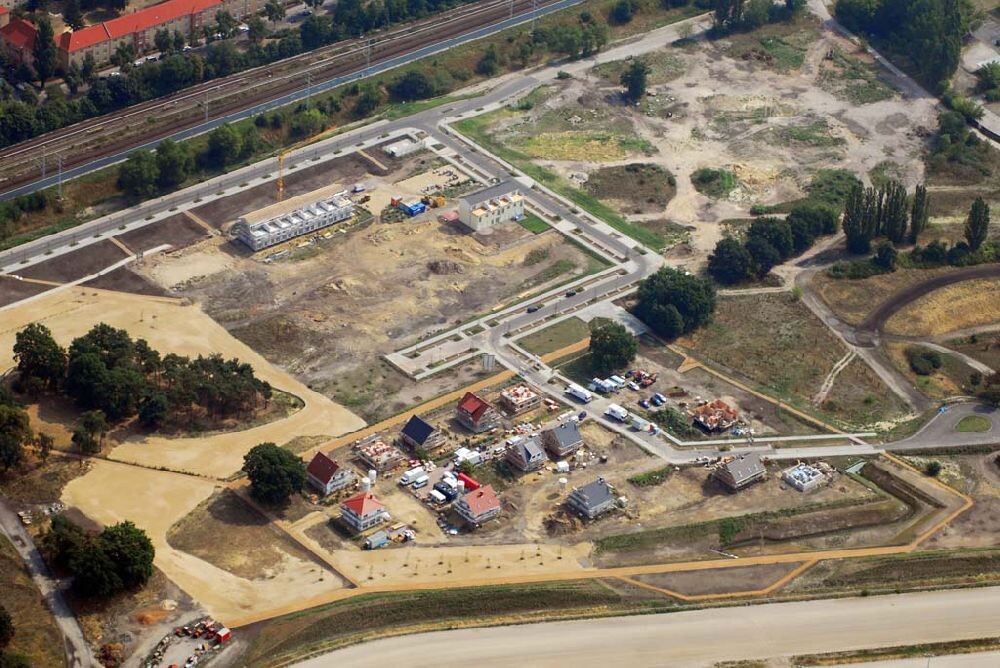
Now, around 2017 and after about four construction phases, this is what it looks like:
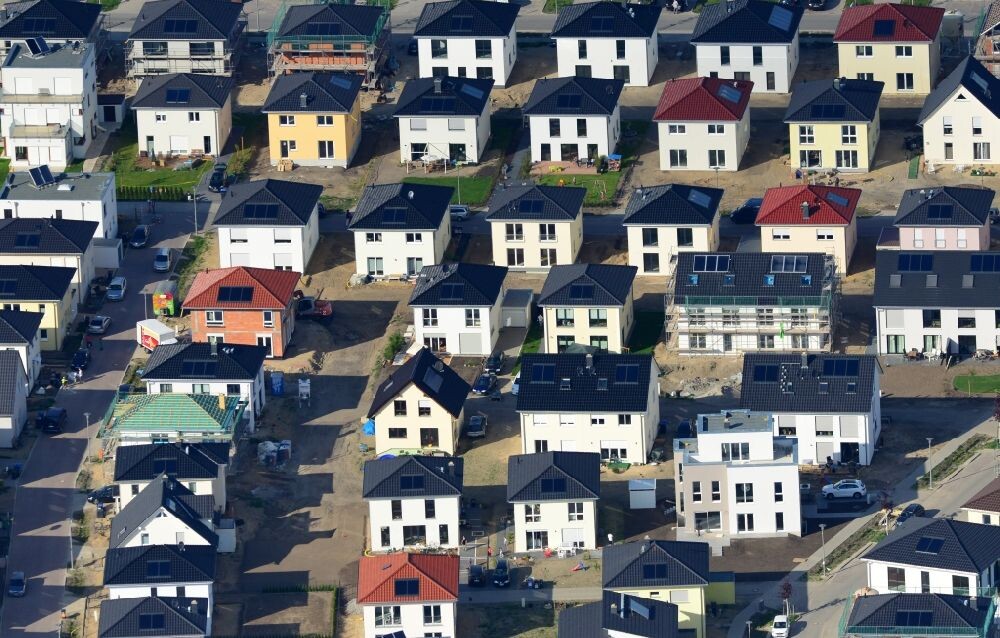
There was no real zoning plan there. Practically anything could be built that was available in the portfolio.
Combining and rearranging didn’t go perfectly smoothly but it’s alright...
Regards, Mycraft
It used to be a huge site in an old district of East Berlin (former military area and restricted zone).
In 2006, things still started off quite reasonably. In the end, there are now around 500 houses. What’s interesting is that each year the plots got smaller, but the houses built on them became larger.
This was the beginning in 2006, as mentioned, still quite moderate:
Now, around 2017 and after about four construction phases, this is what it looks like:
There was no real zoning plan there. Practically anything could be built that was available in the portfolio.
Fuchur schrieb:
OT: I would feel claustrophobic with these plots. The best ones are almost always in the shade...
Combining and rearranging didn’t go perfectly smoothly but it’s alright...
Regards, Mycraft
Yes, you’re right. It’s a bit of an exaggeration. About the photos: Osnabrück is okay. The building styles are quite varied.
And gravel gardens are not the norm here, at least. There are often fruit trees; one enthusiast has even planted palms and grapevines—he’s a fan of Greece. I wonder how well that will work with our weather? You see traditional earth walls instead of fences, small ponds, many flowers in front of the houses. Right now, crocuses are blooming, but daffodils haven’t quite managed yet—it’s still too cold, only 3-5°C (37-41°F), with frost at night. The newcomers from Baden-Württemberg, show-offs with giant houses, brought huge, showy plants in pots, and every morning the wind blows them over. She’s already quite desperate; you could probably buy the house soon as her hairstyle can’t handle the constant wind, as she calls it... Unfortunately, I’m not allowed to take photos of all this, as it wouldn’t be fair to the people. Karsten
And gravel gardens are not the norm here, at least. There are often fruit trees; one enthusiast has even planted palms and grapevines—he’s a fan of Greece. I wonder how well that will work with our weather? You see traditional earth walls instead of fences, small ponds, many flowers in front of the houses. Right now, crocuses are blooming, but daffodils haven’t quite managed yet—it’s still too cold, only 3-5°C (37-41°F), with frost at night. The newcomers from Baden-Württemberg, show-offs with giant houses, brought huge, showy plants in pots, and every morning the wind blows them over. She’s already quite desperate; you could probably buy the house soon as her hairstyle can’t handle the constant wind, as she calls it... Unfortunately, I’m not allowed to take photos of all this, as it wouldn’t be fair to the people. Karsten

Mycraft schrieb:
A garden setup also means additional time and work, which most people in typical new housing developments neither have the time for nor want more work.
In other words, terrace, hedge, lawn. Everything else means extra effort.
Here are a couple more examples, by the way:
Gotha is really impressive! In that case, might as well go with the concrete slab, right?
This raises the question of whether it is fair if no more building land is available and, instead, trees are planted. So, for example, anyone who wants to live near Berlin would have to move into a high-rise apartment—end of story. All the building land is gone.
Speaking of Berlin, recently there was a report about the housing shortage there. This sparked an argument at home about whether residents who can no longer afford to live there should have a right to housing. My husband is a staunch communist and was outraged that apartments were renovated and then rented out at double the price. The single mother had to figure out where to go.
I argued that no one can expect to live in the capital of Germany for next to nothing. If you live here, you belong to the elite or you live outside the city. On welfare benefits, you can only afford to live in Anklam.
My husband was already ready to file for divorce.
Speaking of Berlin, recently there was a report about the housing shortage there. This sparked an argument at home about whether residents who can no longer afford to live there should have a right to housing. My husband is a staunch communist and was outraged that apartments were renovated and then rented out at double the price. The single mother had to figure out where to go.
I argued that no one can expect to live in the capital of Germany for next to nothing. If you live here, you belong to the elite or you live outside the city. On welfare benefits, you can only afford to live in Anklam.
My husband was already ready to file for divorce.

Mycraft schrieb:
LOL, well, unfortunately, that’s the sad truth. There’s no space left for low-income earners in the capital.Even for the upper middle class, it’s impossible to find building land in Berlin and the surrounding commuter belt. Prices are truly insane.
Just recently, I saw a 600 sqm (6,458 sq ft) plot on the outskirts of Berlin listed for 259,000.