
ᐅ Cracks in the Lintel or Brickwork Above the Window – How to Address?
Created on: 17 Oct 2024 19:02
B
Brand0n
Hello everyone,
We recently purchased a single-family house and will soon be replacing some old windows.
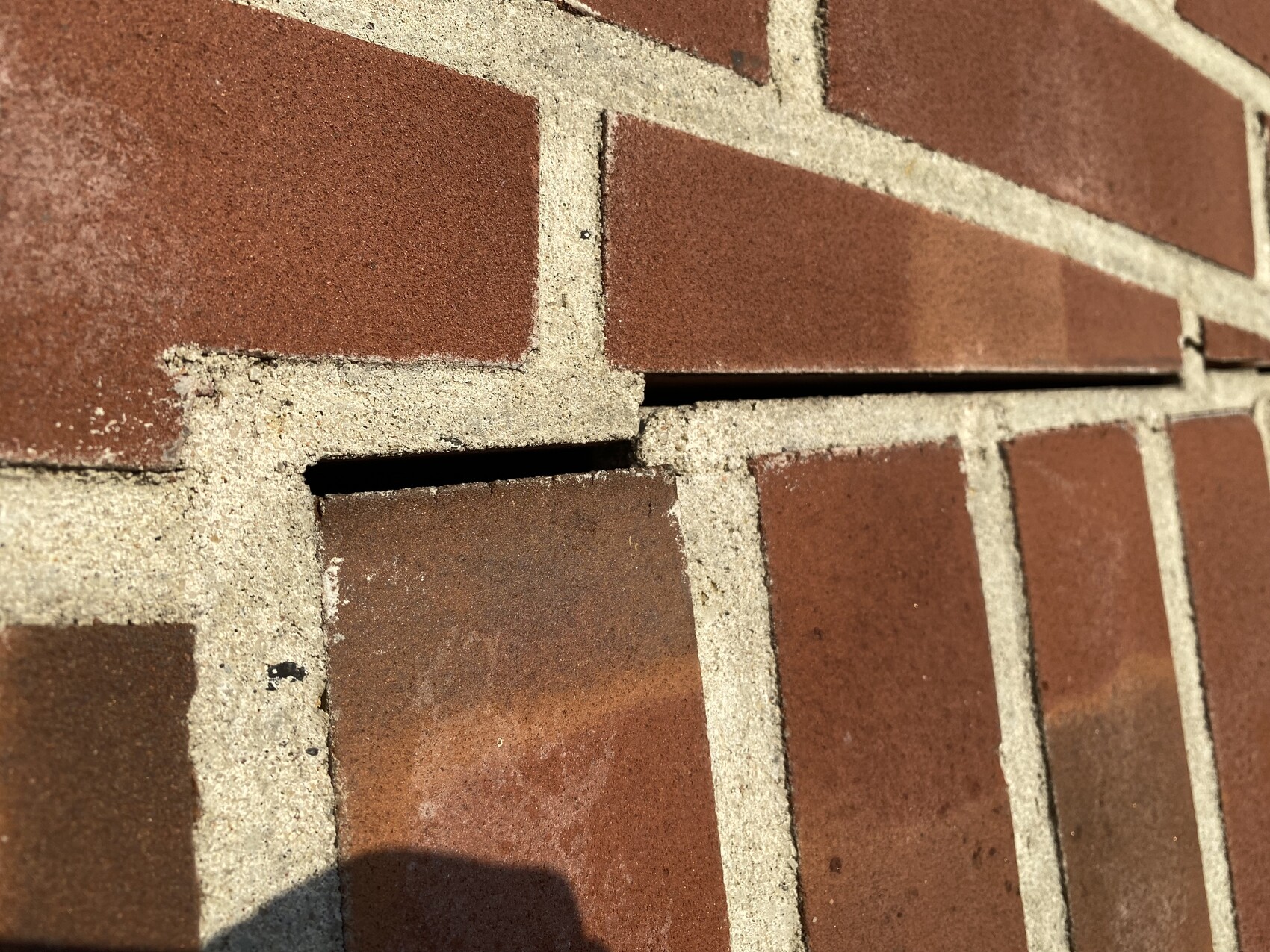
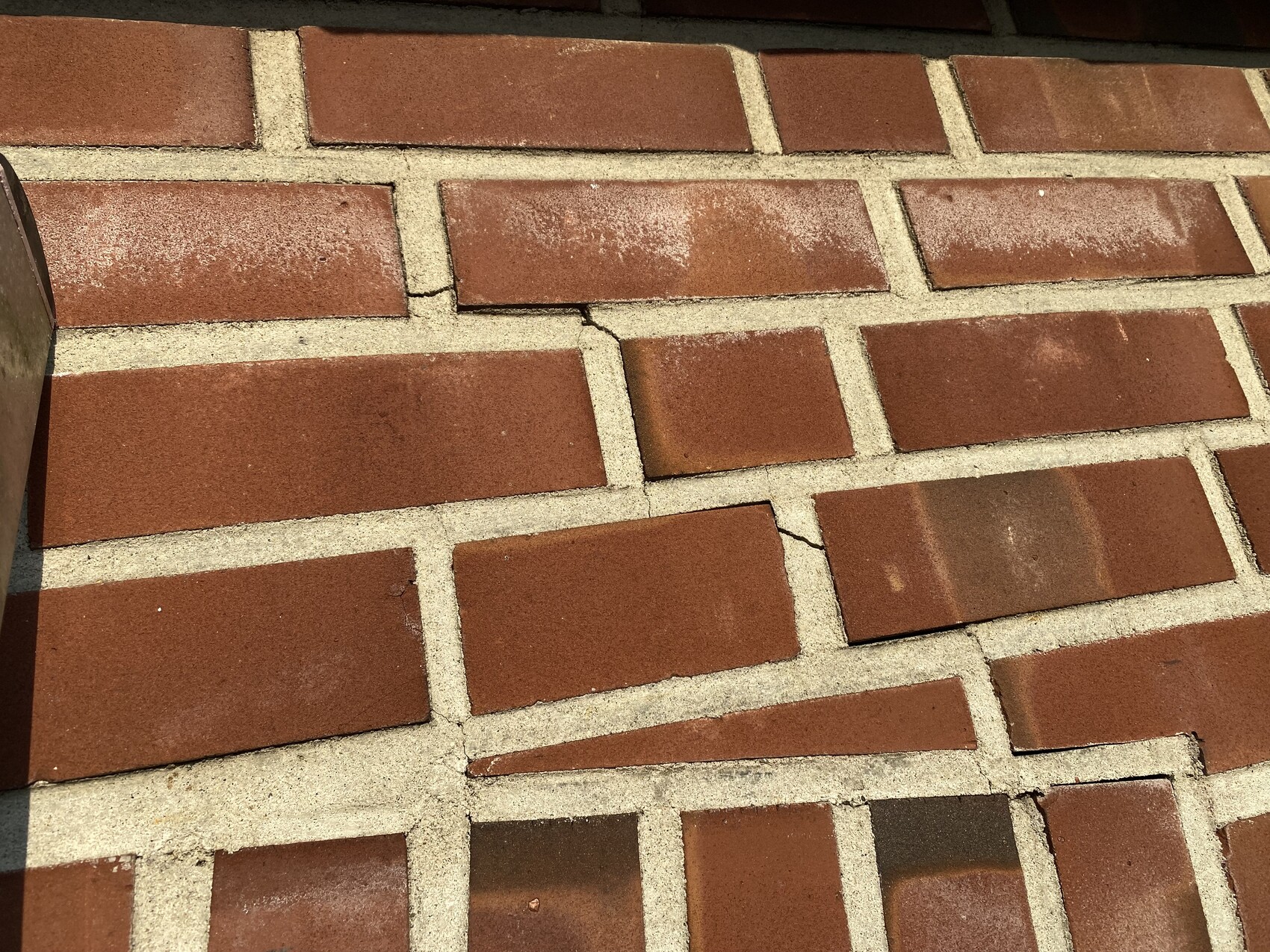
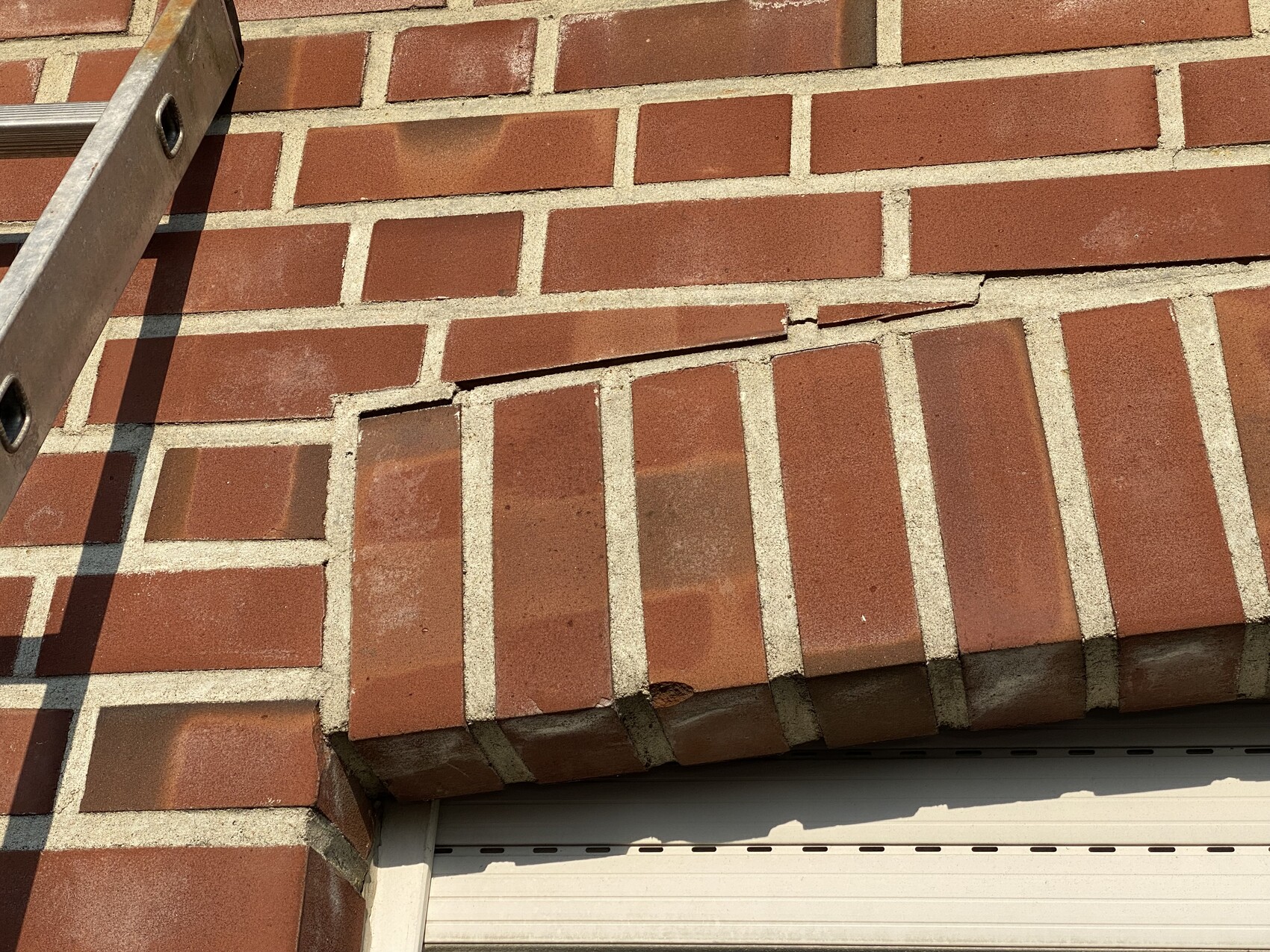
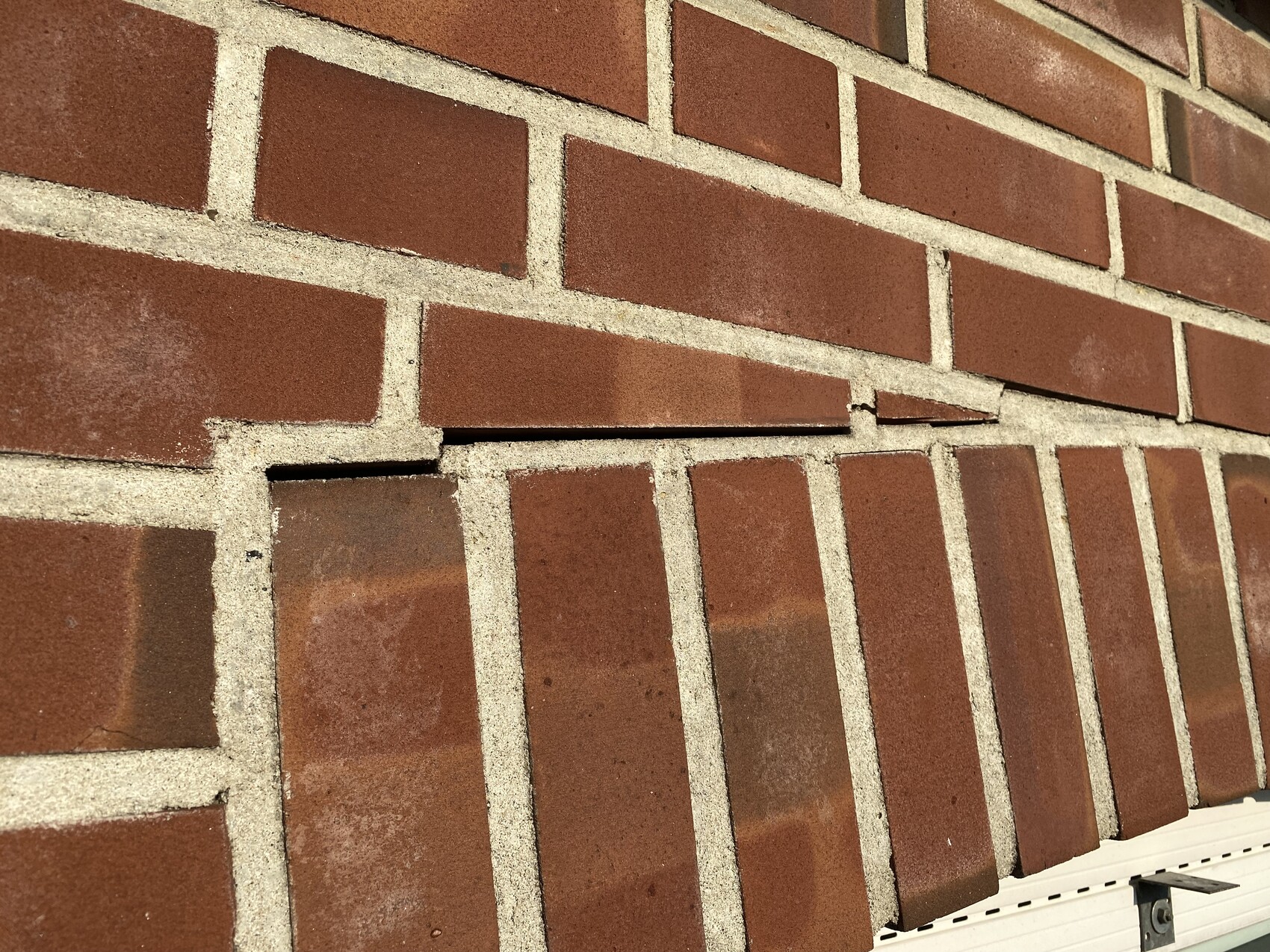
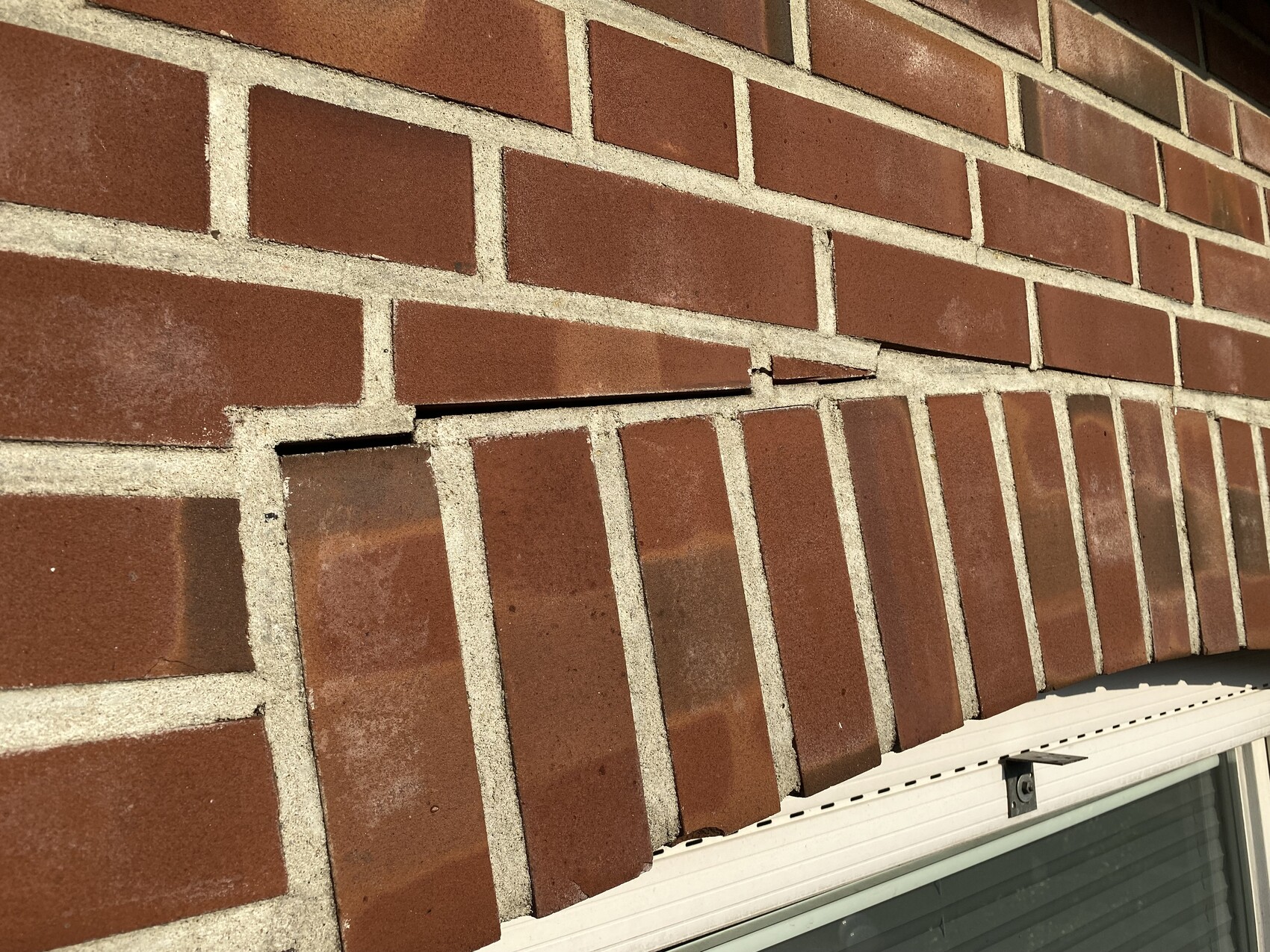
We have noticed cracks above the window lintel on the west side of the house. The building was constructed in 1989. It seems that the lintel above one of the windows has settled.
What could be the cause of this? What would be the best course of action? Should we leave it as is for now? Is there anything we can do ourselves? Would simply sealing the joints be sufficient?
We recently purchased a single-family house and will soon be replacing some old windows.
We have noticed cracks above the window lintel on the west side of the house. The building was constructed in 1989. It seems that the lintel above one of the windows has settled.
What could be the cause of this? What would be the best course of action? Should we leave it as is for now? Is there anything we can do ourselves? Would simply sealing the joints be sufficient?
B
Buchsbaum06619 Oct 2024 23:44Basically, there is no lintel above the window. The lintel is located above the window, and what you probably have is a brick veneer. There is also a lintel built in there, but it has slipped, which is not surprising because it’s poor workmanship.
The applied lintel does not rest on the side wall at all. You can see that in the photo. Filling the joints won’t help. The lintel needs to be removed and rebuilt with enough bearing on the wall. I’m not surprised it slipped.
From a structural perspective, this only affects your facade, not the main wall of the house. It could hold like this for a hundred years, but it might not. I would say it needs to be rebuilt. The effort required isn’t very high, assuming you have a skilled mason.
The applied lintel does not rest on the side wall at all. You can see that in the photo. Filling the joints won’t help. The lintel needs to be removed and rebuilt with enough bearing on the wall. I’m not surprised it slipped.
From a structural perspective, this only affects your facade, not the main wall of the house. It could hold like this for a hundred years, but it might not. I would say it needs to be rebuilt. The effort required isn’t very high, assuming you have a skilled mason.
M
MachsSelbst24 Oct 2024 23:05Buchsbaum066 schrieb:
Basically, there is no lintel above the window. The lintel is located above the window, and what you likely have is a brick veneer facade. There is also a lintel built into that, which has slipped, unsurprisingly, because it is a result of poor workmanship.
(...). The masonry lintel transfers the load into the side wall, so it does not need to rest on anything. In fact, if it did rest on something, that would be an overconstraint and could actually cause problems.
N
nordanney25 Oct 2024 10:13Buchsbaum066 schrieb:
There is also a lintel built in there. It has slipped, which is not surprising because it is poor workmanship. I can’t see that. Please explain it to us.
We would like to know how the lintel was constructed (a nearly straight arch according to the appearance, but was it just masonry, a precast lintel, or reinforced).
However, in one picture, cracks can be seen above a lintel. I would actually recommend having a professional come and take a look. It’s difficult to assess the overall damage problem from a distance.

MachsSelbst schrieb:
The masonry lintel transfers the load to the side wall, so it shouldn’t rest anywhere. In fact, if it did rest, that would be an overconstraint and would actually cause more problems. What do you mean (and what is an overconstraint)?
I still see a lack of clarity regarding the construction of the wall and lintel, focusing only on the lintel in the facing brick layer. Clearly, that is not professionally executed, because this segmental arch is too shallow for the bricks to “lock” together and hold each other. The fact that it only slips on one side is actually a small miracle. As I said, for suggestions on repair, the original poster needs to fully disclose the construction details.
https://www.instagram.com/11antgmxde/
https://www.linkedin.com/company/bauen-jetzt/
B
Buchsbaum06625 Oct 2024 13:07Some people seem to have misunderstood. As you correctly stated, this is a brick cladding system, also known as a facing brick shell. However, these are not just facing bricks but actually solid bricks.
The masonry lintel for this cladding has not been properly constructed, and that is the cause of the damage. It is likely to get worse.
But as mentioned earlier, this concerns the window lintel. It is simply a masonry lintel for the cladding. Structurally, it has no significance for the main load-bearing wall or the window itself.
The masonry lintel for this cladding has not been properly constructed, and that is the cause of the damage. It is likely to get worse.
But as mentioned earlier, this concerns the window lintel. It is simply a masonry lintel for the cladding. Structurally, it has no significance for the main load-bearing wall or the window itself.
Similar topics