
ᐅ Crack in the External Insulation – Potential Issue with Water or Moisture?
Created on: 20 Feb 2018 21:30
L
lolerlolerL
lolerloler20 Feb 2018 21:30Good evening dear experts,
I have a crack in the external insulation, which was obviously caused by the attachment of the rain gutter – the crack is about 30-40 cm long (12-16 inches).
I have a few questions:
- Is this purely a cosmetic issue, or can water or moisture penetrate the crack, potentially causing mold or further damage to the external insulation? Opinions online seem to vary quite a bit.
- If I want to fix it – what would be the best method? Filling it with filler (which type?)? I am concerned that the crack might be too narrow to properly press filler in. If this is done – should it be done now in winter or would it be better to wait until spring or summer?
- Or would it be easiest to simply apply exterior paint over it repeatedly until the crack is no longer visible?
While we’re at it – are there general recommendations for how often the exterior paint should be renewed (10, 15, 20 years, etc.)?
Thank you in advance and
Best regards.
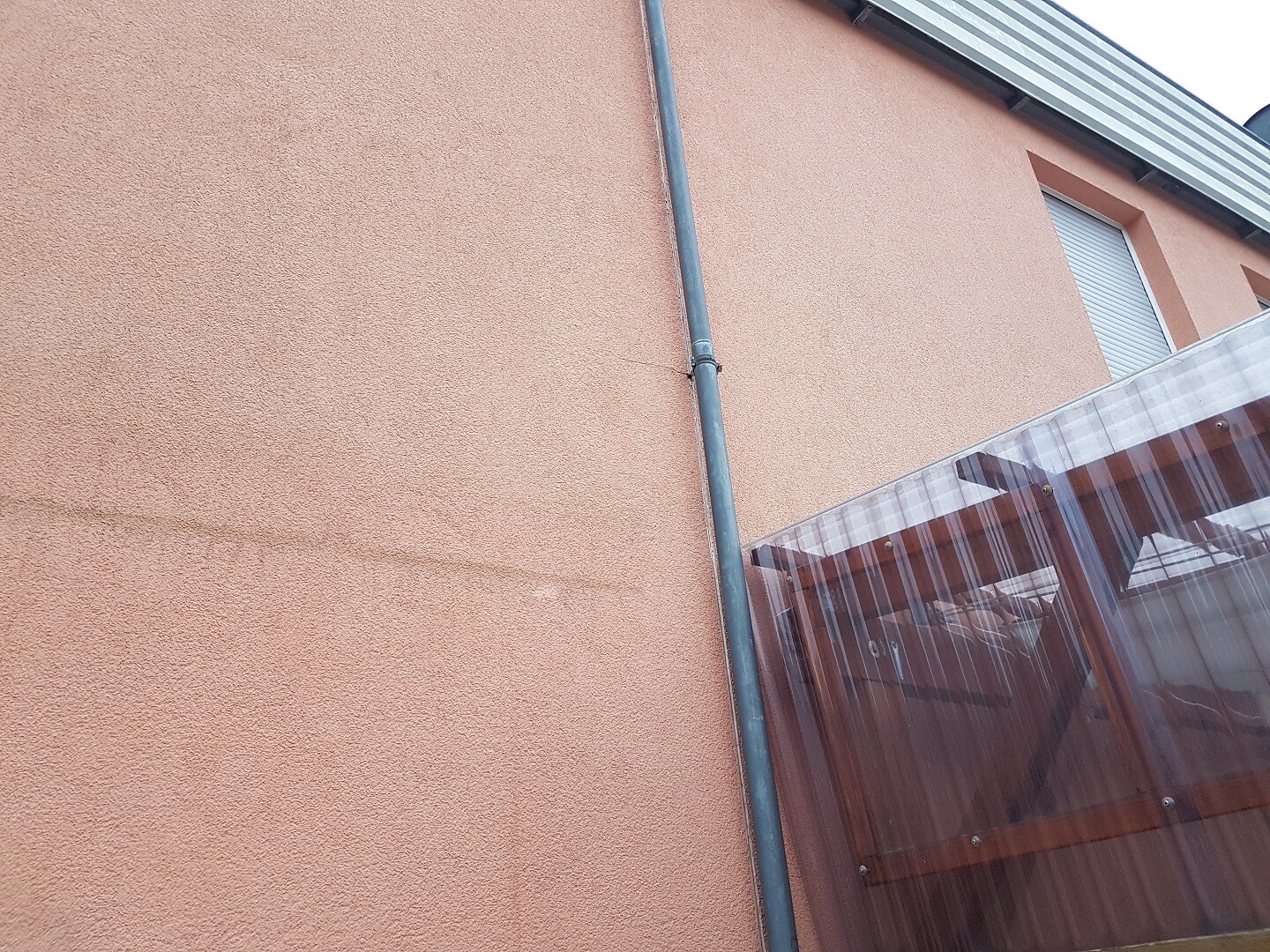
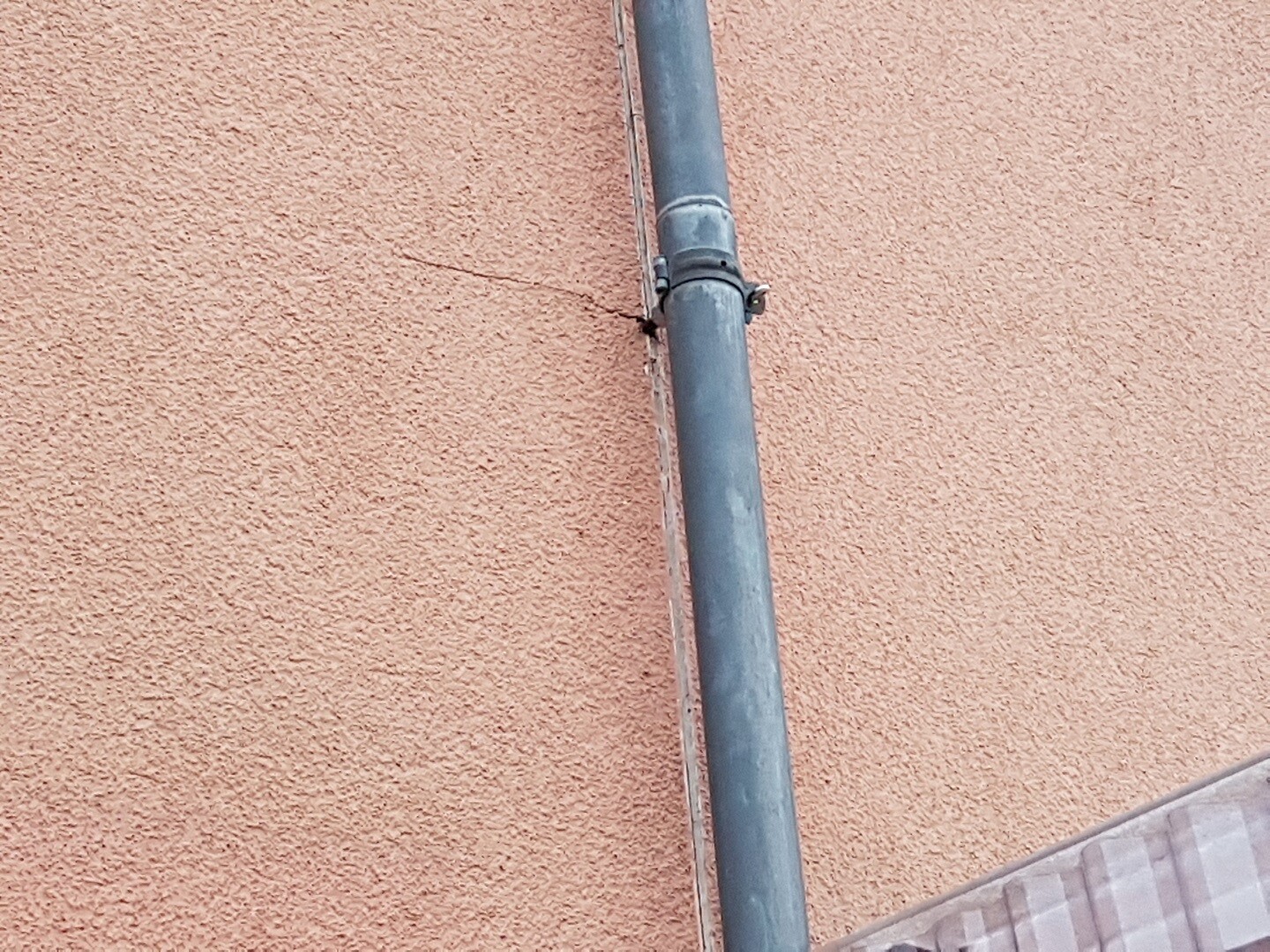

I have a crack in the external insulation, which was obviously caused by the attachment of the rain gutter – the crack is about 30-40 cm long (12-16 inches).
I have a few questions:
- Is this purely a cosmetic issue, or can water or moisture penetrate the crack, potentially causing mold or further damage to the external insulation? Opinions online seem to vary quite a bit.
- If I want to fix it – what would be the best method? Filling it with filler (which type?)? I am concerned that the crack might be too narrow to properly press filler in. If this is done – should it be done now in winter or would it be better to wait until spring or summer?
- Or would it be easiest to simply apply exterior paint over it repeatedly until the crack is no longer visible?
While we’re at it – are there general recommendations for how often the exterior paint should be renewed (10, 15, 20 years, etc.)?
Thank you in advance and
Best regards.
My advice, even if it might be harmless—which I don’t know—you keep looking at it, it annoys you and keeps circling in your mind. So get rid of it. How? Use a Dremel to open it slightly, then get a cartridge of Sikaflex or a similar product, apply it to seal the area, and then paint over the Sikaflex. Be careful: not silicone, as it can’t be painted over. Not acrylic, because it’s not waterproof. Also, don’t use products like Moltofill, since it’s on the outside. Karsten
L
lolerloler23 Feb 2018 19:54Good evening Karsten,
thank you. How can one determine whether the crack is concerning or not?
By not repainting, do you mean not using the actual exterior paint color? Wouldn't that make it even more noticeable visually?
When is the best time to do this – now or in spring or summer?
PS: What do the others think?
thank you. How can one determine whether the crack is concerning or not?
By not repainting, do you mean not using the actual exterior paint color? Wouldn't that make it even more noticeable visually?
When is the best time to do this – now or in spring or summer?
PS: What do the others think?
L
lolerloler24 Feb 2018 08:33Ok, thanks. Last question – should we do it now or wait until spring or summer?
K
Knallkörper24 Feb 2018 09:05It is important that the wall is dry, so it is better to apply the material in spring when the sun has been shining on it. Polyurethane can basically be applied at temperatures above a few degrees Celsius (a few degrees Fahrenheit). However, it then takes about two weeks for a 1cm (0.4 inch) thick seam to fully cure.