
V
VolkerRacho19 Nov 2020 21:39Hello everyone,
we installed cork flooring in our new build. It is supposed to be a "quality product" from the company Amorim (Cork Essence).
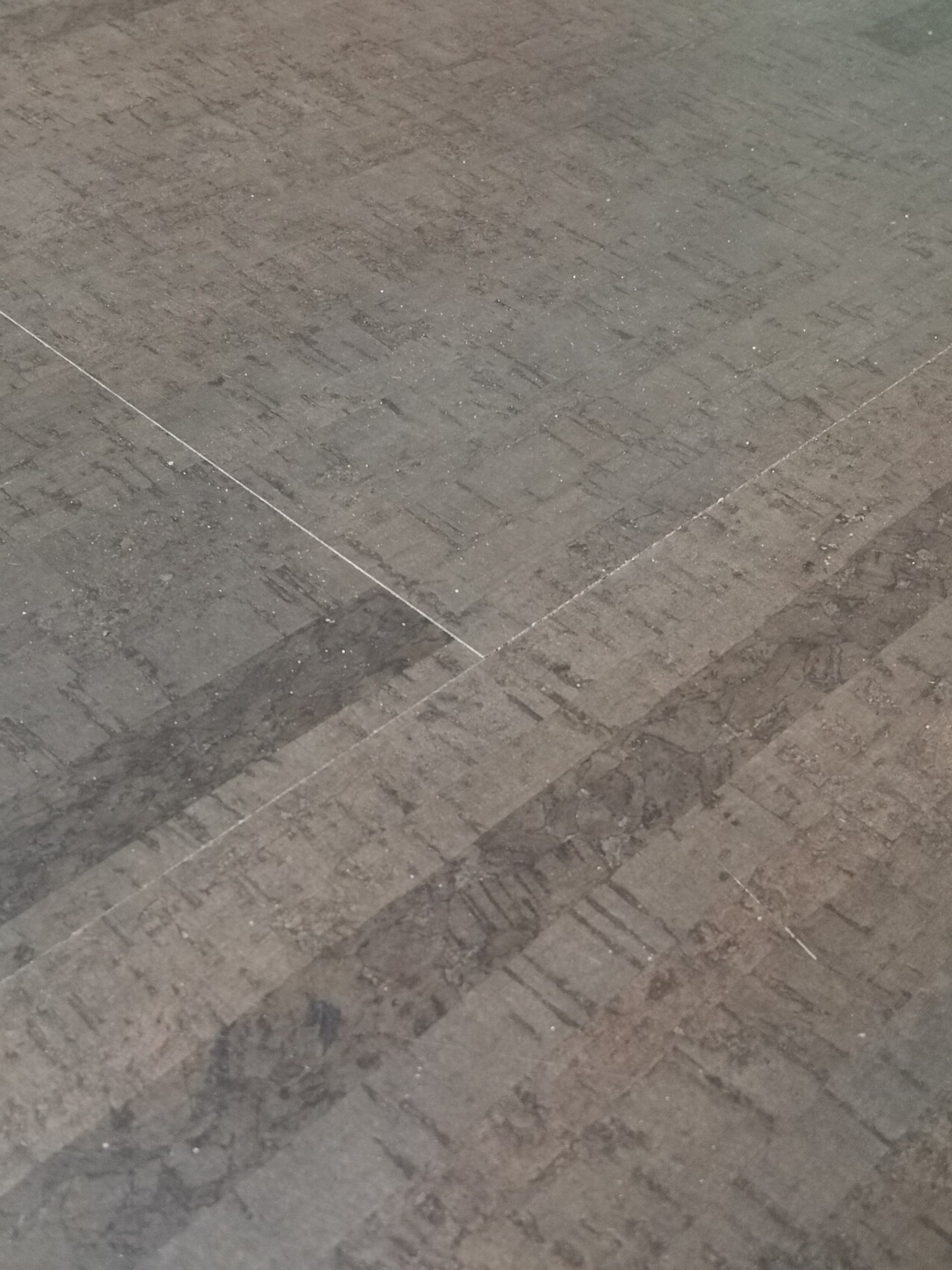
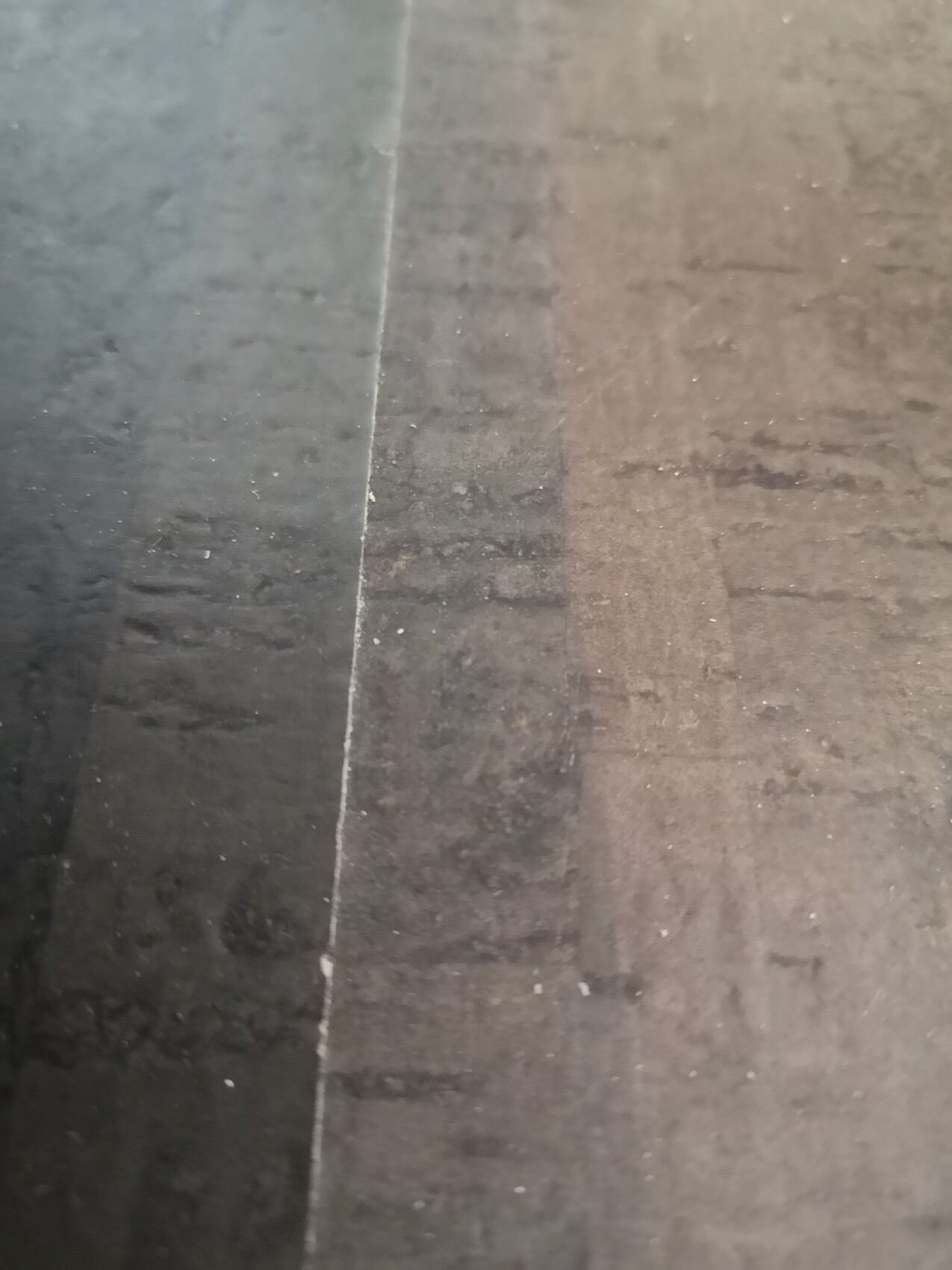
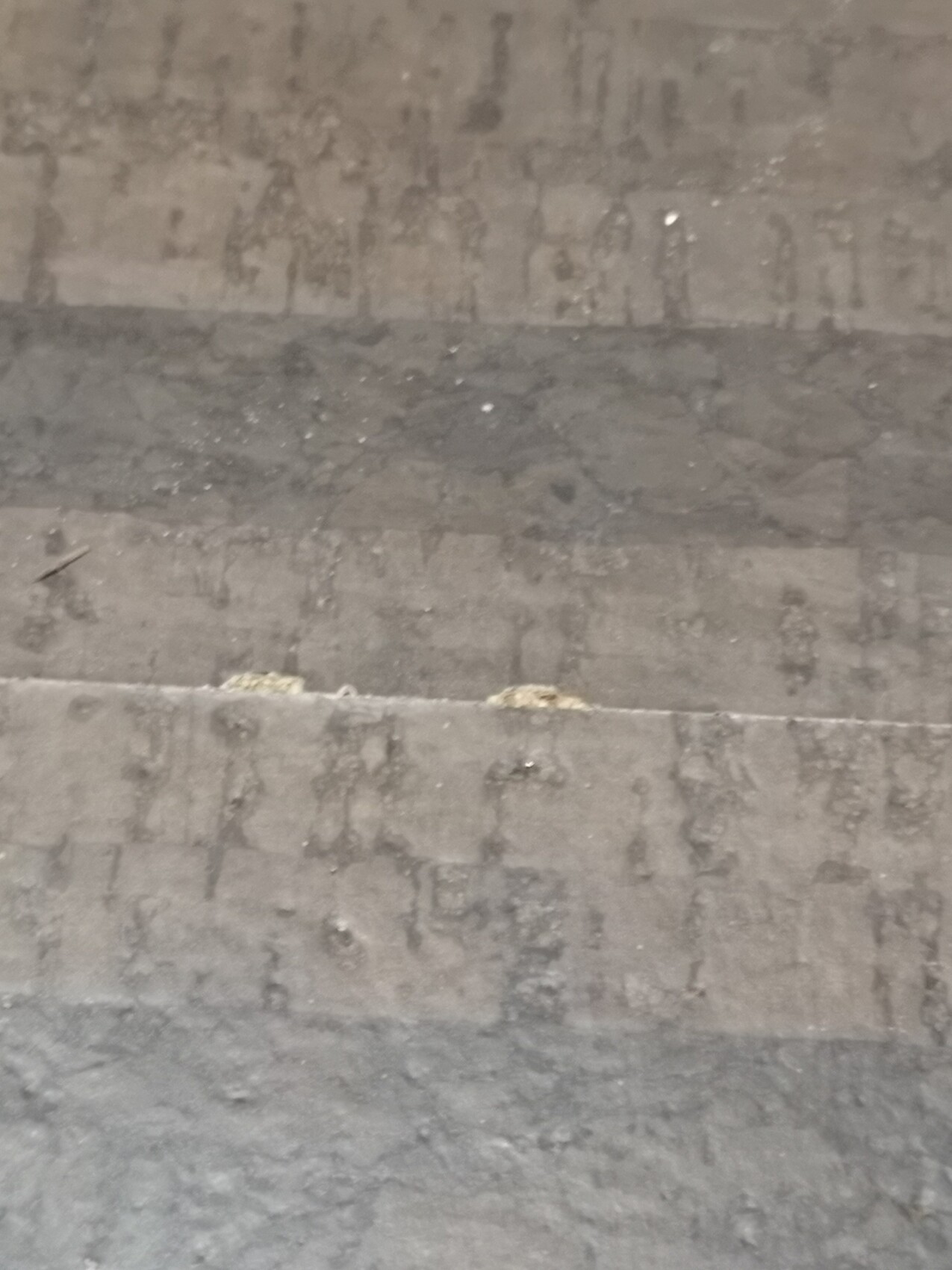
Here are a few pictures. The "joints" are noticeably raised, so you can clearly feel them with your finger. There are also some surface chips already visible (see pictures).
Does anyone have experience with this material? Is this result normal? What could be the possible causes?
The floor is installed over underfloor heating, for which it is allegedly suitable.
If this is really the "normal" result for this type of flooring, I would definitely never use it again...
we installed cork flooring in our new build. It is supposed to be a "quality product" from the company Amorim (Cork Essence).
Here are a few pictures. The "joints" are noticeably raised, so you can clearly feel them with your finger. There are also some surface chips already visible (see pictures).
Does anyone have experience with this material? Is this result normal? What could be the possible causes?
The floor is installed over underfloor heating, for which it is allegedly suitable.
If this is really the "normal" result for this type of flooring, I would definitely never use it again...

 bauenmk202019 Nov 2020 22:44
d) Are joint gaps maintained in relation to the walls?
e) How strong is the floor and what is its construction?
e) How strong is the floor and what is its construction?
V
VolkerRacho21 Nov 2020 10:06Hello,
I can’t answer all the questions, unfortunately I’m not very technically inclined.
a) On the construction site (or in the rooms), the material was stored for about 2-4 weeks before it was installed.
b) I don’t know, unfortunately. To my knowledge, it was the manufacturer’s recommended option.
c) The room was temperature-controlled. Maybe even “too warm,” as the material was there during the heating phase of the underfloor heating (a possible cause of the issue).
d) Yes, this was checked again. That was our first assumption, but it doesn’t seem to accumulate against the walls.
e) I’m not exactly sure about this.
For me, the initial question isn’t about the definitive cause yet (although I’m grateful for any ideas). First, it’s important to know whether the described “problem” is normal for a click cork flooring (and something to live with), or if it could be a defect. Since I had the house built turnkey, investigating the cause is more of a matter for the construction company, not me.
I can’t answer all the questions, unfortunately I’m not very technically inclined.
a) On the construction site (or in the rooms), the material was stored for about 2-4 weeks before it was installed.
b) I don’t know, unfortunately. To my knowledge, it was the manufacturer’s recommended option.
c) The room was temperature-controlled. Maybe even “too warm,” as the material was there during the heating phase of the underfloor heating (a possible cause of the issue).
d) Yes, this was checked again. That was our first assumption, but it doesn’t seem to accumulate against the walls.
e) I’m not exactly sure about this.
For me, the initial question isn’t about the definitive cause yet (although I’m grateful for any ideas). First, it’s important to know whether the described “problem” is normal for a click cork flooring (and something to live with), or if it could be a defect. Since I had the house built turnkey, investigating the cause is more of a matter for the construction company, not me.
N
Nice-Nofret21 Nov 2020 12:05The question is always how much water it gets during mopping; it could also be swelling damage.
V
VolkerRacho21 Nov 2020 21:36I can rule that out. We once wiped while the surface was damp from fog and then immediately wiped it dry. Since then, we have only swept...
Similar topics