
Hello!
Last week, I bought a house that has a sort of conservatory extension on two sides. The roof is tiled, and there is a wooden base around 1 meter (3 feet) high, with insulated sash windows up to the ceiling. The floor is paved, which obviously can’t stay like that. The extension is also heated. To me, it looks like a previously roofed and then enclosed terrace. How should I proceed now? Remove the paving stones? And then what? I have no idea where to start or exactly what needs to be done. The budget for this is also quite limited...
Thank you! Tina
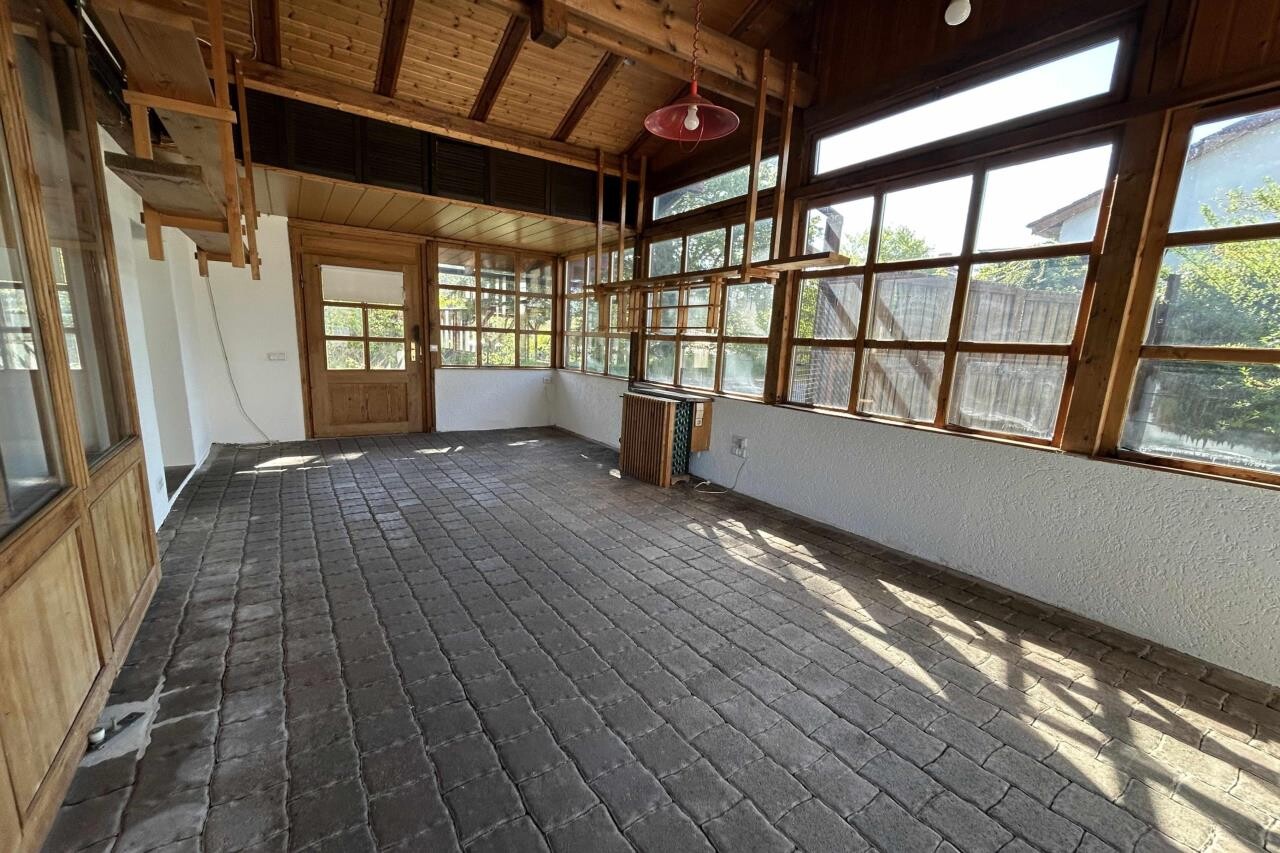
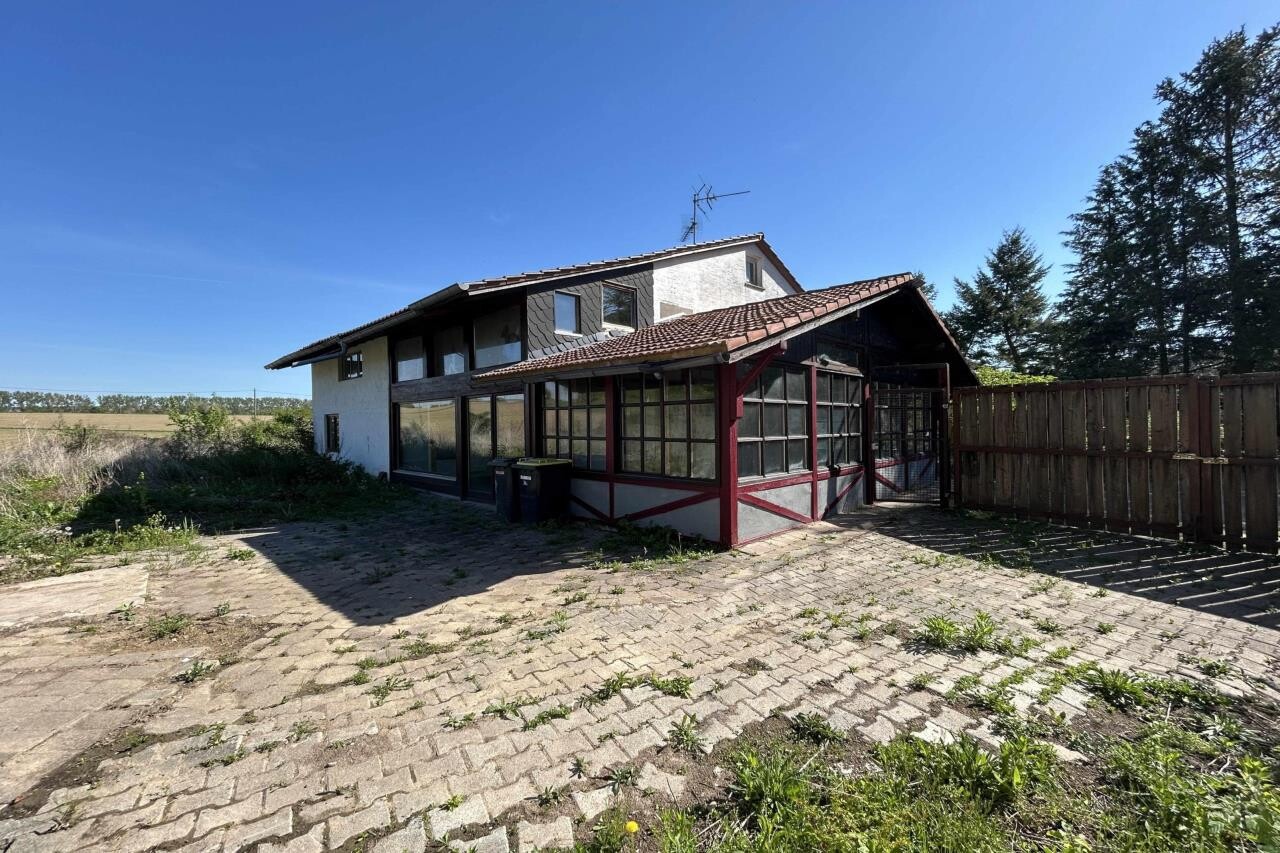
Last week, I bought a house that has a sort of conservatory extension on two sides. The roof is tiled, and there is a wooden base around 1 meter (3 feet) high, with insulated sash windows up to the ceiling. The floor is paved, which obviously can’t stay like that. The extension is also heated. To me, it looks like a previously roofed and then enclosed terrace. How should I proceed now? Remove the paving stones? And then what? I have no idea where to start or exactly what needs to be done. The budget for this is also quite limited...
Thank you! Tina
W
wiltshire16 Sep 2025 22:48Congratulations on purchasing your new home!
What are your plans for the room? It won’t be easy to make it a living space suitable for use throughout the year.
For the flooring, I definitely wouldn’t choose anything intended for indoor use.
What are your plans for the room? It won’t be easy to make it a living space suitable for use throughout the year.
For the flooring, I definitely wouldn’t choose anything intended for indoor use.
Thank you! Well, actually the living room was planned there, and I like it to be nice and warm... I know, it’s a problem! But where do I start now? The previous owner has passed away, and no one knows what’s under the floor covering. I assume it’s just gravel and crushed stone. I was thinking of vinyl flooring? Or tiles? It doesn’t have to be perfect, functionality is enough. It’s an old house...
My plan (as an amateur) was to remove the floor covering, install a screed (insulation? moisture barrier?), then lay vinyl with impact sound insulation on top, and that’s it :-)
Probably a bit too naive, right?!
My plan (as an amateur) was to remove the floor covering, install a screed (insulation? moisture barrier?), then lay vinyl with impact sound insulation on top, and that’s it :-)
Probably a bit too naive, right?!
Well, just adding a screed probably won’t be very effective. I’m thinking of a concrete slab or insulated subfloor.
But first and foremost, you need a building permit / planning permission to convert an extension into living space. Since this also affects the floor area ratio, it’s best to have an architect handle it. They would also create a remodeling concept. The former conservatory must be included within the building’s thermal envelope.
In short: you can’t just pour some concrete and cover it with designer flooring like that.
But first and foremost, you need a building permit / planning permission to convert an extension into living space. Since this also affects the floor area ratio, it’s best to have an architect handle it. They would also create a remodeling concept. The former conservatory must be included within the building’s thermal envelope.
In short: you can’t just pour some concrete and cover it with designer flooring like that.
N
nordanney17 Sep 2025 07:15And if it then has to be approved as new construction (extension) living space, you must also comply with the current requirements of the energy saving ordinance. Overall, this will probably amount to a six-figure sum.
Thank you for your answers! There seems to be a building permit / planning permission from the 1990s for the extension, and it is included in the living area. There are also open connections to the hallway of the house (an opening without a door). But as it is right now, the heating is completely ineffective. Which trade would be responsible here? Flooring specialist? Mason? Then I’ll just send in a professional.
Similar topics