
ᐅ Connection of Insulation Between Basement Wall and Concrete Slab
Created on: 13 Jul 2016 00:35
C
cumpaHello.
Our floor slab is insulated from below with 6cm (2.4 inches) of insulation. The walls of our waterproof concrete structure (also known as a “white tank”) are insulated with 14cm (5.5 inches). The floor slab insulation protrudes slightly on the ground, and the wall insulation was roughly placed on top of it.
However, at some points there is a wide gap / space between the floor slab insulation and the edge of the wall panel, wide enough to fit a hand through. (Thermal bridge)?
Is this normal? The excavation will be backfilled tomorrow.
Attached are photos
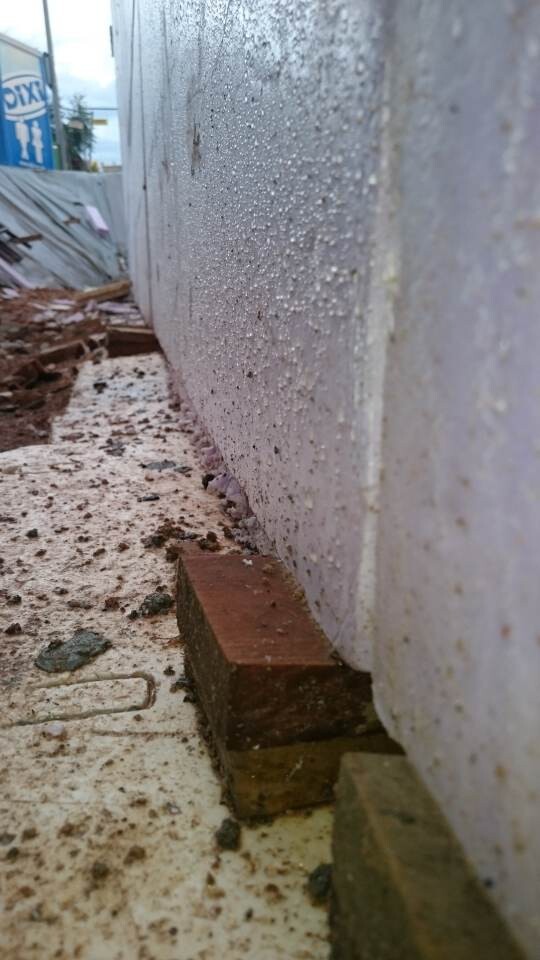
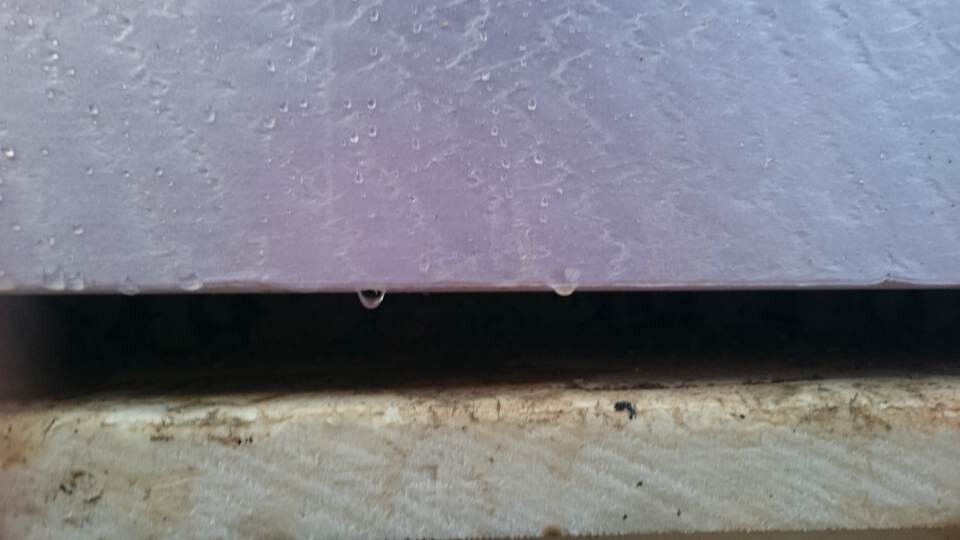
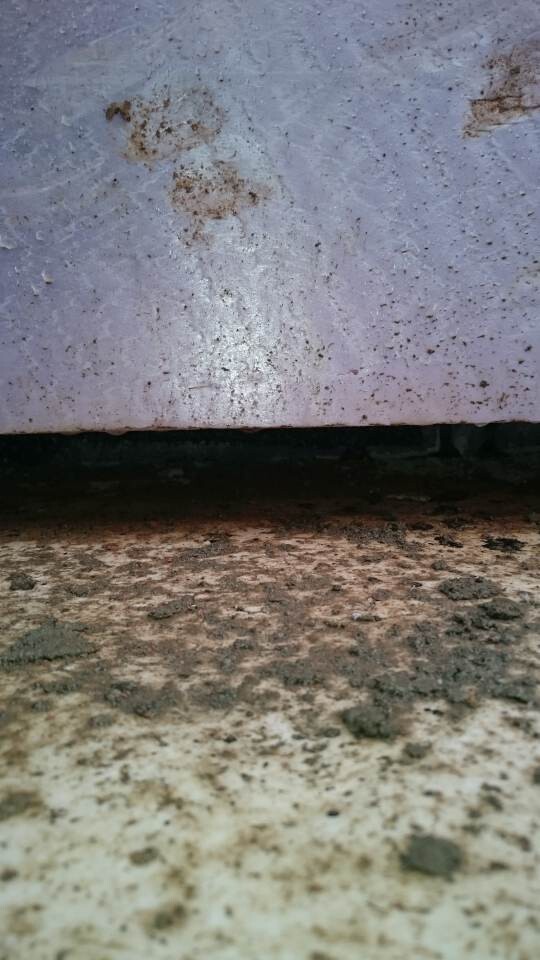
Our floor slab is insulated from below with 6cm (2.4 inches) of insulation. The walls of our waterproof concrete structure (also known as a “white tank”) are insulated with 14cm (5.5 inches). The floor slab insulation protrudes slightly on the ground, and the wall insulation was roughly placed on top of it.
However, at some points there is a wide gap / space between the floor slab insulation and the edge of the wall panel, wide enough to fit a hand through. (Thermal bridge)?
Is this normal? The excavation will be backfilled tomorrow.
Attached are photos

No, the perimeter insulation boards should normally be installed and bonded without gaps or thermal bridges. Any gaps must, of course, be sealed. Additionally, the boards need to be positioned upright at the bottom to prevent them from being dislodged during backfilling. Simply using foam insulation will not be sufficient. The gap should ideally be filled precisely with an insulation strip. For filling smaller joints or defects, only PU perimeter filling foams approved for this purpose should be used; however, these should not be applied if there is hydrostatic pressure, which may be the case for you if you have a Wesse bathtub system. The excavation cannot be backfilled as is. Furthermore, a protection membrane with studs must be installed in front of the insulation as a protection against backfill pressure.
The waterproofing of the ground slab up to the wall is not necessary, as a white tank construction method has certainly been agreed upon. However, the insulation should be installed down to the bottom and on the ledge of the ground slab to reduce thermal bridges. Then you just have to hope that everything remains sealed. The rest has already been mentioned above.
Best regards
Best regards
Similar topics