
ᐅ Connecting a Range Hood: Efficient and Quiet Venting to the Air Duct
Created on: 6 Dec 2025 18:21
G
geraldo85
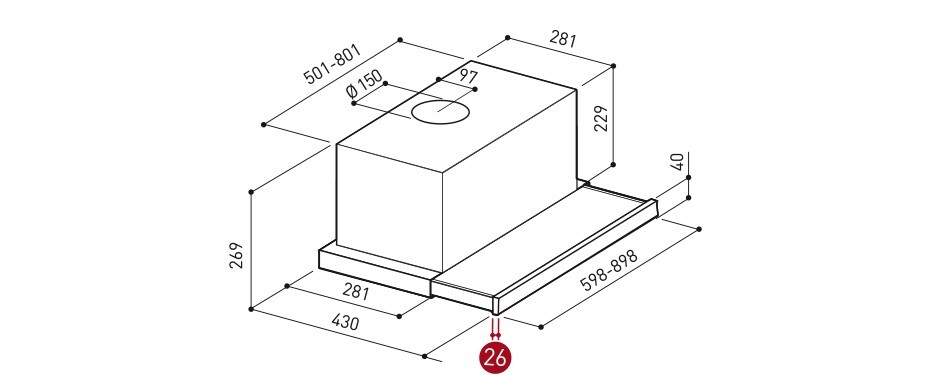
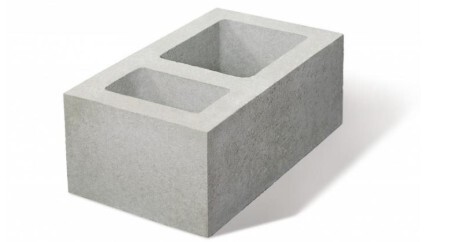
Hello, I would like someone knowledgeable to explain to me exactly how and with which pipes I should connect my range hood to the air duct (vent stack). The goal is maximum efficiency and as low noise as possible. The apartment is located in a multi-family building. The range hood is installed inside a cabinet (with a free height of about 50 cm (20 inches) above the hood, cabinet width 60 cm (24 inches)). The hood is located right next to the air duct. As far as I know, the air duct is made of concrete hollow blocks.
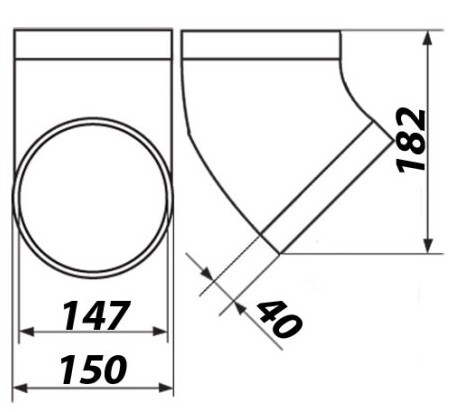
From what I have understood, the optimal solution would be a rigid PVC pipe with a diameter of 150 mm (6 inches) and 45-degree elbows. However, I believe I cannot fit two of these elbows inside the cabinet. If I install only one 90-degree elbow, the space inside the cabinet would be sufficient, but I have read that such an elbow reduces efficiency and increases noise levels.

From what I have understood, the optimal solution would be a rigid PVC pipe with a diameter of 150 mm (6 inches) and 45-degree elbows. However, I believe I cannot fit two of these elbows inside the cabinet. If I install only one 90-degree elbow, the space inside the cabinet would be sufficient, but I have read that such an elbow reduces efficiency and increases noise levels.
G
geraldo856 Dec 2025 23:56nordanney schrieb:
How about switching to a rectangular duct with flow-optimized bends? That makes the 90 degrees more efficient than in a round duct, and maybe two 45-degree bends could fit as well.
Besides that, I want to point out that such a "chimney" for the range hoods is unusual. How many floors does the building have, how many apartments per floor can be connected, and which floor do you live on? Also, how will you prevent incoming air from other hoods from entering your unit?First of all, thank you very much for your input on this topic. I have little experience with this and tried to find so-called "experts," but no one could give me a clear answer. The only thing I understood is: round PVC pipes are best, flat and flexible ducts should be avoided, and 45 degrees is better than 90 degrees. However, no one explained to me how or if I can install two 45-degree ducts inside a cabinet, nor whether there should be two at all.
The residential building has nine floors, three of which are above my apartment. That means nine apartments are connected to this duct. The range hood has a valve that theoretically prevents odors from other apartments from coming back in. I will also buy a second valve.
This in the picture is the additional magnetic valve designed to allow air flow only in one direction.
To put it bluntly, you want to run a hose from the car’s exhaust into the interior and are asking about the best angle for this.
This isn’t about being right, but about doing it correctly—that is, in a way that is permitted. I provided you with several sources and also mentioned that one response you refer to highlighted that you absolutely must clarify the authorization for this.
The main concern—especially regarding fire safety—is grease, which is flammable, and fire protection standards are extremely strict in Germany, whether we find that reasonable or not.
Professionally, I have experienced two large industrial fires caused by grease buildup in exhaust systems. So why wouldn’t you want to be as well-informed as possible in your situation, and do so at the right source, or at least get a reliable answer?
If you read the full texts, every single one has told you to check with a competent authority whether this is approved.
geraldo85 schrieb:
So far, there have been 22 responses in total, but only one on topic. Is that what you mean by a layperson’s forum? I thought I would meet people here who understand airflow and know the best way to install my pipes. Maybe you’re right and the mistake was mine.
This isn’t about being right, but about doing it correctly—that is, in a way that is permitted. I provided you with several sources and also mentioned that one response you refer to highlighted that you absolutely must clarify the authorization for this.
The main concern—especially regarding fire safety—is grease, which is flammable, and fire protection standards are extremely strict in Germany, whether we find that reasonable or not.
Professionally, I have experienced two large industrial fires caused by grease buildup in exhaust systems. So why wouldn’t you want to be as well-informed as possible in your situation, and do so at the right source, or at least get a reliable answer?
If you read the full texts, every single one has told you to check with a competent authority whether this is approved.
G
geraldo857 Dec 2025 00:05Arauki11 schrieb:
To put it bluntly, you want to run a hose from the car’s exhaust into the interior and are asking about the best angle for it. --exaggerated--
It’s not about being right but about doing it properly, meaning in an approved way. I have provided you with some sources and also mentioned the one response you refer to, stressing that you absolutely must clarify the authorization for this.
The critical point, especially regarding fire safety, is that grease is flammable, and fire protection regulations in Germany are very strict, whether or not we both think that makes sense.
Professionally, I have witnessed two large commercial fires caused by grease buildup in exhaust ducts. Why wouldn’t you seek the most reliable advice if you were in your position—specifically from those who know or where you can obtain binding information?
If you read the entire texts, everyone has told you to verify with competent authorities whether this is approved. In case it is not clear yet: The building is not located in Germany. I am writing here because I know Germans are experts in many areas. All buildings constructed in recent years follow the same principle: where the water connections for the kitchen are located, there is a flue to which the range hoods of all residents can be connected.
I believe everyone has already considered safety, and if the risk was significant, the buildings would not be constructed like this. Hopefully. And again: this is not the topic here.
Similar topics