
ᐅ Condition of Insulation Between Rafters in Residential Renovation
Created on: 21 Apr 2024 14:38
P
PatrickoniceP
Patrickonice21 Apr 2024 14:38Hello house building forum,
we have purchased a house built in 2000 and are currently carrying out relatively extensive renovation work...
One thing that was not originally planned to be renovated is the existing insulation between the rafters (20cm (8 inches) rafters insulated with WLG035 glass wool, 0.4mm vapor retarder, and neatly plastered on the sides).
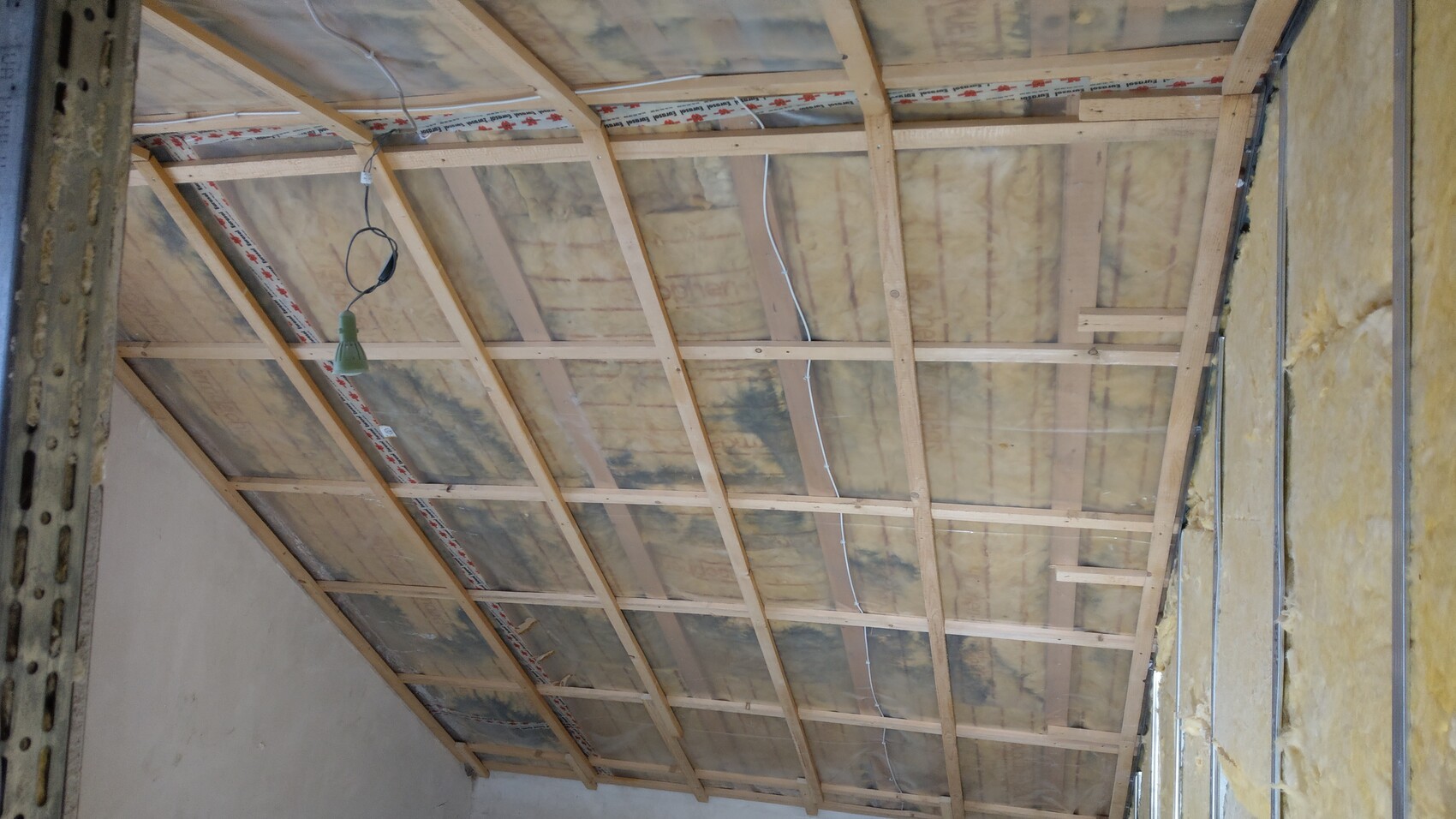
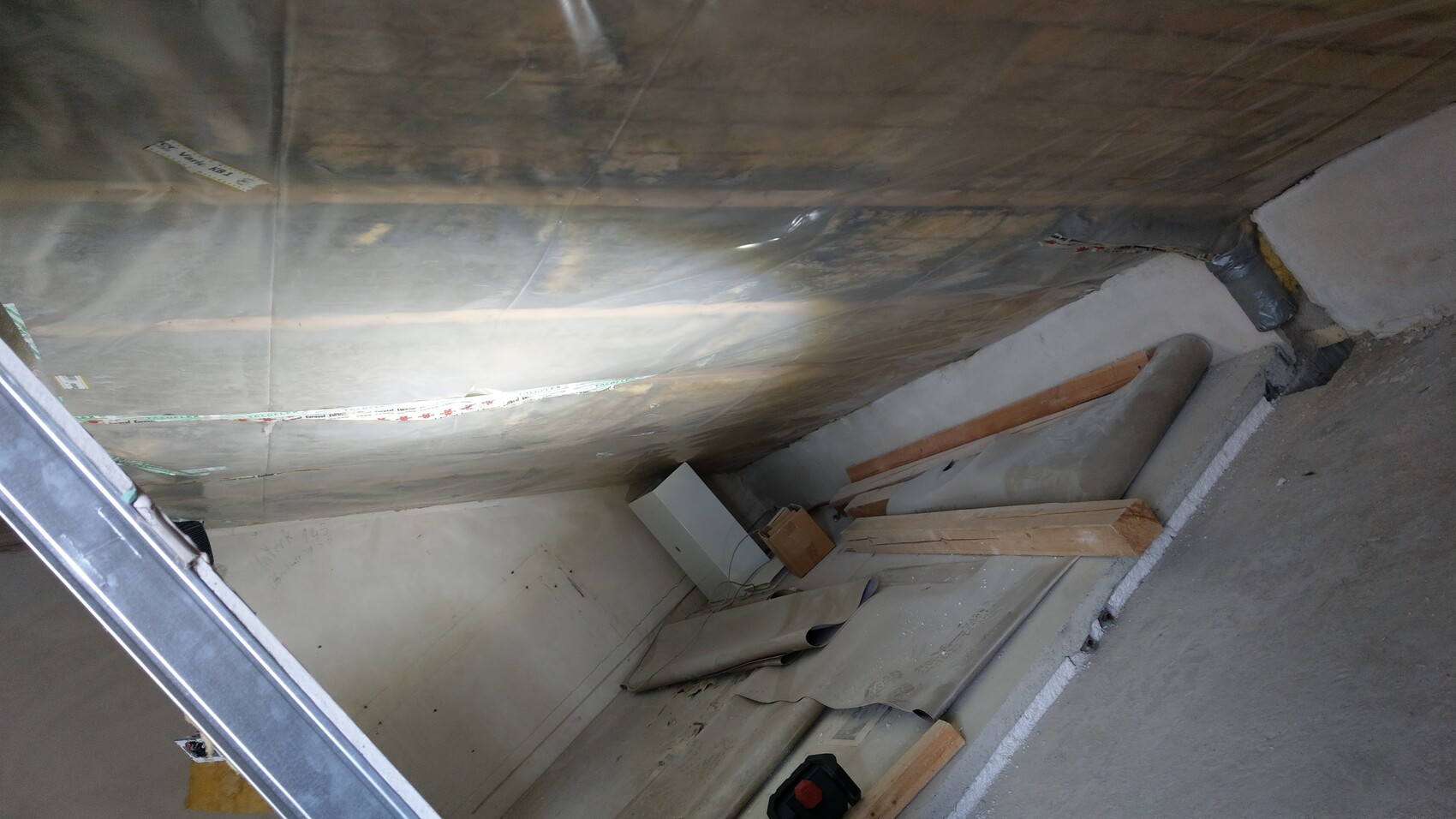
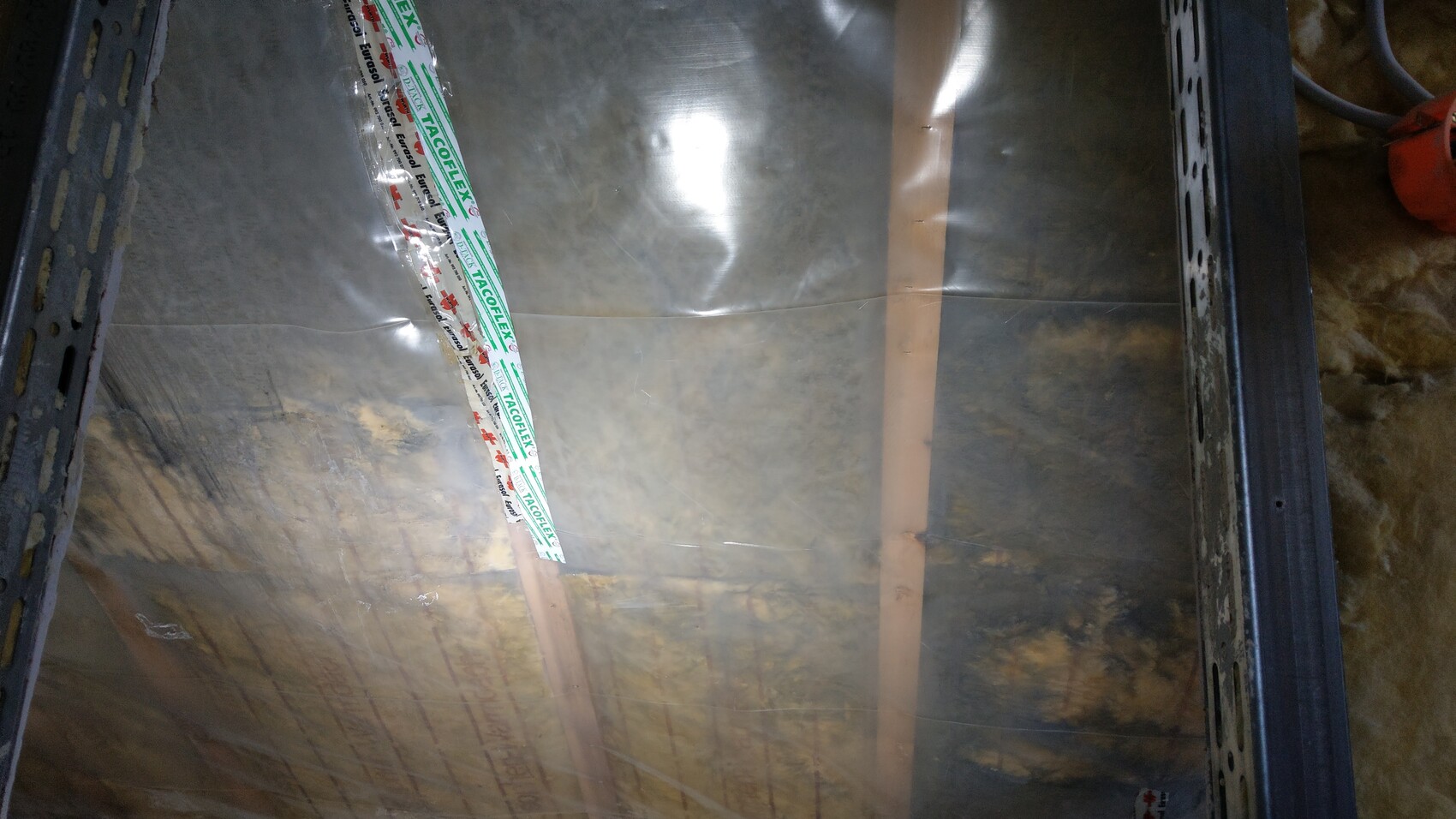
Now, as can be seen in the pictures, we have some very blackened areas in the glass wool, especially where the fresh air vents go through the roof to the outside. There is no musty smell, and the blackened areas in the glass wool are not damp (although I only made small test holes randomly).
What concerns us, since we are completely unfamiliar with this:
1) How do these black areas in the glass wool form? Are they caused by moisture or something else?
2) Can this be left as it is and just covered with appropriate tape in the areas that need to be repaired?
As additional information: Until now, the roof slopes were open as shown in the photos, without any boarding. We had planned to add an additional insulation layer below the rafters and then cover it with drywall.
Many thanks in advance and best regards
we have purchased a house built in 2000 and are currently carrying out relatively extensive renovation work...
One thing that was not originally planned to be renovated is the existing insulation between the rafters (20cm (8 inches) rafters insulated with WLG035 glass wool, 0.4mm vapor retarder, and neatly plastered on the sides).
Now, as can be seen in the pictures, we have some very blackened areas in the glass wool, especially where the fresh air vents go through the roof to the outside. There is no musty smell, and the blackened areas in the glass wool are not damp (although I only made small test holes randomly).
What concerns us, since we are completely unfamiliar with this:
1) How do these black areas in the glass wool form? Are they caused by moisture or something else?
2) Can this be left as it is and just covered with appropriate tape in the areas that need to be repaired?
As additional information: Until now, the roof slopes were open as shown in the photos, without any boarding. We had planned to add an additional insulation layer below the rafters and then cover it with drywall.
Many thanks in advance and best regards