
ᐅ Condensation – how to seal the gap between the exterior wall and insulation
Created on: 13 Jan 2021 17:50
T
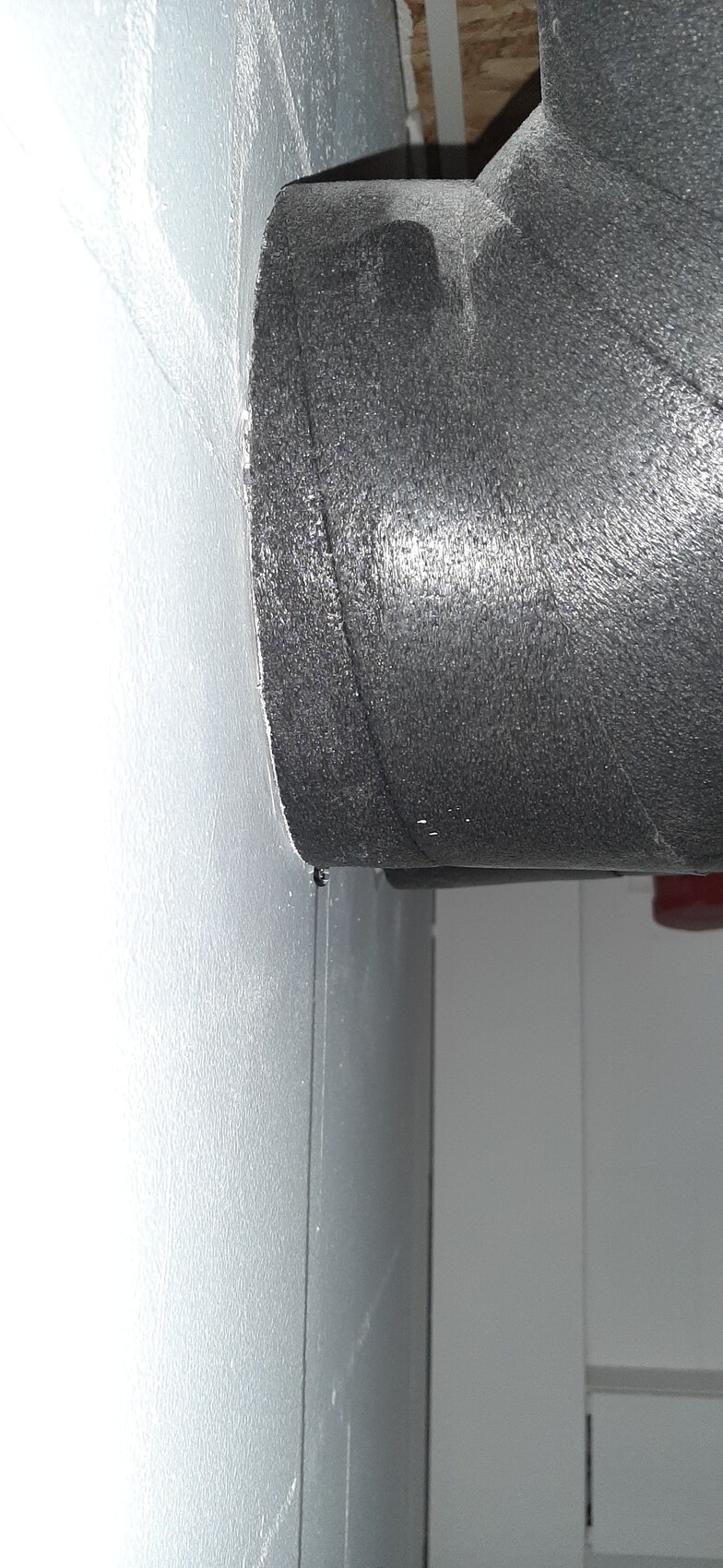
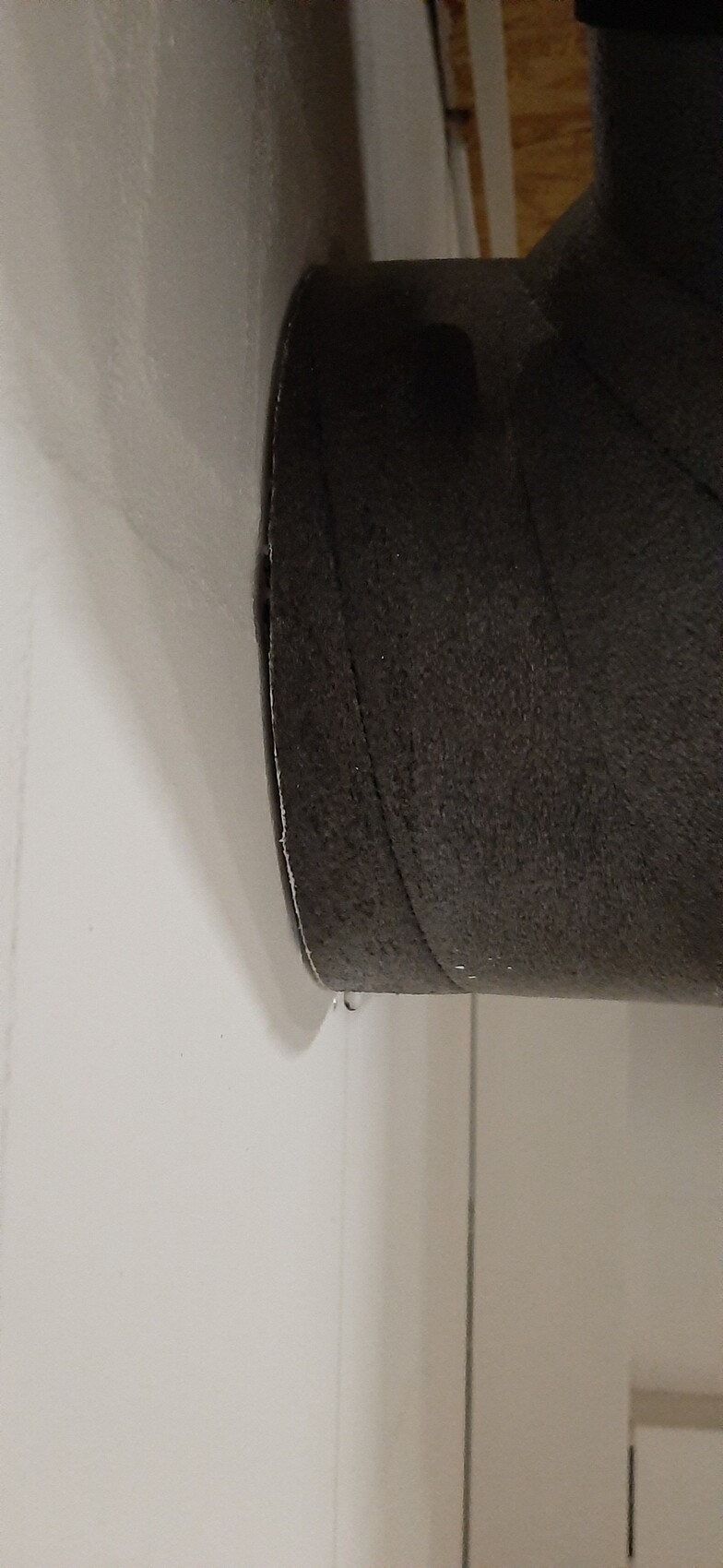
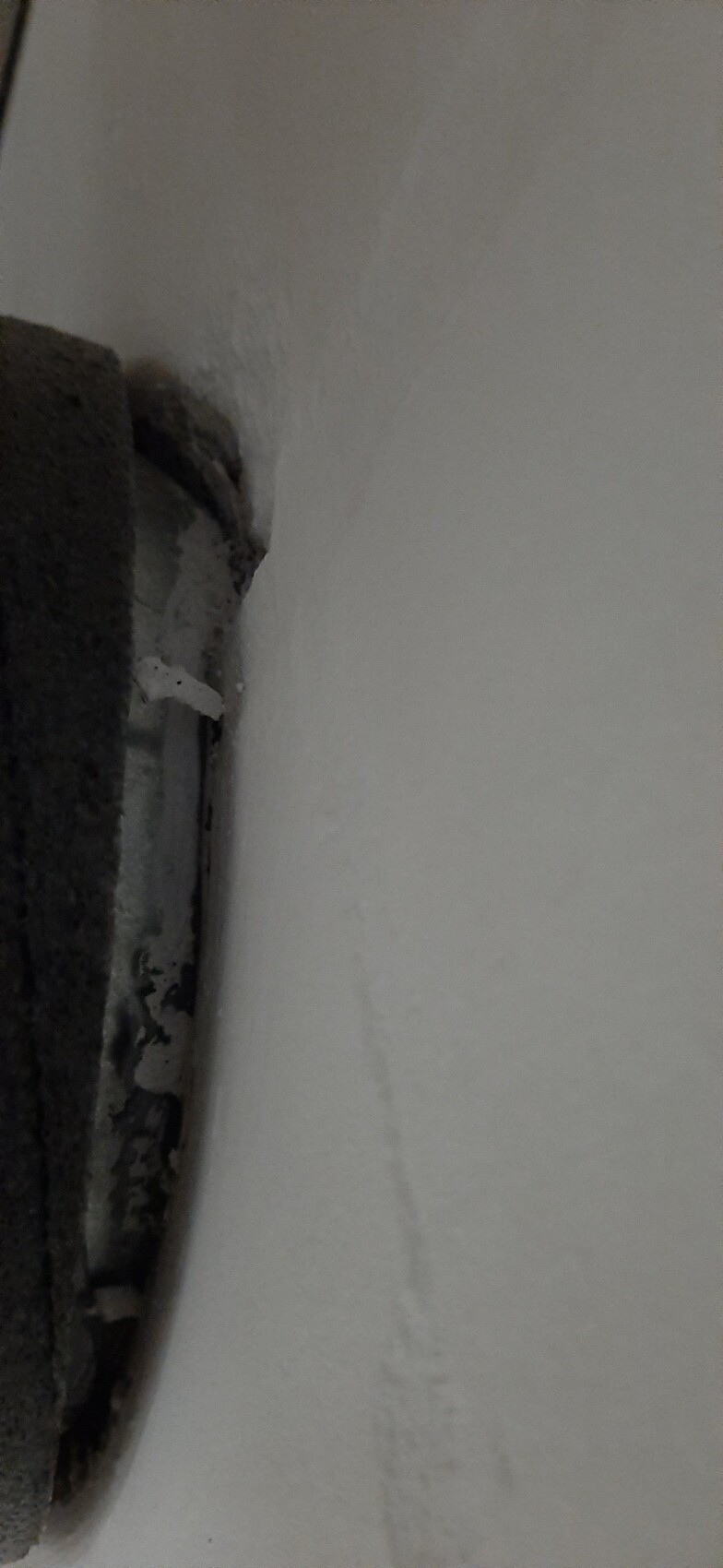
Tx-25Hello everyone. During the insulation of our ventilation duct for the living area, condensate forms between the insulated pipe and the exterior wall. Here are a few pictures. You can also see the droplet. There is a gap between the insulation and the wall. If I push the pipe closer, which is only minimally possible, the condensate (or whatever it is) runs down the wall. That is why I have left it as is so far. The last picture with the large gap only caught my attention now; it is in a corner where it is barely visible. This is the supply air. Although no condensation has formed there yet, I still want to close the gap. Do you have any ideas on the best way to seal it? I do not want to use foam or similar products, as that would probably look very unattractive. Thanks. I am rather thinking of a kind of liquid insulation material from a cartridge or something similar.
K
knalltüte13 Jan 2021 18:52To my knowledge, the ducts for controlled residential ventilation installed inside the living space are made entirely of insulated (rigid foam) material. Only the connector leading to the outside is a "KG pipe." Condensation is likely to form on the KG pipe, as it is the coldest point inside the room. If you slide the internally installed ventilation duct further over the connector, it will no longer be cold inside the room, and condensation should be prevented. Have you ever tried this? What does the installer or the plumbing company say about it?
T
T_im_Norden14 Jan 2021 07:07We have installed the black insulation pipe continuously, including at the exterior wall outlet.
In our wall opening, a steel pipe has been inserted, and the insulated pipe is then fitted inside it.
@superzapp: I briefly tried to push it on, but it didn’t work because the pipe clamps holding the pipe under the ceiling are too tight. So currently, I can’t move the pipe. I need to figure out how to solve this.
Let’s not talk about the incompetent plumber. We had various defects and had to set deadlines that he didn’t meet. The work (not the affected pipe) was completed by others.
@superzapp: I briefly tried to push it on, but it didn’t work because the pipe clamps holding the pipe under the ceiling are too tight. So currently, I can’t move the pipe. I need to figure out how to solve this.
Let’s not talk about the incompetent plumber. We had various defects and had to set deadlines that he didn’t meet. The work (not the affected pipe) was completed by others.
Similar topics