
Hello everyone,
I’m converting part of an old barn into a small workshop. Can you recommend a floor coating? I want to coat the concrete floor directly. What options are available? Since it will be a hobby workshop, I don’t need a perfectly smooth industrial floor.
Any manufacturer or product recommendations?
Many thanks.
Tom
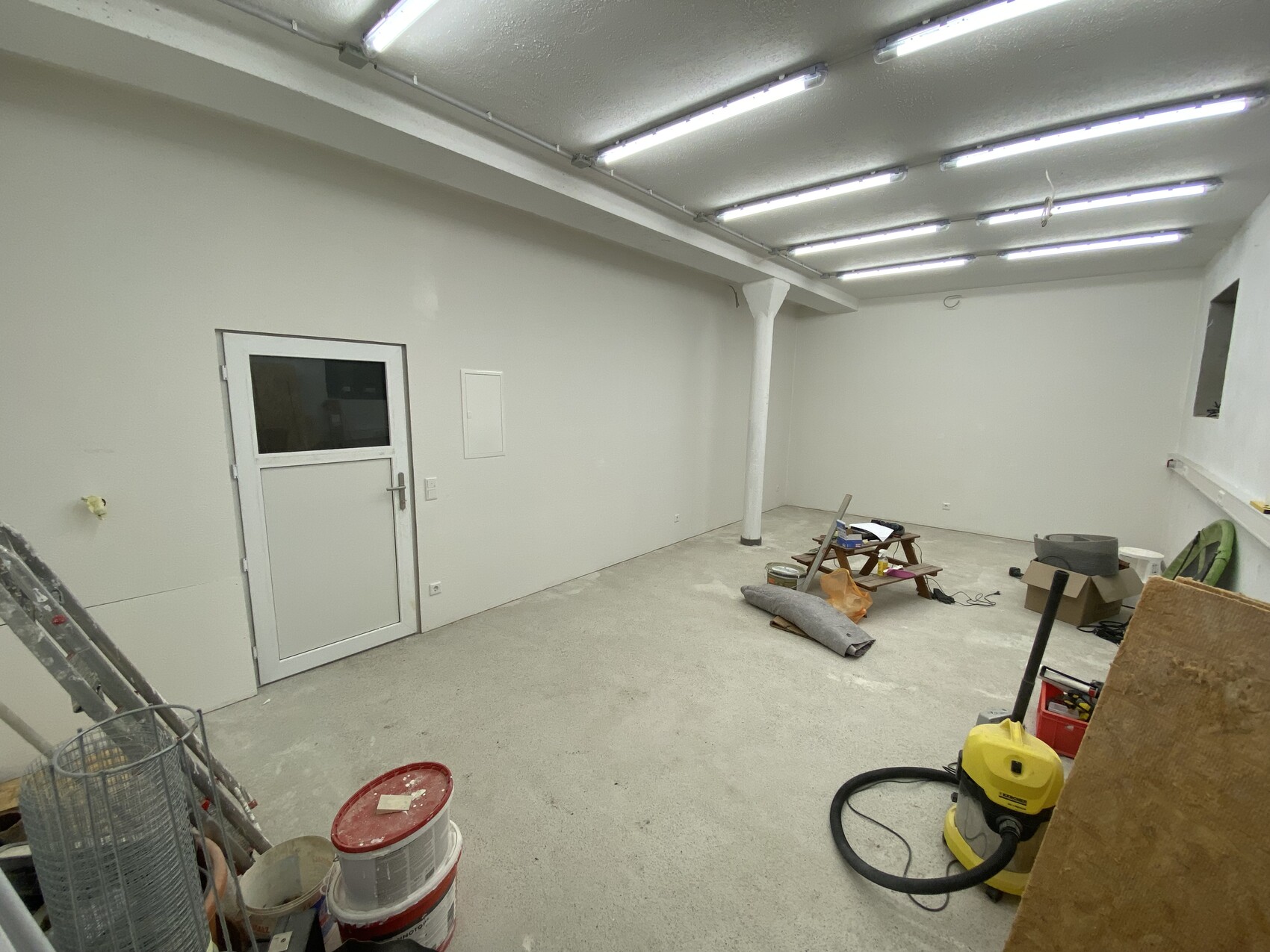
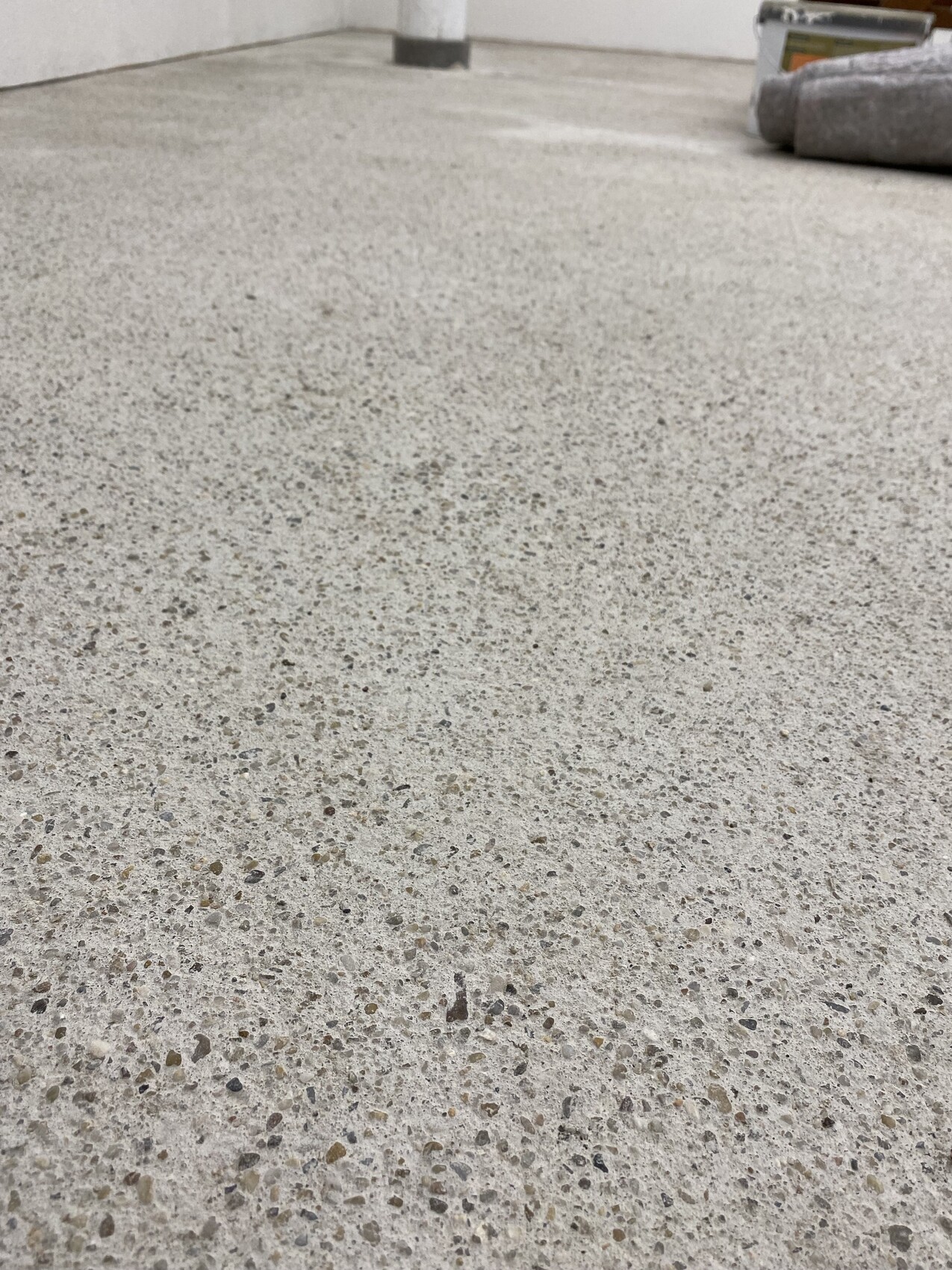
I’m converting part of an old barn into a small workshop. Can you recommend a floor coating? I want to coat the concrete floor directly. What options are available? Since it will be a hobby workshop, I don’t need a perfectly smooth industrial floor.
Any manufacturer or product recommendations?
Many thanks.
Tom

rick2018 schrieb:
2k epoxy coating with some broadcasting.That’s what I was thinking about. Are there any product recommendations with a good price/performance ratio?

Hello Tom,
So, I would only use “bedding material” to enrich the living environment of pet rabbits. When it comes to reactive resin coatings, we talk about “broadcasting sand.” Just a little joke.
Regarding your project:
If the final appearance is of secondary importance and the sole focus is to prevent oils and fats from penetrating the screed and to reduce dust formation, I wouldn’t recommend reactive resin to a layperson who has never worked with these materials before.
Just take a look online for “potassium waterglass.”
This is an aqueous solution that penetrates the screed pores, is completely odorless, and doesn’t require special application skills.
After the solvent (water) evaporates, the ingredients cure to a glass-hard surface and effectively “seal” the pores on the screed surface.
Due to the varying absorption behavior of mineral building materials (in this case: the screed), the floor may develop cloudy visual patterns afterward. However, this only affects the appearance!
If a “nice” finish is desired, then a surface grinding must be done, the resulting dust thoroughly vacuumed from the screed surface, primed with a dispersion or 2-component primer, and then a pigmented sealant (commonly known as “concrete paint”) should be applied with a roller.
Good luck, KlaRa
So, I would only use “bedding material” to enrich the living environment of pet rabbits. When it comes to reactive resin coatings, we talk about “broadcasting sand.” Just a little joke.
Regarding your project:
If the final appearance is of secondary importance and the sole focus is to prevent oils and fats from penetrating the screed and to reduce dust formation, I wouldn’t recommend reactive resin to a layperson who has never worked with these materials before.
Just take a look online for “potassium waterglass.”
This is an aqueous solution that penetrates the screed pores, is completely odorless, and doesn’t require special application skills.
After the solvent (water) evaporates, the ingredients cure to a glass-hard surface and effectively “seal” the pores on the screed surface.
Due to the varying absorption behavior of mineral building materials (in this case: the screed), the floor may develop cloudy visual patterns afterward. However, this only affects the appearance!
If a “nice” finish is desired, then a surface grinding must be done, the resulting dust thoroughly vacuumed from the screed surface, primed with a dispersion or 2-component primer, and then a pigmented sealant (commonly known as “concrete paint”) should be applied with a roller.
Good luck, KlaRa
KlaRa schrieb:
Hello Tom.
I would only use "bedding sand" to improve the house rabbits' environment. When it comes to reactive resin coatings, we talk about "broadcasting sand." Just a bit of humor.
Regarding your project:
If the final appearance is of minor importance and the only goal is to prevent oils and fats from penetrating the screed and to reduce dust generation, I would not recommend a reactive resin to a beginner who has never worked with reactive resins before.
Just look up "potassium water glass" online.
This is an aqueous solution that penetrates the pores of the screed, is completely odorless, and requires no special application technique.
After the solvent (water) evaporates, the ingredients harden to a glass-like finish and effectively "seal" the surface pores of the screed.
Due to the different absorption behavior of mineral building materials (in this case: the screed), cloud-like structures may appear visually on the floor afterwards. But this is only an optical effect!
If a nicer appearance is desired, a cleaning sandpaper grind should be performed, then the resulting dust thoroughly vacuumed off the screed surface, primed with a dispersion or a two-component primer, and finally a pigmented seal coat (commonly known as "concrete paint") rolled on.
Good luck: KlaRa Thank you very much for your reply!
Similar topics