
Hello everyone,
We ordered a clinker brick from a well-known supplier, which arrived after about 12 weeks.
Upon delivery, I noticed damage on one pallet. I contacted the seller immediately, who told me this was normal since it is a natural product and such damage can occur (without having seen it).
The next day, I went to the construction site with my wife. She immediately noticed the damage; I had been so busy I had forgotten about it, and she had no prior knowledge of it.
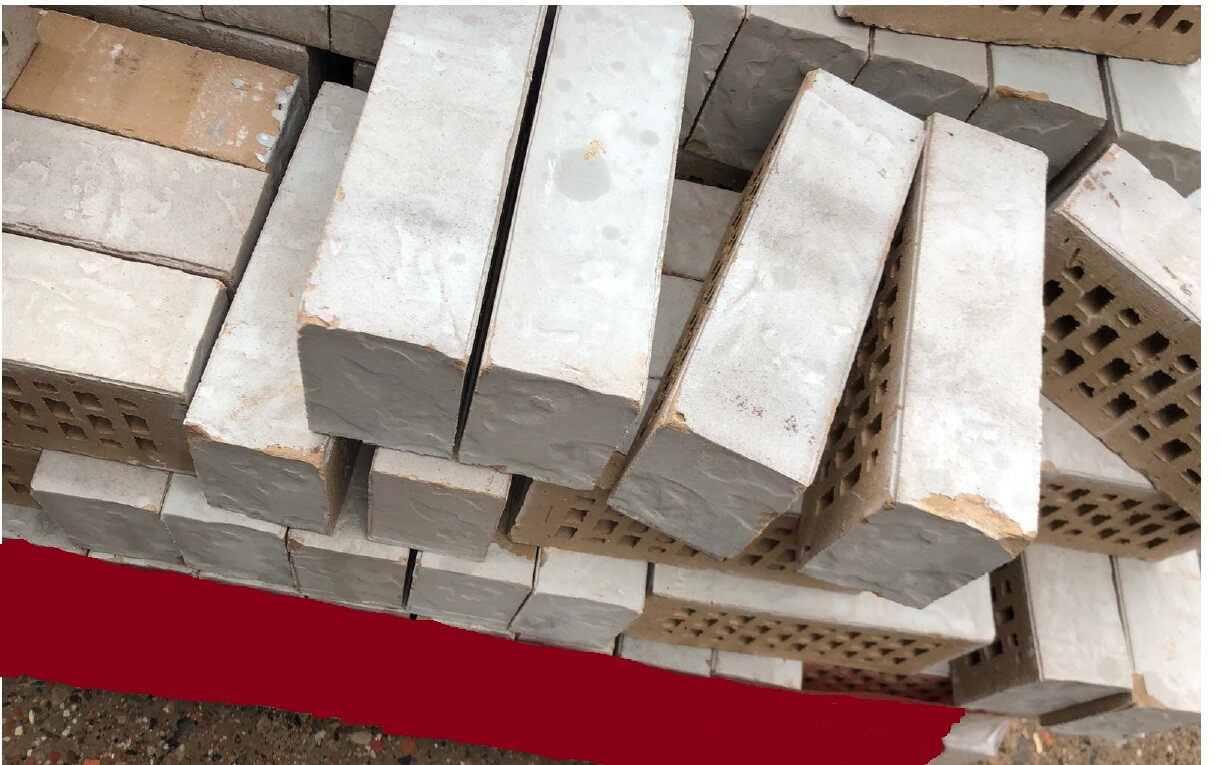
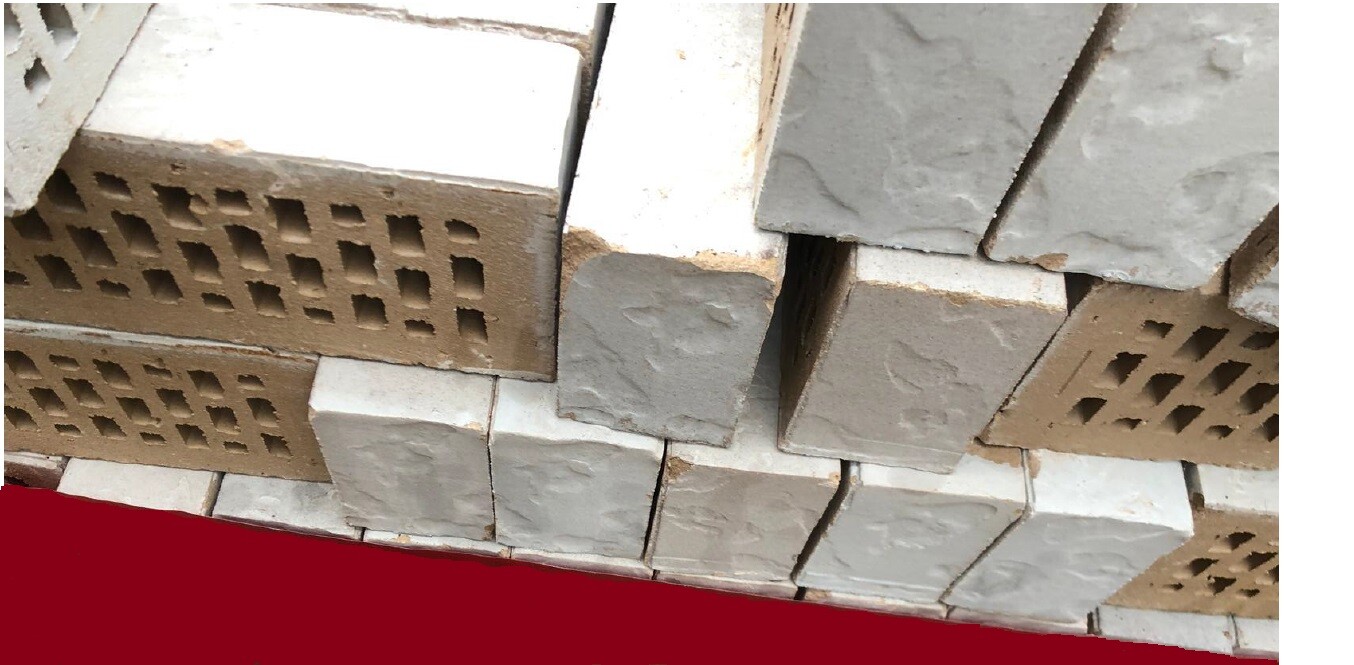
We removed the plastic wrap from one pallet to take a closer look, and the damage was clearly visible. We took photos and sent them to the seller, who did not respond. The next day, I received a call from a company acting as an intermediary, which I hadn’t known about before. The seller had always told me that he sourced the goods directly from the manufacturer. The caller said the issue would now be handled by them.
We arranged a meeting at the site to inspect the clinker. On the scheduled day, no one showed up. I contacted the field representative from that company, who said he had already been to the site, inspected the clinker, and determined the damage was not normal. I strongly criticized this approach since a joint meeting had been planned. He said he wasn’t aware the homeowner was supposed to be there; he had just been instructed by his manager to inspect the clinker onsite. The representative was nearby and spontaneously offered to meet at the site. We met there, and he again confirmed that the damaged pallet needed to be replaced. He planned to discuss with my contractor to sort out the damaged bricks and later talk about whether a price reduction would be granted.
A few days later, my contractor was ready to start the brickwork. He called me and asked me to come to the site because he had found extensive damage to the bricks. We checked several pallets, and many bricks were damaged to the point they could no longer be used. I then contacted the wholesaler/intermediary again. This time, I was told that two field representatives would visit, one of whom was more experienced with such cases.
Three days later, they arrived, and my contractor was also present. At first, they tried to minimize the problem but eventually had to acknowledge that the pallets needed to be replaced quickly. We inspected five pallets together; about 3.5 of them were completely unusable out of a total of 17 pallets (some pallets were still at the manufacturer, with delivery of the remaining clinker planned once the first batch was processed). My contractor mentioned that damage sometimes occurs but never to this extent. He also said he did not consider it his responsibility to check every single brick, which I understand since it is time-consuming. Of course, he could still install the bricks, but I shouldn’t complain about the damage afterward.
I brought up the additional costs incurred (scaffolding, etc.) and made it clear that I would not cover these myself since the bricks were damaged. The remaining pallets were not thoroughly inspected; the issue was to be escalated to the manufacturer.
The next day, I contacted one of the field representatives. He stated that the manufacturer could not explain the damage but was willing to replace four pallets as a goodwill gesture. I asked about the follow-up costs and who would cover them, but I received no answer. I also asked about the delivery time, which was not provided. I told the representative that only a refund made sense here since anything else would drag on.
I wanted to take the initiative and speak to the production manager myself. Through a contact at the manufacturer, I was told that the kiln producing my bricks had a defect. Whether my batch was affected remained unclear. I was unable to reach the production manager. I then drafted a letter to the wholesaler/intermediary, setting a deadline for either a replacement or refund with incurred costs. Otherwise, the next step would be legal action.
Two days later, I received a message from the intermediary/field representative stating that I should contact the seller again to follow the claims process chain. I tried reaching the seller, who told his employee that we should contact the intermediary. I called the field representative and asked what this back-and-forth was about. He was very frustrated with the seller’s behavior and didn’t understand it, even though he had been previously informed. I threatened legal action again and said I did not care who handled the case anymore; I did not understand why I was suddenly supposed to contact the seller again. He could not say anything; he had just been told by his manager again.
The clinker is currently out of stock and will not be produced again until the end of November.
I have a meeting with a lawyer tomorrow. Maybe they can give me a prognosis regarding our chances. Afterward, I will need to find another clinker quickly; waiting longer would be even worse for us. I have also documented everything thoroughly.
I noticed something afterwards: the order confirmation contained a note saying "IP = Individual Product, this brick is excluded from returns." This was not mentioned in the quote. Is this even allowed? Can this still be considered transparent?
Question for you:
Has anyone had similar experiences, and how do you assess my chances in a court case?
We ordered a clinker brick from a well-known supplier, which arrived after about 12 weeks.
Upon delivery, I noticed damage on one pallet. I contacted the seller immediately, who told me this was normal since it is a natural product and such damage can occur (without having seen it).
The next day, I went to the construction site with my wife. She immediately noticed the damage; I had been so busy I had forgotten about it, and she had no prior knowledge of it.
We removed the plastic wrap from one pallet to take a closer look, and the damage was clearly visible. We took photos and sent them to the seller, who did not respond. The next day, I received a call from a company acting as an intermediary, which I hadn’t known about before. The seller had always told me that he sourced the goods directly from the manufacturer. The caller said the issue would now be handled by them.
We arranged a meeting at the site to inspect the clinker. On the scheduled day, no one showed up. I contacted the field representative from that company, who said he had already been to the site, inspected the clinker, and determined the damage was not normal. I strongly criticized this approach since a joint meeting had been planned. He said he wasn’t aware the homeowner was supposed to be there; he had just been instructed by his manager to inspect the clinker onsite. The representative was nearby and spontaneously offered to meet at the site. We met there, and he again confirmed that the damaged pallet needed to be replaced. He planned to discuss with my contractor to sort out the damaged bricks and later talk about whether a price reduction would be granted.
A few days later, my contractor was ready to start the brickwork. He called me and asked me to come to the site because he had found extensive damage to the bricks. We checked several pallets, and many bricks were damaged to the point they could no longer be used. I then contacted the wholesaler/intermediary again. This time, I was told that two field representatives would visit, one of whom was more experienced with such cases.
Three days later, they arrived, and my contractor was also present. At first, they tried to minimize the problem but eventually had to acknowledge that the pallets needed to be replaced quickly. We inspected five pallets together; about 3.5 of them were completely unusable out of a total of 17 pallets (some pallets were still at the manufacturer, with delivery of the remaining clinker planned once the first batch was processed). My contractor mentioned that damage sometimes occurs but never to this extent. He also said he did not consider it his responsibility to check every single brick, which I understand since it is time-consuming. Of course, he could still install the bricks, but I shouldn’t complain about the damage afterward.
I brought up the additional costs incurred (scaffolding, etc.) and made it clear that I would not cover these myself since the bricks were damaged. The remaining pallets were not thoroughly inspected; the issue was to be escalated to the manufacturer.
The next day, I contacted one of the field representatives. He stated that the manufacturer could not explain the damage but was willing to replace four pallets as a goodwill gesture. I asked about the follow-up costs and who would cover them, but I received no answer. I also asked about the delivery time, which was not provided. I told the representative that only a refund made sense here since anything else would drag on.
I wanted to take the initiative and speak to the production manager myself. Through a contact at the manufacturer, I was told that the kiln producing my bricks had a defect. Whether my batch was affected remained unclear. I was unable to reach the production manager. I then drafted a letter to the wholesaler/intermediary, setting a deadline for either a replacement or refund with incurred costs. Otherwise, the next step would be legal action.
Two days later, I received a message from the intermediary/field representative stating that I should contact the seller again to follow the claims process chain. I tried reaching the seller, who told his employee that we should contact the intermediary. I called the field representative and asked what this back-and-forth was about. He was very frustrated with the seller’s behavior and didn’t understand it, even though he had been previously informed. I threatened legal action again and said I did not care who handled the case anymore; I did not understand why I was suddenly supposed to contact the seller again. He could not say anything; he had just been told by his manager again.
The clinker is currently out of stock and will not be produced again until the end of November.
I have a meeting with a lawyer tomorrow. Maybe they can give me a prognosis regarding our chances. Afterward, I will need to find another clinker quickly; waiting longer would be even worse for us. I have also documented everything thoroughly.
I noticed something afterwards: the order confirmation contained a note saying "IP = Individual Product, this brick is excluded from returns." This was not mentioned in the quote. Is this even allowed? Can this still be considered transparent?
Question for you:
Has anyone had similar experiences, and how do you assess my chances in a court case?
Never display under any circumstances.
1) Judges dislike unfounded ruinous battles
2) A criminal case does not grant you compensation; you will have to file a private lawsuit anyway
3) Both procedures can block each other; you will be dependent on the public prosecutor’s work
4) A financially ruined opponent cannot pay you anymore
1) Judges dislike unfounded ruinous battles
2) A criminal case does not grant you compensation; you will have to file a private lawsuit anyway
3) Both procedures can block each other; you will be dependent on the public prosecutor’s work
4) A financially ruined opponent cannot pay you anymore
guckuck2 schrieb:
Definitely do not report it.
1) Judges dislike unfounded legal battles
2) a criminal proceeding won’t get you any compensation; you will have to sue privately anyway
3) the two proceedings can block each other, leaving you dependent on the prosecutor’s work
4) an opponent who has been legally defeated cannot pay you anymore Maybe threaten indirectly with it?
FloHB123 schrieb:
There is a difference between selling and delivering. Was the wrong brick actually sold, or was it just delivered incorrectly? If you can’t prove that the sale was wrong, I would avoid filing a criminal complaint. Exactly that brick was sold and delivered to me; however, it is not a facing brick (clinker). Therefore, it is not a wrong delivery. The seller has their own designation, and the wholesaler also uses a different term for the brick. I received the technical datasheet from the seller, where the wholesaler’s model name is adopted, and there the brick is also not defined as “facing brick” (clinker).

You didn’t want your house simply wrapped in a non-load-bearing interior wall made of exposed brickwork; you wanted clinker bricks. If you ordered one and received and were charged for the other, that constitutes fraud. This is objectively the case as long as the two can be clearly distinguished from each other. Clinker bricks relate to regular bricks like rusks do to toast, or as Wikipedia explains:
Clinker bricks are fired at such high temperatures that the beginning of the sintering process closes the pores of the fired material. Clinker bricks absorb very little water and are highly durable. The name can be traced etymologically to the high-pitched sound produced when hard-fired bricks/clinker bricks are struck together. In the past, clinker bricks were also called hard-burnt bricks.
In my view, the clear objective distinguishability, regardless of what the seller calls the product, is sufficient to successfully pursue your claim. However, I also understand the concern that civil and criminal proceedings may slow each other down when run in parallel.
https://www.instagram.com/11antgmxde/
https://www.linkedin.com/company/bauen-jetzt/
Clinker bricks are fired at such high temperatures that the beginning of the sintering process closes the pores of the fired material. Clinker bricks absorb very little water and are highly durable. The name can be traced etymologically to the high-pitched sound produced when hard-fired bricks/clinker bricks are struck together. In the past, clinker bricks were also called hard-burnt bricks.
In my view, the clear objective distinguishability, regardless of what the seller calls the product, is sufficient to successfully pursue your claim. However, I also understand the concern that civil and criminal proceedings may slow each other down when run in parallel.
https://www.instagram.com/11antgmxde/
https://www.linkedin.com/company/bauen-jetzt/
The higher water absorption capacity of facing bricks compared to clinker bricks is primarily due to the raw materials used and is therefore a characteristic product property that should not be considered a defect or quality issue. Relevant standards, especially DIN 1053-1, do not differentiate between the suitability of facing bricks and clinker bricks for exterior wall cladding. See the brick industry website.
I would not be so confident that you would succeed in your claims by arguing that facing bricks are unsuitable.
I would not be so confident that you would succeed in your claims by arguing that facing bricks are unsuitable.
Tamstar schrieb:
"The higher water absorption capacity of facing bricks compared to clinker bricks is primarily due to the raw materials used and is therefore a characteristic product feature that should not be considered a quality defect. Relevant standards, especially DIN 1053-1, do not differentiate between the suitability of facing bricks and clinker bricks for veneer walls." See the brick industry website.
I wouldn’t be so confident that you could enforce your claims using the argument that facing bricks are unsuitable.I completely disagree immediately......
You can drive both a gasoline and a diesel car...... the question is, if you want a diesel and receive a gasoline car, then no judge can say, "Why is that a problem, both can be driven?!"
As a buyer, I wanted a clinker brick and nothing else; this is not about "suitable or unsuitable" for me.
Similar topics