
Hello everyone,
We ordered a clinker brick from a well-known supplier, which arrived after about 12 weeks.
Upon delivery, I noticed damage on one pallet. I contacted the seller immediately, who told me this was normal since it is a natural product and such damage can occur (without having seen it).
The next day, I went to the construction site with my wife. She immediately noticed the damage; I had been so busy I had forgotten about it, and she had no prior knowledge of it.
We removed the plastic wrap from one pallet to take a closer look, and the damage was clearly visible. We took photos and sent them to the seller, who did not respond. The next day, I received a call from a company acting as an intermediary, which I hadn’t known about before. The seller had always told me that he sourced the goods directly from the manufacturer. The caller said the issue would now be handled by them.
We arranged a meeting at the site to inspect the clinker. On the scheduled day, no one showed up. I contacted the field representative from that company, who said he had already been to the site, inspected the clinker, and determined the damage was not normal. I strongly criticized this approach since a joint meeting had been planned. He said he wasn’t aware the homeowner was supposed to be there; he had just been instructed by his manager to inspect the clinker onsite. The representative was nearby and spontaneously offered to meet at the site. We met there, and he again confirmed that the damaged pallet needed to be replaced. He planned to discuss with my contractor to sort out the damaged bricks and later talk about whether a price reduction would be granted.
A few days later, my contractor was ready to start the brickwork. He called me and asked me to come to the site because he had found extensive damage to the bricks. We checked several pallets, and many bricks were damaged to the point they could no longer be used. I then contacted the wholesaler/intermediary again. This time, I was told that two field representatives would visit, one of whom was more experienced with such cases.
Three days later, they arrived, and my contractor was also present. At first, they tried to minimize the problem but eventually had to acknowledge that the pallets needed to be replaced quickly. We inspected five pallets together; about 3.5 of them were completely unusable out of a total of 17 pallets (some pallets were still at the manufacturer, with delivery of the remaining clinker planned once the first batch was processed). My contractor mentioned that damage sometimes occurs but never to this extent. He also said he did not consider it his responsibility to check every single brick, which I understand since it is time-consuming. Of course, he could still install the bricks, but I shouldn’t complain about the damage afterward.
I brought up the additional costs incurred (scaffolding, etc.) and made it clear that I would not cover these myself since the bricks were damaged. The remaining pallets were not thoroughly inspected; the issue was to be escalated to the manufacturer.
The next day, I contacted one of the field representatives. He stated that the manufacturer could not explain the damage but was willing to replace four pallets as a goodwill gesture. I asked about the follow-up costs and who would cover them, but I received no answer. I also asked about the delivery time, which was not provided. I told the representative that only a refund made sense here since anything else would drag on.
I wanted to take the initiative and speak to the production manager myself. Through a contact at the manufacturer, I was told that the kiln producing my bricks had a defect. Whether my batch was affected remained unclear. I was unable to reach the production manager. I then drafted a letter to the wholesaler/intermediary, setting a deadline for either a replacement or refund with incurred costs. Otherwise, the next step would be legal action.
Two days later, I received a message from the intermediary/field representative stating that I should contact the seller again to follow the claims process chain. I tried reaching the seller, who told his employee that we should contact the intermediary. I called the field representative and asked what this back-and-forth was about. He was very frustrated with the seller’s behavior and didn’t understand it, even though he had been previously informed. I threatened legal action again and said I did not care who handled the case anymore; I did not understand why I was suddenly supposed to contact the seller again. He could not say anything; he had just been told by his manager again.
The clinker is currently out of stock and will not be produced again until the end of November.
I have a meeting with a lawyer tomorrow. Maybe they can give me a prognosis regarding our chances. Afterward, I will need to find another clinker quickly; waiting longer would be even worse for us. I have also documented everything thoroughly.
I noticed something afterwards: the order confirmation contained a note saying "IP = Individual Product, this brick is excluded from returns." This was not mentioned in the quote. Is this even allowed? Can this still be considered transparent?
Question for you:
Has anyone had similar experiences, and how do you assess my chances in a court case?
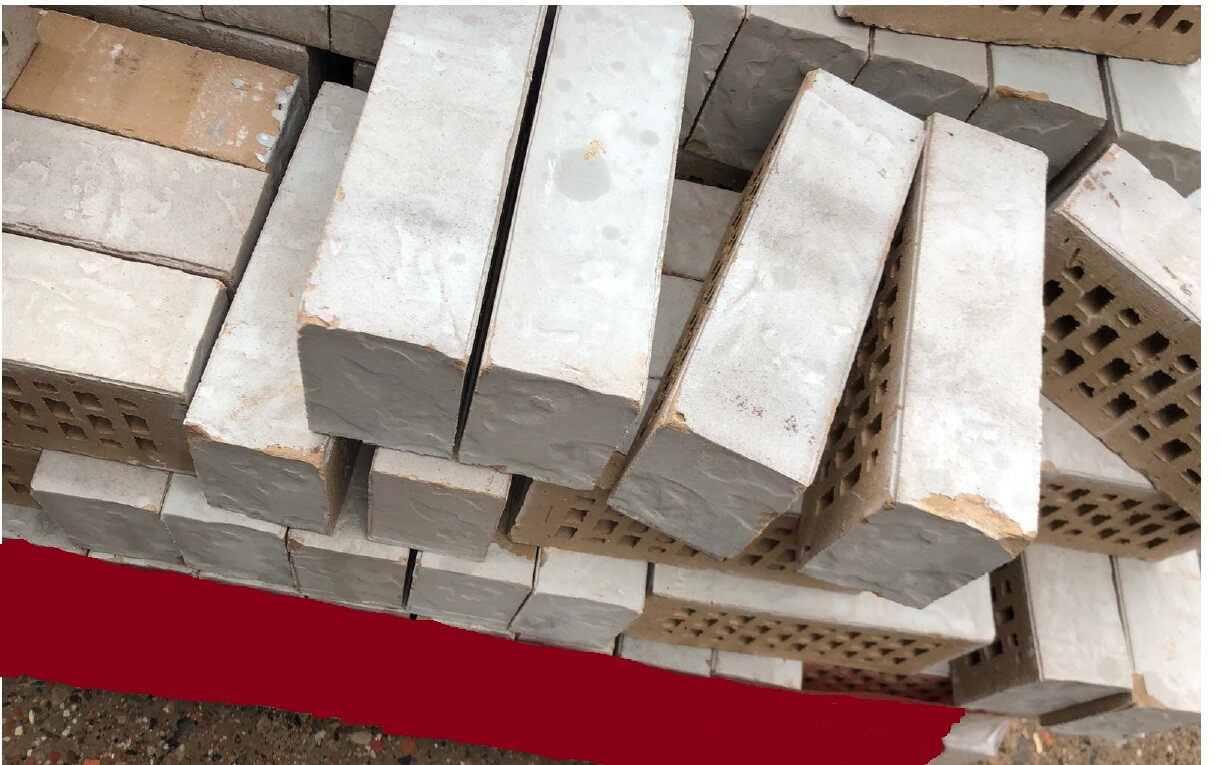
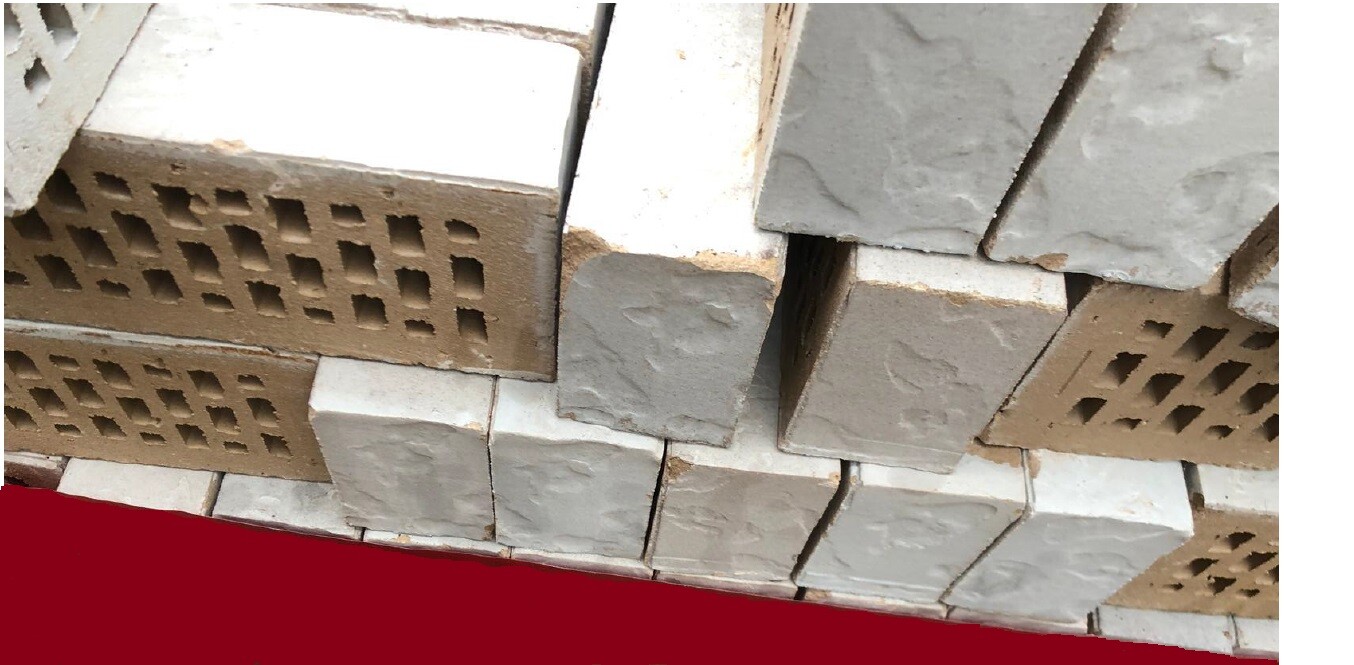
We ordered a clinker brick from a well-known supplier, which arrived after about 12 weeks.
Upon delivery, I noticed damage on one pallet. I contacted the seller immediately, who told me this was normal since it is a natural product and such damage can occur (without having seen it).
The next day, I went to the construction site with my wife. She immediately noticed the damage; I had been so busy I had forgotten about it, and she had no prior knowledge of it.
We removed the plastic wrap from one pallet to take a closer look, and the damage was clearly visible. We took photos and sent them to the seller, who did not respond. The next day, I received a call from a company acting as an intermediary, which I hadn’t known about before. The seller had always told me that he sourced the goods directly from the manufacturer. The caller said the issue would now be handled by them.
We arranged a meeting at the site to inspect the clinker. On the scheduled day, no one showed up. I contacted the field representative from that company, who said he had already been to the site, inspected the clinker, and determined the damage was not normal. I strongly criticized this approach since a joint meeting had been planned. He said he wasn’t aware the homeowner was supposed to be there; he had just been instructed by his manager to inspect the clinker onsite. The representative was nearby and spontaneously offered to meet at the site. We met there, and he again confirmed that the damaged pallet needed to be replaced. He planned to discuss with my contractor to sort out the damaged bricks and later talk about whether a price reduction would be granted.
A few days later, my contractor was ready to start the brickwork. He called me and asked me to come to the site because he had found extensive damage to the bricks. We checked several pallets, and many bricks were damaged to the point they could no longer be used. I then contacted the wholesaler/intermediary again. This time, I was told that two field representatives would visit, one of whom was more experienced with such cases.
Three days later, they arrived, and my contractor was also present. At first, they tried to minimize the problem but eventually had to acknowledge that the pallets needed to be replaced quickly. We inspected five pallets together; about 3.5 of them were completely unusable out of a total of 17 pallets (some pallets were still at the manufacturer, with delivery of the remaining clinker planned once the first batch was processed). My contractor mentioned that damage sometimes occurs but never to this extent. He also said he did not consider it his responsibility to check every single brick, which I understand since it is time-consuming. Of course, he could still install the bricks, but I shouldn’t complain about the damage afterward.
I brought up the additional costs incurred (scaffolding, etc.) and made it clear that I would not cover these myself since the bricks were damaged. The remaining pallets were not thoroughly inspected; the issue was to be escalated to the manufacturer.
The next day, I contacted one of the field representatives. He stated that the manufacturer could not explain the damage but was willing to replace four pallets as a goodwill gesture. I asked about the follow-up costs and who would cover them, but I received no answer. I also asked about the delivery time, which was not provided. I told the representative that only a refund made sense here since anything else would drag on.
I wanted to take the initiative and speak to the production manager myself. Through a contact at the manufacturer, I was told that the kiln producing my bricks had a defect. Whether my batch was affected remained unclear. I was unable to reach the production manager. I then drafted a letter to the wholesaler/intermediary, setting a deadline for either a replacement or refund with incurred costs. Otherwise, the next step would be legal action.
Two days later, I received a message from the intermediary/field representative stating that I should contact the seller again to follow the claims process chain. I tried reaching the seller, who told his employee that we should contact the intermediary. I called the field representative and asked what this back-and-forth was about. He was very frustrated with the seller’s behavior and didn’t understand it, even though he had been previously informed. I threatened legal action again and said I did not care who handled the case anymore; I did not understand why I was suddenly supposed to contact the seller again. He could not say anything; he had just been told by his manager again.
The clinker is currently out of stock and will not be produced again until the end of November.
I have a meeting with a lawyer tomorrow. Maybe they can give me a prognosis regarding our chances. Afterward, I will need to find another clinker quickly; waiting longer would be even worse for us. I have also documented everything thoroughly.
I noticed something afterwards: the order confirmation contained a note saying "IP = Individual Product, this brick is excluded from returns." This was not mentioned in the quote. Is this even allowed? Can this still be considered transparent?
Question for you:
Has anyone had similar experiences, and how do you assess my chances in a court case?
Dr Hix schrieb:
However, as has been mentioned here several times, your contract and point of contact is the seller—no matter what any phone representative says—and you should definitely stick to that.
The suggestion to check for stock availability of this facing brick is a good one. You might want to contact the factory to see if they can provide you with a list of (wholesale) dealers in your area who have ordered this brick in recent months. - I have now learned that several complaints have not been handled properly by the seller.
- Regardless of the point of contact, he refuses to communicate (and nothing has even happened—previous conversations were without disputes or anything like that).
- There are still about 10 pallets of mine at the factory, which were originally supposed to be delivered with the second shipment. These have now supposedly been inspected and declared to be in order. The remaining pallets on my site have not yet been checked. Even if the 4 pallets at my place are replaced, the follow-up delivery will still take time; according to the sales representative, a prompt delivery is not possible.
- The brick is not stock item; it was produced after the customer order.
One of the field service staff gave me the suggestion that the installer could start right away. I declined this until I am informed that the remaining pallets are not damaged, as some pallets might be fine while others could still have damages. He agreed with this approach.
tumaa schrieb:
- I have now learned that several complaints have not been handled properly by the seller.
- Contact person or not, they simply refuse to make contact (nothing even happened before or anything, so previous conversations were without disputes or similar).The problem is that you generally don’t have any rights to rectification or similar directly against intermediaries or manufacturers. You have a contract with the seller; anything you arrange now with the manufacturer or intermediary is not something the seller is obligated to accept.
User0815 schrieb:
The problem is that you generally don’t have any rights to request repairs or corrections from intermediaries or manufacturers. You have a contract with the seller, and the seller is not obligated to accept any arrangements you make directly with the manufacturer or intermediary.The seller was always kept informed of the situation by the intermediary; as I said, it was not possible to make direct contact.
For me, the deadline has therefore passed, and the seller could have resolved the issue long ago—at least, they had enough time to do so. Furthermore, I was previously informed that the intermediary had taken over the matter (this was communicated to me directly by them), and now suddenly I’m being told to contact the seller again after I sent them a letter with a deadline. They knew from the start that this could be a complaint.
Update:
The seller refused both an exchange and a refund. Additionally, the manufacturer and the intermediary reportedly told him that there was no defect. The field service technician verbally confirmed to me several times that some pallets are defective, and this was also communicated to the seller.
The seller based his assessment on the "DIN 105" standard, according to which there is supposedly no defect.
I had to make a quick decision: either accept and use the stone as is or hire an expert to provide counter-evidence.
The decision was: expert appraisal.
The expert was able to come on short notice.
Result from the expert:
- many stones show defects and are therefore not suitable for the facade
- I did not receive facing bricks, but rather common bricks = outrageous
We have now informed the seller in writing through our lawyer that we will withdraw from the purchase contract. Of course, the expert’s written report was also included.
We have since purchased a different stone.
Pictures will follow .....
The seller refused both an exchange and a refund. Additionally, the manufacturer and the intermediary reportedly told him that there was no defect. The field service technician verbally confirmed to me several times that some pallets are defective, and this was also communicated to the seller.
The seller based his assessment on the "DIN 105" standard, according to which there is supposedly no defect.
I had to make a quick decision: either accept and use the stone as is or hire an expert to provide counter-evidence.
The decision was: expert appraisal.
The expert was able to come on short notice.
Result from the expert:
- many stones show defects and are therefore not suitable for the facade
- I did not receive facing bricks, but rather common bricks = outrageous
We have now informed the seller in writing through our lawyer that we will withdraw from the purchase contract. Of course, the expert’s written report was also included.
We have since purchased a different stone.
Pictures will follow .....
Hello everyone,
Next update: The seller ignored the last letter.
Consequence: Legal action will be initiated.
My idea was to file a criminal complaint for fraud as well, since I was sold something different (instead of facing bricks, I was sold a cladding brick). Through my lawyer, there is a fee for this, but the process is faster than going through the police, which is free. My lawyer did not recommend this step because it might be difficult to prove that it was done intentionally. I saw it differently because as a seller, you have to know what you are selling, otherwise any fraudster could just claim they didn’t know. Besides, we had already informed him about this beforehand and yet he did not respond.
In the end, my lawyer understood my point.
Hope: increased pressure on the seller.
Concerns: A criminal complaint cannot be withdrawn and the seller might then completely refuse to cooperate, meaning there may be no willingness to find a joint solution, following the “tit for tat” mindset. But I have to say, the seller never tried to find a solution and considered everything “normal.”
What do you think about this?
Regards
Next update: The seller ignored the last letter.
Consequence: Legal action will be initiated.
My idea was to file a criminal complaint for fraud as well, since I was sold something different (instead of facing bricks, I was sold a cladding brick). Through my lawyer, there is a fee for this, but the process is faster than going through the police, which is free. My lawyer did not recommend this step because it might be difficult to prove that it was done intentionally. I saw it differently because as a seller, you have to know what you are selling, otherwise any fraudster could just claim they didn’t know. Besides, we had already informed him about this beforehand and yet he did not respond.
In the end, my lawyer understood my point.
Hope: increased pressure on the seller.
Concerns: A criminal complaint cannot be withdrawn and the seller might then completely refuse to cooperate, meaning there may be no willingness to find a joint solution, following the “tit for tat” mindset. But I have to say, the seller never tried to find a solution and considered everything “normal.”
What do you think about this?
Regards
Similar topics