
H
Heidegeist26 Apr 2020 20:10Last summer, we built a “turnkey” single-family house with a local construction company acting as the general contractor. A relatively expensive facing brick from a well-known manufacturer was chosen for the facade of the house and garage and was later darkly jointed. The overall appearance of the property looked really impressive!
A few weeks after the jointing, some black streaks appeared on the facing bricks on the west side. Through our own research and consultation with our construction expert, this pointed to contamination or improper cleaning (e.g., with acid) of the bricks. We also involved a representative from the brick manufacturer, who verbally confirmed this to us. Subsequently, the affected areas were cleaned again without success by a subcontractor of the general contractor.
In the acceptance protocol, the still existing streaks were noted with reservations, as replacing the bricks would likely have caused an even worse appearance, including the jointing.
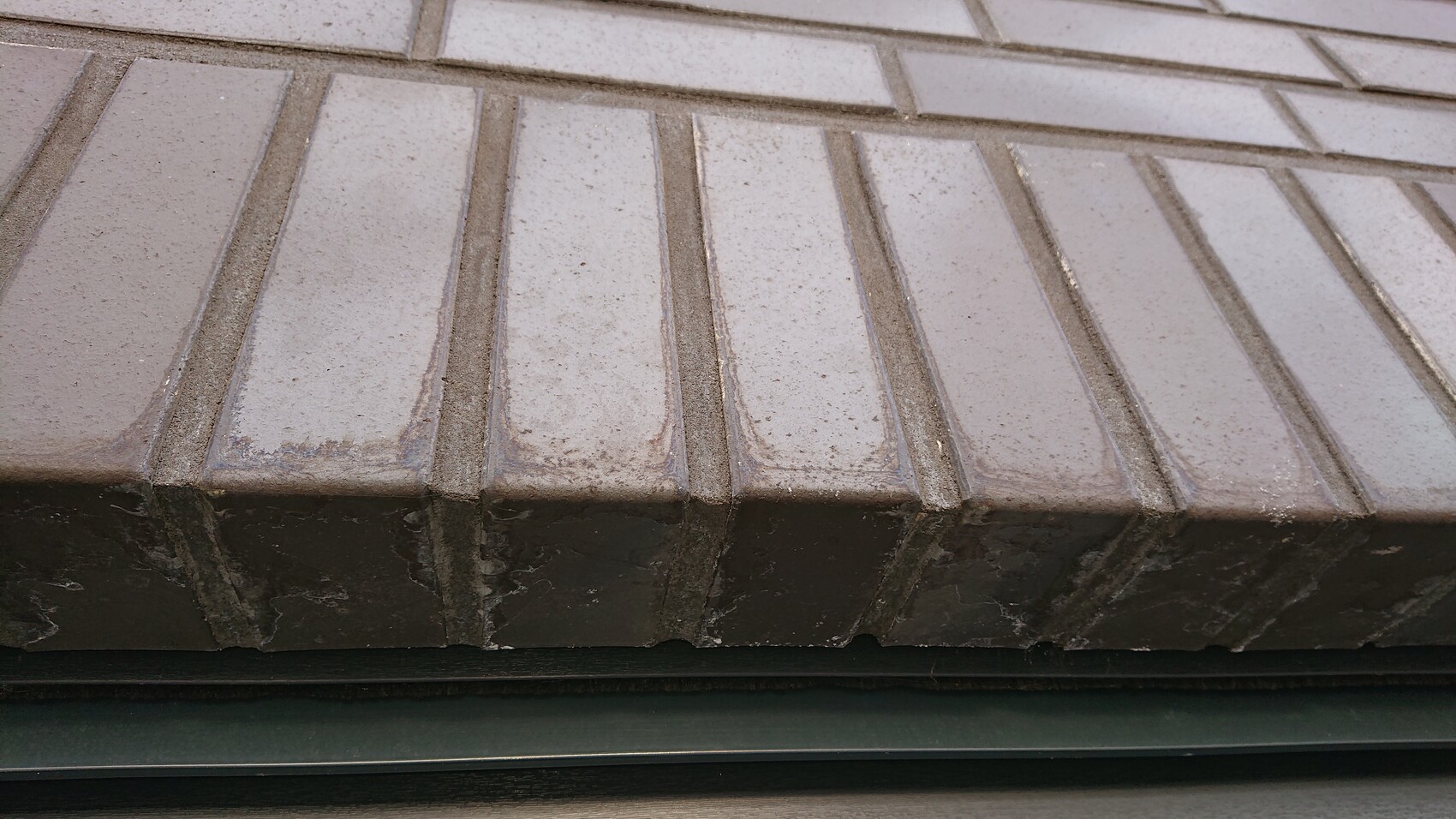
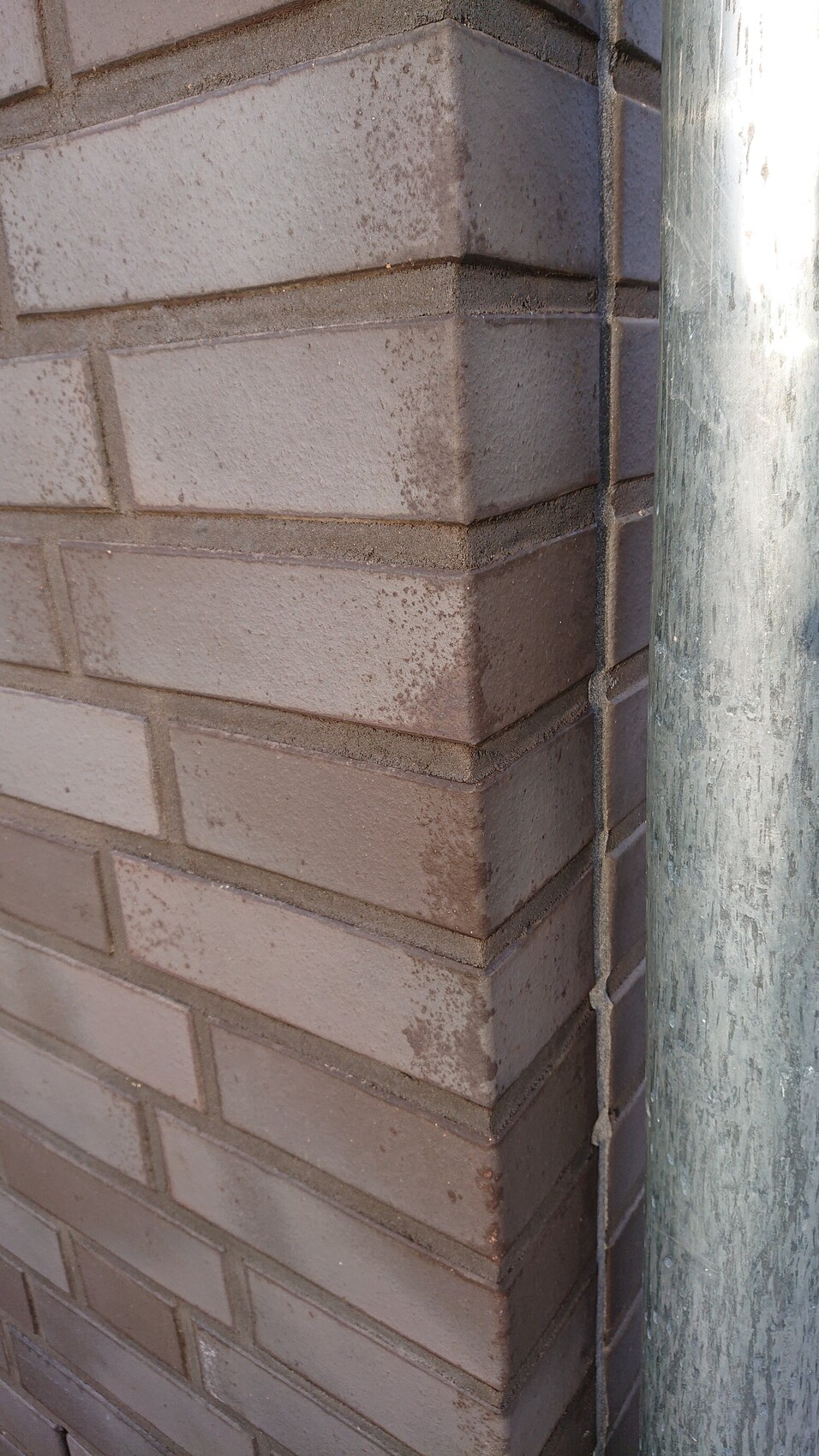
Now, after the first very rainy winter, severe discoloration (similar to rust) and some efflorescence can be seen on the entire weather-exposed side of the house and garage, as well as on some parts of the north side on both the facing bricks and the joints. In other words, the damage has significantly worsened. It seems that acid was washed out of the joints by the rain and has penetrated the bricks laterally, triggering rust-like reactions in the material.
An initial complaint was rejected by the general contractor on the grounds that these are normal processes on the weather-exposed side and do not constitute a defect.
According to the scope of work provided by the general contractor, there is an item for “cleaning and acid washing of the facing brick.” According to the brick manufacturer, these bricks must not be cleaned with acids. This probably no longer corresponds to the generally accepted rules of technology.
Now our questions to experts or any fellow sufferers who have gone through a similar case:
What further steps would you recommend?
Best regards from Heidegeist
A few weeks after the jointing, some black streaks appeared on the facing bricks on the west side. Through our own research and consultation with our construction expert, this pointed to contamination or improper cleaning (e.g., with acid) of the bricks. We also involved a representative from the brick manufacturer, who verbally confirmed this to us. Subsequently, the affected areas were cleaned again without success by a subcontractor of the general contractor.
In the acceptance protocol, the still existing streaks were noted with reservations, as replacing the bricks would likely have caused an even worse appearance, including the jointing.
Now, after the first very rainy winter, severe discoloration (similar to rust) and some efflorescence can be seen on the entire weather-exposed side of the house and garage, as well as on some parts of the north side on both the facing bricks and the joints. In other words, the damage has significantly worsened. It seems that acid was washed out of the joints by the rain and has penetrated the bricks laterally, triggering rust-like reactions in the material.
An initial complaint was rejected by the general contractor on the grounds that these are normal processes on the weather-exposed side and do not constitute a defect.
According to the scope of work provided by the general contractor, there is an item for “cleaning and acid washing of the facing brick.” According to the brick manufacturer, these bricks must not be cleaned with acids. This probably no longer corresponds to the generally accepted rules of technology.
Now our questions to experts or any fellow sufferers who have gone through a similar case:
- Is it to be expected that the other brick areas will also discolor and effloresce over time?
- Some companies claim that such damage can be removed later by cleaning. What is the opinion on this?
- Could laboratory testing of a milled-out brick and joint mortar provide insights into possible defective cleaning or brick production?
- To what extent is a distinction made between functional and aesthetic defects regarding warranty or compensation claims?
What further steps would you recommend?
Best regards from Heidegeist
In your case, I would recommend hiring an expert who is familiar with cladding!
Usually, your brick manufacturer can recommend someone for this.
But one thing I would say:
All manufacturers state: do not use acid!
However, if you can prove this (you can have it tested), then the installer has made a mistake.
What else could you do?
Get a written statement on how the brick was cleaned afterwards by the subcontractor.
I believe this is covered in DIN 105, which defines when a genuine defect is considered, and the total surface area also plays a role. The expert will be able to clarify this for you precisely.
Good luck! I hope I was able to help you in some way!
Usually, your brick manufacturer can recommend someone for this.
But one thing I would say:
All manufacturers state: do not use acid!
However, if you can prove this (you can have it tested), then the installer has made a mistake.
What else could you do?
Get a written statement on how the brick was cleaned afterwards by the subcontractor.
I believe this is covered in DIN 105, which defines when a genuine defect is considered, and the total surface area also plays a role. The expert will be able to clarify this for you precisely.
Good luck! I hope I was able to help you in some way!
H
Heidegeist2 May 2020 18:13Thank you for your reply.
That sounds like a feasible approach. We will probably have to conduct a laboratory analysis of the clinker brick and joint mortar. But then the matter should be relatively clear, provided it was treated incorrectly.
Regards from Heidegeist
That sounds like a feasible approach. We will probably have to conduct a laboratory analysis of the clinker brick and joint mortar. But then the matter should be relatively clear, provided it was treated incorrectly.
Regards from Heidegeist
Similar topics