
S
SeppelPeter869 Jan 2024 13:58Hello everyone,
Our new building was recently faced with brickwork. The bricklaying looked excellent. At the end of December, the brick joints were pointed. However, the weather-exposed side looks awful. According to our construction manager, everything is fine. After all, it did rain. Is this really normal, and do we have to accept it like this?
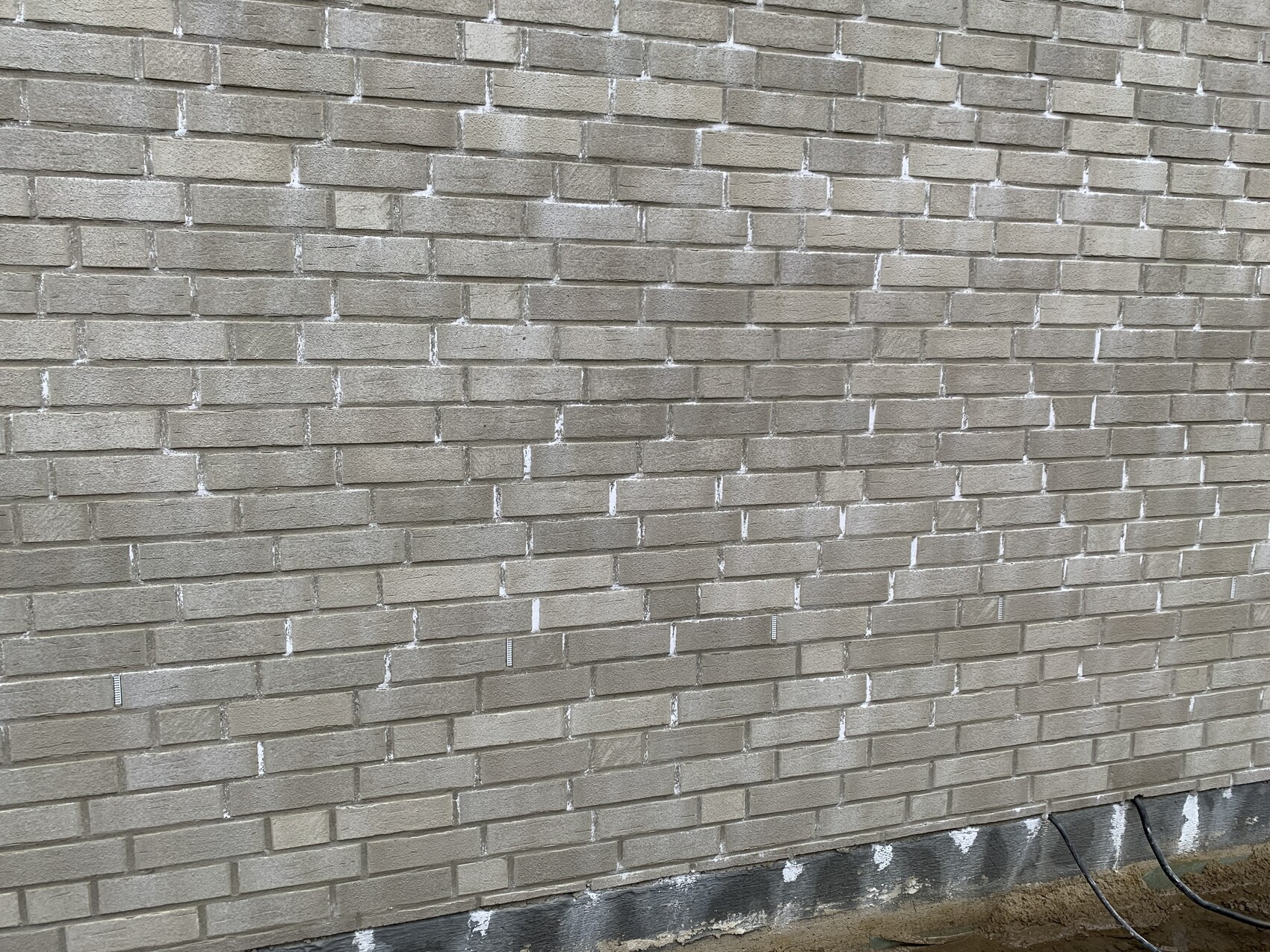
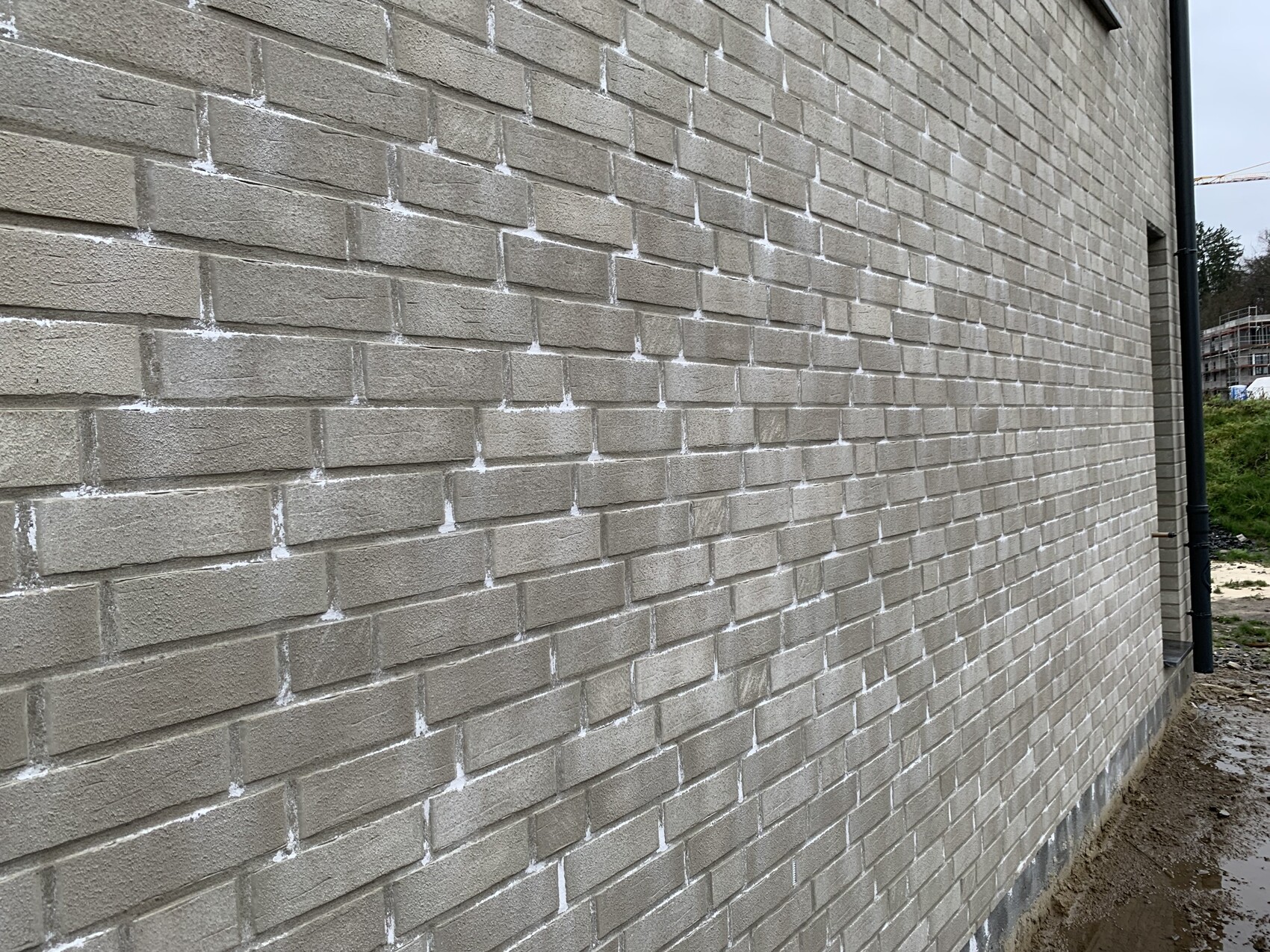
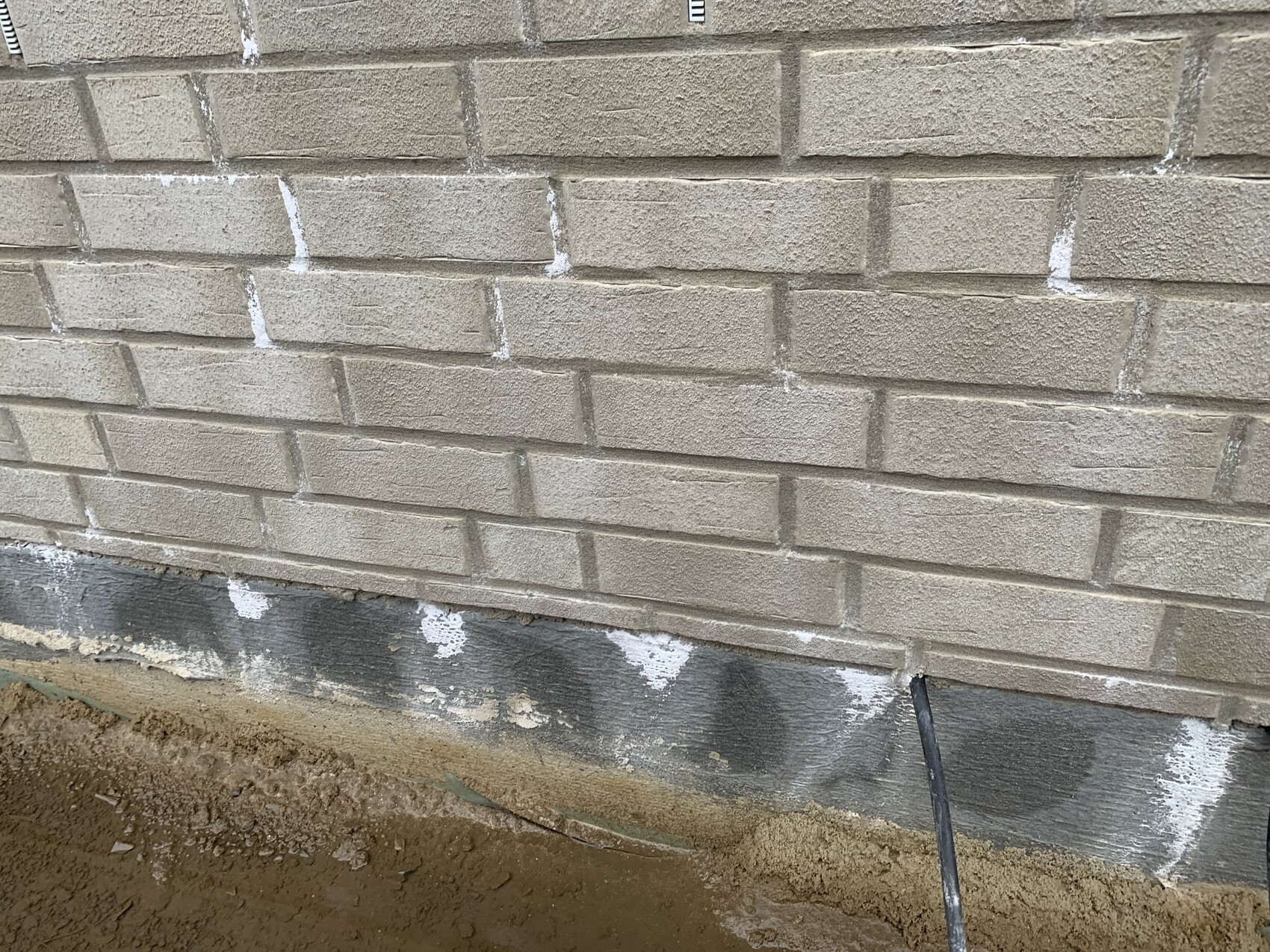
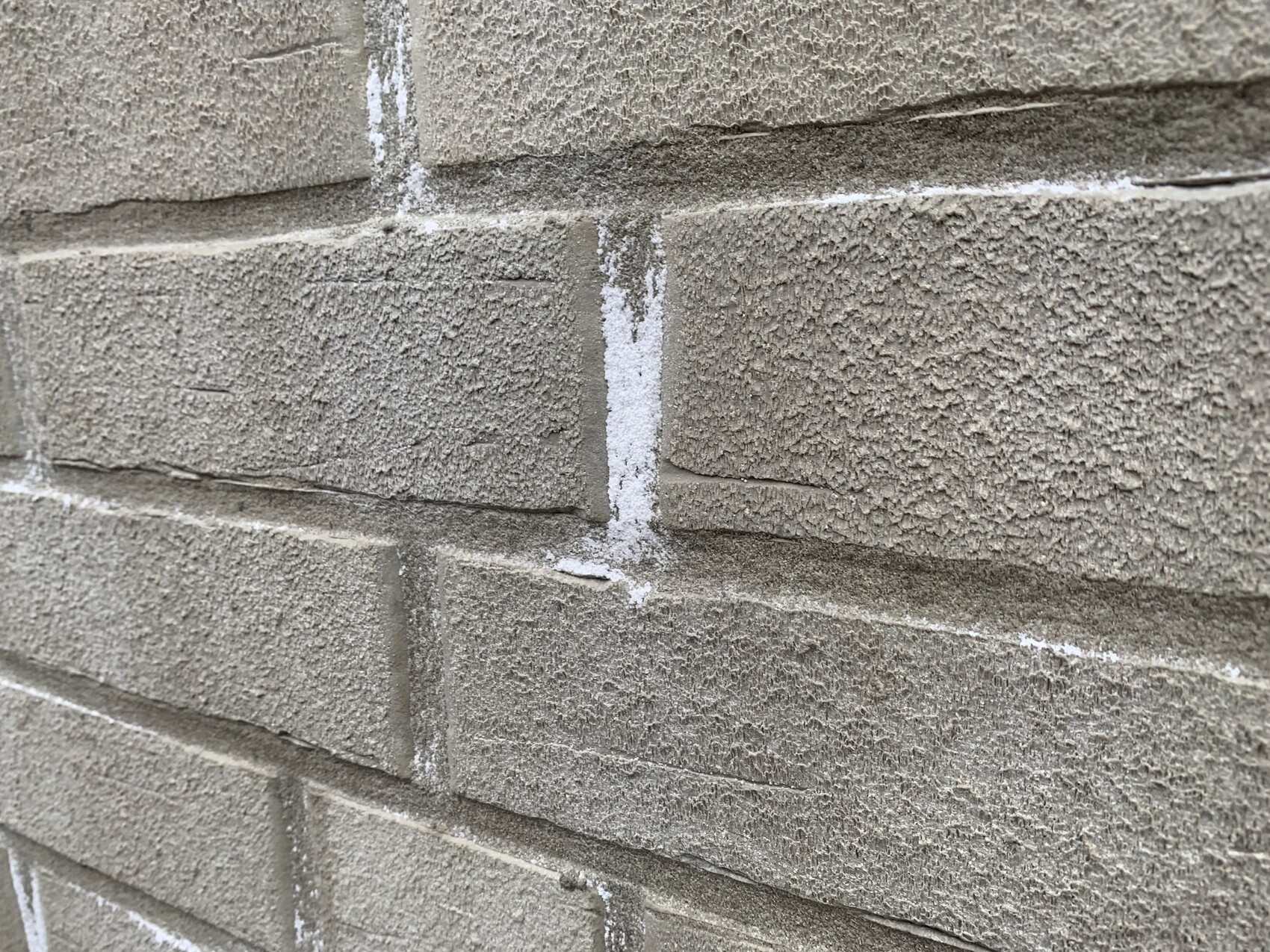
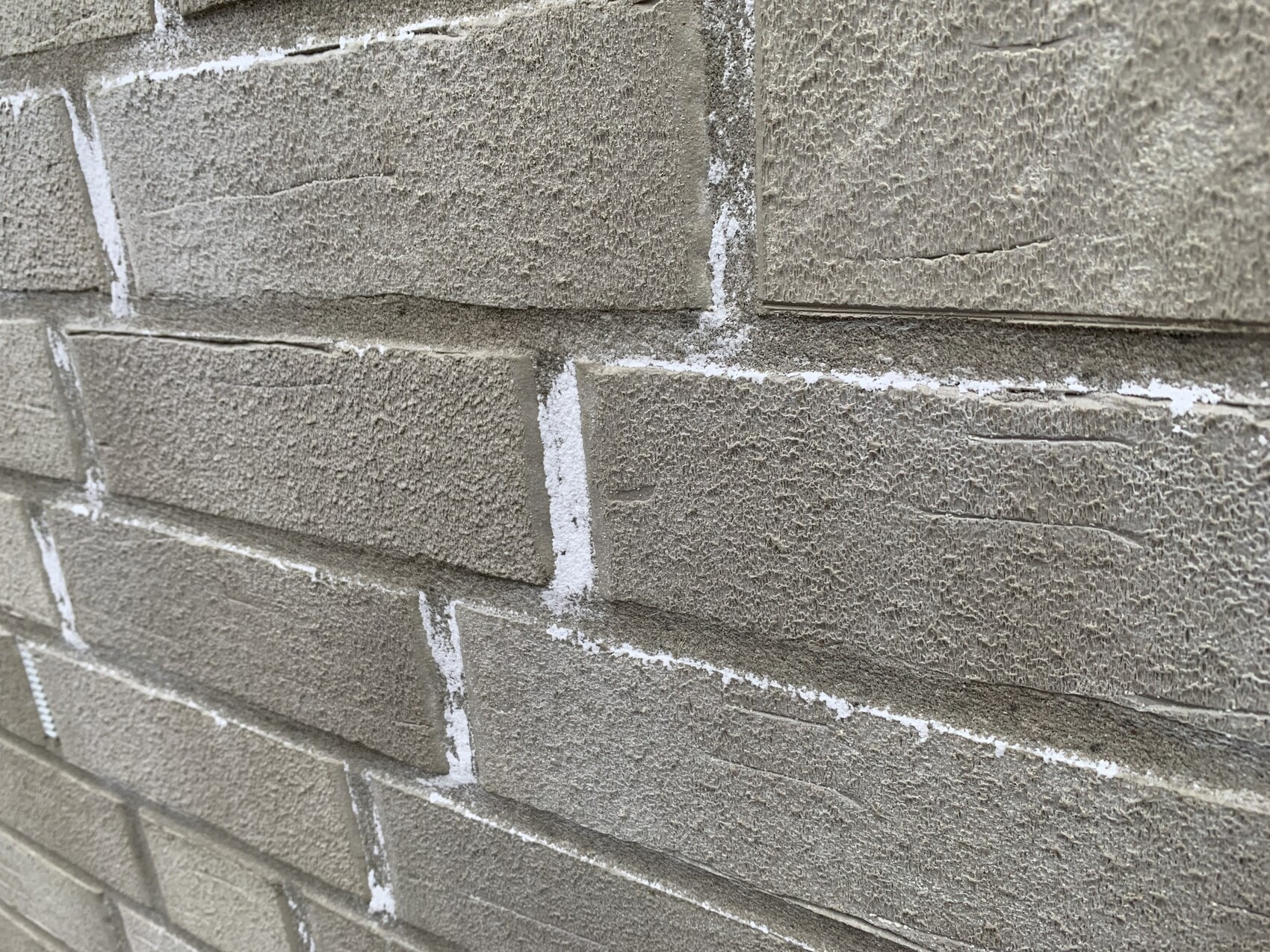
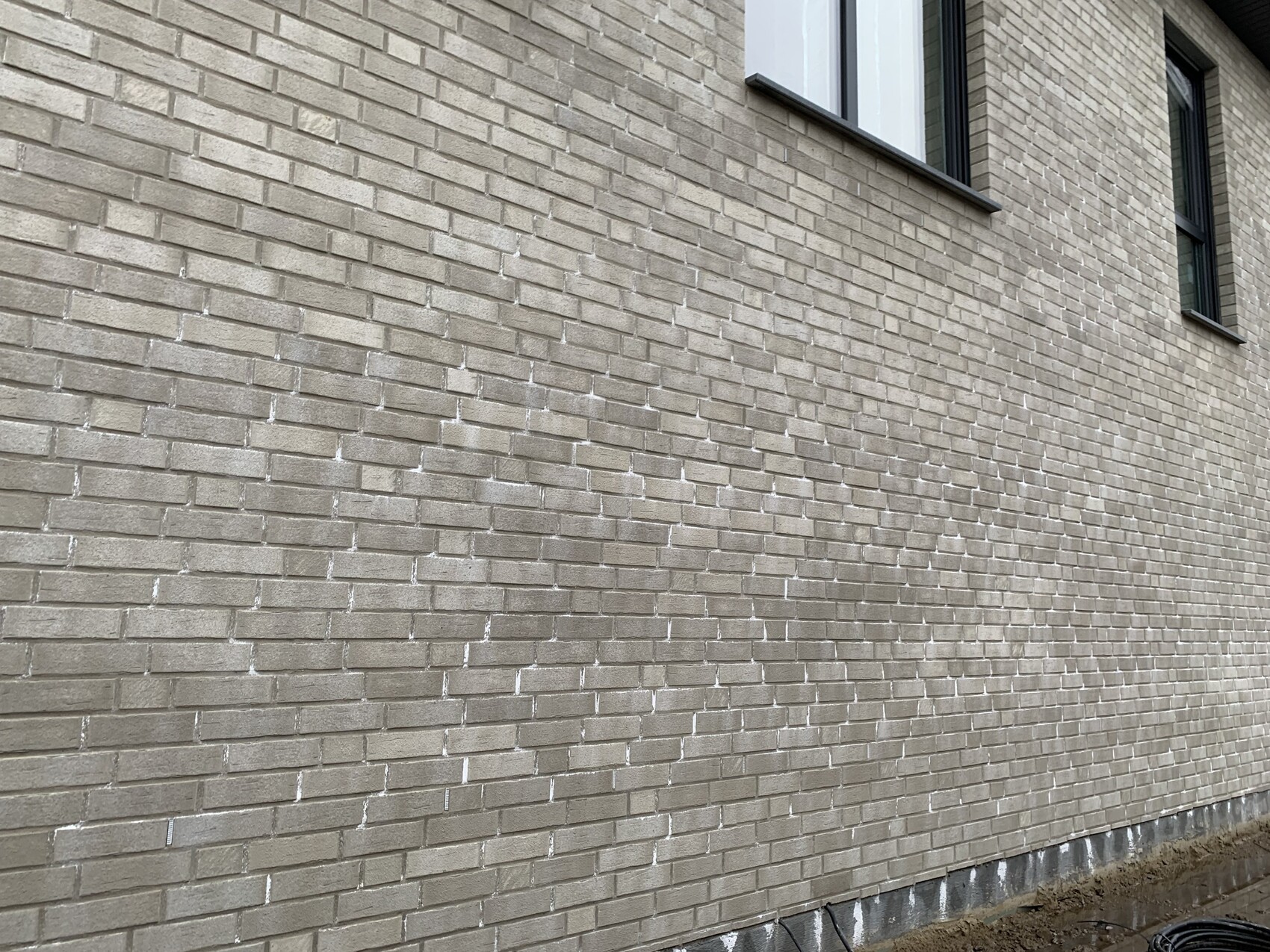
Our new building was recently faced with brickwork. The bricklaying looked excellent. At the end of December, the brick joints were pointed. However, the weather-exposed side looks awful. According to our construction manager, everything is fine. After all, it did rain. Is this really normal, and do we have to accept it like this?

After installing the brick cladding, leave the joints open for one winter before pointing them. That’s what a neighbor of ours did. He was a professional and explained the reason to me (but I’ve forgotten it since). Many others pointed the joints immediately after cladding and often experienced efflorescence (which they then tried to claim compensation for, more or less successfully). Nowadays, nobody has time or time is too expensive. I guess building physics processes can probably only be countered with chemicals?
J
jens.knoedel9 Jan 2024 17:36Take a look online for "removing efflorescence from brick joints." You will find tips depending on the stage of the efflorescence, ranging up to chemical treatments (formerly hydrochloric acid).
It looks like lime efflorescence.
It looks like lime efflorescence.

We also noticed this quite clearly during the first winter. Either it disappeared over the course of two summers, was washed away, or I don't know what happened, or I just don’t pay attention to it anymore...
I remember how much it annoyed me back then. But I also know that I didn’t do anything about it and that it doesn’t bother me anymore today.
I remember how much it annoyed me back then. But I also know that I didn’t do anything about it and that it doesn’t bother me anymore today.
Similar topics