
M
Michael CH24 Feb 2016 21:07Good day,
In this kitchen, the old tiles need to be removed so that the area can be retiled for the new wood-burning stove.
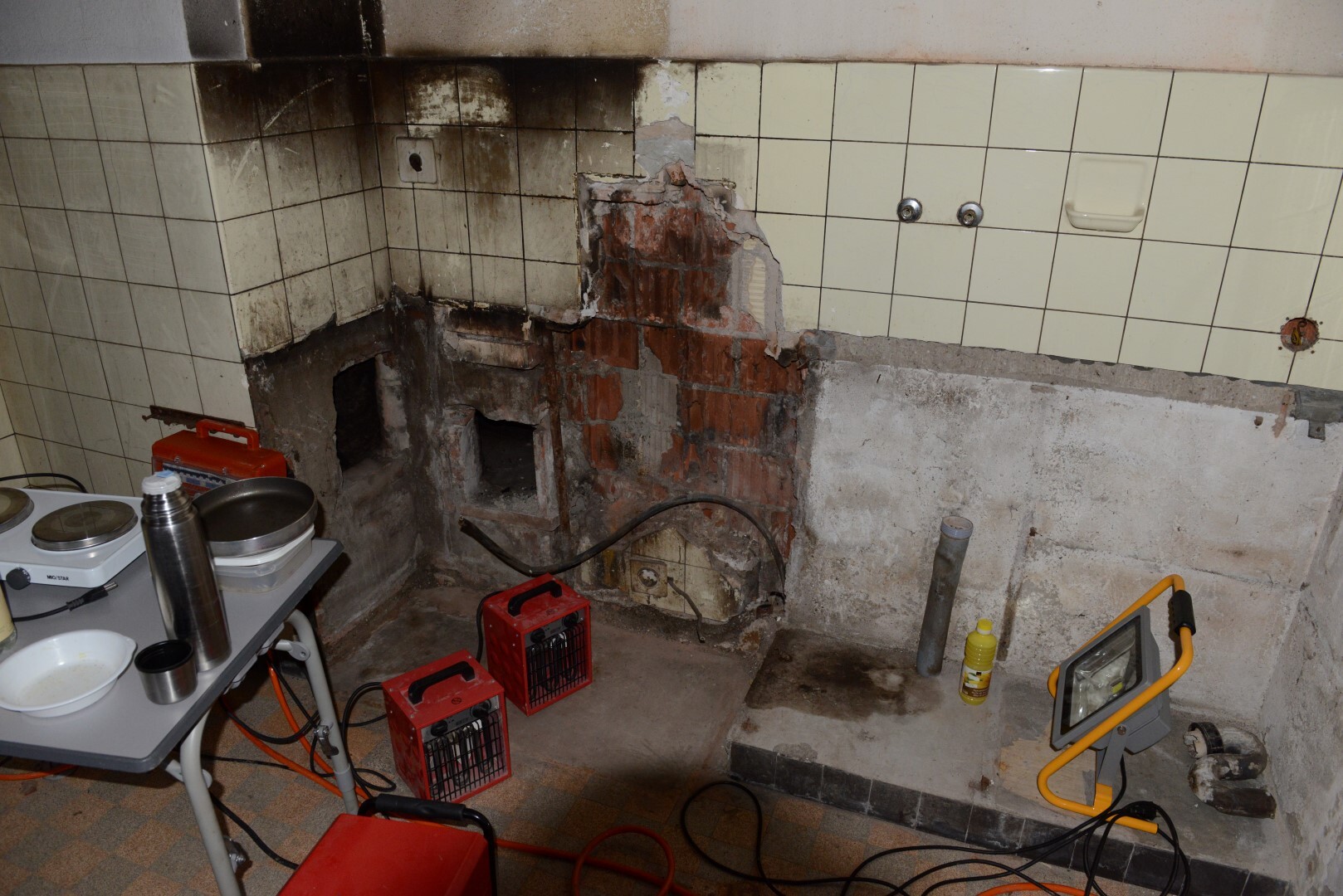
I am not quite sure which renovation grinder to use (after removing with the demolition hammer). There seem to be basically two types of grinding heads: one with "stars" and one that grinds. I can borrow a tool (Makita) but have to buy the appropriate grinding head myself. Both are recommended for tile adhesive in the product descriptions.
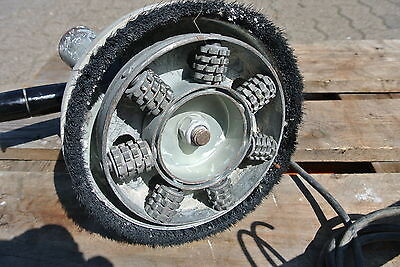
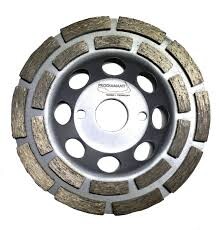
Or would a completely different approach be recommended? Ideally, the substrate should be ready to be tiled again.
Can anyone help?
Thanks
Michael
In this kitchen, the old tiles need to be removed so that the area can be retiled for the new wood-burning stove.
I am not quite sure which renovation grinder to use (after removing with the demolition hammer). There seem to be basically two types of grinding heads: one with "stars" and one that grinds. I can borrow a tool (Makita) but have to buy the appropriate grinding head myself. Both are recommended for tile adhesive in the product descriptions.
Or would a completely different approach be recommended? Ideally, the substrate should be ready to be tiled again.
Can anyone help?
Thanks
Michael

The first picture shows a cutter with so-called milling wheels, which are used to remove plaster or adhesive.
The second one is a sanding disc, which actually only removes thinner layers.
I suspect that the tiles in the picture were installed using the thick-bed method. Therefore, I imagine that you would break them off with a demolition hammer anyway and then replaster the wall. So, is the milling cutter really necessary?
If you do need it, use the cutter. But be careful, it creates a big mess, so use one with dust extraction. Well-equipped hardware stores often have these available for rent.
Best regards, Sigi
The second one is a sanding disc, which actually only removes thinner layers.
I suspect that the tiles in the picture were installed using the thick-bed method. Therefore, I imagine that you would break them off with a demolition hammer anyway and then replaster the wall. So, is the milling cutter really necessary?
If you do need it, use the cutter. But be careful, it creates a big mess, so use one with dust extraction. Well-equipped hardware stores often have these available for rent.
Best regards, Sigi
M
Michael CH24 Feb 2016 22:13Hello Sigi
Thank you for your reply. Okay, then it’s better to remove everything at once.
What I’m quite concerned about is that the niche with the new tiles must have the same internal dimensions as the existing one. The new wood-burning stove fills the entire niche and has a frame. So this must be accurate down to the millimeter.
I’m wondering if there could be a lightweight construction solution that can be carefully adjusted and aligned until it fits perfectly (and then everything will be tiled). However, it would have to be approved for use with the wood-burning stove.
The plaster profiles will be embedded in the plaster, right? That leaves little time for precise alignment (the angles also need to be correct).
Michael
Thank you for your reply. Okay, then it’s better to remove everything at once.
What I’m quite concerned about is that the niche with the new tiles must have the same internal dimensions as the existing one. The new wood-burning stove fills the entire niche and has a frame. So this must be accurate down to the millimeter.
I’m wondering if there could be a lightweight construction solution that can be carefully adjusted and aligned until it fits perfectly (and then everything will be tiled). However, it would have to be approved for use with the wood-burning stove.
The plaster profiles will be embedded in the plaster, right? That leaves little time for precise alignment (the angles also need to be correct).
Michael

Tiles can usually be removed most effectively with a tile chisel.
These are available for rotary hammers with an SDS chuck.
Otherwise, you can probably also find manual chisels.
It’s best to position the chisel at an angle under the tile, and ideally, the tile will come off completely when you start chiseling.
Grinding discs are used to remove any remaining tile fragments and adhesive. I used them as well. It’s best to buy one that fits a construction vacuum attachment, as they create a lot of dust.
These are available for rotary hammers with an SDS chuck.
Otherwise, you can probably also find manual chisels.
It’s best to position the chisel at an angle under the tile, and ideally, the tile will come off completely when you start chiseling.
Grinding discs are used to remove any remaining tile fragments and adhesive. I used them as well. It’s best to buy one that fits a construction vacuum attachment, as they create a lot of dust.