
ᐅ Ceiling outlets for controlled mechanical ventilation, is that correct?
Created on: 2 Jun 2019 13:22
T
tumaa
Hello everyone,
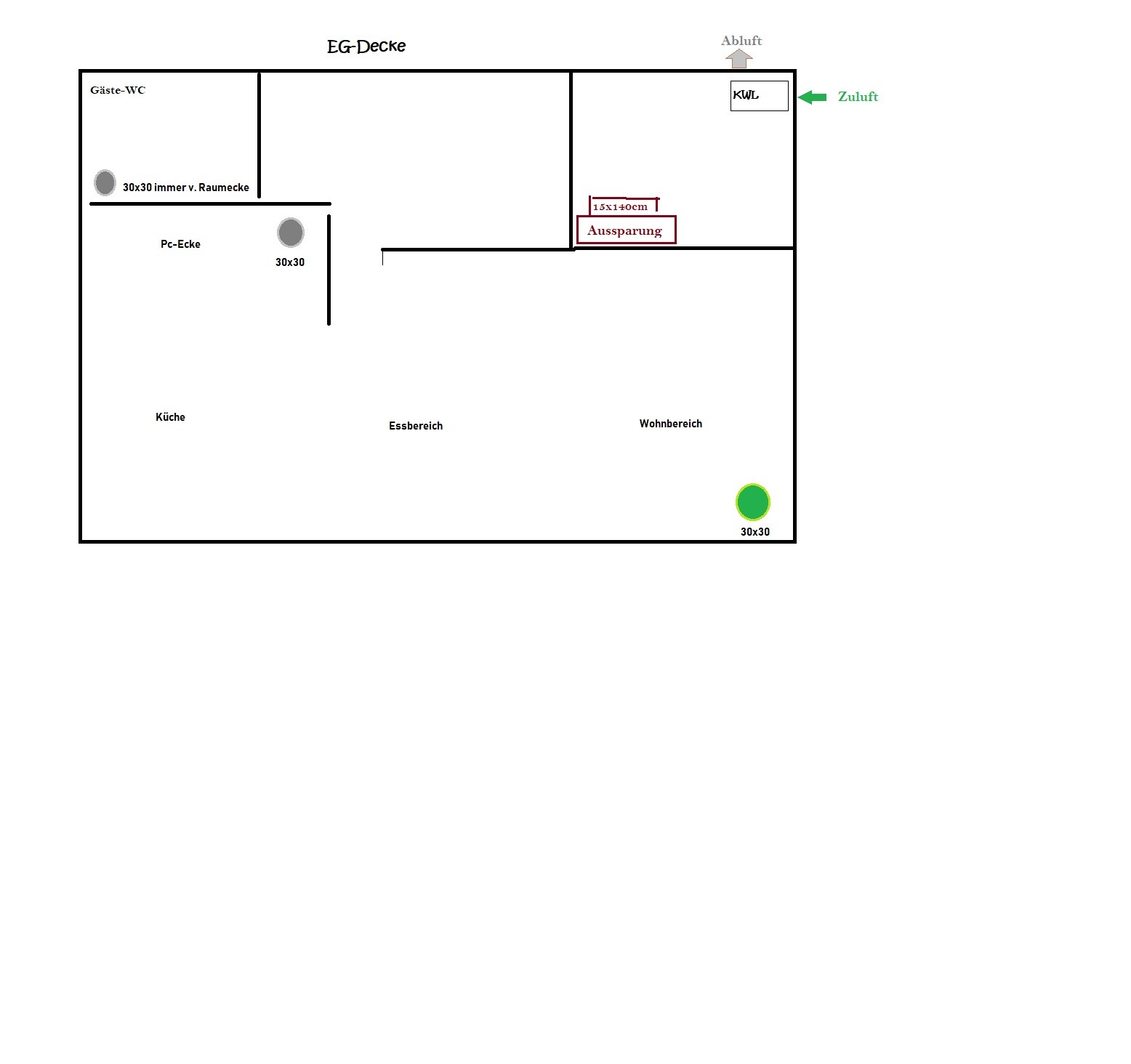
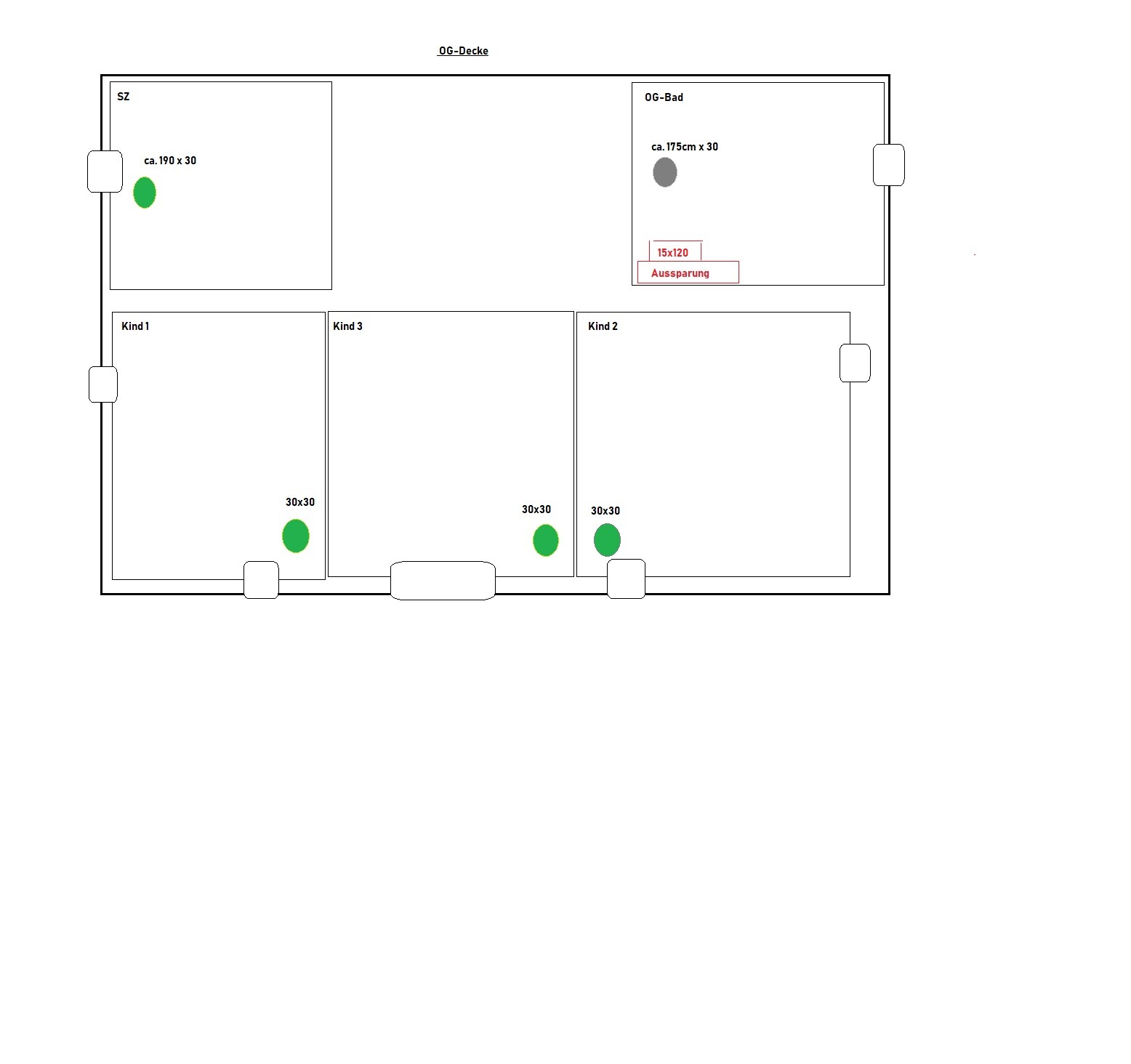
The concrete ceiling needs to be ordered, and I’m supposed to inform the site manager where the outlets for the mechanical ventilation with heat recovery should be.
Originally, 100mm (4 inches) spiral ducts were planned, but this makes the concrete ceiling more expensive, etc...... Now I’m planning to use flat ducts.
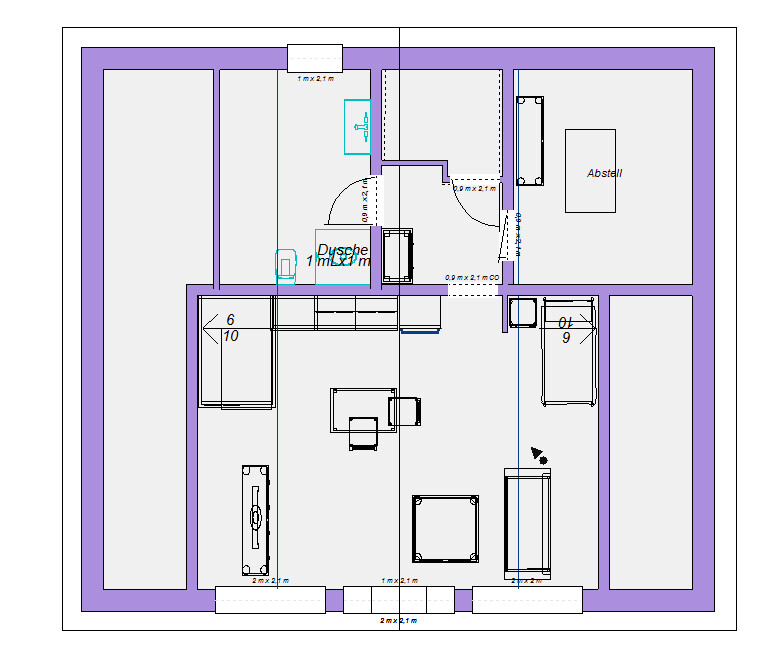
The attic will also be converted.
Right now, the plan is for 6 supply air and 6 exhaust air outlets.
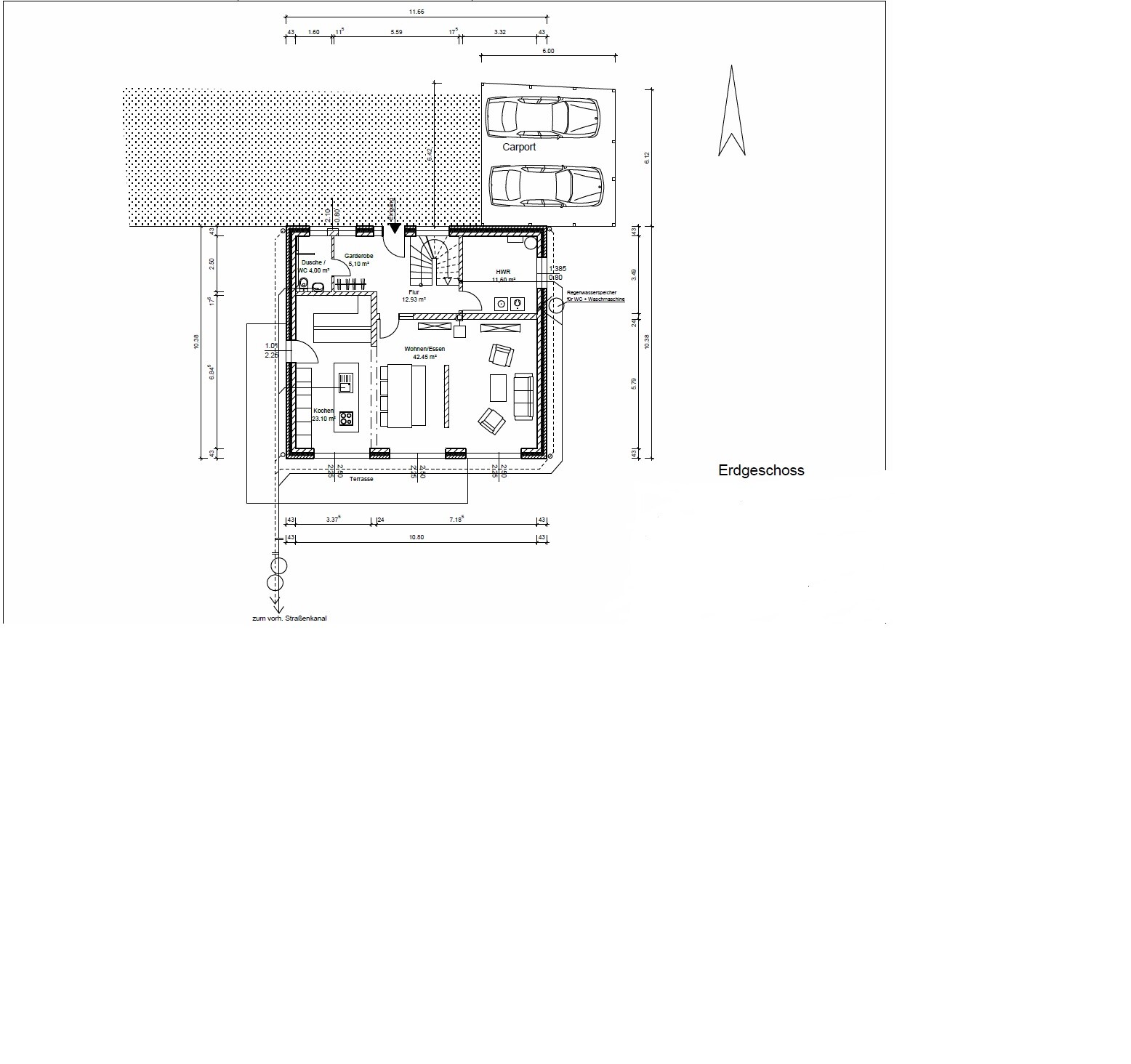
Ground floor:
1 exhaust air in the utility room
2 exhaust air (guest WC and kitchen)
1 supply air (living area)
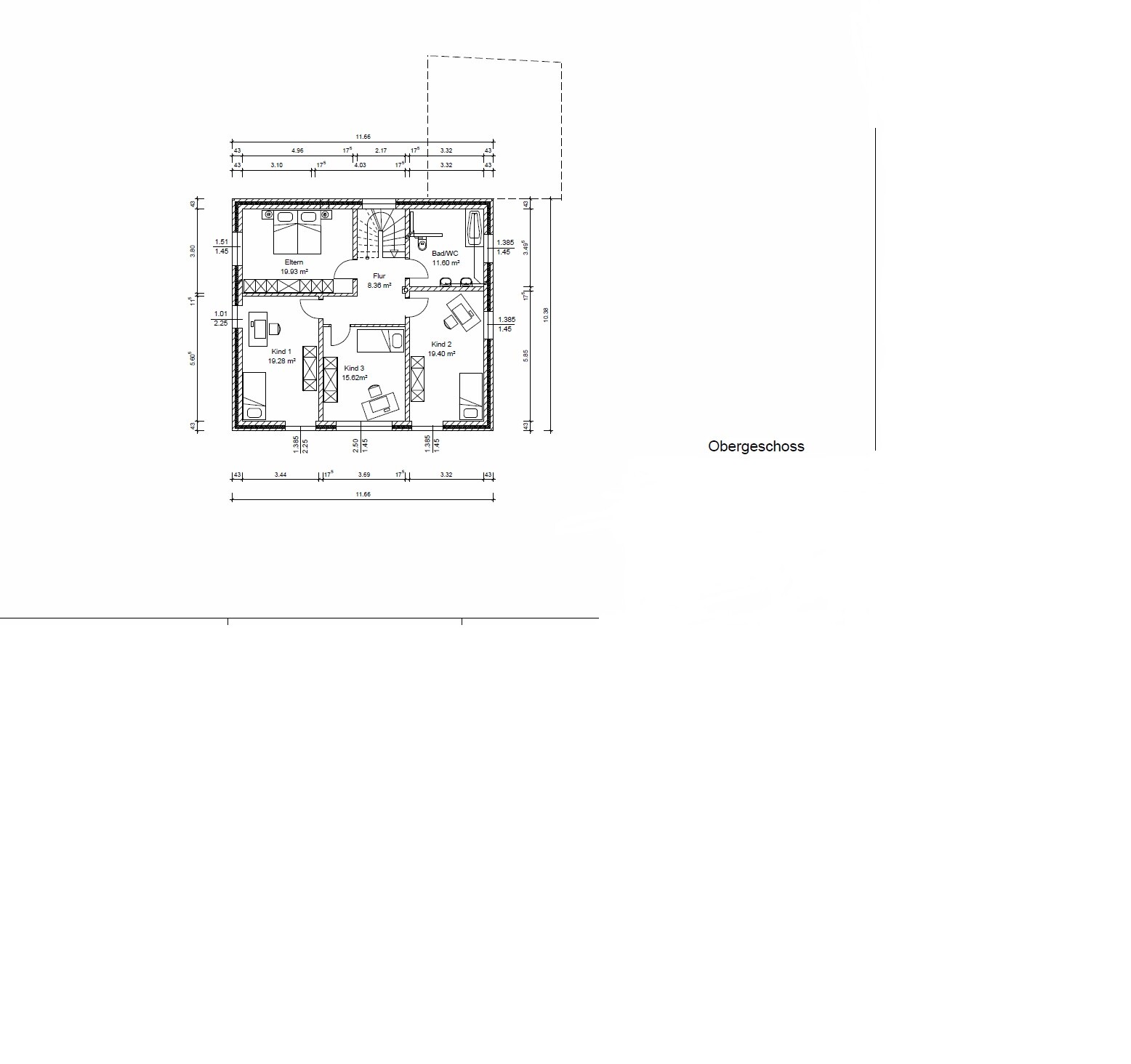
First floor:
1 exhaust air for the bathroom
4 supply air for the bedrooms
Attic:
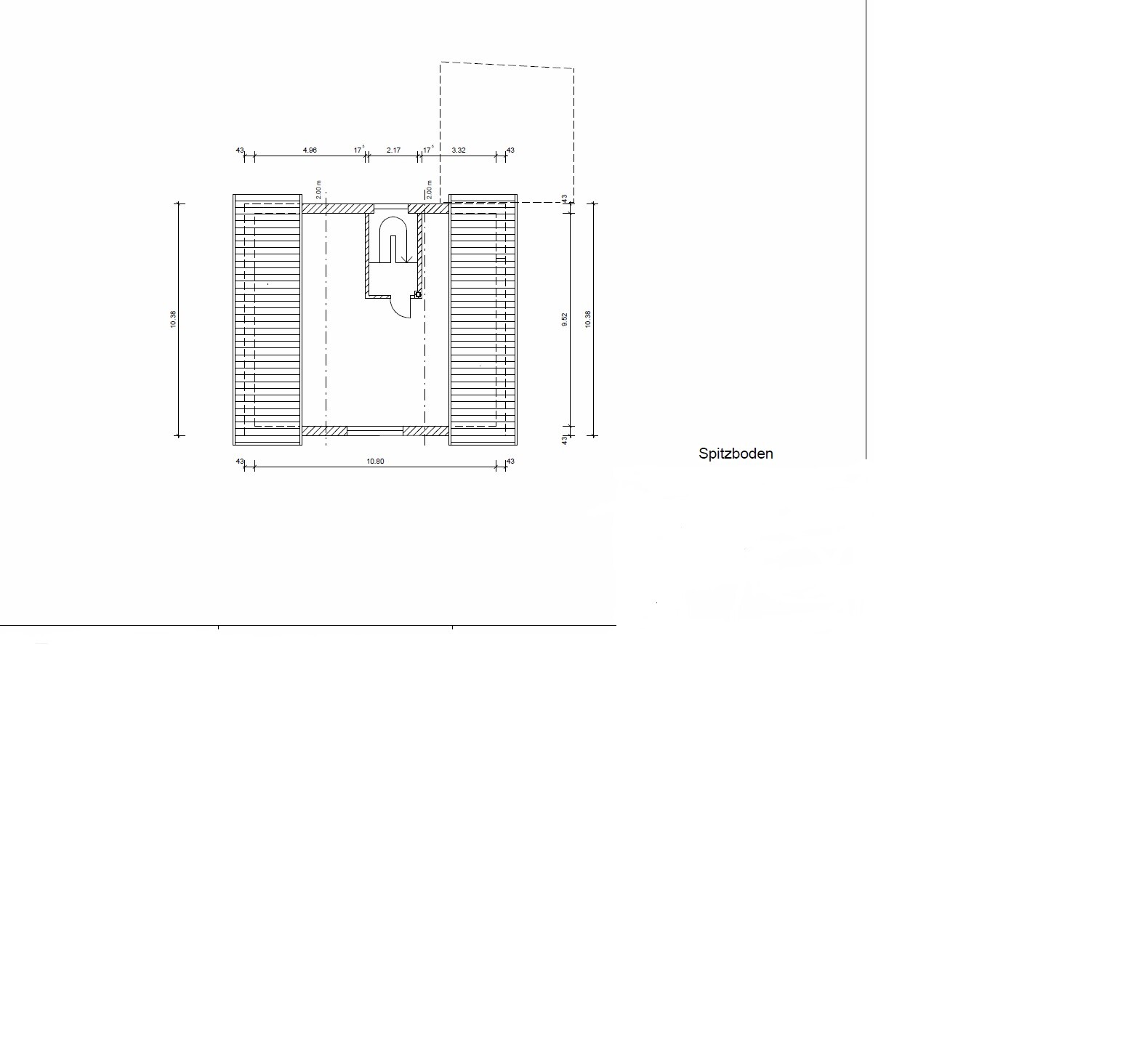
2 exhaust air (storage room and bathroom)
1 supply air for the room
Does this make sense? Thanks!
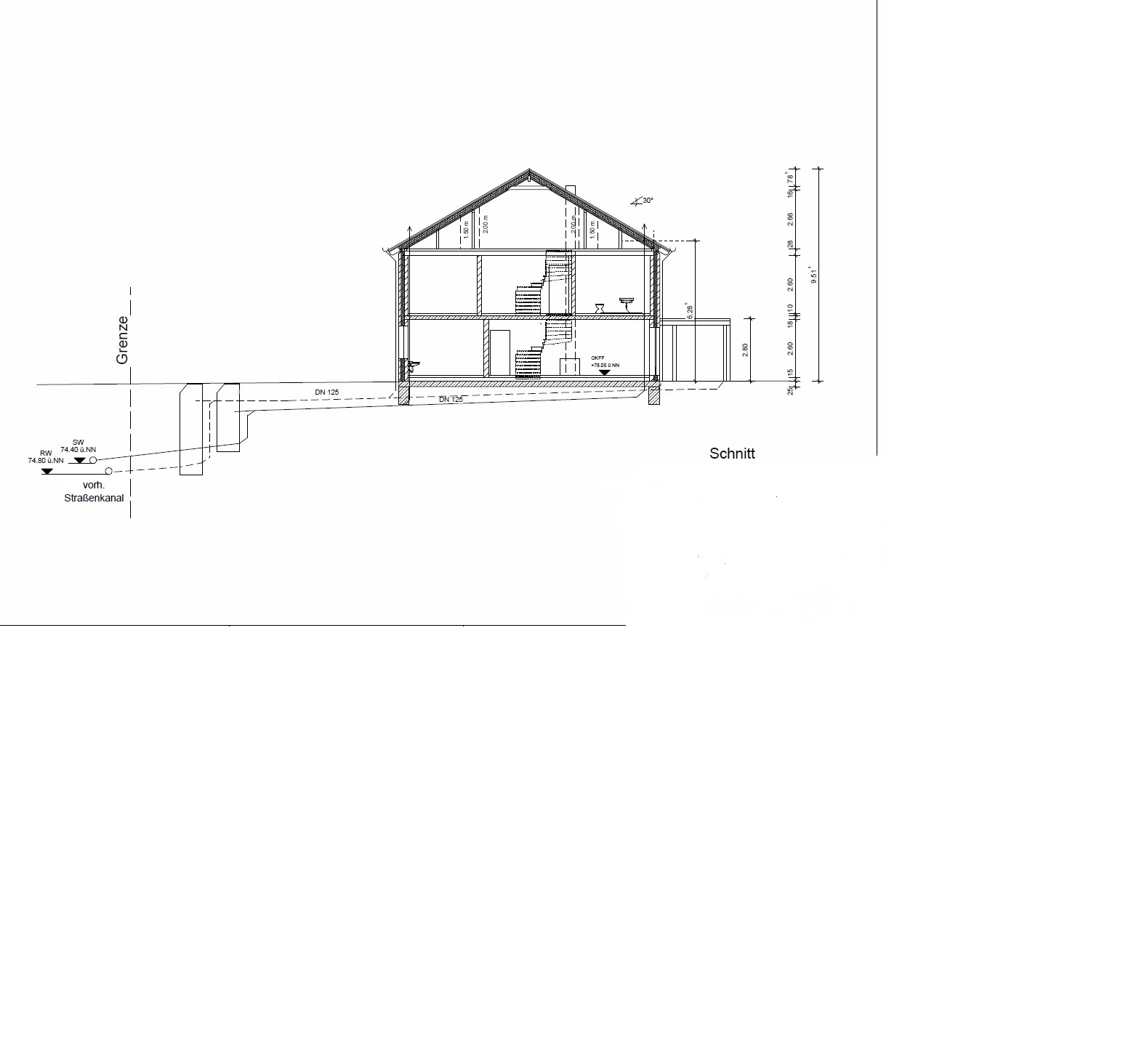
The concrete ceiling needs to be ordered, and I’m supposed to inform the site manager where the outlets for the mechanical ventilation with heat recovery should be.
Originally, 100mm (4 inches) spiral ducts were planned, but this makes the concrete ceiling more expensive, etc...... Now I’m planning to use flat ducts.
The attic will also be converted.
Right now, the plan is for 6 supply air and 6 exhaust air outlets.
Ground floor:
1 exhaust air in the utility room
2 exhaust air (guest WC and kitchen)
1 supply air (living area)
First floor:
1 exhaust air for the bathroom
4 supply air for the bedrooms
Attic:
2 exhaust air (storage room and bathroom)
1 supply air for the room
Does this make sense? Thanks!
B
boxandroof6 Jun 2019 23:41The planning of the air volumes does not seem to come from an amateur after all?!
Relying blindly on “planners” for technical design and implementation is comfortable, but (unfortunately) rarely the ideal approach, as can be seen here. There is always room for improvement, but the important thing is to prevent major mistakes.
Relying blindly on “planners” for technical design and implementation is comfortable, but (unfortunately) rarely the ideal approach, as can be seen here. There is always room for improvement, but the important thing is to prevent major mistakes.
ypg schrieb:
Sorry, I wouldn’t recommend having a layperson do the planning; it’s better to follow the suggestions of an architect, heating engineer, and planner. Many heating engineers or architects are not able to do this; usually it is done by building engineers (I believe that’s what they are called).
This plan was created by a major controlled residential ventilation supplier (only certain employees handle this there, not sure if they are planners), but I can’t say right now if it is actually correct. That’s why I posted it—maybe a planner happens to be here.
tumaa schrieb:
This plan was designed by a major supplier of controlled residential ventilation (only certain employees do this there, whether they are planners or not? This is how it should be.
Some people here might accidentally make the right suggestion, but I wouldn’t place much value on that.
Just my opinion!
B
boxandroof7 Jun 2019 00:09ypg schrieb:
It may be that some people here accidentally make the right suggestion,Planning ventilation is not rocket science.I already mentioned that I am not a professional, so the original poster can properly assess my suggestions.
As long as no one is personally attacked, it’s not really wrong.
I told them that it is often heard that controlled mechanical ventilation systems are supposed to be noisy.
I was then told that proper planning and calculation are therefore very important. The calculation was done according to DIN standards, the supplier is said to have a good reputation, and basically, they couldn’t afford to make mistakes in the calculations.
An acquaintance told me that he always uses a *rule of thumb*.
Of course, errors can always occur.
I told them that it is often heard that controlled mechanical ventilation systems are supposed to be noisy.
I was then told that proper planning and calculation are therefore very important. The calculation was done according to DIN standards, the supplier is said to have a good reputation, and basically, they couldn’t afford to make mistakes in the calculations.
An acquaintance told me that he always uses a *rule of thumb*.
Of course, errors can always occur.
B
boxandroof7 Jun 2019 00:31So stop planning here or elsewhere, and you can only benefit from it.
It’s like with floor plans—there is often valuable input, not just by chance.
It’s like with floor plans—there is often valuable input, not just by chance.
Similar topics