
ᐅ Sewer Works – Conflict with Pile Foundation and General Questions
Created on: 21 Oct 2016 19:28
T
titozHello everyone,
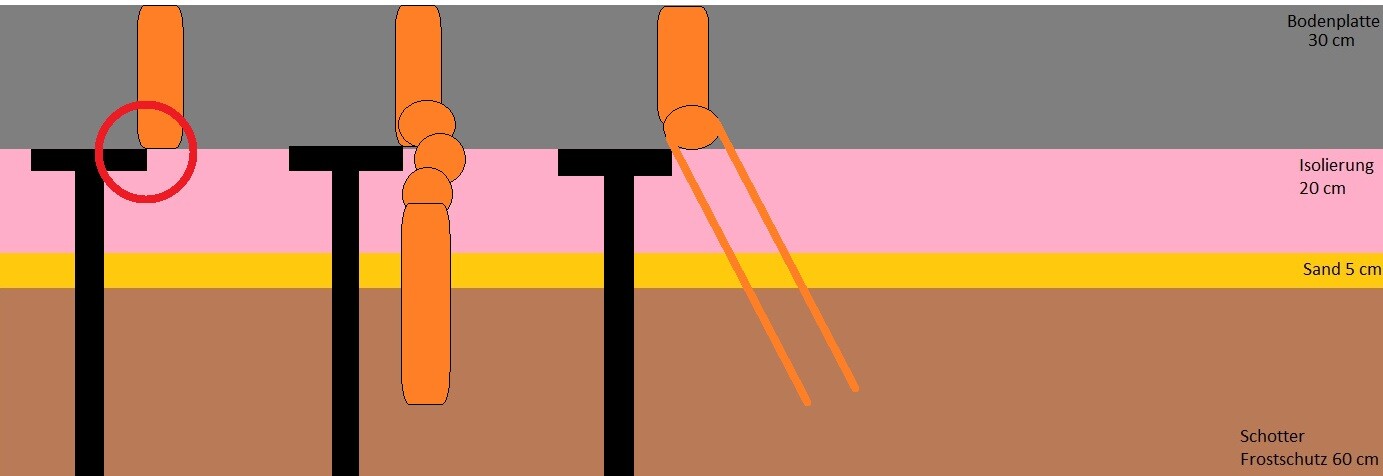
Attached is the current or planned floor structure.
Concrete slab – 30 cm (12 inches)
Insulation – 20 cm (8 inches)
Sand – 5 cm (2 inches)
Recycled concrete aggregate – 60 cm (24 inches)
Soil
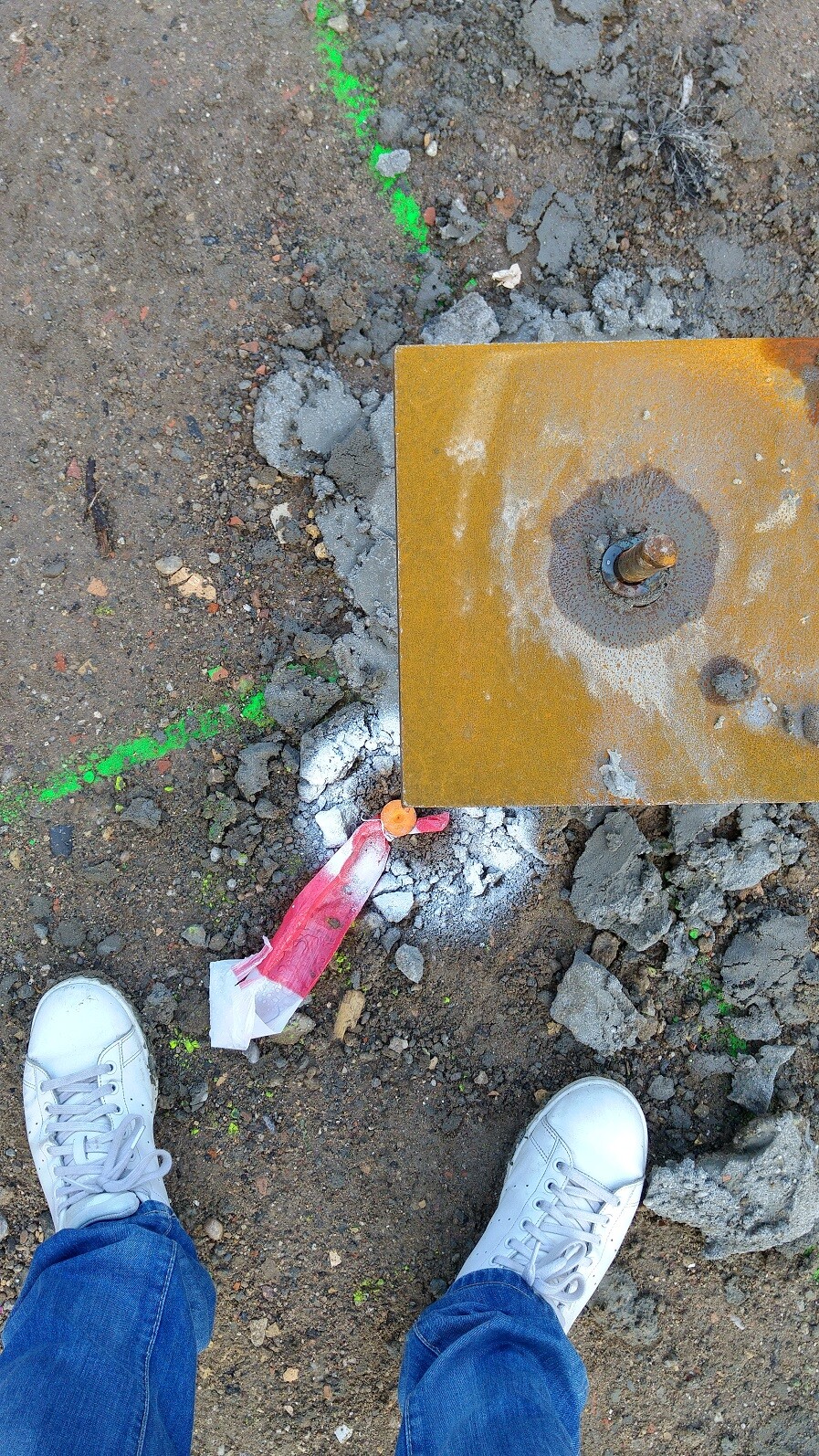
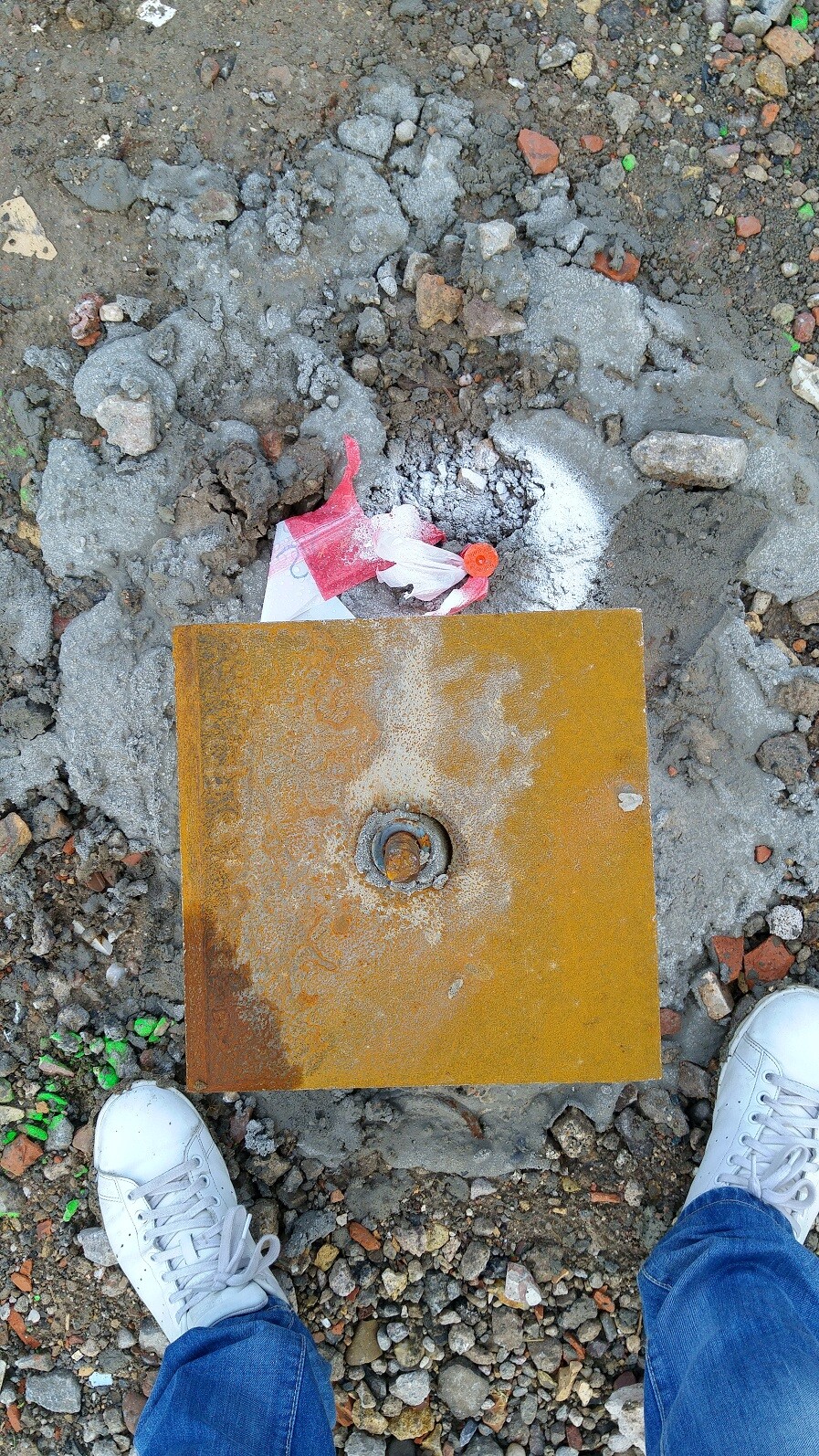
We had to use pile foundations, and at three piles, the pile cap slightly interferes with the wastewater pipes.
My questions:
1. Do the wastewater pipes need to be relocated, or can the obstacle be worked around?
2. If it can be worked around, how should this be done?
3. How are the protruding pipes usually secured? I want to avoid the pipes tilting just before pouring the concrete slab, which could cause the walls not to fit precisely.
4. It is often said that wastewater pipes should be frost-resistant. I’ve heard 60–80 cm (24–31 inches). Does this also apply to the area beneath the concrete slab/insulation, or only to areas that are not covered by the building?
5. I was advised to connect the wastewater pipes to the concrete slab with supporting straps that are cast into the slab. The reasoning is that the house will not settle due to the pile foundation. However, if the ground does settle, the straps would prevent damage because the pipes would be supported by the concrete slab.
6. What happens if a wastewater pipe protruding from the slab doesn’t fit perfectly into the house wall (timber frame construction)? How much flexibility is there?
7. I want to install a conduit under the concrete slab heading into the garden area to provide electricity there later. How deep should it be buried? Should I use a standard drainage pipe or a flexible conduit? Is DN50 sufficient? Or would it be better not to run the conduit under the slab but rather alongside the house?
8. Grounding: The builder recommends a grounding strip that is installed just a few centimeters into the ground. The earthworks contractor says it should be laid in a loop around the entire house. The builder says a half loop is sufficient. My problem is that I can’t go completely around the house since part of it is supported on stilts. Is it allowed to install the grounding partly under the concrete slab? If it does not have to go fully around, that would solve the issue.
Many of these topics should ideally be clarified by the builder or earthworks contractor, but I can’t get hold of either at the moment. Of course, I also need some knowledge to engage constructively with both.
Regards
titoz
Attached is the current or planned floor structure.
Concrete slab – 30 cm (12 inches)
Insulation – 20 cm (8 inches)
Sand – 5 cm (2 inches)
Recycled concrete aggregate – 60 cm (24 inches)
Soil
We had to use pile foundations, and at three piles, the pile cap slightly interferes with the wastewater pipes.
My questions:
1. Do the wastewater pipes need to be relocated, or can the obstacle be worked around?
2. If it can be worked around, how should this be done?
3. How are the protruding pipes usually secured? I want to avoid the pipes tilting just before pouring the concrete slab, which could cause the walls not to fit precisely.
4. It is often said that wastewater pipes should be frost-resistant. I’ve heard 60–80 cm (24–31 inches). Does this also apply to the area beneath the concrete slab/insulation, or only to areas that are not covered by the building?
5. I was advised to connect the wastewater pipes to the concrete slab with supporting straps that are cast into the slab. The reasoning is that the house will not settle due to the pile foundation. However, if the ground does settle, the straps would prevent damage because the pipes would be supported by the concrete slab.
6. What happens if a wastewater pipe protruding from the slab doesn’t fit perfectly into the house wall (timber frame construction)? How much flexibility is there?
7. I want to install a conduit under the concrete slab heading into the garden area to provide electricity there later. How deep should it be buried? Should I use a standard drainage pipe or a flexible conduit? Is DN50 sufficient? Or would it be better not to run the conduit under the slab but rather alongside the house?
8. Grounding: The builder recommends a grounding strip that is installed just a few centimeters into the ground. The earthworks contractor says it should be laid in a loop around the entire house. The builder says a half loop is sufficient. My problem is that I can’t go completely around the house since part of it is supported on stilts. Is it allowed to install the grounding partly under the concrete slab? If it does not have to go fully around, that would solve the issue.
Many of these topics should ideally be clarified by the builder or earthworks contractor, but I can’t get hold of either at the moment. Of course, I also need some knowledge to engage constructively with both.
Regards
titoz
Similar topics