
ᐅ Brown stains on the wall at the height of the ring beam – what should I do?
Created on: 4 Aug 2018 17:24
S
scheuzi
Hello,
We moved into our single-family home in April of this year. The interior walls were plastered last December and, after the drying period, were painted with silicate paint in March. Unfortunately, by late May/early June, we noticed stains appearing at the level of the ring beam on the upper floor—initially in one room, but over time in almost all rooms at the same height, showing through the paint. When we moved in, there was nothing visible here; the first stains only appeared at the end of May in two rooms. We have already shown this issue to our planner. He ruled out mold and suggested we wait a bit and then repaint that area in the fall. I understand it’s difficult to assess from a distance, but do you have any idea what this might be and how I should proceed? I find the planner’s response insufficient since the stains are present throughout the entire upper floor. Who would you recommend contacting for this—the structural carpenter or the plasterer? We have also scheduled an appointment with a building expert, but their soonest availability is at the end of October since they are fully booked. Attached is a photo where the stains can be seen upon closer inspection. The stains appear only at the height of the ring beam and vary in intensity in different rooms, but they are present almost everywhere. In some cases, especially with colorful wall paint in the children's rooms, they are not visible to the naked eye. My question is also relevant now as the exterior walls are currently being plastered.
I look forward to your feedback and would like to sincerely thank you in advance.
Best regards from Upper Palatinate,
Stefan
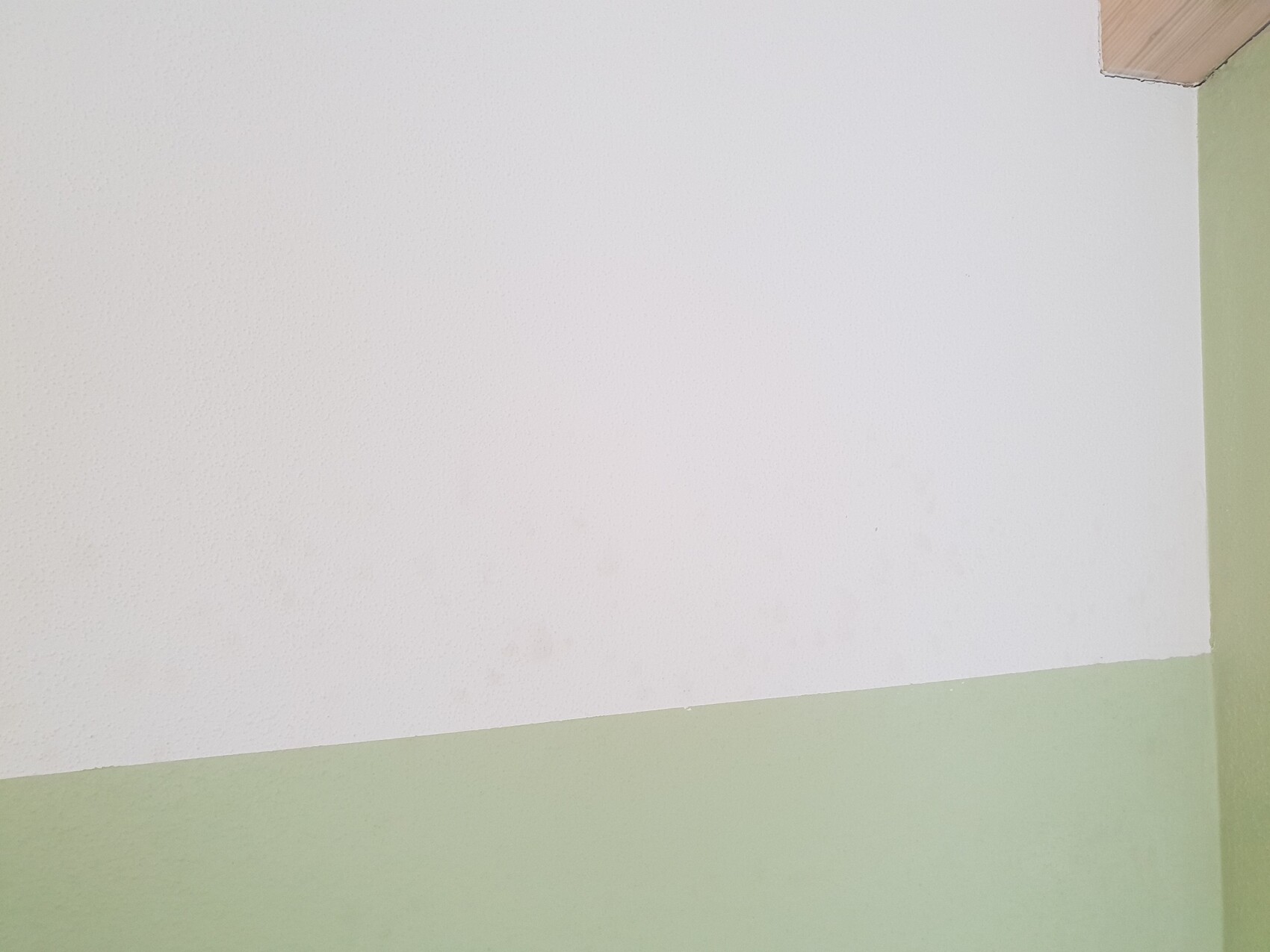
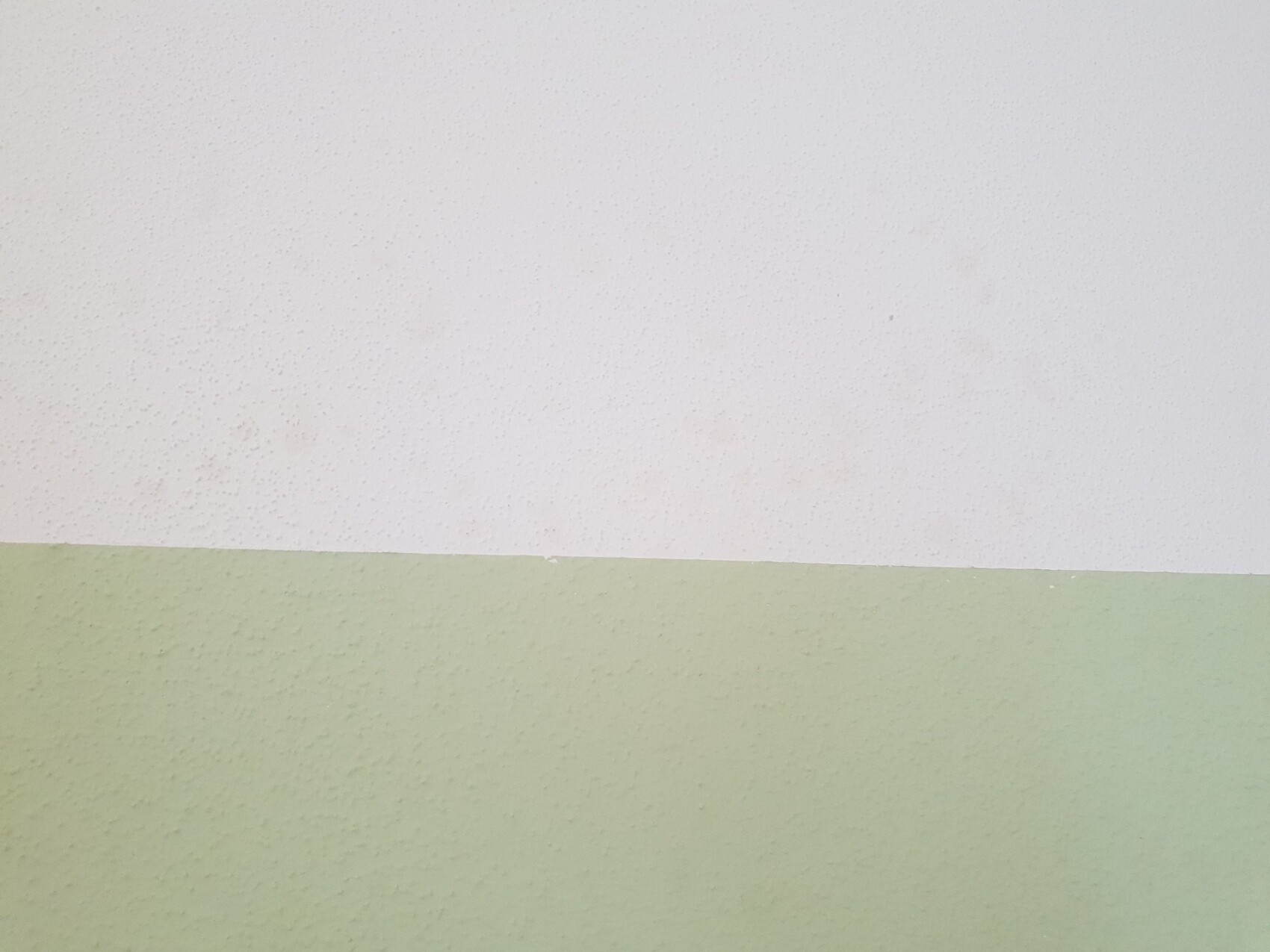
We moved into our single-family home in April of this year. The interior walls were plastered last December and, after the drying period, were painted with silicate paint in March. Unfortunately, by late May/early June, we noticed stains appearing at the level of the ring beam on the upper floor—initially in one room, but over time in almost all rooms at the same height, showing through the paint. When we moved in, there was nothing visible here; the first stains only appeared at the end of May in two rooms. We have already shown this issue to our planner. He ruled out mold and suggested we wait a bit and then repaint that area in the fall. I understand it’s difficult to assess from a distance, but do you have any idea what this might be and how I should proceed? I find the planner’s response insufficient since the stains are present throughout the entire upper floor. Who would you recommend contacting for this—the structural carpenter or the plasterer? We have also scheduled an appointment with a building expert, but their soonest availability is at the end of October since they are fully booked. Attached is a photo where the stains can be seen upon closer inspection. The stains appear only at the height of the ring beam and vary in intensity in different rooms, but they are present almost everywhere. In some cases, especially with colorful wall paint in the children's rooms, they are not visible to the naked eye. My question is also relevant now as the exterior walls are currently being plastered.
I look forward to your feedback and would like to sincerely thank you in advance.
Best regards from Upper Palatinate,
Stefan

tomtom79 schrieb:
I see it too; I hope it’s not rust from the steel in the ring beam.That could be a possibility. However, the very irregular positioning within the “strip” argues against it. My question regarding insulation versus monolithic construction was aimed at something similar. Ring beams can typically become thermal bridges.
Dry water stains usually turn brownish. The question is whether the moisture is coming from the ring beam itself or due to a thermal bridge from the inside (condensation). The former should resolve on its own (just repaint and it’s fine), while the latter would be a persistent problem. But I can’t imagine that with an external thermal insulation composite system (ETICS) because the ring beam is inside the insulated envelope.
I would actually just repaint it for now or keep monitoring it. Especially in winter, it might be useful to measure the wall temperature with an infrared thermometer to see if the “strip” is colder than the surrounding wall area.
Nordlys schrieb:
It was not dry at move-in. Painted too early.I agree. A thermal bridge and resulting condensation from indoor humidity would look different and would initially appear in the room corners. Also, not during the period from April to the end of May – there is absolutely no condensation then.
Similar topics