
ᐅ Berlin-style temporary retaining structure for securing the excavation pit
Created on: 21 Sep 2023 10:54
B
BayernborsB
Bayernbors21 Sep 2023 10:54Hello everyone,
There are several issues with the excavation at our construction project. The general contractor (GC) says the planned house is large (2 semi-detached houses, each 11 by 7 meters (36 by 23 feet)) and the plot is small (~450 m² (4844 ft²)), which brings some technical challenges.
The work on the excavation started with the demolition of the old house, as it already had a basement.
The worst part is that we discovered all these problems gradually, not as originally planned:
1) First, it turned out that the edges of the excavation were unstable, requiring support for the crane, so a crane foundation was built.
2) Secondly, it was found that the plot was still too small for the crane, and a permit was needed to place the crane partially on the sidewalk.
The first two steps were completed by the end of June, and then work was completely halted (except for the crane setup).
At the end of August, my new neighbors contacted me and were concerned because they saw that the sides of the excavation were slipping more and more, causing the excavation to slope toward their property and compromising the slope’s stability.
At this point, the GC said they had already discussed this issue with the relevant authorities. They suggested increasing the slope of the excavation, but this proposal was rejected because it would affect the sidewalk.
The only remaining solution was then to provide a bond to secure the stability of the sidewalk.
After an additional geotechnical investigation, it was determined that sheet piling is required on all sides, not just along the sidewalk.
My questions are:
Does all this make sense?
Is it normal to discover these issues so late? Does it really take about three months to reach this conclusion? Should I hold the GC accountable for these delays?
Note: At the end of June, I agreed with the GC that the house should be completed by the end of February 2024, as our contract states: “The contractor commits to delivering the project ready for occupancy within 8 months from the start of excavation, weather permitting.”
Finally, how much more time should I expect to complete this Berliner trench sheet pile installation and finally begin construction?
I have read online that the costs could be several tens of thousands— is that realistic?
Thank you very much.
Best regards
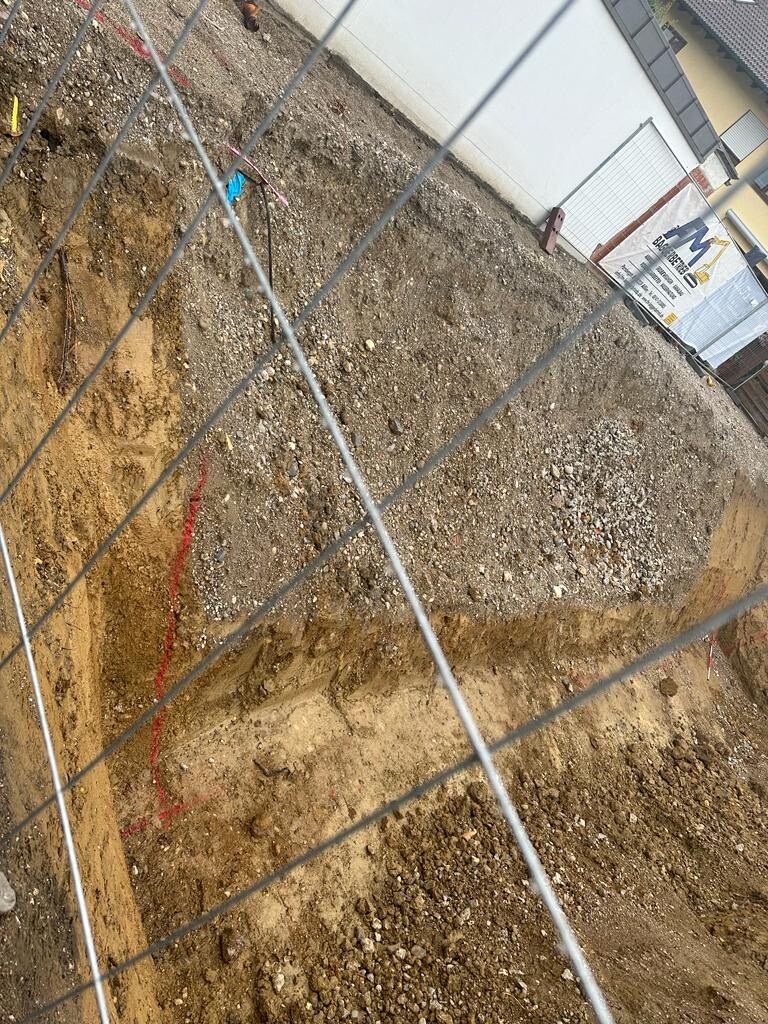
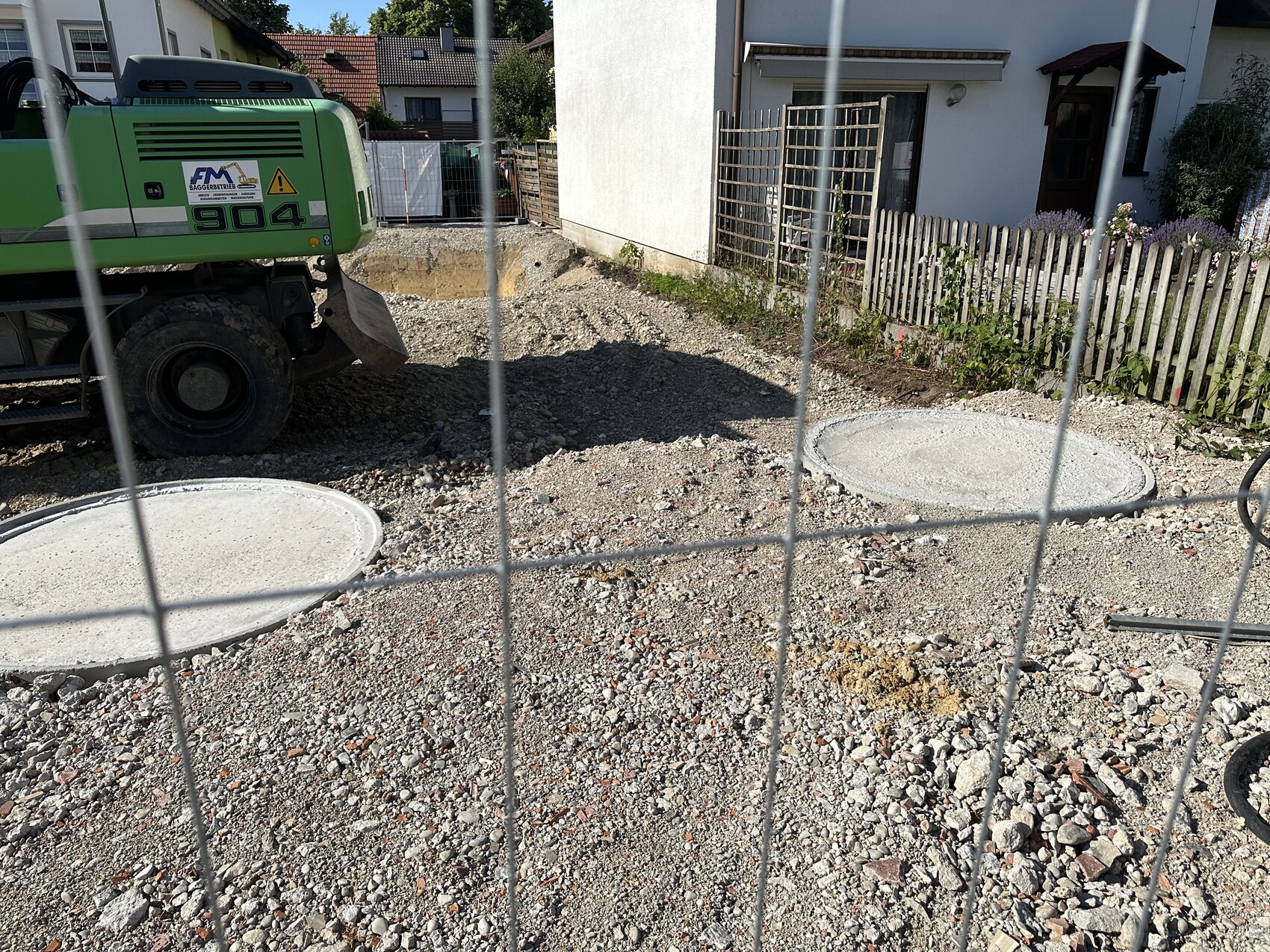
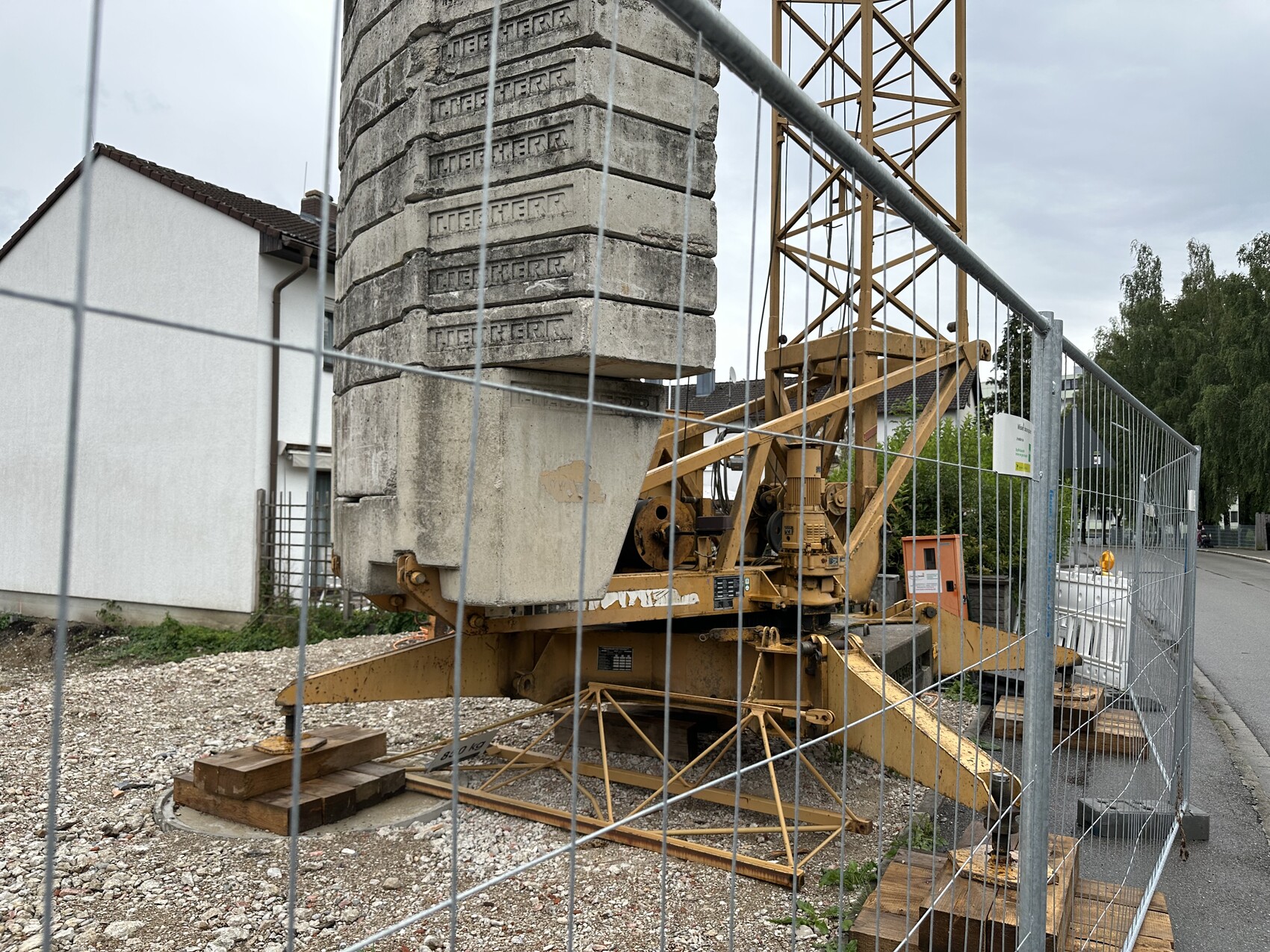
There are several issues with the excavation at our construction project. The general contractor (GC) says the planned house is large (2 semi-detached houses, each 11 by 7 meters (36 by 23 feet)) and the plot is small (~450 m² (4844 ft²)), which brings some technical challenges.
The work on the excavation started with the demolition of the old house, as it already had a basement.
The worst part is that we discovered all these problems gradually, not as originally planned:
1) First, it turned out that the edges of the excavation were unstable, requiring support for the crane, so a crane foundation was built.
2) Secondly, it was found that the plot was still too small for the crane, and a permit was needed to place the crane partially on the sidewalk.
The first two steps were completed by the end of June, and then work was completely halted (except for the crane setup).
At the end of August, my new neighbors contacted me and were concerned because they saw that the sides of the excavation were slipping more and more, causing the excavation to slope toward their property and compromising the slope’s stability.
At this point, the GC said they had already discussed this issue with the relevant authorities. They suggested increasing the slope of the excavation, but this proposal was rejected because it would affect the sidewalk.
The only remaining solution was then to provide a bond to secure the stability of the sidewalk.
After an additional geotechnical investigation, it was determined that sheet piling is required on all sides, not just along the sidewalk.
My questions are:
Does all this make sense?
Is it normal to discover these issues so late? Does it really take about three months to reach this conclusion? Should I hold the GC accountable for these delays?
Note: At the end of June, I agreed with the GC that the house should be completed by the end of February 2024, as our contract states: “The contractor commits to delivering the project ready for occupancy within 8 months from the start of excavation, weather permitting.”
Finally, how much more time should I expect to complete this Berliner trench sheet pile installation and finally begin construction?
I have read online that the costs could be several tens of thousands— is that realistic?
Thank you very much.
Best regards
Hello,
In general, the original geotechnical report (which should of course have been completed before starting any work) should already describe the soil conditions. Here, the soil consists of clay (loess? possibly with a higher sand content? I can’t tell from the pictures). With a stiff consistency, it can be sloped at a maximum of 60° (degrees). If there is more sand, only at 45° (degrees) (but from the pictures, it seems closer to 60°).
The planner should immediately be alerted when designing the excavation pit (footprint plus working space plus slope). If the slope cuts into the sidewalk, it’s clear that some kind of shoring system must be used. Personally, I would prefer a Berliner shoring system here. Based on the pictures, I don’t see a need for full shoring around the excavation (please upload a site plan with the basement or excavation pit). A soil profile from the geotechnical report would also be helpful.
Such soils should be smoothed immediately after exposure to prevent water ingress and avoid slope failure.
The distances to neighboring properties still look quite adequate. Regarding neighbors’ buildings, please keep in mind:
- Never fully expose the foundations!
- The load distribution from the neighbor’s foundations must not cut into your slope (foundation bottom edge with a load spread of 45°), unless you have shoring.
Best regards
In general, the original geotechnical report (which should of course have been completed before starting any work) should already describe the soil conditions. Here, the soil consists of clay (loess? possibly with a higher sand content? I can’t tell from the pictures). With a stiff consistency, it can be sloped at a maximum of 60° (degrees). If there is more sand, only at 45° (degrees) (but from the pictures, it seems closer to 60°).
The planner should immediately be alerted when designing the excavation pit (footprint plus working space plus slope). If the slope cuts into the sidewalk, it’s clear that some kind of shoring system must be used. Personally, I would prefer a Berliner shoring system here. Based on the pictures, I don’t see a need for full shoring around the excavation (please upload a site plan with the basement or excavation pit). A soil profile from the geotechnical report would also be helpful.
Such soils should be smoothed immediately after exposure to prevent water ingress and avoid slope failure.
The distances to neighboring properties still look quite adequate. Regarding neighbors’ buildings, please keep in mind:
- Never fully expose the foundations!
- The load distribution from the neighbor’s foundations must not cut into your slope (foundation bottom edge with a load spread of 45°), unless you have shoring.
Best regards
H
hanghaus202321 Sep 2023 13:19Image 1: Changing the slope at the bottom to 90 degrees is disastrous.
The second image already looks quite risky. The slope extends right up to the neighbor’s house. Leaving the excavation pit like this permanently is highly negligent.
Image 3 is unclear.
Informative images and plans are quite helpful.
The second image already looks quite risky. The slope extends right up to the neighbor’s house. Leaving the excavation pit like this permanently is highly negligent.
Image 3 is unclear.
Informative images and plans are quite helpful.

Bayernbors schrieb:
A friend and I are planning a new semi-detached house to replace an old single-family home. We have already completed the planning and obtained the building permit / planning permission. There is at least a site plan excerpt available here: https://www.hausbau-forum.de/threads/die-alte-garage-renovieren-oder-eine-neue-garage-bauen.45329/, and additional surrounding area photos can be found here: https://www.hausbau-forum.de/threads/teilweise-beschaedigung-des-alten-hauszauns.45331/
It’s a pity that some original posters hesitate to provide the necessary details for advice and only come back once the situation has already become critical. There is enough expertise gathered here to help people who communicate clearly in time.
https://www.instagram.com/11antgmxde/
https://www.linkedin.com/company/bauen-jetzt/
H
hanghaus202321 Sep 2023 19:41I’ll respond directly within your text.
Bayernbors schrieb:Hopefully, future planning will go more smoothly here.
Hello everyone,
There are several issues with the excavation at our construction project.
I agree with that.
The general contractor says that the planned house is large (2 semi-detached houses, each 11 x 7 m (36 x 23 ft)) That makes 11 x 14 m (36 x 46 ft),
which is rather normal, not large. My detached house is 10 x 15 m (33 x 49 ft)
and the plot is small (~450 m2 (4844 ft2)), which causes some technical challenges.
That’s nothing unusual. Why don’t you share a plan of the excavation on the plot?
The worst part is that we have been discovering all these problems bit by bit instead of as expected in the original planning:
That’s really unfortunate. What’s your site management saying about this?
1) First, it turned out that the edges of the excavation were weak and we needed a support for the crane, so a crane foundation was built.
The contractor only realized this after the basement excavation was done?
2) Secondly, it was found that the plot was still too small for the crane, and a permit was required to set up the crane partly on the pedestrian walkway.
Same here. This is a result of poor planning.
The first two steps were completed by the end of June, and then all work was completely halted (except for the crane setup).
Leaving the excavation open for a longer period is counterproductive.
At the end of August, my new neighbors contacted me, worried because they saw the sides of the excavation increasingly slipping, causing the pit to rise towards their property and making slope stability uncertain.
I wouldn’t have waited that long as a neighbor. And definitely not as the client.
At this point, the general contractor said they had already discussed this problem with the authorities. They suggested increasing the slope angle of the excavation, but this was rejected as it would affect the pedestrian walkway.
That sounds reasonable.
The only remaining solution was then to arrange a bond to secure the durability of the sidewalk.
That’s nonsense. The bond only shifts the risks to you (or your contractor).
After an additional geotechnical investigation, it was determined that sheet piling is required on all sides, not just along the pedestrian walkway.
That may well be. So, is it Berliner Verbau or sheet piling now?
My questions are:
Does all this make sense?
It can’t be judged with so little information.
Is it normal to find out about these problems so late? Does it really take about three months to reach this conclusion? Should I hold the general contractor accountable for these delays?
The ground belongs to the client. With the information provided here, it’s not possible to determine who is responsible for the planning errors.
Note: At the end of June, I agreed with the general contractor that the house should be completed by the end of February 2024, since our contract states: “The contractor commits to delivering the project ready for occupancy within 8 months after excavation start, unless weather conditions prevent this.”
In my opinion, the construction period can no longer be met. Whether the contractor is responsible for this, a specialized lawyer can advise you.
Lastly, how much time should I expect to complete this Berliner Verbau and finally start building?
It’s hard to say. First, all this must be planned properly and approved by the structural engineer.
I read online that the costs could be several tens of thousands, is this realistic?
The contractor will tell you. Sheet piling is, in my opinion, more expensive than Berliner Verbau. This all depends on thorough planning.
Costs of 20–50k are possible.
Thank you very much
You’re welcome.
Best regards
B
Bayernbors26 Sep 2023 16:32Thank you for the feedback. I was traveling abroad. The photos I sent earlier were a bit old, so I have taken new ones now. The general contractor (GC) has covered one side of the excavation pit so far; I’m not sure if that is really helpful.
I am attaching the new photos and parts of the report here, as I cannot attach a PDF file in this forum.
The northern neighbor was the concerned one, which I think is because he has a garage right on the boundary.
The municipality has also fully or partially closed the roads because the stability of the road is no longer guaranteed (at least that is their position).
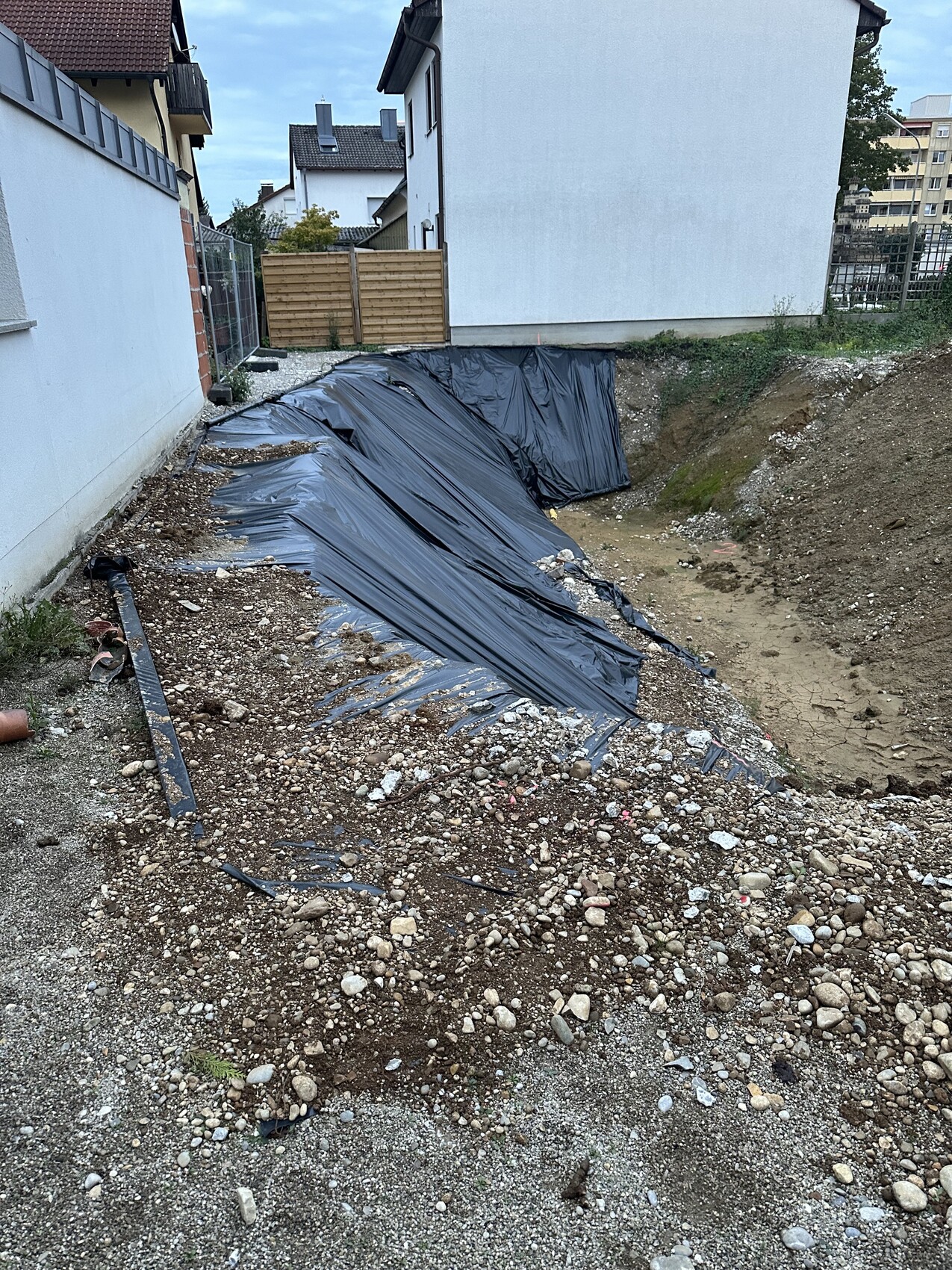
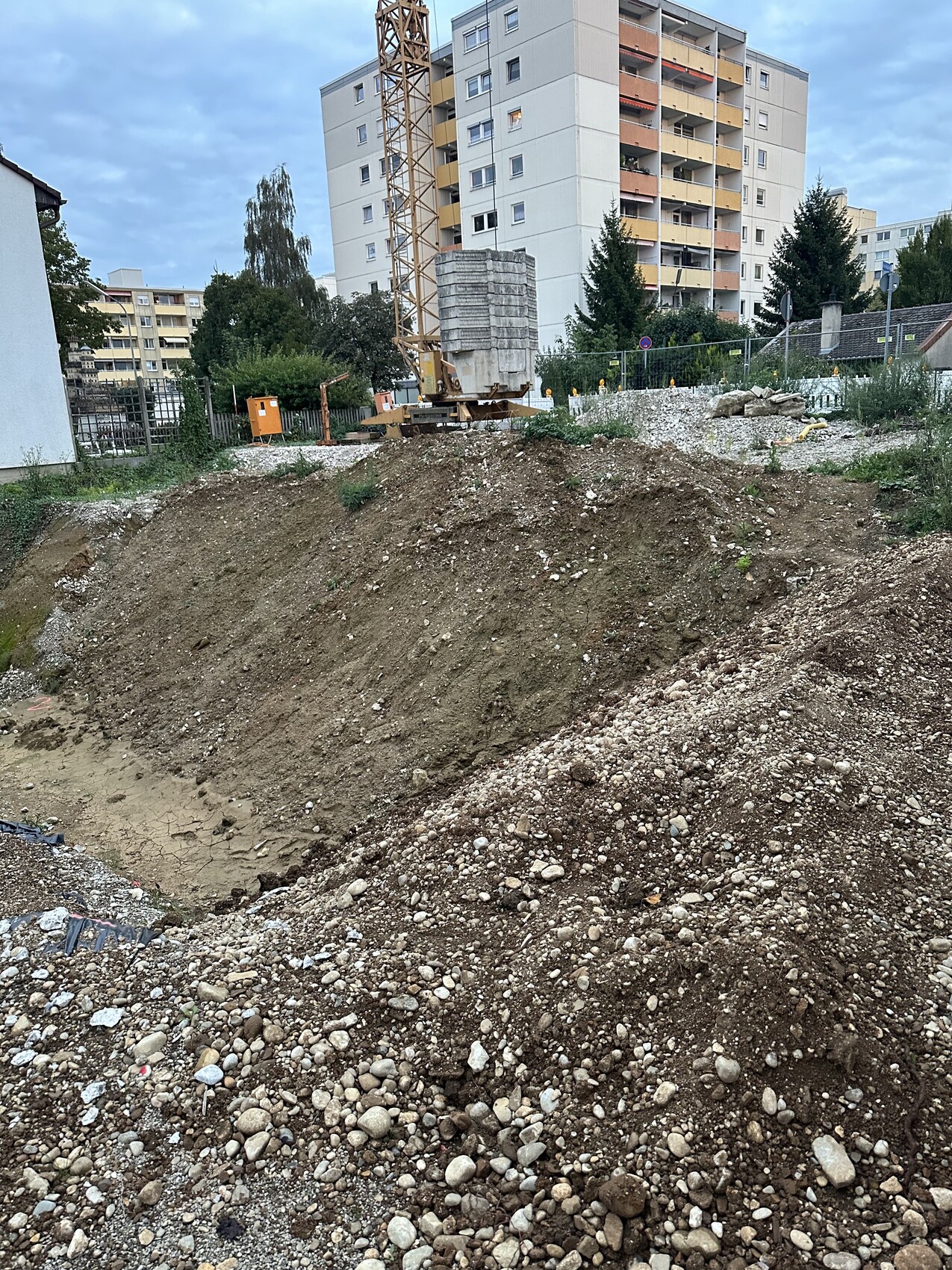

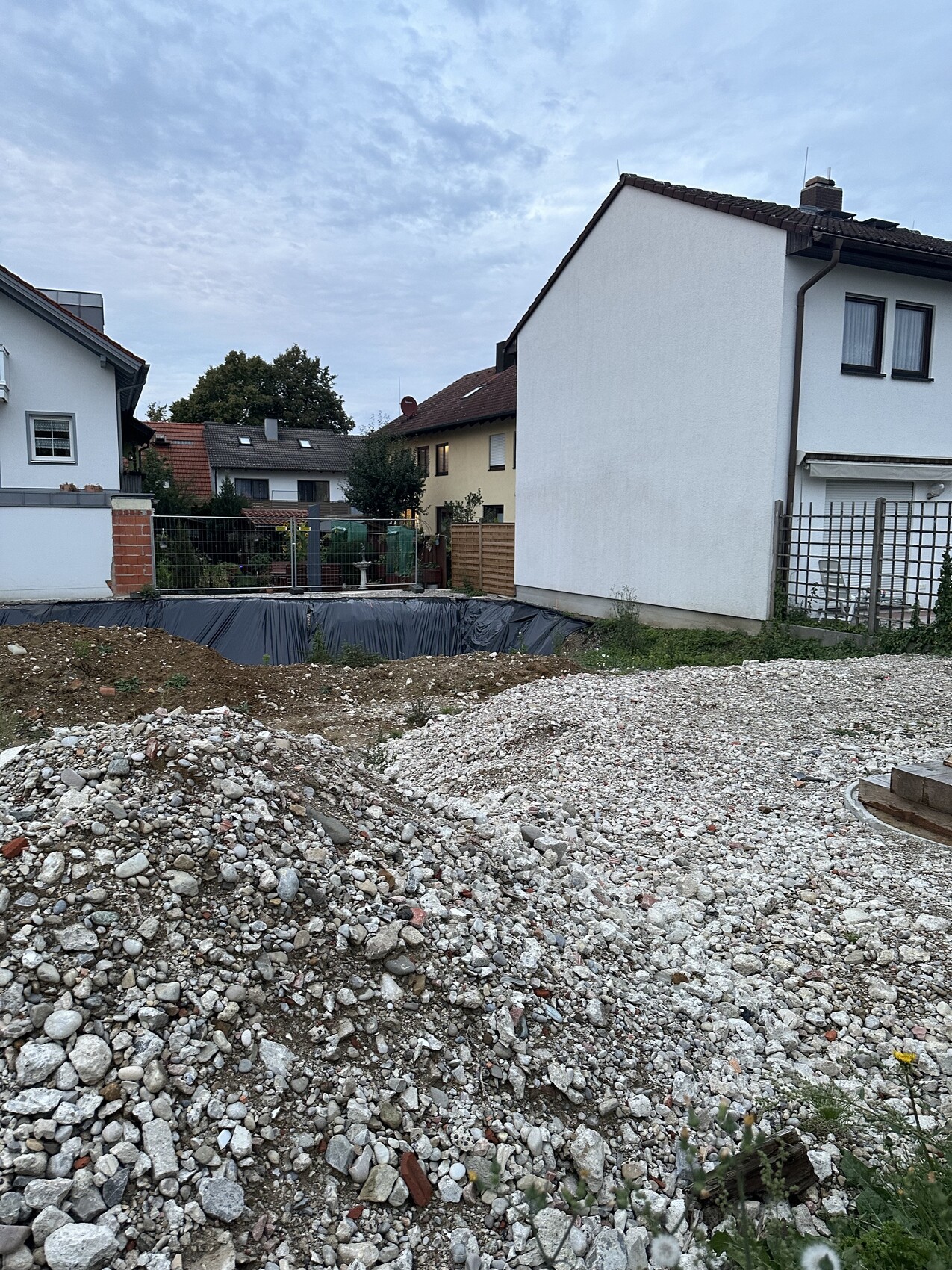
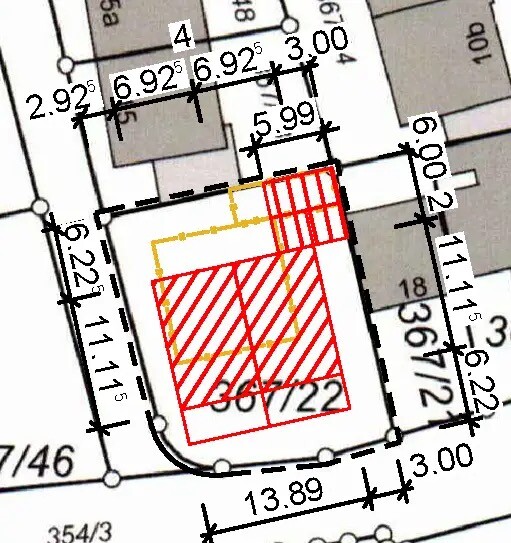
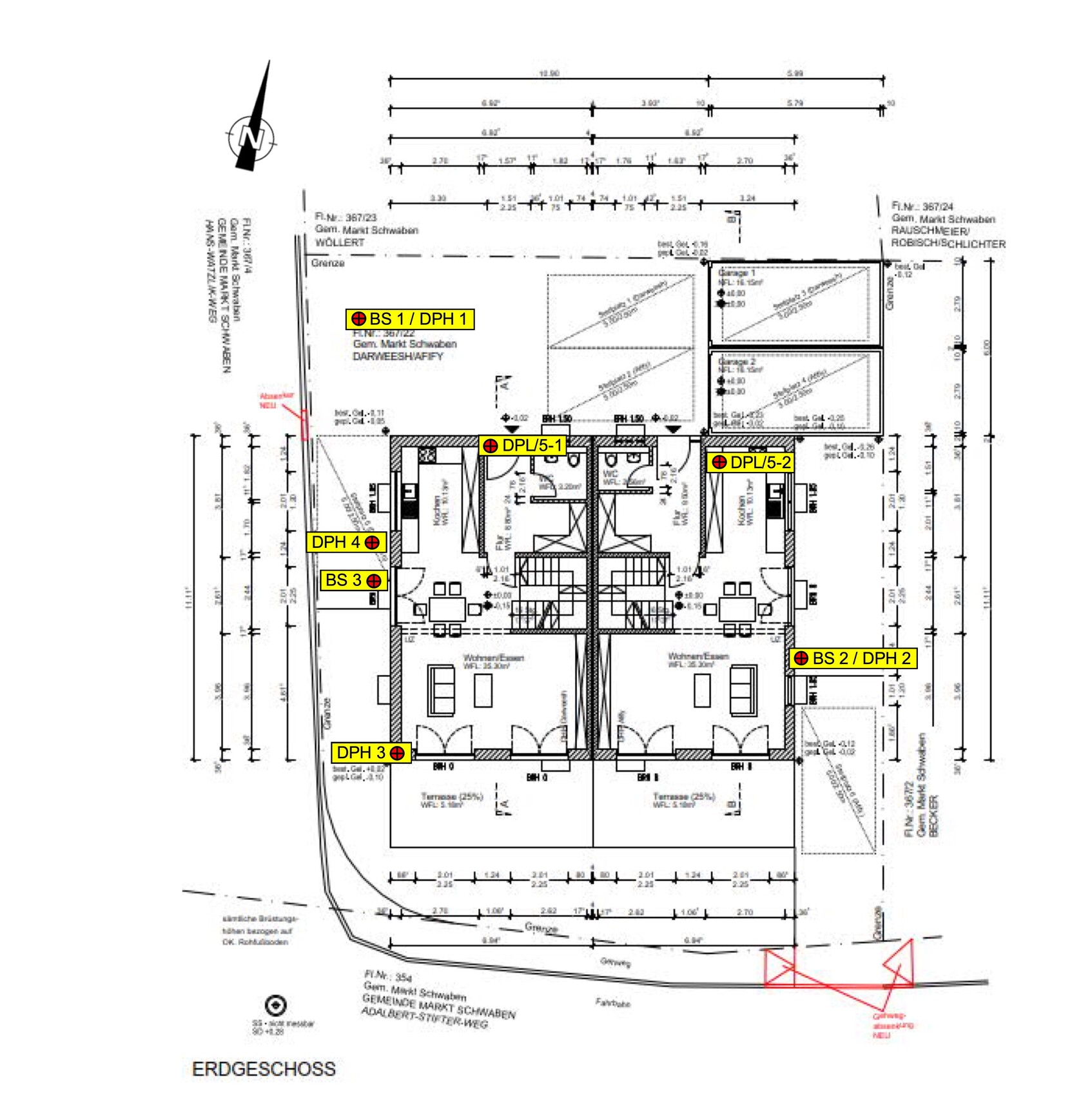
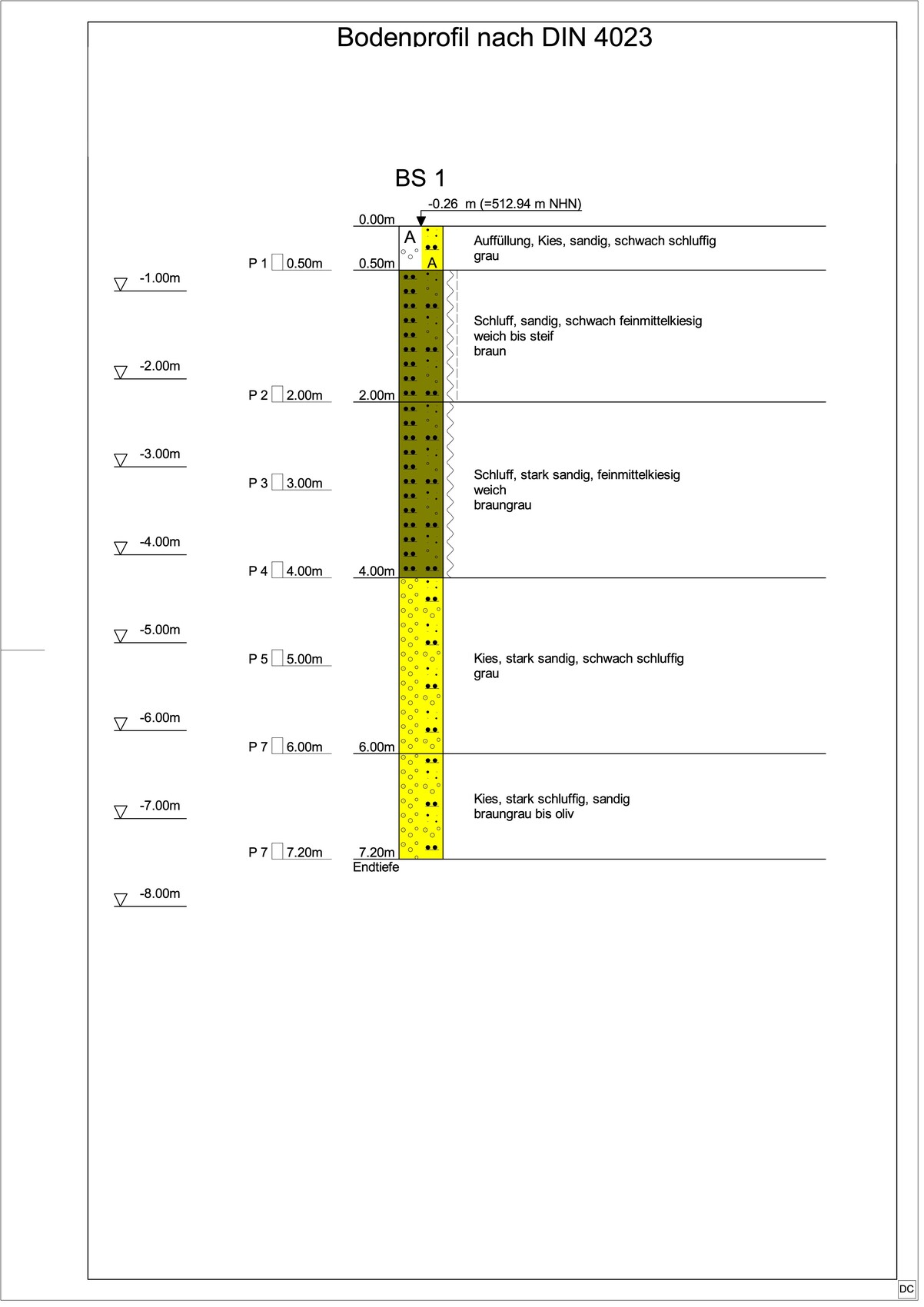
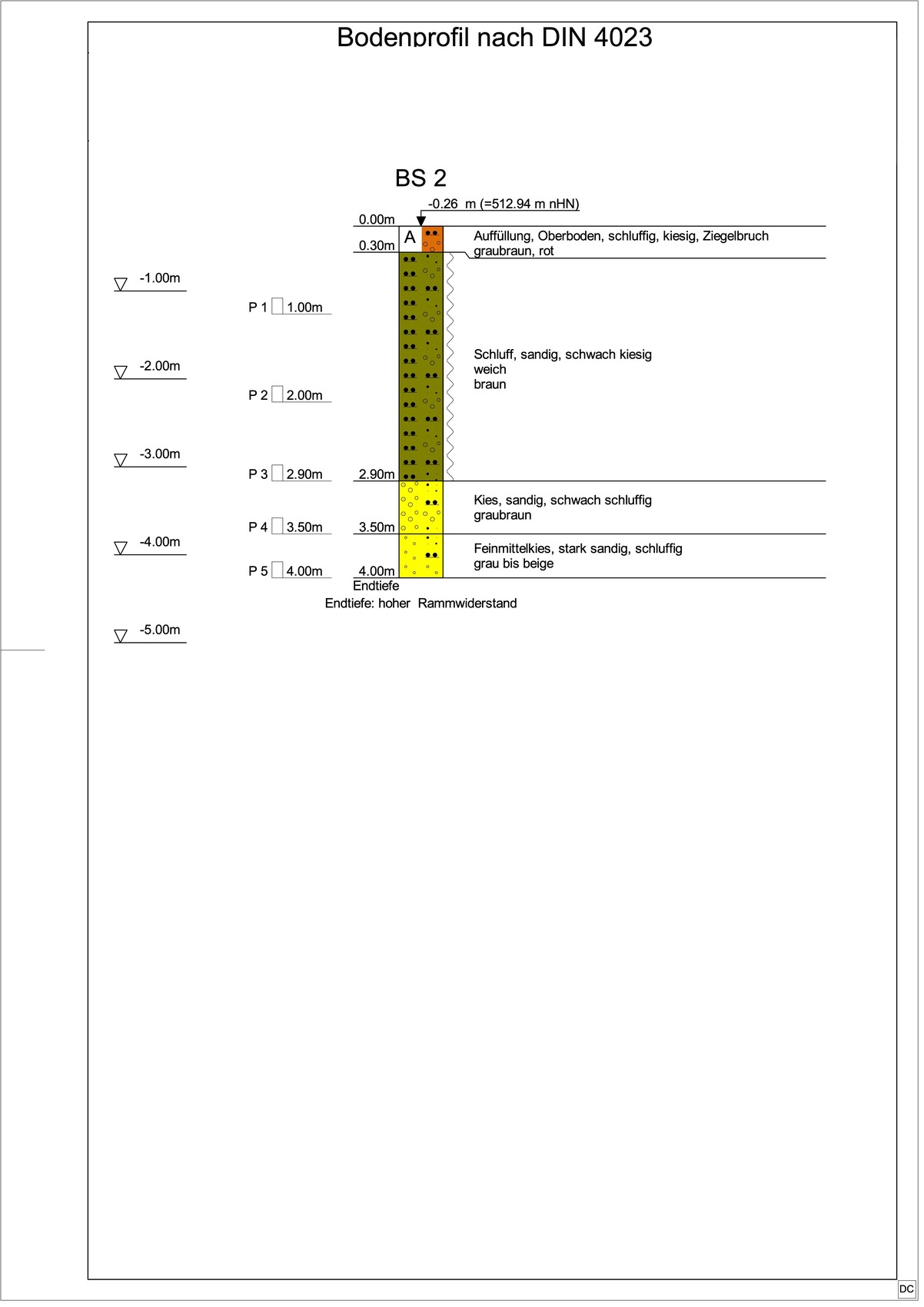
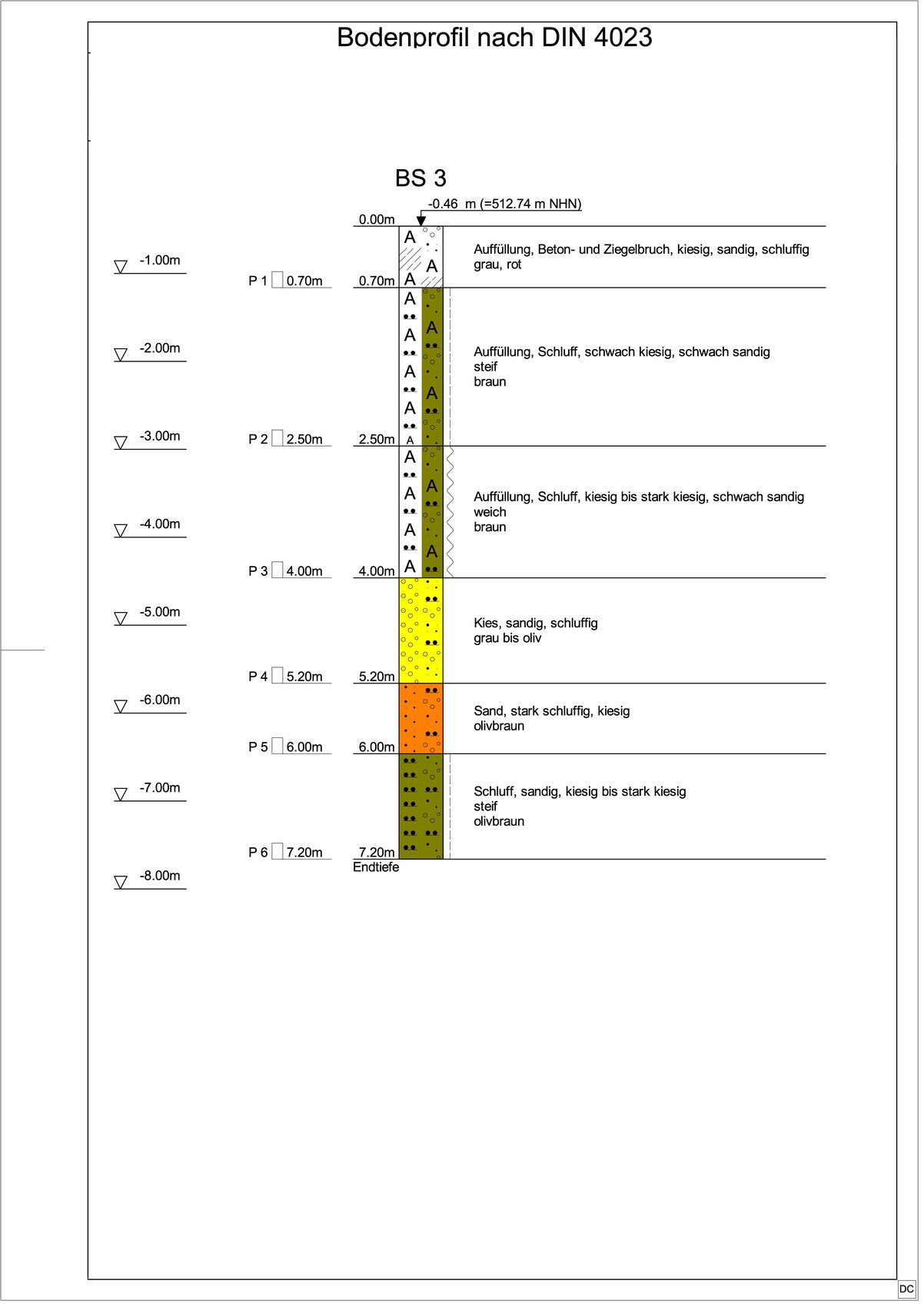
I am attaching the new photos and parts of the report here, as I cannot attach a PDF file in this forum.
Cronos86 schrieb:Does that also apply to the two neighbors? When I look again, it seems that the excavation pit has exposed the foundation of the neighbor to the east (who apparently does not have a basement).
The distances to the neighbors actually still look quite good.
The northern neighbor was the concerned one, which I think is because he has a garage right on the boundary.
hanghaus2023 schrieb:They just say that the site is very difficult and something like: “Who could have known all these problems from the very beginning?”
That’s really bad. What does your site management say about this?
hanghaus2023 schrieb:Yes, only when they tried to set up the crane.
Is this only realized by the contractor after the basement is gone?
hanghaus2023 schrieb:That is not entirely clear. In your opinion, what should have been done in this case?
That’s nonsense. The guarantee only transfers the risks to you (your contractor).
The municipality has also fully or partially closed the roads because the stability of the road is no longer guaranteed (at least that is their position).
Similar topics