
ᐅ Bathroom installation in an old house with wooden floorboards
Created on: 21 Aug 2016 21:20
V
ViperQHello everyone,
I want to install a bathroom in a house built in 1927, on the ground floor. There is a wooden plank floor resting on wooden beams (apparently) with 17cm (7 inches) of loose fill beneath. The wooden planks are 3cm (1 inch) thick. However, I have no information about the floor or cellar ceiling below that.
To level the height with the other rooms, could I replace the loose fill with aerated concrete blocks (Ytong) and then lay tiles on top? The bathroom will include a walk-in shower and a bathtub. For the drainage of the shower and tub, I could create appropriate recesses in the Ytong blocks.
I would really appreciate quick answers, as we plan to move in next weekend.
If needed, I can send pictures of the floor structure by email.
Regards
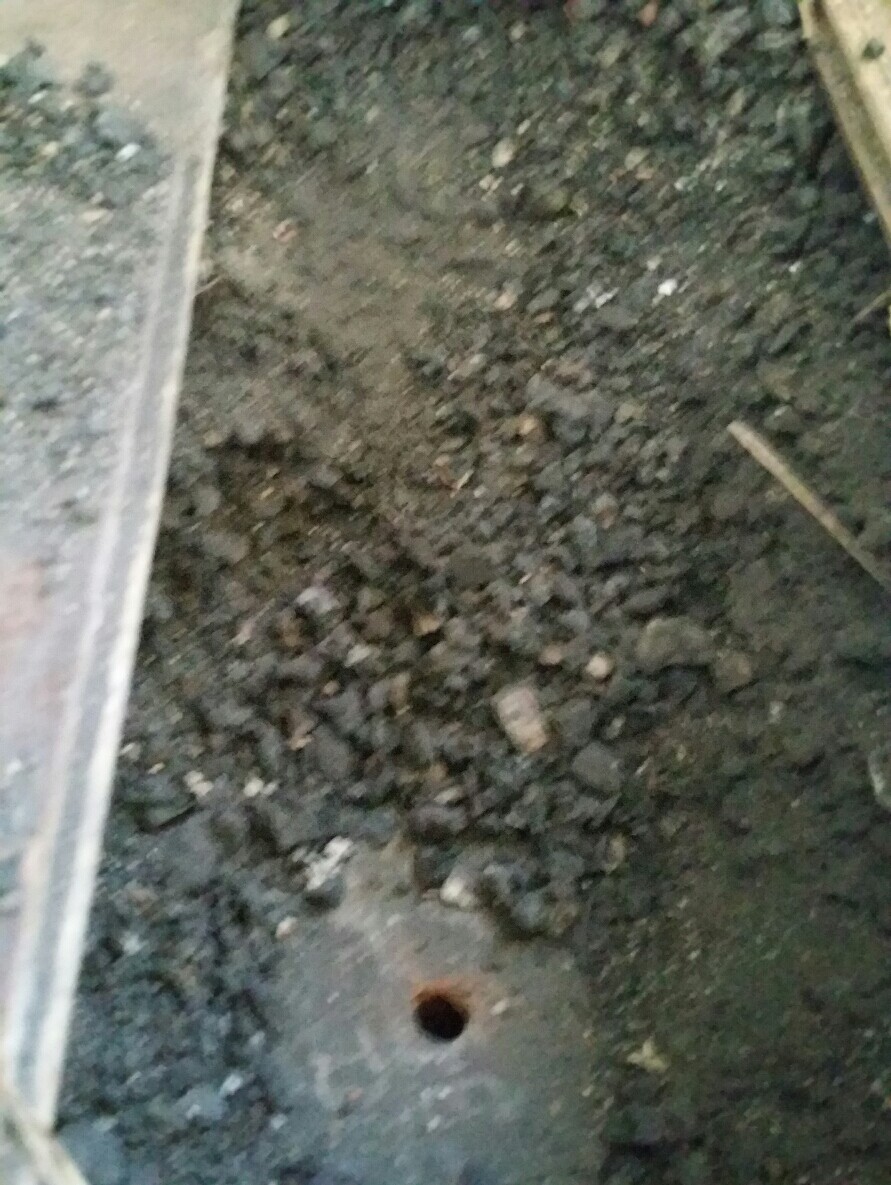
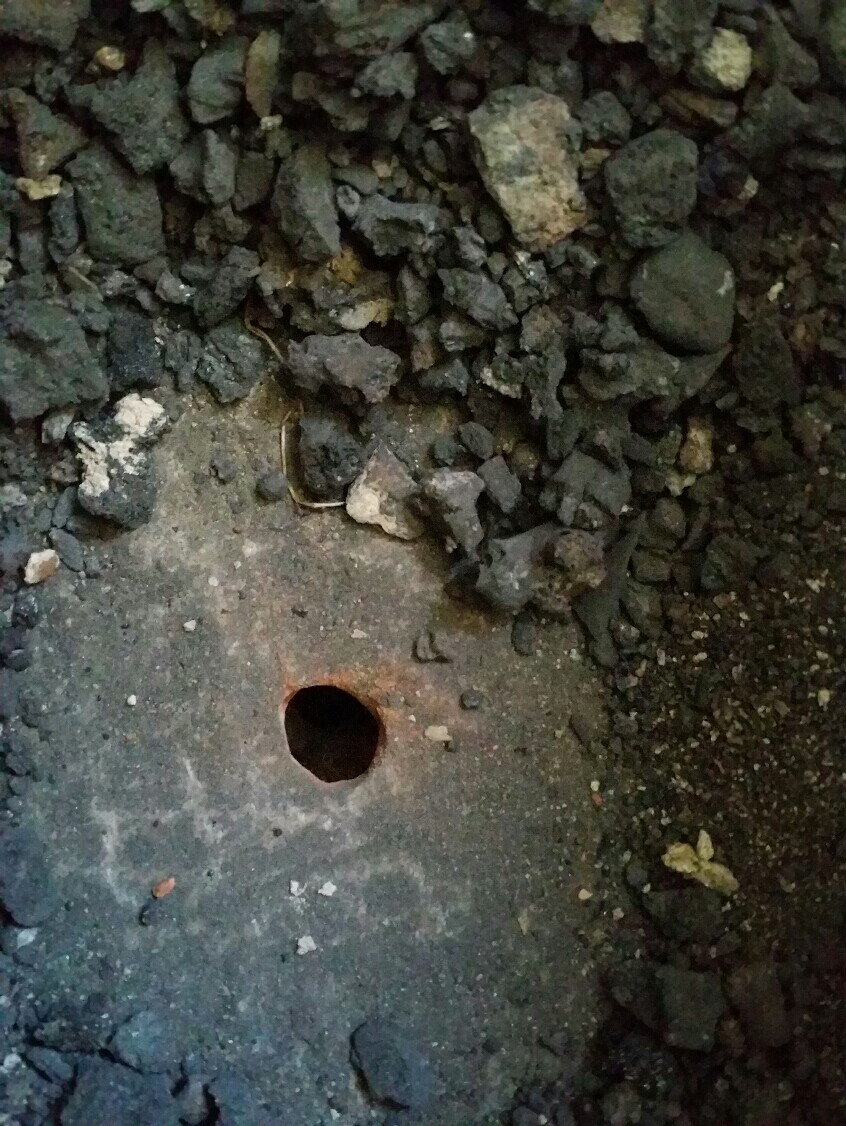
I want to install a bathroom in a house built in 1927, on the ground floor. There is a wooden plank floor resting on wooden beams (apparently) with 17cm (7 inches) of loose fill beneath. The wooden planks are 3cm (1 inch) thick. However, I have no information about the floor or cellar ceiling below that.
To level the height with the other rooms, could I replace the loose fill with aerated concrete blocks (Ytong) and then lay tiles on top? The bathroom will include a walk-in shower and a bathtub. For the drainage of the shower and tub, I could create appropriate recesses in the Ytong blocks.
I would really appreciate quick answers, as we plan to move in next weekend.
If needed, I can send pictures of the floor structure by email.
Regards

Hello "Viper".
Let me put it this way:
Installing wet rooms in a house built using timber frame construction is already one of the most challenging tasks in terms of waterproofing.
Now, if I may say so, judging by your questions and comments, you seem to be planning to use Ytong blocks instead of loose fill between the timber frame panels, which suggests you are not an expert in this area.
Based on that assumption, you also want to move in next weekend without any further planning.
No offense intended, but there is a reason why no one has responded to your request so far. This approach is unplanned and will likely lead to disaster shortly after you start implementing it, however that may be done!
The floor structure needs to be carefully planned; this includes a uniform level, an integrated shower tray, and adequate waterproofing measures on both the walls and floor.
--------------------------------------
Best regards with the hope of being heard: KlaRa
Let me put it this way:
Installing wet rooms in a house built using timber frame construction is already one of the most challenging tasks in terms of waterproofing.
Now, if I may say so, judging by your questions and comments, you seem to be planning to use Ytong blocks instead of loose fill between the timber frame panels, which suggests you are not an expert in this area.
Based on that assumption, you also want to move in next weekend without any further planning.
No offense intended, but there is a reason why no one has responded to your request so far. This approach is unplanned and will likely lead to disaster shortly after you start implementing it, however that may be done!
The floor structure needs to be carefully planned; this includes a uniform level, an integrated shower tray, and adequate waterproofing measures on both the walls and floor.
--------------------------------------
Best regards with the hope of being heard: KlaRa
My intention was simply to find out whether it would make sense to replace the fill material in order to remove the floorboards. I have already installed a small bathroom in the house with a standard shower so that I can move in already.
We simply don’t have the option to afford paying both rent and mortgage for several more months. For the last two months, I have worked every evening after work late into the night to renovate the house. This is the first time I have encountered a problem. I knew that the ceiling between the first and second floor was a wooden beam ceiling with fill material, etc., and I thought the ceiling between the basement and the ground floor was a normal concrete ceiling with supporting beams and floorboards. Perhaps it is even like that. I didn’t want to install a wet room in the wooden structure but rather completely remove the wooden floorboards and the fill material. That was the basis of my question.
So it would be helpful to receive some advice instead of just statements like that. I have now decided to remove the floorboards only in the shower area and to rebuild over the existing floorboards with leveling compound, uncoupling mat, screed, and tiles, as in the small bathroom.
I am fully aware that I need to waterproof carefully. I already have the appropriate waterproofing paint/sealant as I used drywall construction in the upper bathroom.
What would be the most cost-effective solution for our shower now? Can you provide any recommendations? As I said, remove the floorboards in that area and then build up with construction boards, OSB, or something similar? Or would it also work to use aerated concrete blocks (Ytong) as the base? Then build up the screed, etc., on top?
By the way, the house is solid construction with only the beams resting on wooden joists, which in turn rest on concrete or brick. That’s why you see the picture where I shoveled away the fill and drilled a hole to see what was underneath.
Regards
We simply don’t have the option to afford paying both rent and mortgage for several more months. For the last two months, I have worked every evening after work late into the night to renovate the house. This is the first time I have encountered a problem. I knew that the ceiling between the first and second floor was a wooden beam ceiling with fill material, etc., and I thought the ceiling between the basement and the ground floor was a normal concrete ceiling with supporting beams and floorboards. Perhaps it is even like that. I didn’t want to install a wet room in the wooden structure but rather completely remove the wooden floorboards and the fill material. That was the basis of my question.
So it would be helpful to receive some advice instead of just statements like that. I have now decided to remove the floorboards only in the shower area and to rebuild over the existing floorboards with leveling compound, uncoupling mat, screed, and tiles, as in the small bathroom.
I am fully aware that I need to waterproof carefully. I already have the appropriate waterproofing paint/sealant as I used drywall construction in the upper bathroom.
What would be the most cost-effective solution for our shower now? Can you provide any recommendations? As I said, remove the floorboards in that area and then build up with construction boards, OSB, or something similar? Or would it also work to use aerated concrete blocks (Ytong) as the base? Then build up the screed, etc., on top?
By the way, the house is solid construction with only the beams resting on wooden joists, which in turn rest on concrete or brick. That’s why you see the picture where I shoveled away the fill and drilled a hole to see what was underneath.
Regards
Hello "Viper".
The initial information did not suggest what followed afterward.
When it comes to old loose fills, the best solution is always to replace them.
Depending on the age of the building, you may encounter problematic backfill materials.
If different floor levels exist within a residential unit, using a bound fill can be more practical before starting with aerated autoclaved concrete blocks.
The fill can be distributed more evenly and adjusted to the required height, whereas with Ytong blocks or similar materials, the top edge must be precisely leveled; nothing should wobble or protrude when the so-called “dry screed” (technically referred to as precast screed) made of wood chipboard or similar is installed as a load distribution layer.
Installing wet screeds (which, based on the above, is not completely ruled out) poses more challenges than benefits when the installation thickness exceeds 80mm (3 inches).
Therefore, with this finishing method, it is better to first create a general height adjustment, apply the MDF cover board, the covering layer, and then the wet screed.
When using a complete system with precast screed panels, you avoid introducing “mixing water inside the house,” an important factor when moving in is imminent.
Please remember that with a subfloor made of Ytong and the installation of a wet screed, unevenness in the base won’t be visually noticeable. However, wet screeds require as flat a surface as possible to ensure a uniform installation thickness and to prevent length changes of the screed being blocked from the back (for example, due to steps between aerated concrete blocks).
----------------------
Regards, KlaRa
The initial information did not suggest what followed afterward.
When it comes to old loose fills, the best solution is always to replace them.
Depending on the age of the building, you may encounter problematic backfill materials.
If different floor levels exist within a residential unit, using a bound fill can be more practical before starting with aerated autoclaved concrete blocks.
The fill can be distributed more evenly and adjusted to the required height, whereas with Ytong blocks or similar materials, the top edge must be precisely leveled; nothing should wobble or protrude when the so-called “dry screed” (technically referred to as precast screed) made of wood chipboard or similar is installed as a load distribution layer.
Installing wet screeds (which, based on the above, is not completely ruled out) poses more challenges than benefits when the installation thickness exceeds 80mm (3 inches).
Therefore, with this finishing method, it is better to first create a general height adjustment, apply the MDF cover board, the covering layer, and then the wet screed.
When using a complete system with precast screed panels, you avoid introducing “mixing water inside the house,” an important factor when moving in is imminent.
Please remember that with a subfloor made of Ytong and the installation of a wet screed, unevenness in the base won’t be visually noticeable. However, wet screeds require as flat a surface as possible to ensure a uniform installation thickness and to prevent length changes of the screed being blocked from the back (for example, due to steps between aerated concrete blocks).
----------------------
Regards, KlaRa
Similar topics