
My son and his wife are determined to buy an old bargain house from 1955. Overall, it’s still in fairly good condition, but in my opinion, the basement walls don’t look good at all!
I wanted him to bring a real expert, but only a carpenter friend came along and said that, considering the age and price, it was acceptable. The boy won’t listen to any advice.
I don’t know much about this myself. The basement walls feel slightly damp, but not excessively. However, there are dehumidifiers placed everywhere.
What do you think about this?
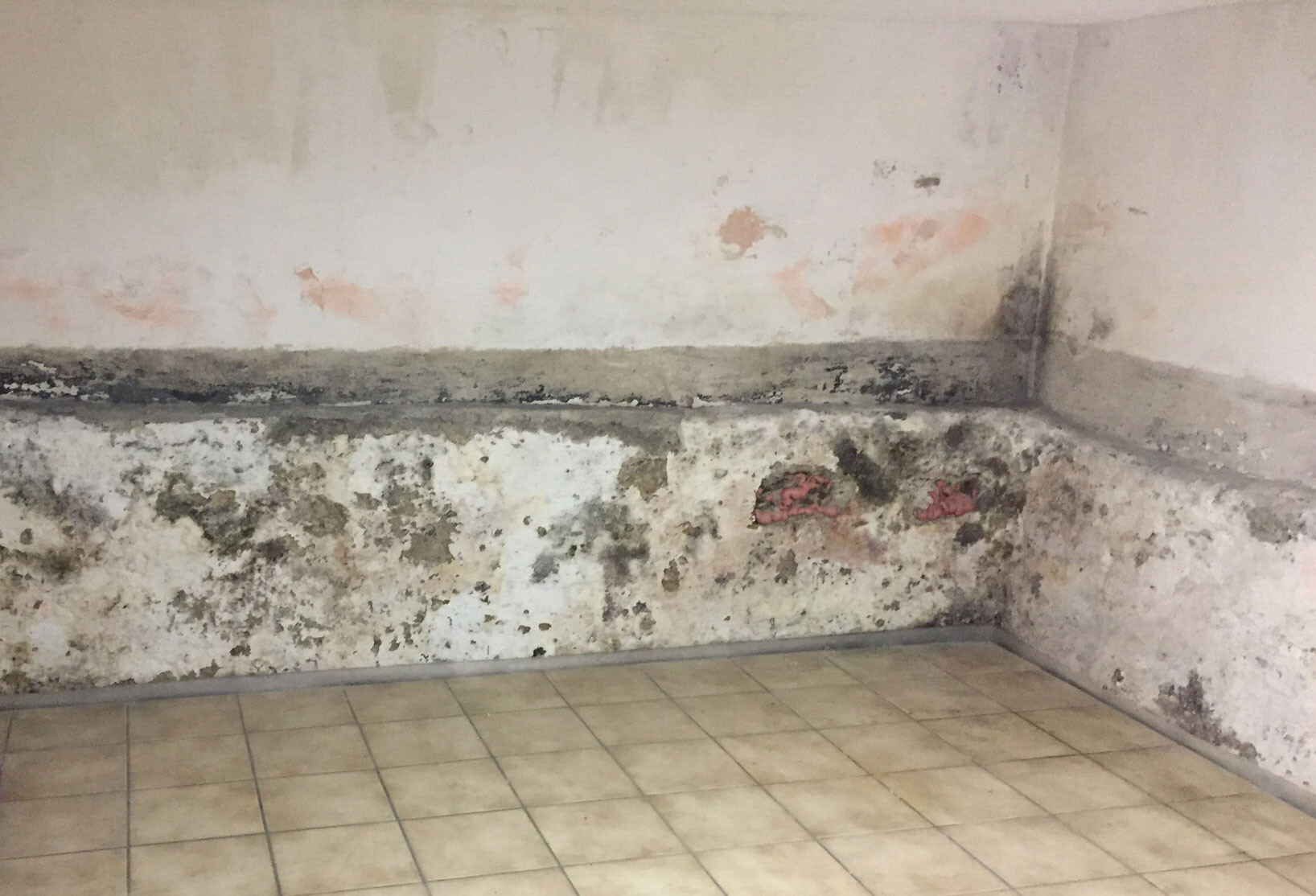
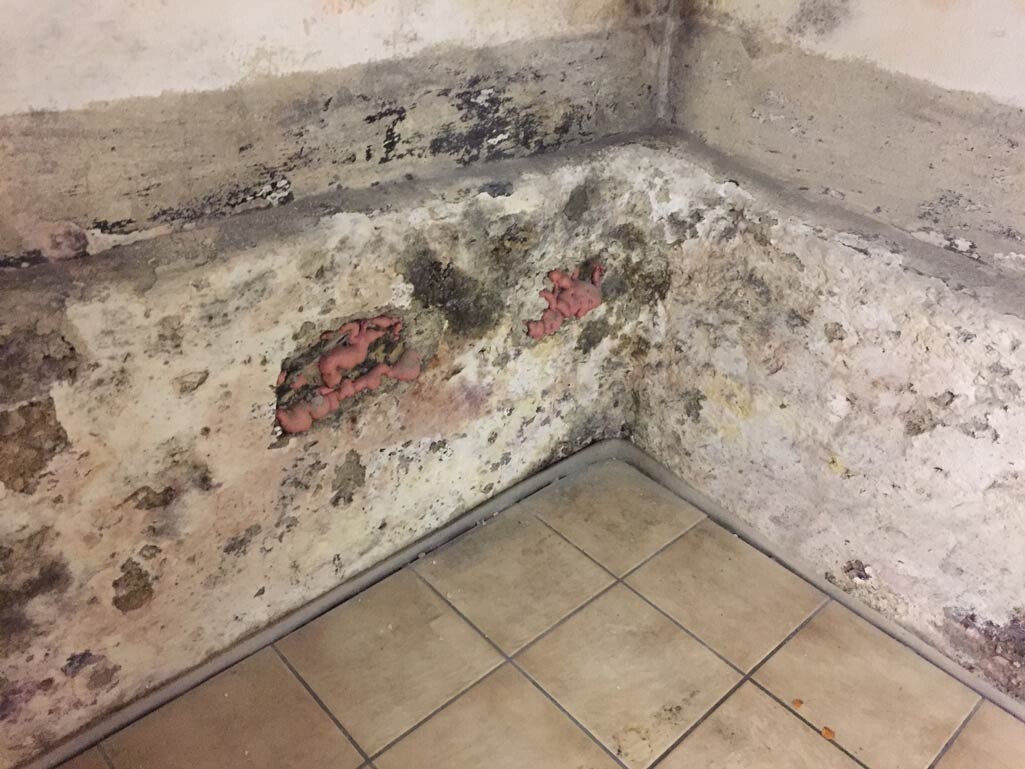
I wanted him to bring a real expert, but only a carpenter friend came along and said that, considering the age and price, it was acceptable. The boy won’t listen to any advice.
I don’t know much about this myself. The basement walls feel slightly damp, but not excessively. However, there are dehumidifiers placed everywhere.
What do you think about this?
P
patrikmueller13 Oct 2017 17:43Ah, very interesting. Learned something new again, thank you. Phew, I’m not sure if I would be able to recognize something like that.
What exactly is at the neighbor’s property line? Just paving or something similar?
I’d say €3500 and a week of hard work, and the problem is solved.
A mini excavator costs about €120 per day, dig for one day, then let it dry. Since it’s already open, definitely insulate the wall! The materials are inexpensive.
Then install drainage and backfill.
Make a deal with the neighbor, even though they would have to tolerate the work anyway.
If water is pushing up from below, however, that’s a different story.
I’d say €3500 and a week of hard work, and the problem is solved.
A mini excavator costs about €120 per day, dig for one day, then let it dry. Since it’s already open, definitely insulate the wall! The materials are inexpensive.
Then install drainage and backfill.
Make a deal with the neighbor, even though they would have to tolerate the work anyway.
If water is pushing up from below, however, that’s a different story.

patrikmueller schrieb:
But it is strange that the ceiling height in the basement is only 1.85m (6 ft 1 in), while the old plans show 2.20m (7 ft 3 in). It certainly is. A 35 cm (14 inch) difference between the plan and the actual measurement seemed worth investigating. They definitely wouldn’t have removed that space when cutting through the structure, since only insulation would be added there. However, a basement height of 1.85 m (6 ft 1 in) in 1955 would not have been unusual: it was a frugal time, basements were mainly used for storing potatoes, which don’t require much headroom, and people didn’t spend much time there. At 1.85 m (6 ft 1 in), you can still walk bent over fairly comfortably and only need to duck occasionally to avoid pipes. Economically, it was a practical compromise between a crawl space and a full-height basement, considering the standards of that era.
https://www.instagram.com/11antgmxde/
https://www.linkedin.com/company/bauen-jetzt/
P
patrikmueller16 Oct 2017 10:55First of all, thank you very much for your replies! At the boundary with the neighbor, there is a paved driveway with a recessed flower bed directly adjacent to the house.
We checked again, and the walls felt relatively dry. However, it is possible that the more than 10 Uhu moisture absorbers placed in the basement contributed to the walls feeling drier now.
The basement is also unheated and has only a very small window. Would installing radiators help?
We checked again, and the walls felt relatively dry. However, it is possible that the more than 10 Uhu moisture absorbers placed in the basement contributed to the walls feeling drier now.
The basement is also unheated and has only a very small window. Would installing radiators help?

P
patrikmueller16 Oct 2017 13:48It might be useful to get a moisture meter. Of course, a building inspector would be the best option, but my son thinks that's nonsense. "It’s just an old house, and the basement doesn’t have to be completely dry," he says.
Similar topics