
ᐅ Basement versus Increased Living Space on the Ground Floor
Created on: 19 Apr 2022 20:36
H
HalloClarissa
Dear all,
We are planning to build a bungalow with 3 rooms and about 85 sqm (915 sq ft) of living space. Since the plot is on a slope, we need to build with a partial basement.
Which option would likely be more cost-effective:
1. Living area on the ground floor (including a guest room) of 85 sqm (915 sq ft) and a 50 sqm (538 sq ft) basement used mainly as a utility cellar with a technical room (then we would only need one bathroom).
2. Ground floor only 75 sqm (808 sq ft), guest room in the partially finished 50 sqm (538 sq ft) basement as living space (which would require a second bathroom but could be fitted out later by ourselves).
As soon as the basement is meant to have living space, the access routes must be heated and insulated. Also, an internal staircase is necessary. A purely utility basement could possibly be accessed only from outside without an internal staircase, saving space.
Theoretically, a room on the ground floor requires about 12 sqm (129 sq ft). If this room is located in the basement, additional space for stairs on both floors and another hallway is needed, approximately 24 sqm (258 sq ft).
Am I thinking about this correctly?
Has anyone calculated a similar case before?
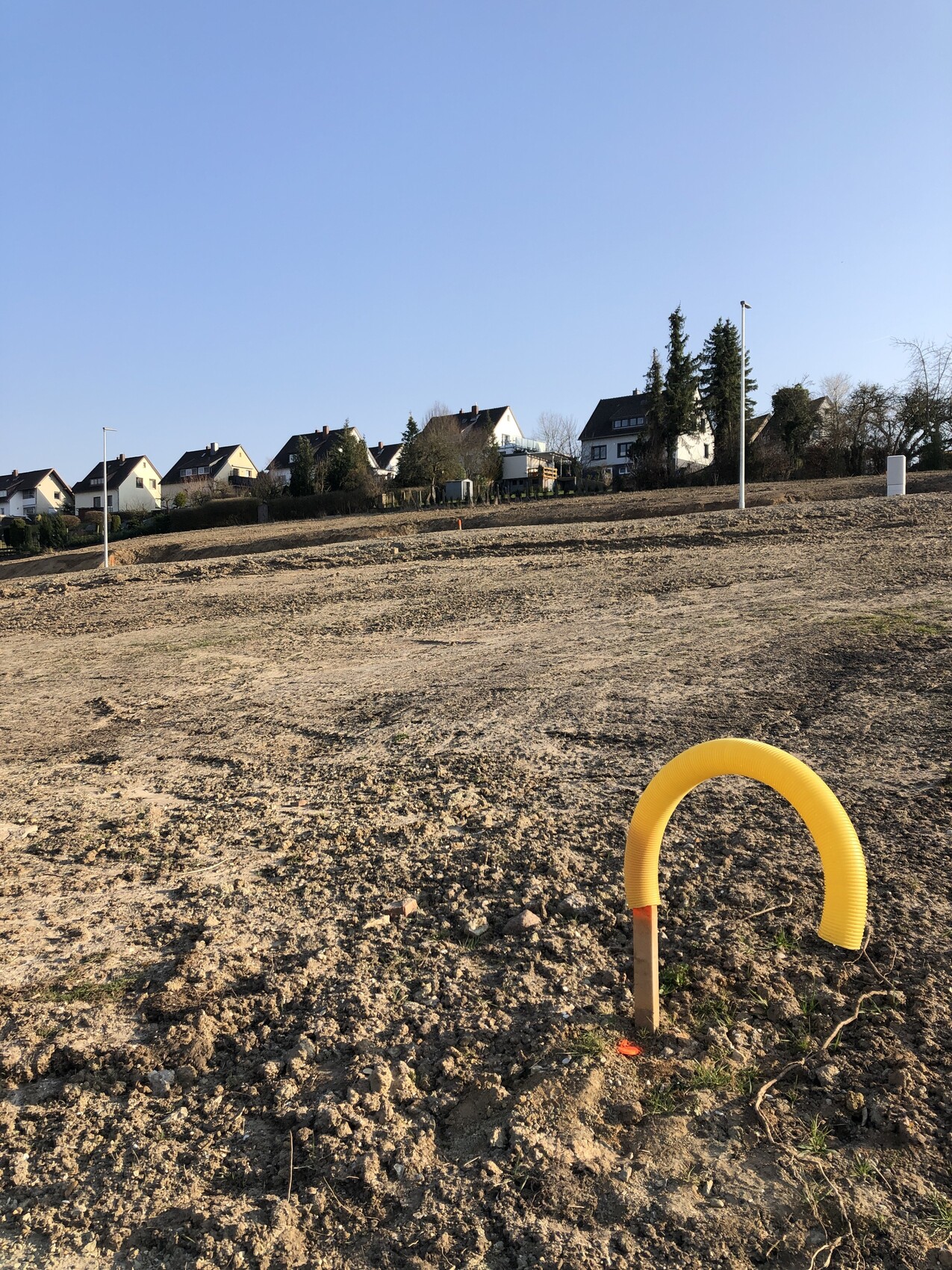
We are planning to build a bungalow with 3 rooms and about 85 sqm (915 sq ft) of living space. Since the plot is on a slope, we need to build with a partial basement.
Which option would likely be more cost-effective:
1. Living area on the ground floor (including a guest room) of 85 sqm (915 sq ft) and a 50 sqm (538 sq ft) basement used mainly as a utility cellar with a technical room (then we would only need one bathroom).
2. Ground floor only 75 sqm (808 sq ft), guest room in the partially finished 50 sqm (538 sq ft) basement as living space (which would require a second bathroom but could be fitted out later by ourselves).
As soon as the basement is meant to have living space, the access routes must be heated and insulated. Also, an internal staircase is necessary. A purely utility basement could possibly be accessed only from outside without an internal staircase, saving space.
Theoretically, a room on the ground floor requires about 12 sqm (129 sq ft). If this room is located in the basement, additional space for stairs on both floors and another hallway is needed, approximately 24 sqm (258 sq ft).
Am I thinking about this correctly?
Has anyone calculated a similar case before?
 HalloClarissa20 Apr 2022 12:54
Tassimat schrieb:
Would a new plot of land be an option? We currently live in Potsdam – there’s no chance of finding an affordable plot here. That’s why we’re moving back to our old home region of Lower Saxony – the plot is a rare find in terms of location, within walking distance to both the train station and the pedestrian zone.
HalloClarissa schrieb:
Split level housing is supposed to be quite expensive, though. Relatively, yes.
haydee schrieb:
Split-level is not the most affordable option, similar to a bungalow.
In your case, it’s about minimizing steps, reducing enclosed space, and moving as little soil as possible. I see it the same way: making the best out of the requirements. And also, by considering any additional costs, achieving the best and most cost-effective solution. To me, split-level is the most comfortable option.
I have already explained my reasons above. Why not share your project with all the details about your plot, zoning or building regulations (building permit / planning permission), etc., in the floor plan planning subforum? That way, those with experience here can offer concrete suggestions.

HalloClarissa schrieb:
I can’t find any useful information about the cost difference between a partial basement and a full basement. “It’s not worth it” is a relative statement, after all.Oh, I’ve probably mentioned this several times in my basement posts: a half basement costs about three quarters, a three-quarter basement costs about ninety percent. Don’t forget that the 11ant basement rule still applies to the omitted part. In addition, the infrastructure/house connection comes from the uphill side here. So, on balance, any “alternative” to a full basement would be a Pyrrhic victory.haydee schrieb:
Google @hampshire. This is how it can look without a basement. Not the cheapest solution.I don’t see this as a helpful example here: in the case of @hampshire, rocky ground was the main reason for leaving large areas without a basement. This cannot be compared to the basement question only from the perspective of slope steepness.https://www.instagram.com/11antgmxde/
https://www.linkedin.com/company/bauen-jetzt/
11ant schrieb:
I don’t see that as a helpful comment here: in the example @hampshireI don’t either: as far as I know, Hampshire’s house was very large. So, whether with a basement or not, a house is always an individual project based on specific needs. And Max’s requirements were completely different. askforafriend20 Apr 2022 15:57
I would always try to work with the natural conditions on a sloped plot rather than just adding fill and building a slab-on-grade house. But to each their own (or their means, since it does cost money). A slope is something special!
Similar topics