
Hi,
we want to convert our basement of about 28 m2 (currently an old party room) into a livable space. Initially, it will be a dressing room / guest room. Optionally, in the future, it could become a bedroom.
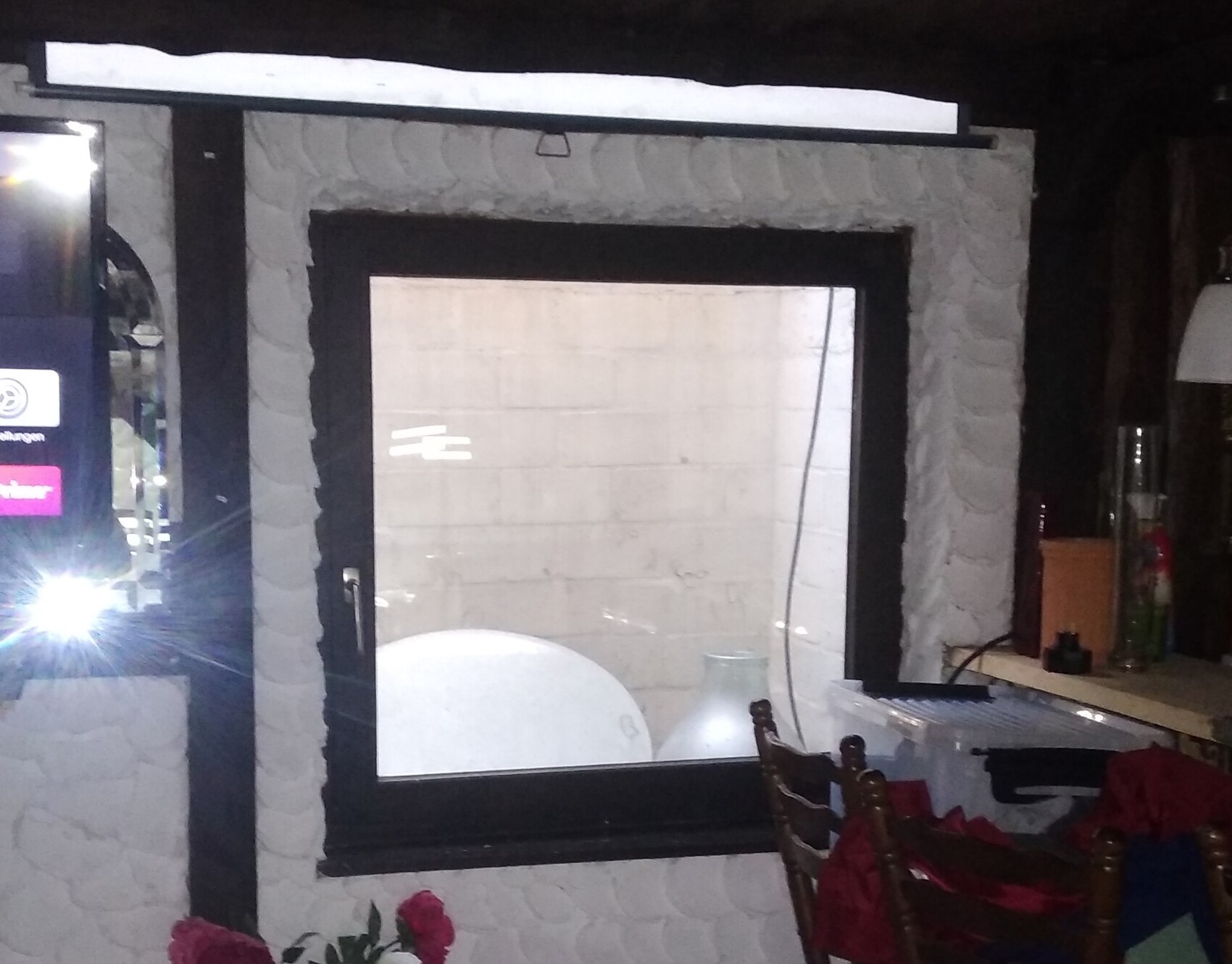
Our basement has a standard-sized window (1.10 x 1.10 m) (3.6 x 3.6 ft) and a heater that fully warms the room (about 2 meters long) (6.5 ft). The room is located directly under our living room.
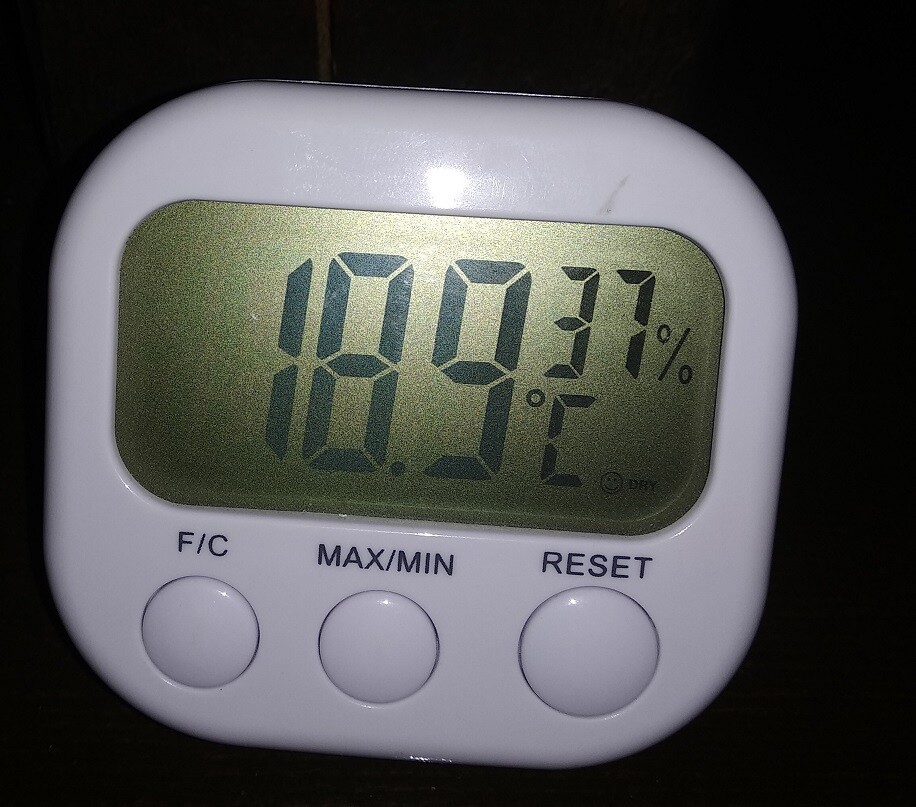
The room is dry, with no musty smell or anything like that. The average room temperature is around 19.5°C (67°F), and the measured humidity is 37%.
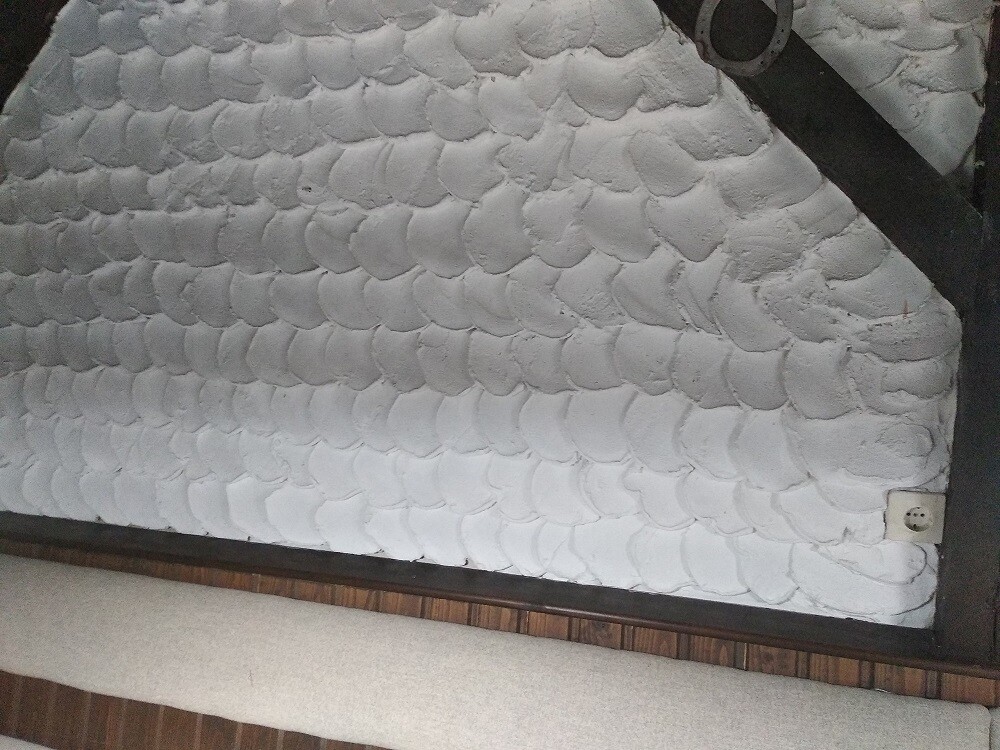
My question is how I should design the walls. Currently, there is a rough trowel plaster on them, which we don’t find attractive.
The easiest option would be to build a stud wall with moisture-resistant drywall panels (green drywall). Does this pose any risk?
Somehow, I am reluctant to chip off this rough plaster, as it seems like a huge effort.
How would you approach this best?
we want to convert our basement of about 28 m2 (currently an old party room) into a livable space. Initially, it will be a dressing room / guest room. Optionally, in the future, it could become a bedroom.
Our basement has a standard-sized window (1.10 x 1.10 m) (3.6 x 3.6 ft) and a heater that fully warms the room (about 2 meters long) (6.5 ft). The room is located directly under our living room.
The room is dry, with no musty smell or anything like that. The average room temperature is around 19.5°C (67°F), and the measured humidity is 37%.
My question is how I should design the walls. Currently, there is a rough trowel plaster on them, which we don’t find attractive.
The easiest option would be to build a stud wall with moisture-resistant drywall panels (green drywall). Does this pose any risk?
Somehow, I am reluctant to chip off this rough plaster, as it seems like a huge effort.
How would you approach this best?
Similar topics