
ᐅ Base Waterproofing for a Detached House Without a Basement: Execution Deviating from the Original Plans?
Created on: 1 Jan 2026 11:43
A
AKRPH2025A
AKRPH20251 Jan 2026 11:43Hello everyone,
We are currently building a single-family house without a basement with a general contractor. The shell is already completed (Poroton brick), but I have currently put a stop to construction because the windows were very poorly sealed, and they still wanted to continue with the screed and other work.
Since I have been researching insulation quite a bit recently, I only became aware of the base waterproofing now. From my point of view, the base waterproofing at our site was done differently than shown in the planning drawings. In reality, the blinding layer is not wider than the foundation slab but flush with it, so the insulation is applied directly to the soil rather than on the blinding layer as planned. Am I mistaken?
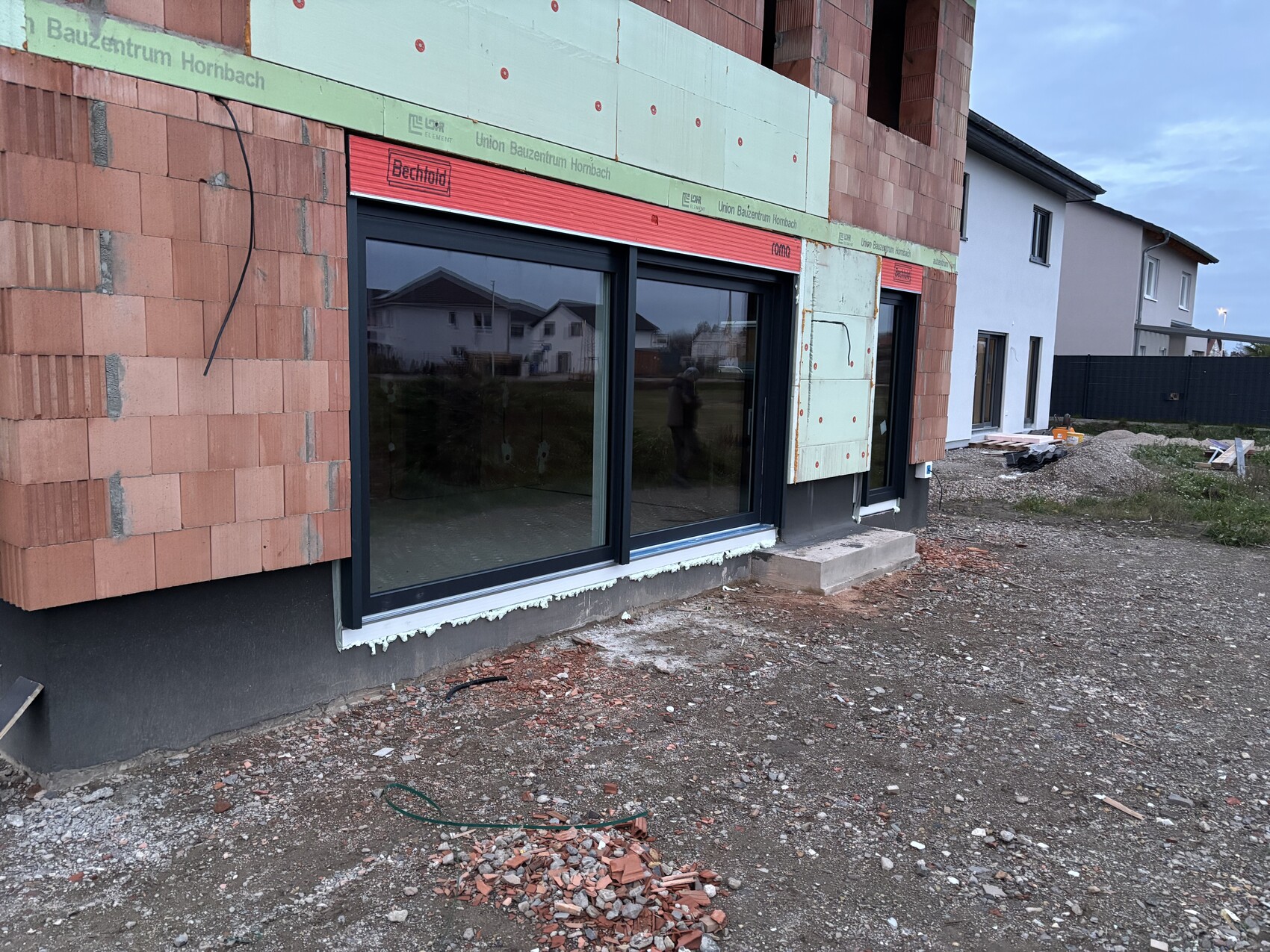
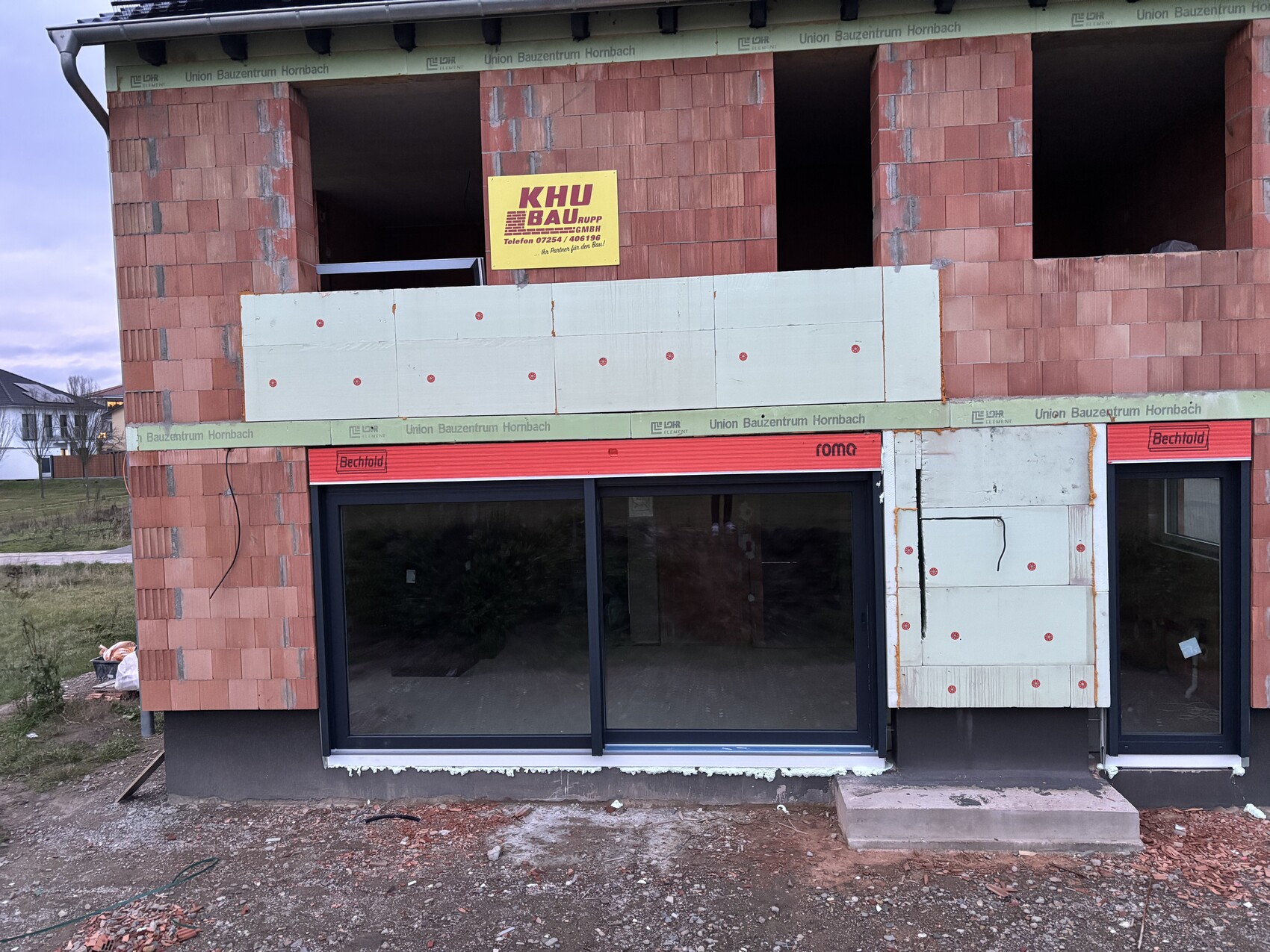
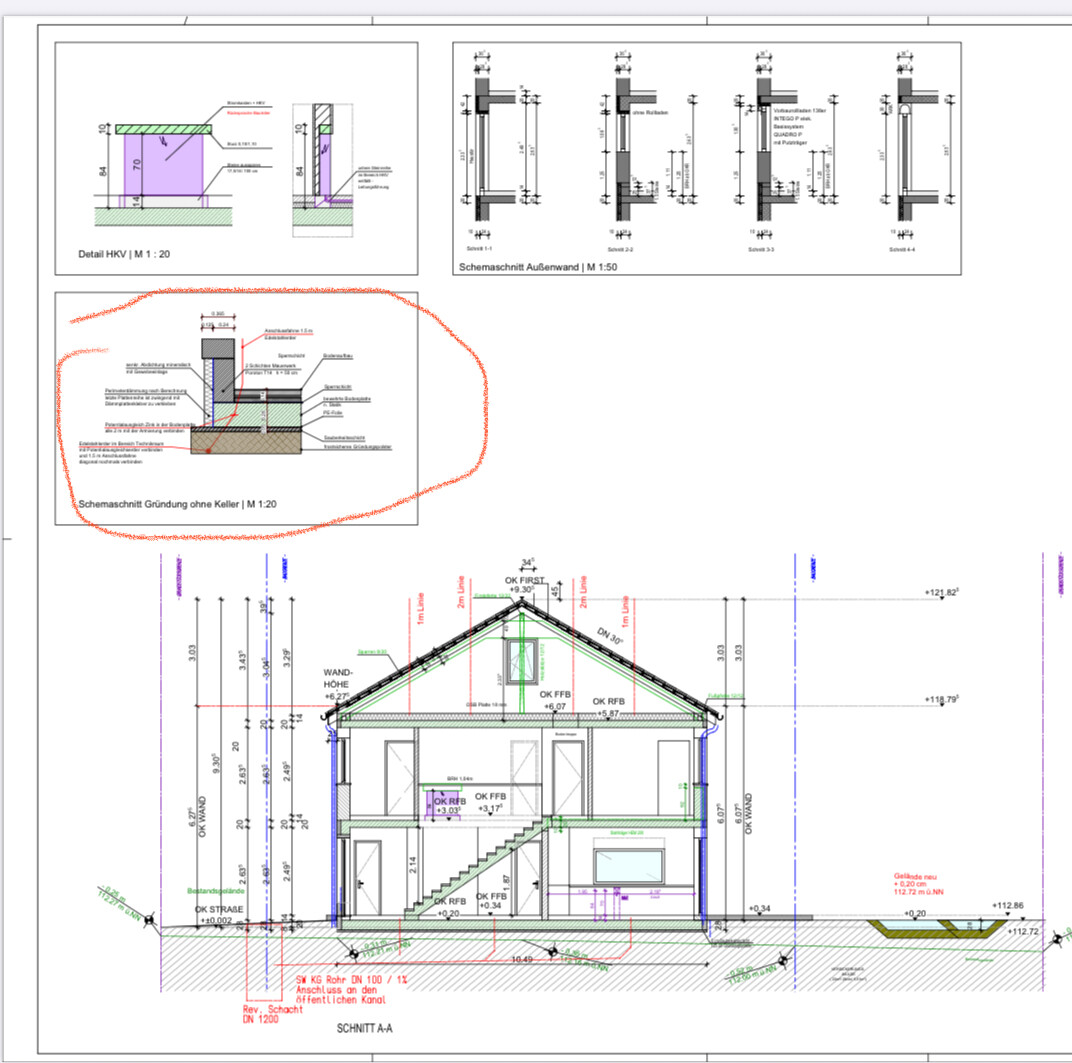
We are currently building a single-family house without a basement with a general contractor. The shell is already completed (Poroton brick), but I have currently put a stop to construction because the windows were very poorly sealed, and they still wanted to continue with the screed and other work.
Since I have been researching insulation quite a bit recently, I only became aware of the base waterproofing now. From my point of view, the base waterproofing at our site was done differently than shown in the planning drawings. In reality, the blinding layer is not wider than the foundation slab but flush with it, so the insulation is applied directly to the soil rather than on the blinding layer as planned. Am I mistaken?
A
AKRPH20251 Jan 2026 22:07Does anyone have an idea how I can fix this?
A
Allthewayup5 Jan 2026 14:09The clean layer is initially not relevant for waterproofing. Do you have any photos of the current situation? The foundation slab should be made of waterproof concrete (WU concrete). The first row of Poroton blocks is placed on a damp-proof membrane. This can be bitumen or a plastic-type material. Ideally, an active waterproofing layer should be applied on the outside up to about 20cm (8 inches) above the future ground level before plastering.
Similar topics