
ᐅ Balcony Door and Window Sills – Deficiencies in New Construction
Created on: 22 Feb 2019 21:30
D
drigli1984
Hello!
I have been reading in the forum for a while and now I registered because I have a few urgent questions.
We recently moved into our newly built apartment in Vienna and are facing some defects. Someone from the developer and the construction management will visit next week to inspect the issues. We already had someone here last week, and for each of our complaints, they mostly responded with "this is normal" or "this is within tolerance." Now I want to prepare a bit for next week and hope to get some support.
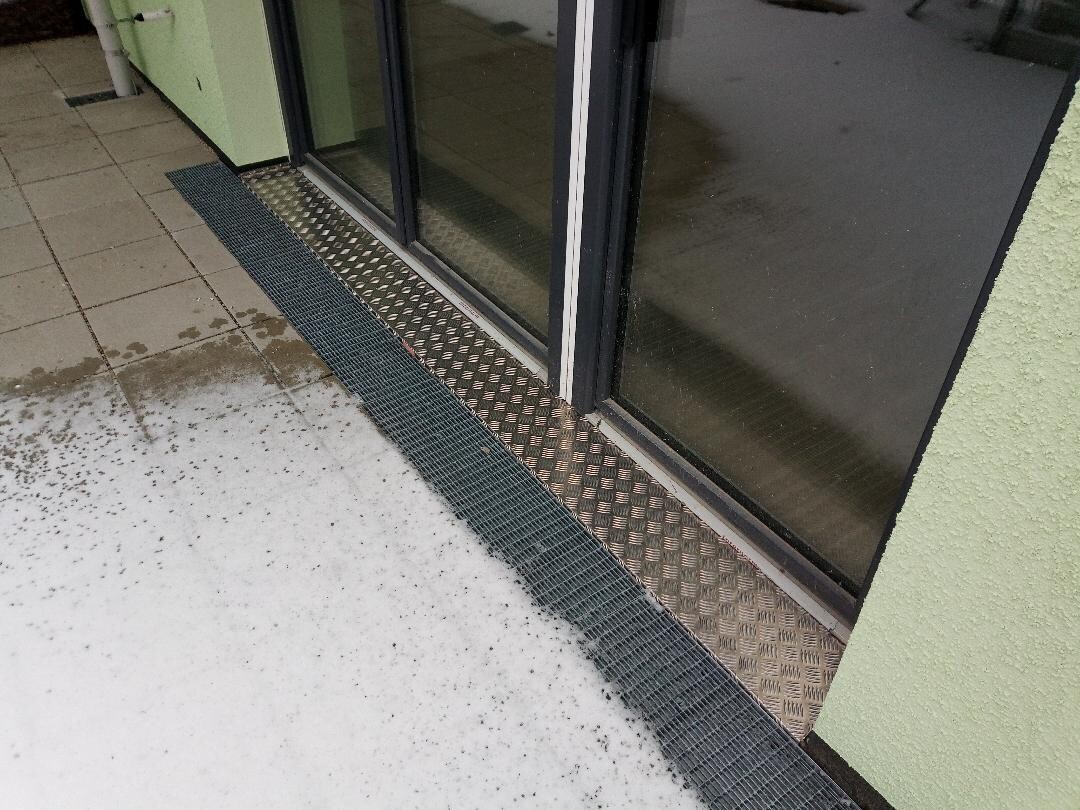
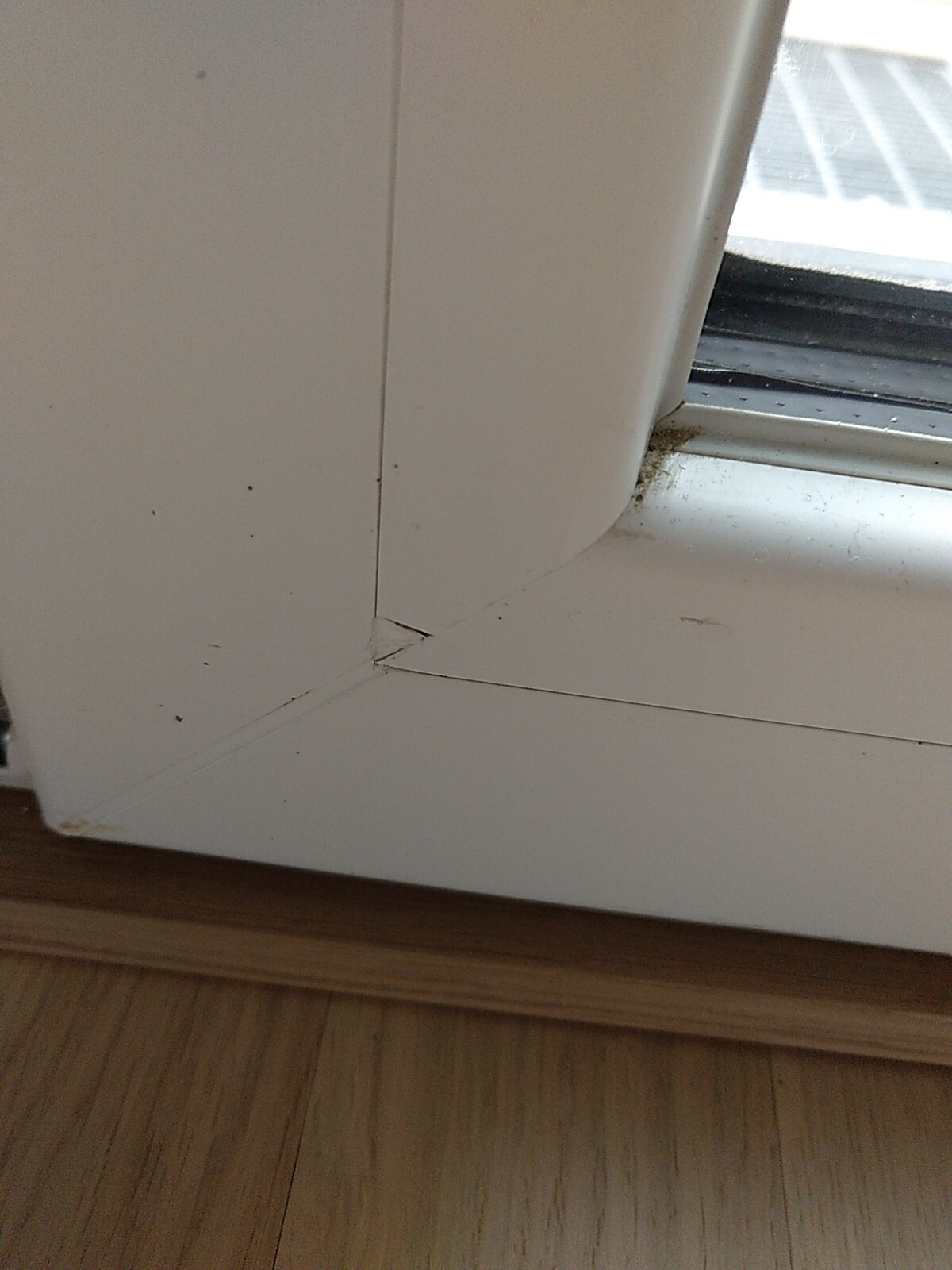
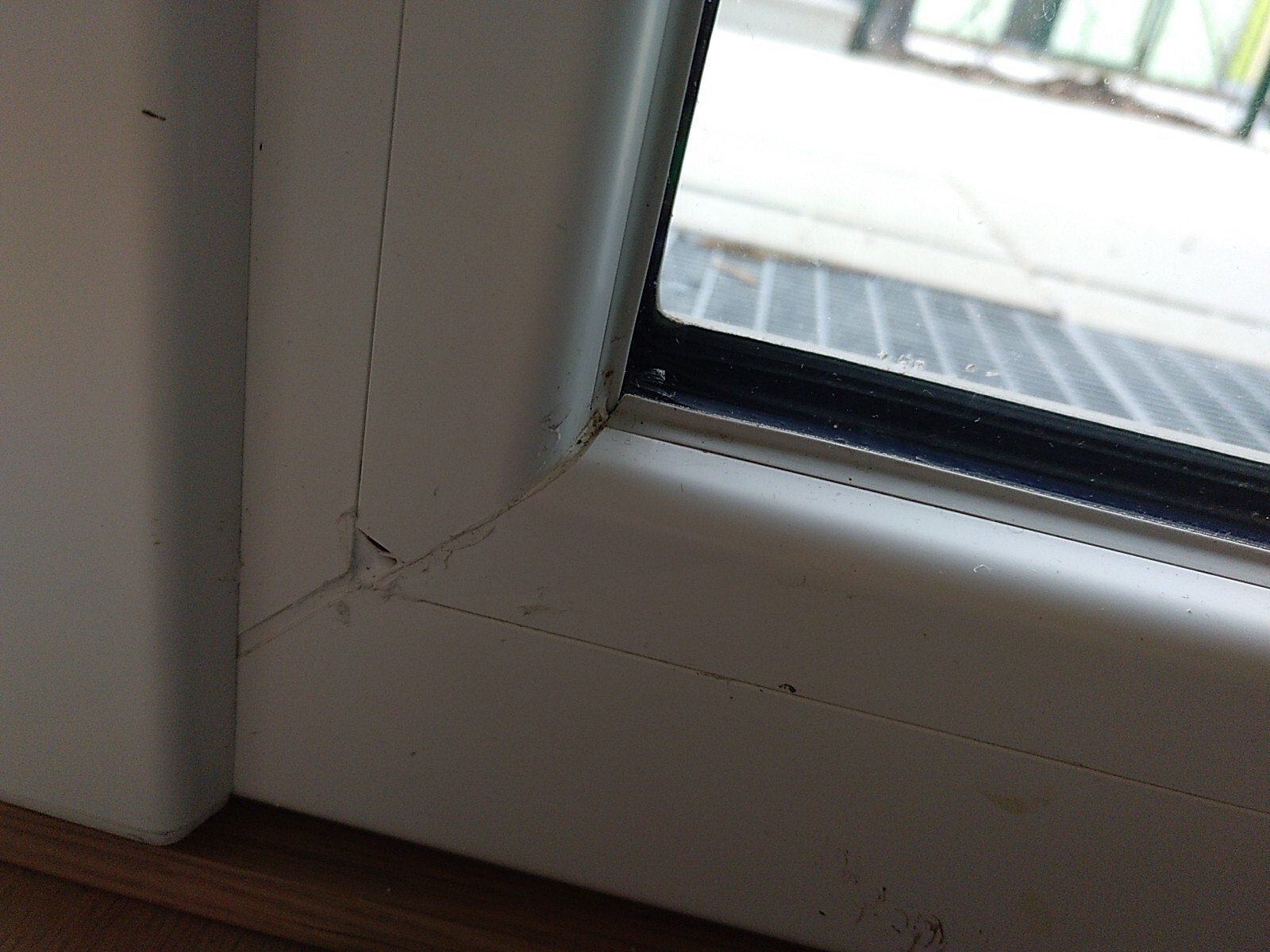
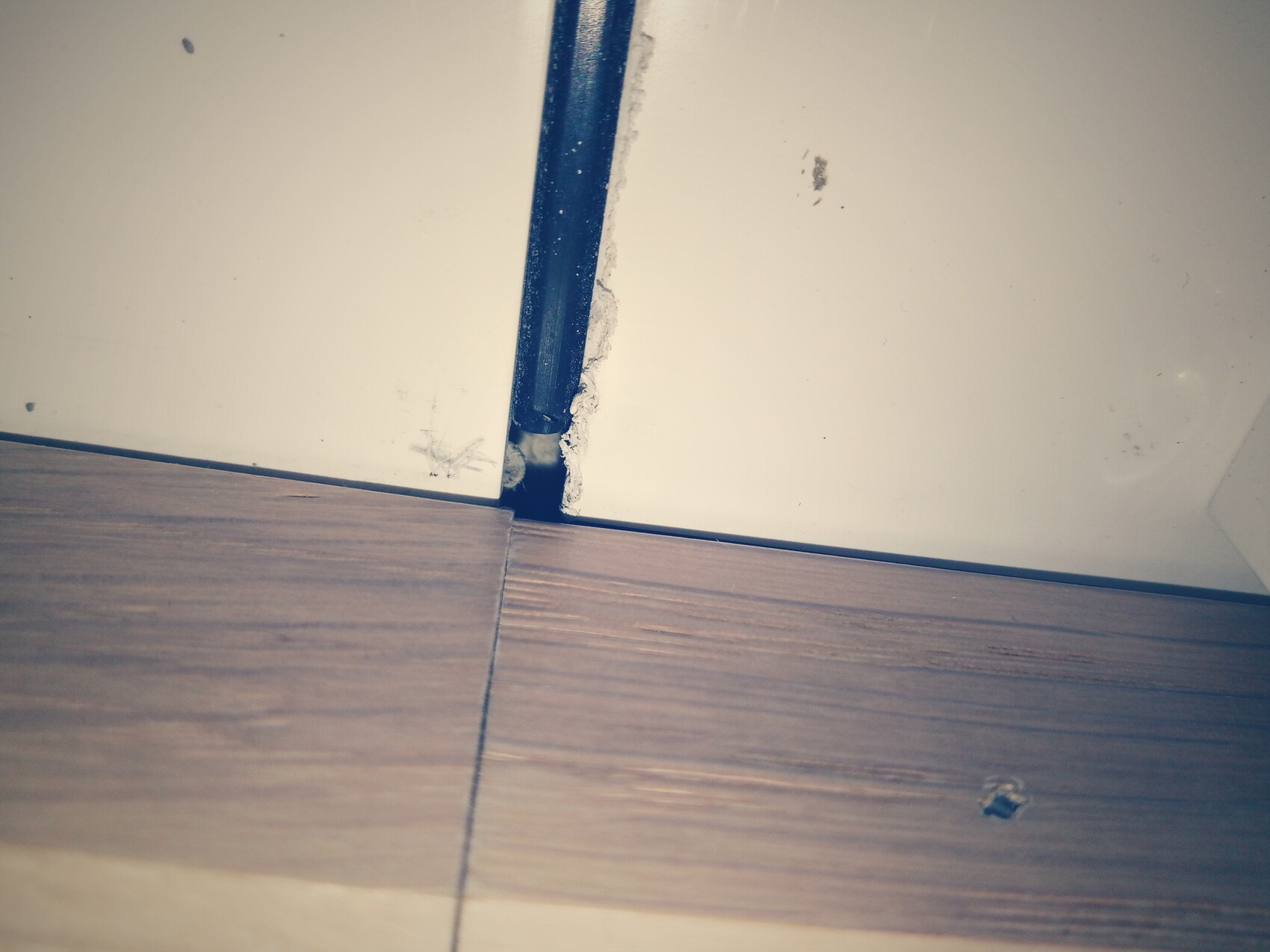
1) We have a double-leaf balcony door and right next to it a regular balcony door. There is a seal between the two elements. However, the seal does not extend all the way to the bottom (see photo); approximately 7-8mm (about 1/4 inch) are missing. On the outside, there is also no additional seal installed (see photo). Exactly where the seal is missing, there is a draft, and a relatively loud whistling sound can be heard constantly, even when the roller shutter is down. Should the seal be replaced, or is it sufficient if the window company repairs it with silicone? I want it to be done according to standard practice.
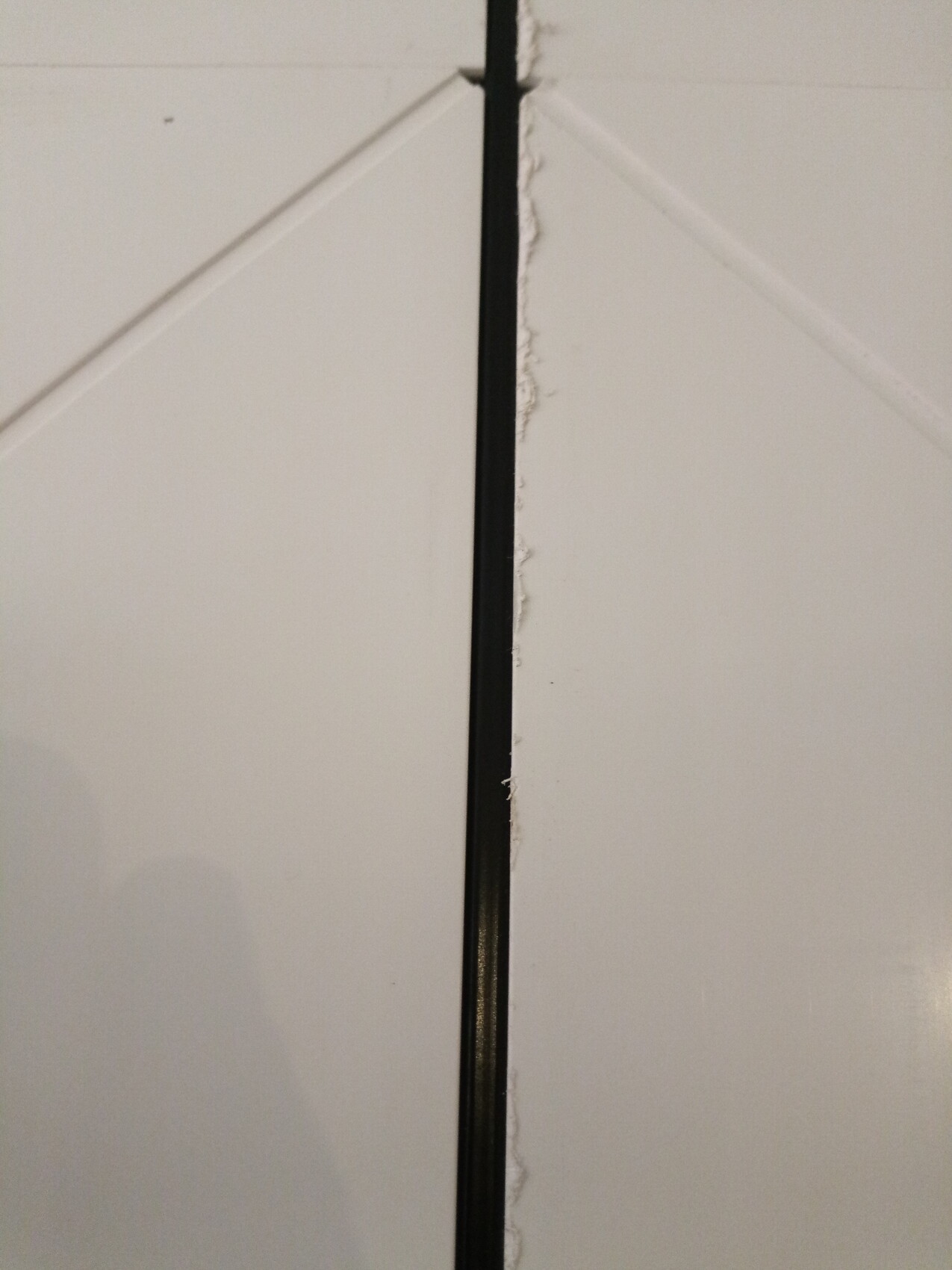
2) Between the two elements at the seal, the frame is slightly frayed (see photo). Is this normal or not? Also, how much silicone is acceptable when attaching the retaining strips? As shown in the photo, the work looks quite sloppy. In other places, the retaining strips are a bit too short (1-2mm) and were simply filled with silicone.
3) In our living room, we have two interior windowsills, each 133cm (52 inches) wide. The distance between the two windowsills is 34cm (13 inches). The windowsills protrude from the wall by between 2.7cm and 3.8cm (1 inch and 1.5 inches). So there is a difference of over 1cm (about 0.4 inch), which is clearly visible to the naked eye since the windowsills are at a height of 1.70m (5 ft 7 in). Is this still within tolerance?
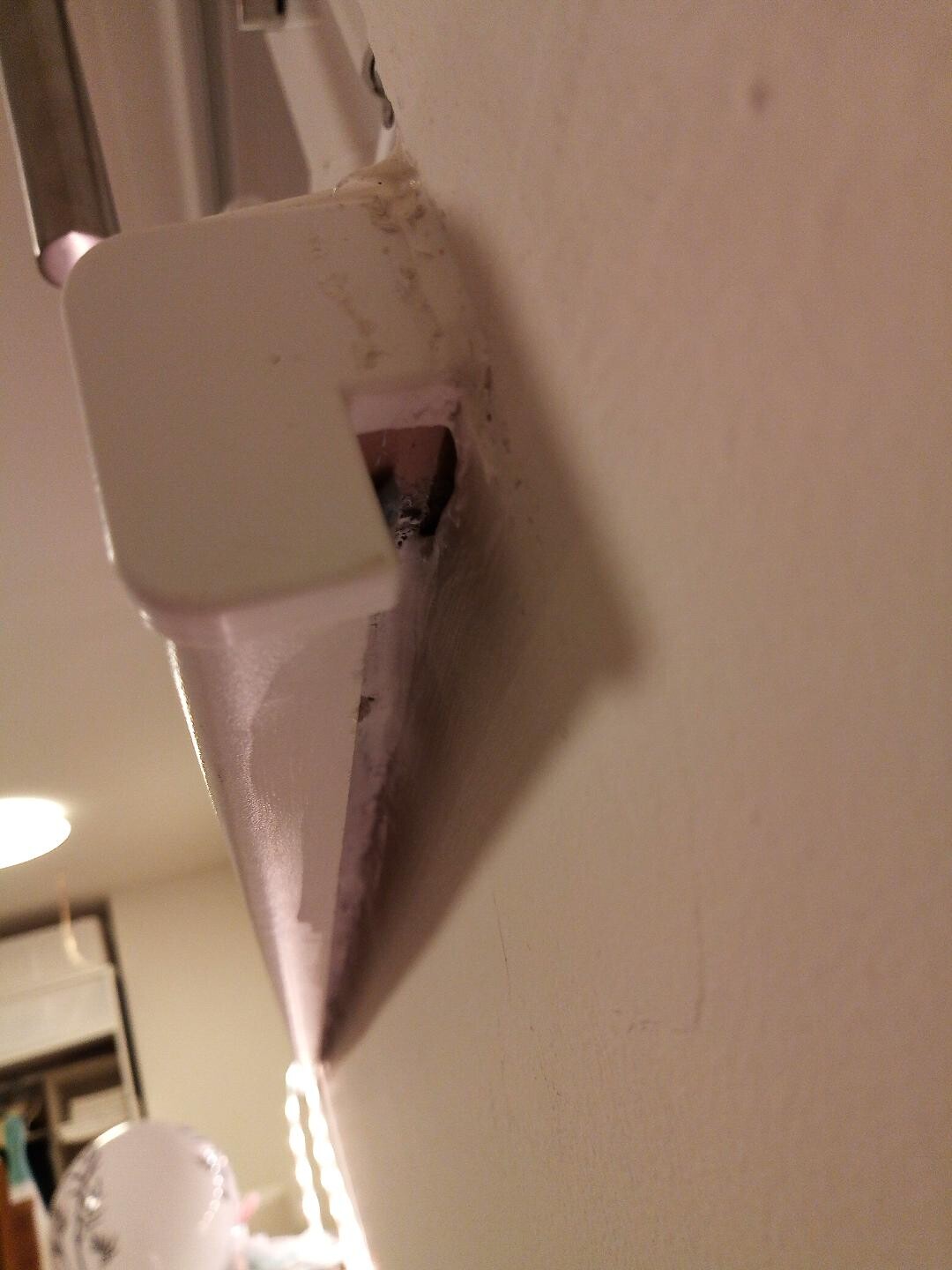
4) There is a hole under the windowsill that causes a draft. Is closing it with PU foam sufficient?
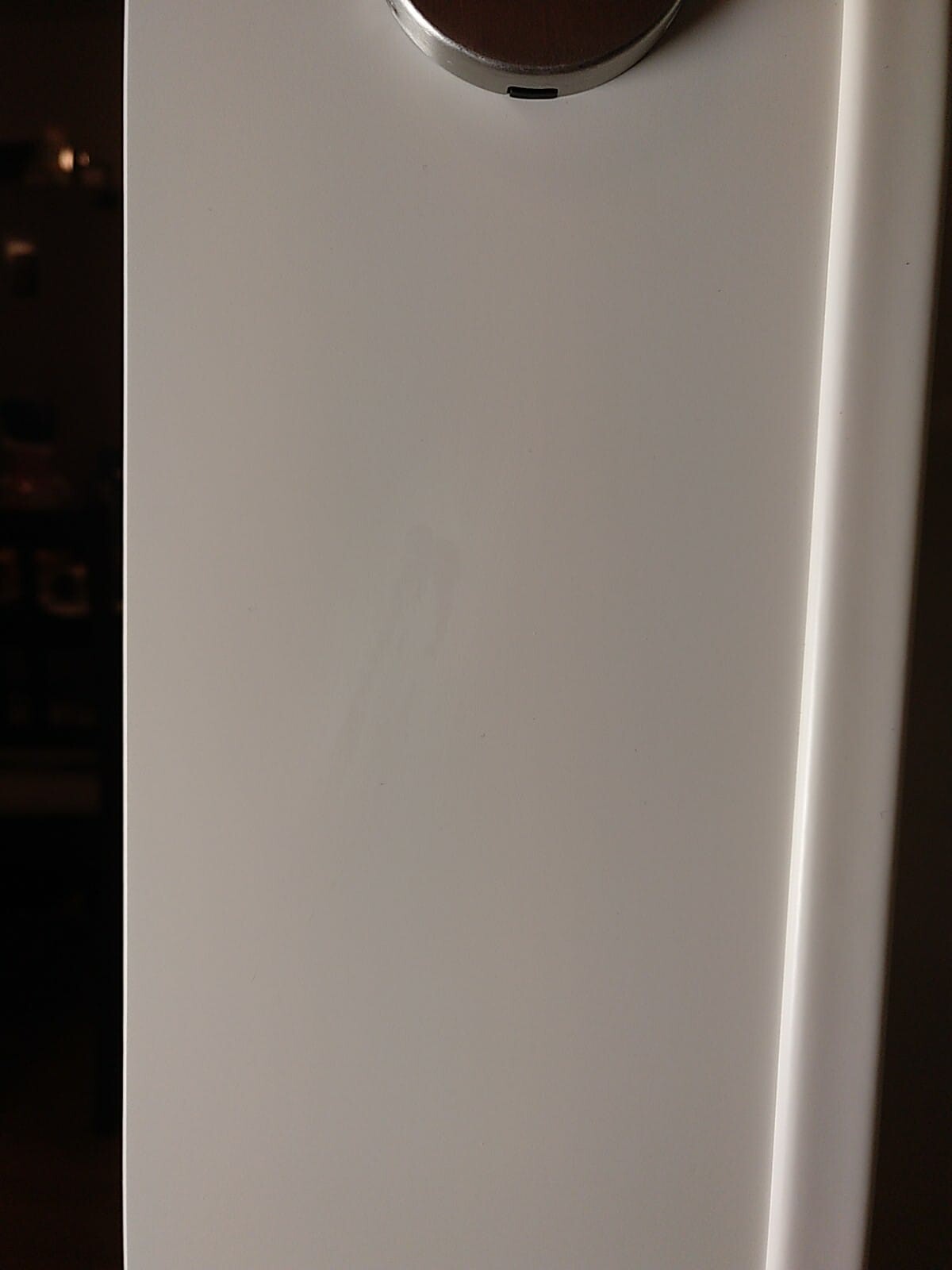
5) One of our interior doors had glue residues on it when we moved in. We have no idea where they came from. When trying to remove the glue, the door fitter slightly damaged the paint. Can we generally request a door replacement?
Basically, we just want an idea of how things should be done properly so that we can argue our case.
Thanks in advance.
Greetings from Vienna
Christoph

I have been reading in the forum for a while and now I registered because I have a few urgent questions.
We recently moved into our newly built apartment in Vienna and are facing some defects. Someone from the developer and the construction management will visit next week to inspect the issues. We already had someone here last week, and for each of our complaints, they mostly responded with "this is normal" or "this is within tolerance." Now I want to prepare a bit for next week and hope to get some support.
1) We have a double-leaf balcony door and right next to it a regular balcony door. There is a seal between the two elements. However, the seal does not extend all the way to the bottom (see photo); approximately 7-8mm (about 1/4 inch) are missing. On the outside, there is also no additional seal installed (see photo). Exactly where the seal is missing, there is a draft, and a relatively loud whistling sound can be heard constantly, even when the roller shutter is down. Should the seal be replaced, or is it sufficient if the window company repairs it with silicone? I want it to be done according to standard practice.
2) Between the two elements at the seal, the frame is slightly frayed (see photo). Is this normal or not? Also, how much silicone is acceptable when attaching the retaining strips? As shown in the photo, the work looks quite sloppy. In other places, the retaining strips are a bit too short (1-2mm) and were simply filled with silicone.
3) In our living room, we have two interior windowsills, each 133cm (52 inches) wide. The distance between the two windowsills is 34cm (13 inches). The windowsills protrude from the wall by between 2.7cm and 3.8cm (1 inch and 1.5 inches). So there is a difference of over 1cm (about 0.4 inch), which is clearly visible to the naked eye since the windowsills are at a height of 1.70m (5 ft 7 in). Is this still within tolerance?
4) There is a hole under the windowsill that causes a draft. Is closing it with PU foam sufficient?
5) One of our interior doors had glue residues on it when we moved in. We have no idea where they came from. When trying to remove the glue, the door fitter slightly damaged the paint. Can we generally request a door replacement?
Basically, we just want an idea of how things should be done properly so that we can argue our case.
Thanks in advance.
Greetings from Vienna
Christoph

Seriously, are those the prices for basement-level windows in your area? – Well, if the affected windows b) are located in a light well and a) are properly installed from the outside, then the internal drip edge actually makes sense as expected.
A seal can’t be properly installed where it doesn’t belong. You just can’t join seals together!
I imagine there was originally a plan for a pillar between the two patio doors; later it was determined that the pillar was not necessary for structural reasons, so the opening was “merged” and the units pushed directly together instead of ordering a single continuous element.
Step 1 was fine, and keeping one of the units was also okay, but the other one should have been ordered narrower by the width of a coupling profile with such a profile added. This is typical builder creativity, shamelessly done thousands of times – but the end result is simply incorrect for you.
This combination (well-known brand, cost savings then made on installation quality) is unfortunately not a new phenomenon; it happens everywhere. Builders combine the appearance of quality with profitability.
I have understood Internorm as a manufacturer that produces complete windows themselves (and does not just supply profiles to window fabricators – especially not to backyard amateurs) (? ? ?)
Are you sure this manufacturer is actually the one on the invoice? The botched miter joints don’t fit the picture otherwise.
https://www.instagram.com/11antgmxde/
https://www.linkedin.com/company/bauen-jetzt/
A seal can’t be properly installed where it doesn’t belong. You just can’t join seals together!
I imagine there was originally a plan for a pillar between the two patio doors; later it was determined that the pillar was not necessary for structural reasons, so the opening was “merged” and the units pushed directly together instead of ordering a single continuous element.
Step 1 was fine, and keeping one of the units was also okay, but the other one should have been ordered narrower by the width of a coupling profile with such a profile added. This is typical builder creativity, shamelessly done thousands of times – but the end result is simply incorrect for you.
drigli1984 schrieb:I don’t know their profile system “by heart,” but as far as I know, they are a reputable and not low-cost brand, so they should offer coupling profiles.
The windows and patio doors are from Internorm, so not from a discount retailer.
This combination (well-known brand, cost savings then made on installation quality) is unfortunately not a new phenomenon; it happens everywhere. Builders combine the appearance of quality with profitability.
I have understood Internorm as a manufacturer that produces complete windows themselves (and does not just supply profiles to window fabricators – especially not to backyard amateurs) (? ? ?)
Are you sure this manufacturer is actually the one on the invoice? The botched miter joints don’t fit the picture otherwise.
https://www.instagram.com/11antgmxde/
https://www.linkedin.com/company/bauen-jetzt/
D
drigli198423 Feb 2019 23:34The apartment is a standard ground floor unit, not a basement level. The windows were installed at this height to reduce visibility from outside into the apartment.
The patio doors are installed this way in at least three other ground floor apartments as well. The windows and patio doors are from Internorm, with hardware from Winkhaus. According to the company list we received at handover, under the section "Windows," Internorm components are listed along with their address, email, and phone number.
The patio doors are installed this way in at least three other ground floor apartments as well. The windows and patio doors are from Internorm, with hardware from Winkhaus. According to the company list we received at handover, under the section "Windows," Internorm components are listed along with their address, email, and phone number.
D
drigli198424 Feb 2019 23:21I visited a neighbor today who has the same setup. He hasn’t noticed any drafts, but he will keep an eye on it.
@11ant Tomorrow, the window company will be at our house to inspect the defects and possibly fix them. I will definitely ask if and how both door units were joined together and am curious to hear their answer. If they want to fill the too-short seal with silicone or any other material, I will politely decline. I’m relying on your (remote) judgment.
@11ant Tomorrow, the window company will be at our house to inspect the defects and possibly fix them. I will definitely ask if and how both door units were joined together and am curious to hear their answer. If they want to fill the too-short seal with silicone or any other material, I will politely decline. I’m relying on your (remote) judgment.
drigli1984 schrieb:
The apartment is a standard ground floor unit, not a basement. The windows were installed at that height to reduce visibility from outside. One could say that you turned a nice ground floor room into a basement room.
I believe that is what 11ant meant.
D
drigli198424 Feb 2019 23:53In the same room, the patio doors are also causing us some issues. So, at least we have plenty of natural light there. Windows at this height are quite common in this area, especially when there is a public walkway directly in front of the window.
Similar topics