
B
Bob-Bau753 Aug 2025 20:23Hello,
I have taken on a new project at our house.
This time it is a balcony from 1975, where the concrete slab is integrated into the ceiling joist of the first floor.
Since there is a newly renovated room below the balcony, including underfloor heating and both internal and external insulation, the balcony now acts as a significant thermal bridge.
Because I can’t estimate whether mold problems might develop over time, I would like to renovate the balcony (waterproofing + insulation).
On the underside, I plan to repair the cracks and chipped areas with some concrete.
I intend to cover the existing tiles with liquid waterproofing and wrap the balcony with EPS insulation, followed by new tiles.
What do you think would be a sensible solution for this?
I would also like to carry out the work myself under professional guidance or with expert advice.


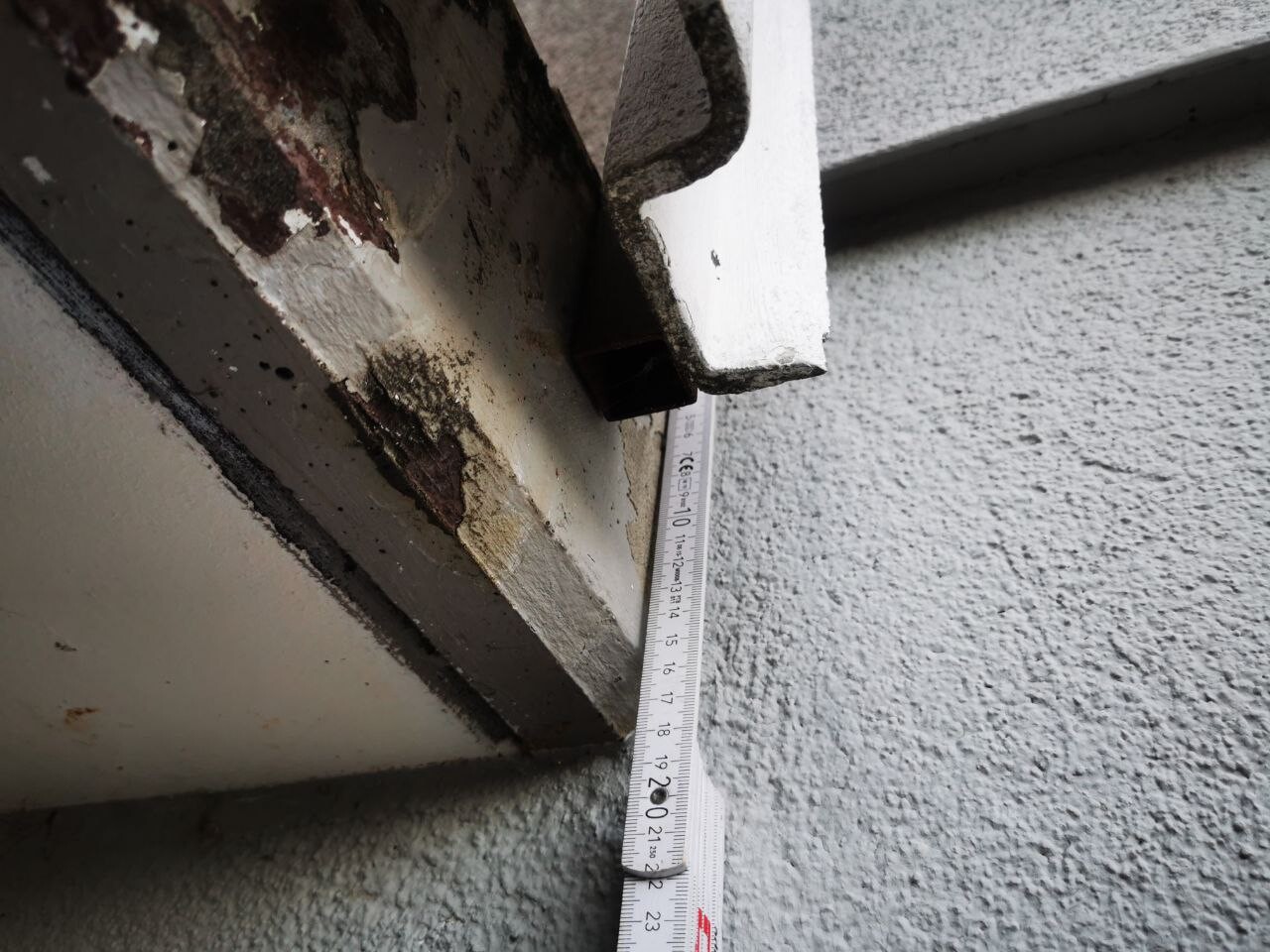
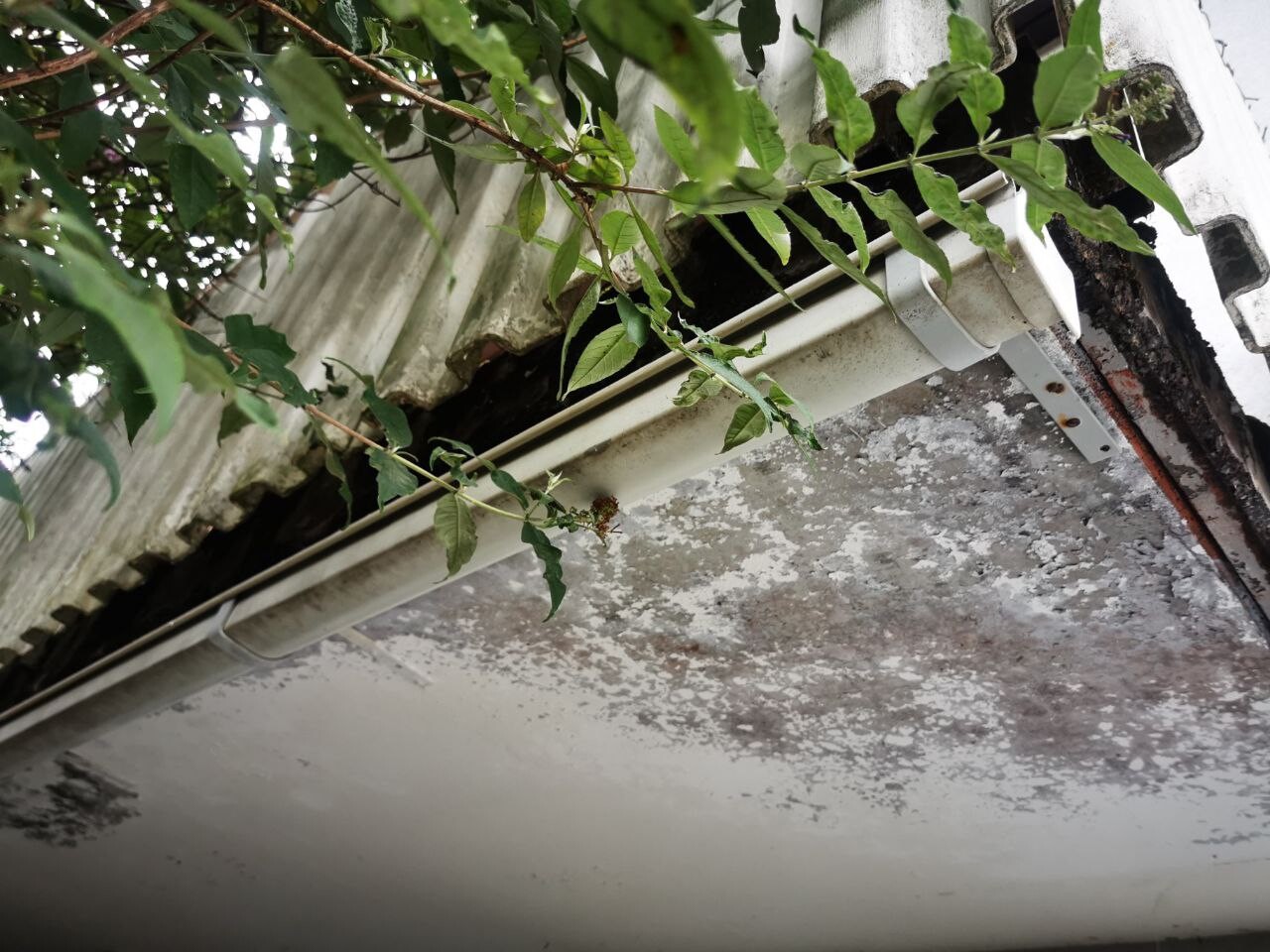
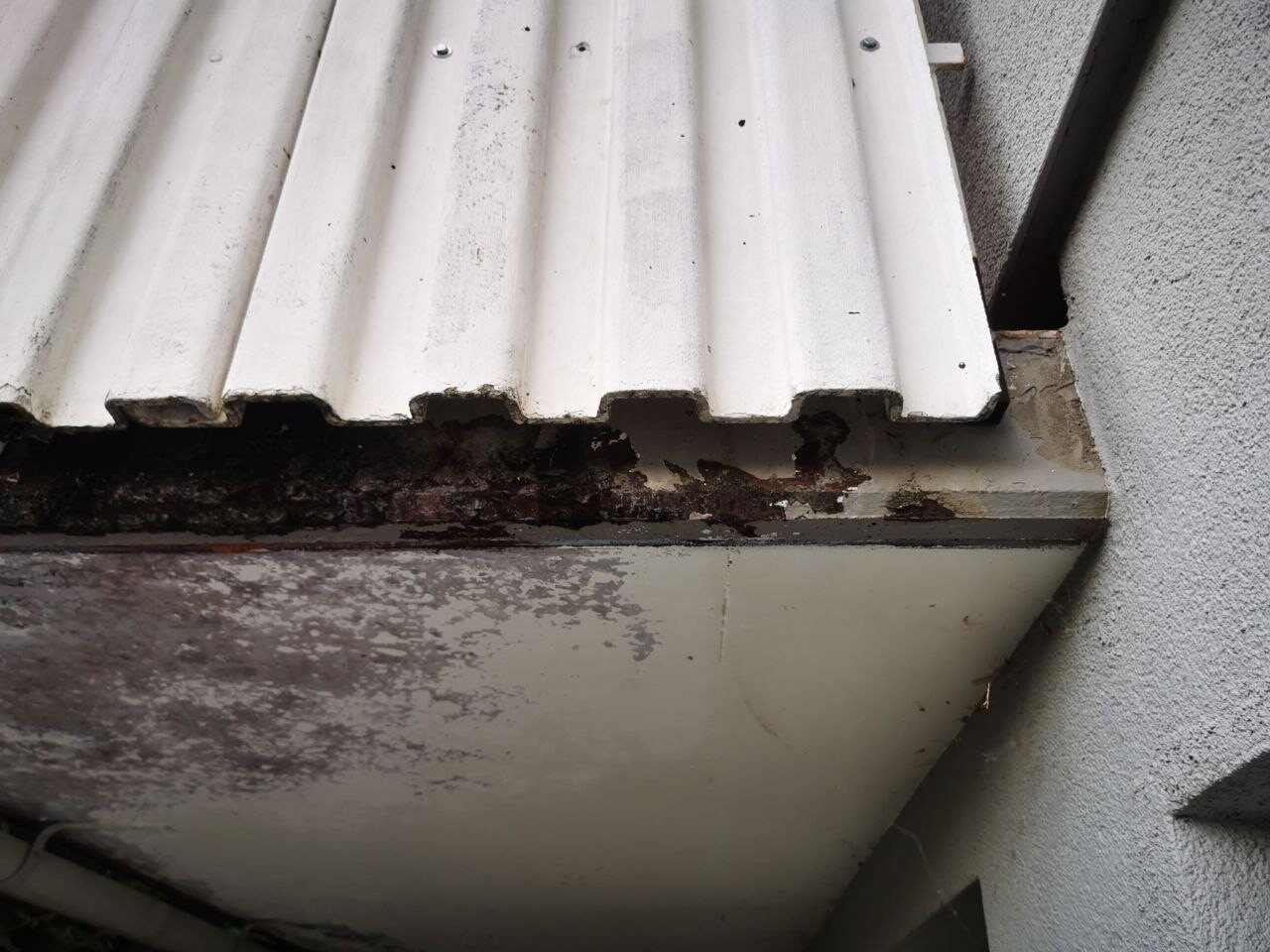
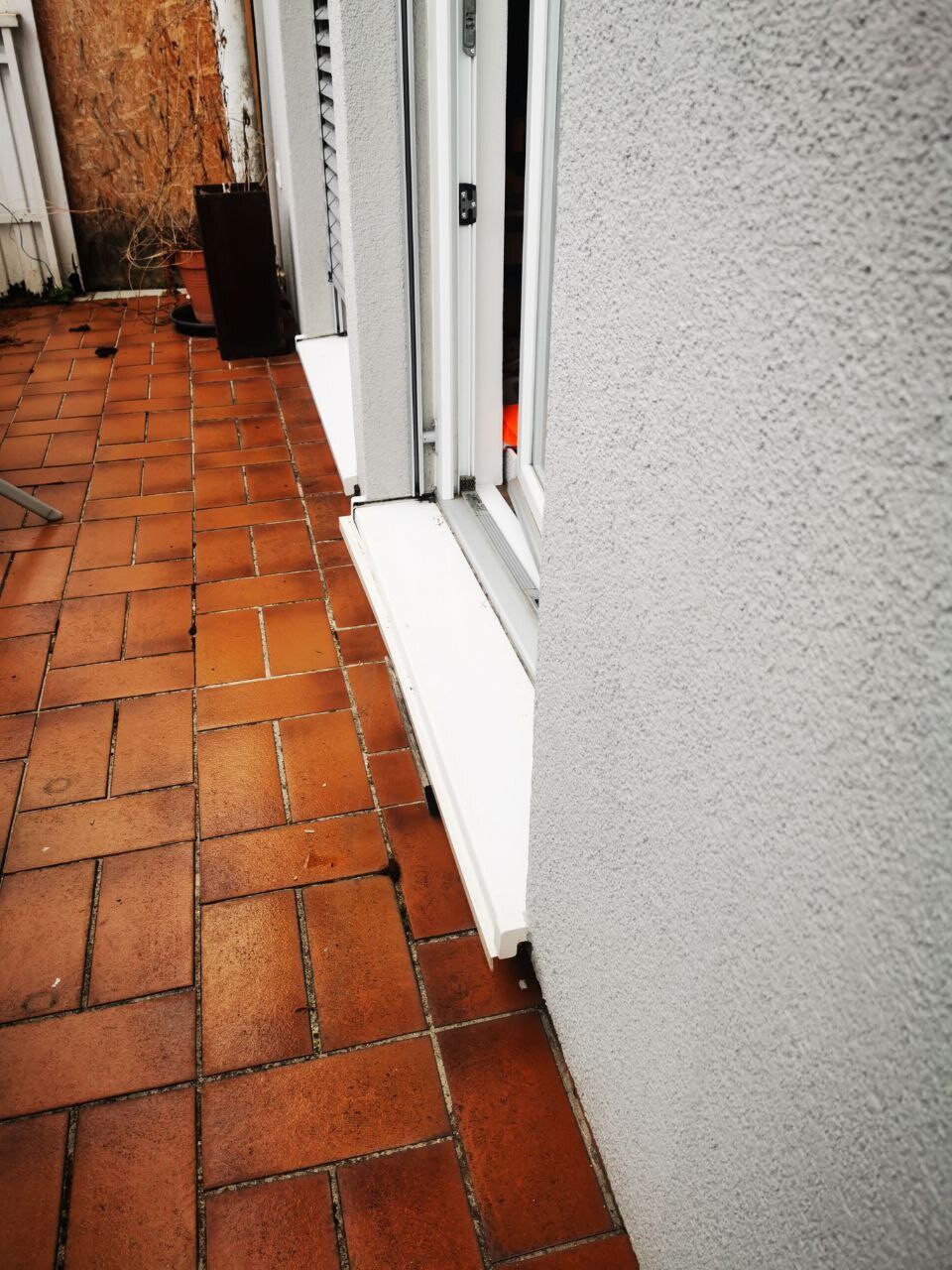
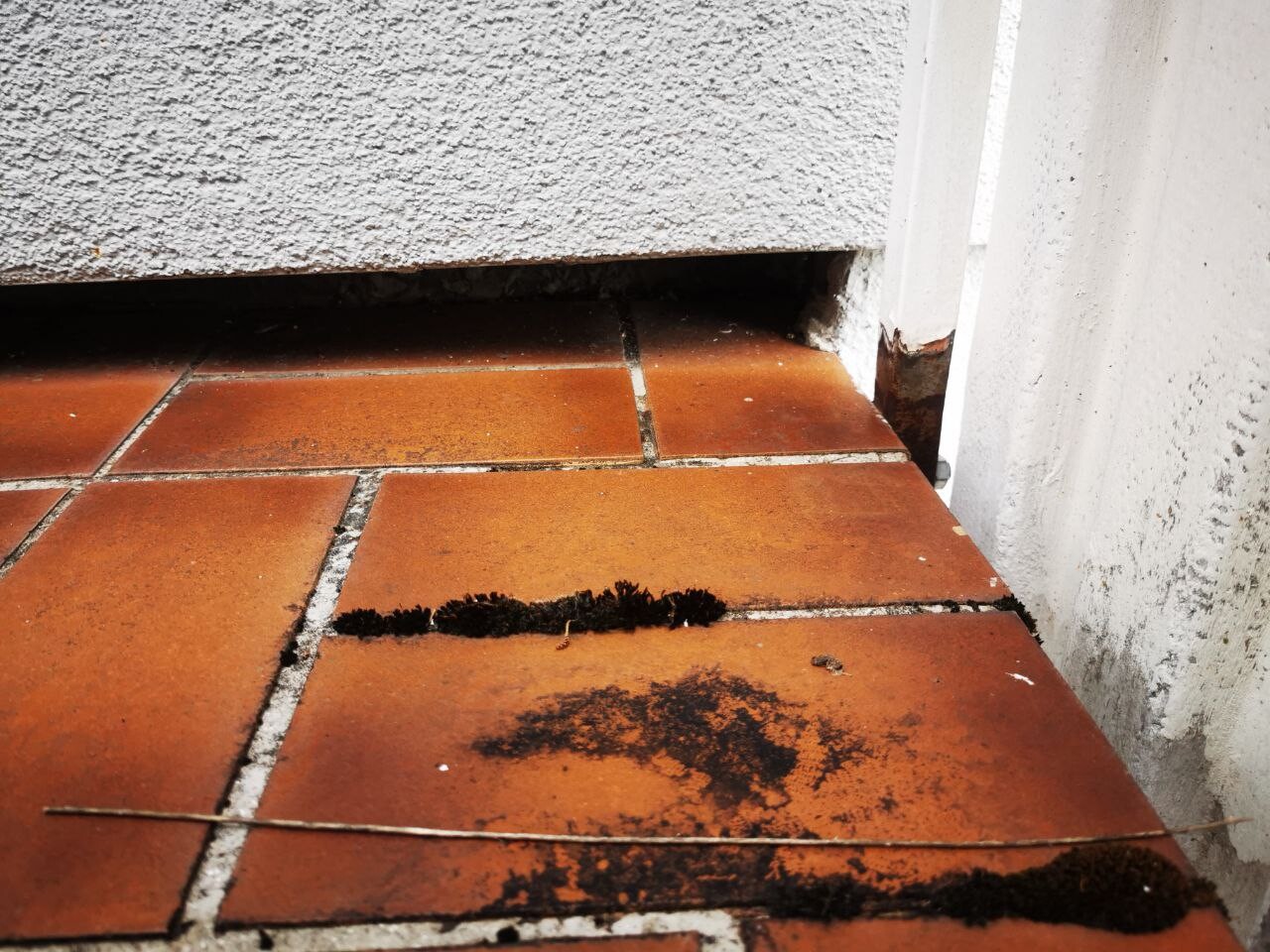
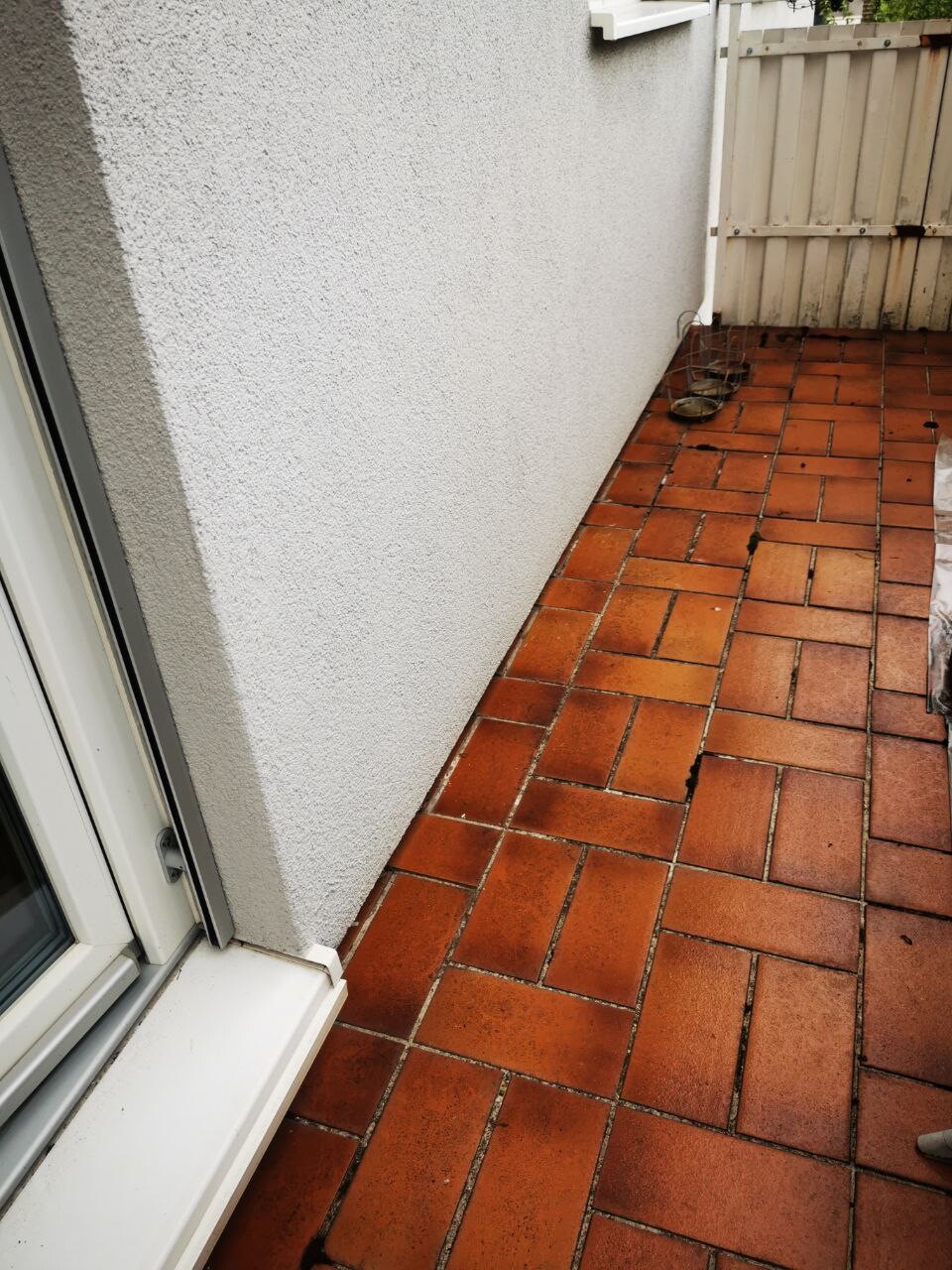

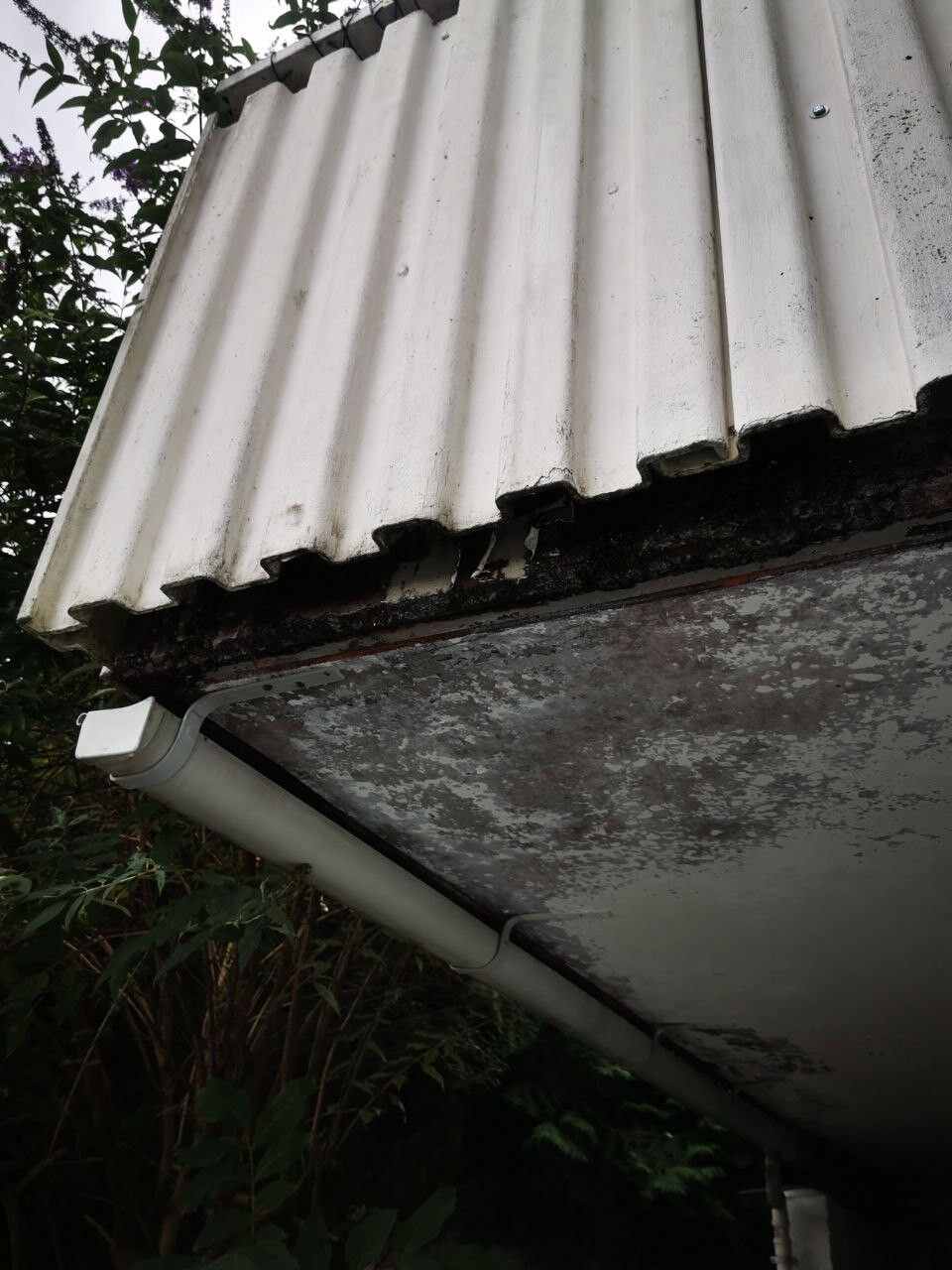
I have taken on a new project at our house.
This time it is a balcony from 1975, where the concrete slab is integrated into the ceiling joist of the first floor.
Since there is a newly renovated room below the balcony, including underfloor heating and both internal and external insulation, the balcony now acts as a significant thermal bridge.
Because I can’t estimate whether mold problems might develop over time, I would like to renovate the balcony (waterproofing + insulation).
On the underside, I plan to repair the cracks and chipped areas with some concrete.
I intend to cover the existing tiles with liquid waterproofing and wrap the balcony with EPS insulation, followed by new tiles.
What do you think would be a sensible solution for this?
I would also like to carry out the work myself under professional guidance or with expert advice.
Hi,
Simply adding insulation on top (that is, on the slab plus new tiles) only addresses the actual problem—the thermal bridge caused by the cantilevered concrete slab—in a limited way, since the thermal connection to the building remains. This can reduce the risk of mold indoors to some extent, but it cannot be completely ruled out; the areas of concern are especially the joint to the wall and the transition to the interior.
A truly sustainable solution would be the continuous installation of a special insulation element (e.g., a thermal break like an Isokorb or similar), which is much more complex. Alternatively, a properly installed, continuous exterior insulation (including the underside of the balcony) could improve the situation, but the building physics must be carefully planned to avoid trapping moisture.
Are you confident that the waterproofing and the layering of the insulation (especially when using liquid-applied membrane over old tiles) will allow for vapor permeability and prevent moisture from moving inward? Otherwise, you could end up with more problems than before.
Have you already consulted a building physicist to clarify the dew point behavior and the connection to the building?
Good luck!
Simply adding insulation on top (that is, on the slab plus new tiles) only addresses the actual problem—the thermal bridge caused by the cantilevered concrete slab—in a limited way, since the thermal connection to the building remains. This can reduce the risk of mold indoors to some extent, but it cannot be completely ruled out; the areas of concern are especially the joint to the wall and the transition to the interior.
A truly sustainable solution would be the continuous installation of a special insulation element (e.g., a thermal break like an Isokorb or similar), which is much more complex. Alternatively, a properly installed, continuous exterior insulation (including the underside of the balcony) could improve the situation, but the building physics must be carefully planned to avoid trapping moisture.
Are you confident that the waterproofing and the layering of the insulation (especially when using liquid-applied membrane over old tiles) will allow for vapor permeability and prevent moisture from moving inward? Otherwise, you could end up with more problems than before.
Have you already consulted a building physicist to clarify the dew point behavior and the connection to the building?
Good luck!
J
Jesse Custer4 Aug 2025 14:13In a similar project within my circle of acquaintances, I quickly distanced myself from the topic at the time. It was too complex for me due to the various building physics factors involved, coming from who knows which corner.
What I did learn at the time was that in the end, the entire balcony was removed, and a separate balcony built using timber frame construction was attached to the house. Supposedly, this was the cheapest option in the end...
What I did learn at the time was that in the end, the entire balcony was removed, and a separate balcony built using timber frame construction was attached to the house. Supposedly, this was the cheapest option in the end...

Similar topics