
I
Inifx111915 Aug 2025 17:38Hello,
Here is the situation:
A bathroom built in 1983 is due for modernization.
Initially, I planned to install new tiles directly over the existing ones. However, I am concerned that this might raise the floor level too much compared to the hallway.
There is underfloor heating installed in the bathroom.
The existing tiles are very difficult to remove.
I am currently considering removing the screed.
Does anyone have experience with how sensitive the underfloor heating pipes are?
To me, it seems possible to carefully remove the screed from the sides without causing damage.
Of course, if something does break, I have no problem reinstalling the system.
Do you have any experience with whether this is feasible?
Thank you
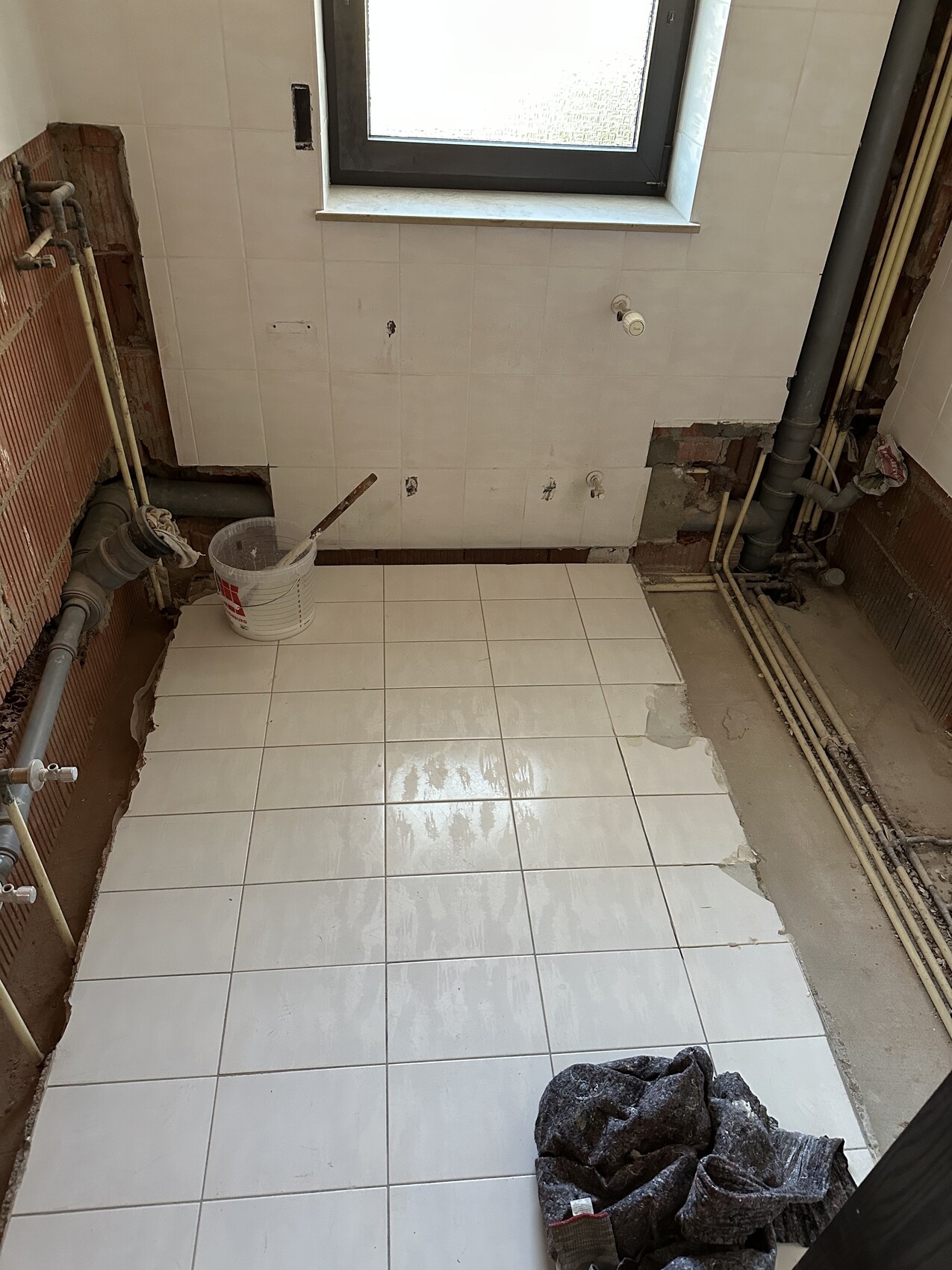
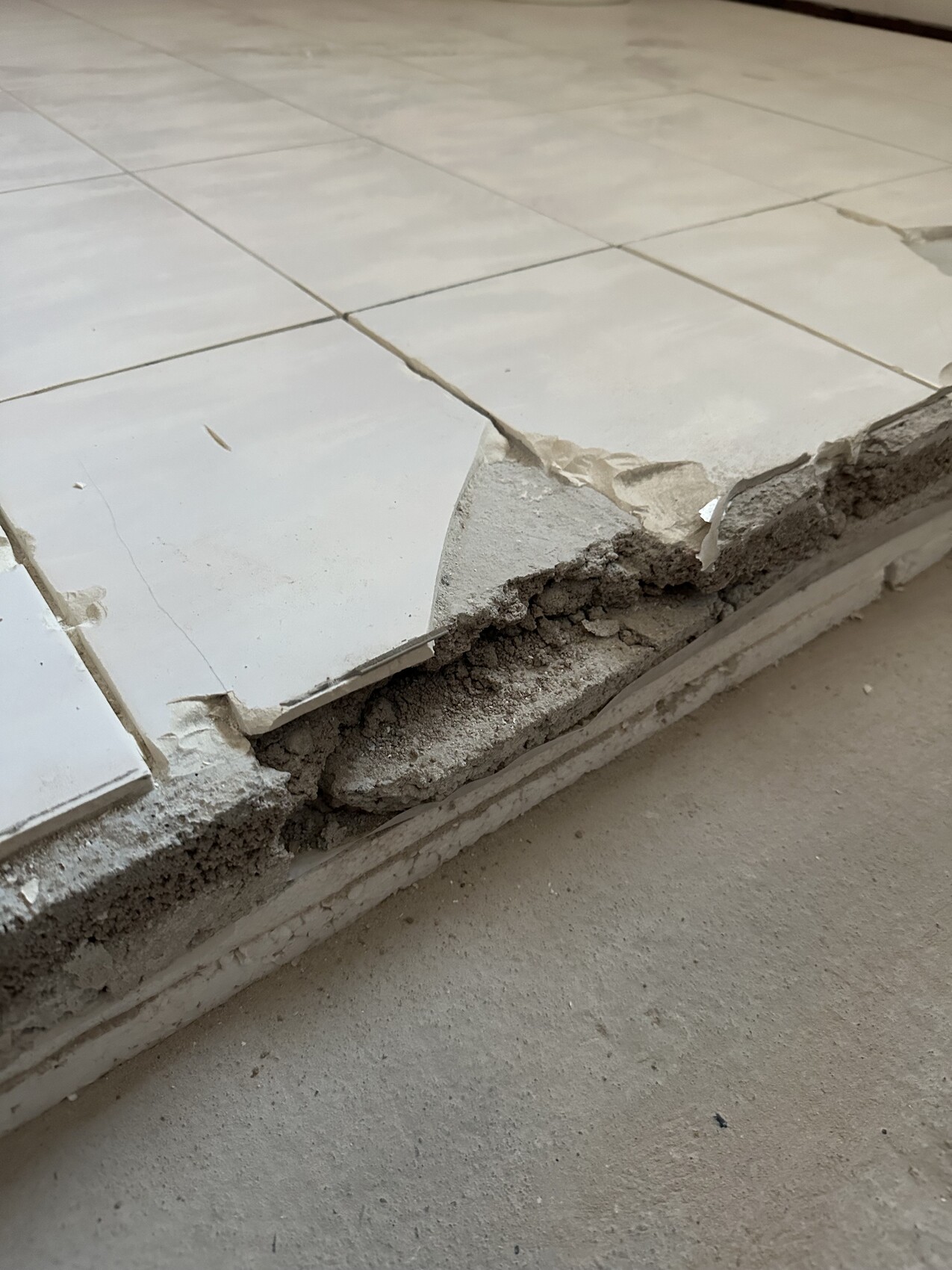
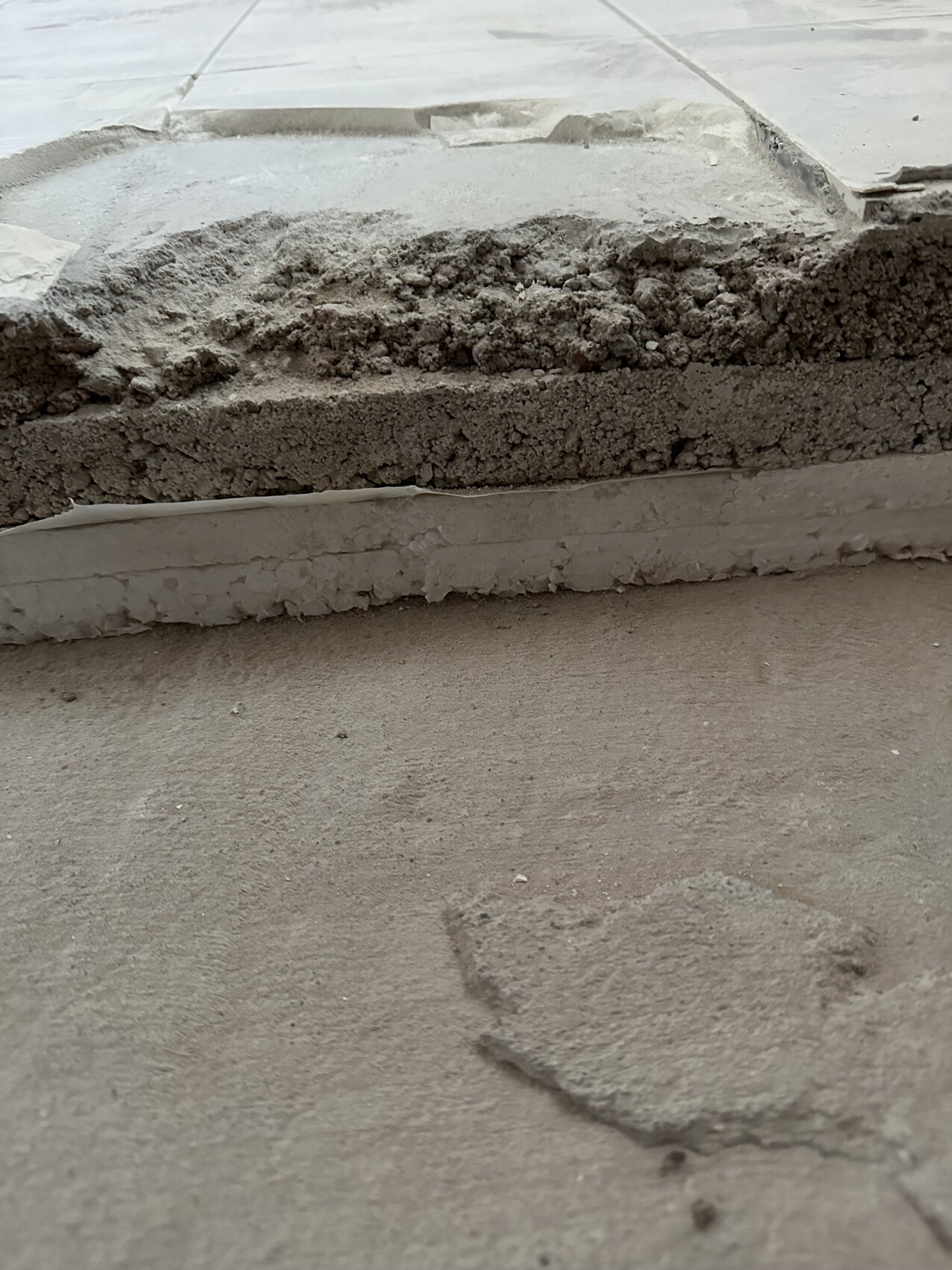

Here is the situation:
A bathroom built in 1983 is due for modernization.
Initially, I planned to install new tiles directly over the existing ones. However, I am concerned that this might raise the floor level too much compared to the hallway.
There is underfloor heating installed in the bathroom.
The existing tiles are very difficult to remove.
I am currently considering removing the screed.
Does anyone have experience with how sensitive the underfloor heating pipes are?
To me, it seems possible to carefully remove the screed from the sides without causing damage.
Of course, if something does break, I have no problem reinstalling the system.
Do you have any experience with whether this is feasible?
Thank you
Hi,
when renovating the screed in the bathroom with an old underfloor heating system, you need to be extremely careful. The pipes are usually located quite close beneath or within the screed – just one slip with a hammer or demolition hammer can cause damage. Especially old plastic pipes (often in poor condition) are prone to breakage and cuts. The “remove from the side” method rarely works reliably in practice, because the material is usually tightly wrapped around the heating pipes, and you don’t have real access without risking damage.
If you are already willing to replace the underfloor heating because a pipe bursts, that would of course be a very uncompromising approach. However, you should first check how and where the connection to the rest of the heating system is made and how it is installed – in addition, for buildings from 1983, there can sometimes be PCB-containing joints or asbestos-containing tile adhesives involved.
A question in return: Do you know if the underfloor heating still works properly and how it is connected? Otherwise, now might be the right time for a complete replacement.
Good night!
when renovating the screed in the bathroom with an old underfloor heating system, you need to be extremely careful. The pipes are usually located quite close beneath or within the screed – just one slip with a hammer or demolition hammer can cause damage. Especially old plastic pipes (often in poor condition) are prone to breakage and cuts. The “remove from the side” method rarely works reliably in practice, because the material is usually tightly wrapped around the heating pipes, and you don’t have real access without risking damage.
If you are already willing to replace the underfloor heating because a pipe bursts, that would of course be a very uncompromising approach. However, you should first check how and where the connection to the rest of the heating system is made and how it is installed – in addition, for buildings from 1983, there can sometimes be PCB-containing joints or asbestos-containing tile adhesives involved.
A question in return: Do you know if the underfloor heating still works properly and how it is connected? Otherwise, now might be the right time for a complete replacement.
Good night!
Hi,
since the screed is poured directly over the underfloor heating pipes, it won’t be easy to remove it without damaging the heating system.
I would take the time to chip off the tiles. Get a good flat chisel and remove as much as possible.
Afterwards, use a concrete grinder (you can rent one from a tool rental service for half a day) to grind off the remaining adhesive.
I would then level the entire surface with a self-leveling compound. This way, you’ll repair all the holes made while chipping and also straighten the floor.
If you damage the underfloor heating while removing the screed, you will end up with a patch later in the floor where you can’t access it if it starts leaking.
Best regards,
Timo
since the screed is poured directly over the underfloor heating pipes, it won’t be easy to remove it without damaging the heating system.
I would take the time to chip off the tiles. Get a good flat chisel and remove as much as possible.
Afterwards, use a concrete grinder (you can rent one from a tool rental service for half a day) to grind off the remaining adhesive.
I would then level the entire surface with a self-leveling compound. This way, you’ll repair all the holes made while chipping and also straighten the floor.
If you damage the underfloor heating while removing the screed, you will end up with a patch later in the floor where you can’t access it if it starts leaking.
Best regards,
Timo
Similar topics