
ᐅ Is it possible to retrofit Schüco window frame ventilators?
Created on: 10 Jan 2026 11:49
J
julia123Hello everyone,
we have very well insulated the exterior of our house. The roof is also new and insulated. The windows were replaced in 2023 and are triple-glazed. However, we do not have a ventilation system. As a result, the indoor humidity is very high, and mold stains are slowly developing.
We urgently need to address a ventilation concept.
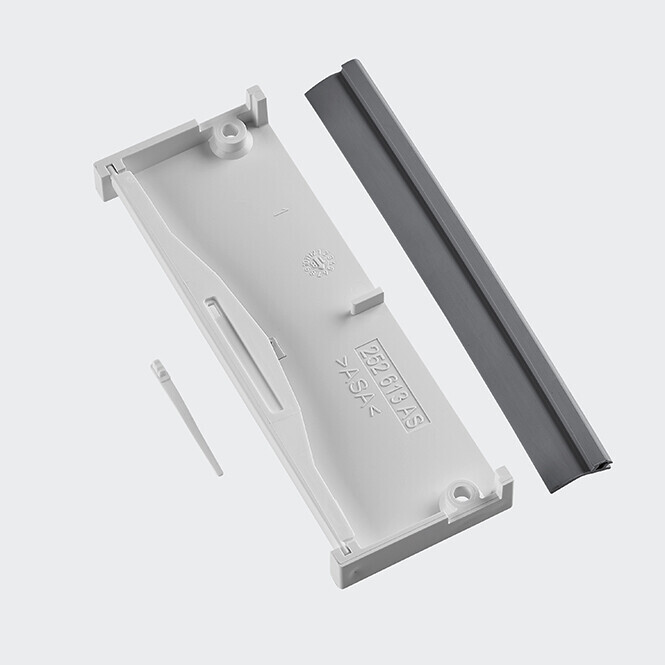
I have noticed that the Schüco windows have recesses on the outside. This is the preparation for a window-frame ventilator, but none are installed in our case. I found the following models from Schüco:
Schüco VentoAir RF window-frame ventilator
I have the following questions:

I look forward to a helpful exchange.
Thank you very much and best regards
Julia
we have very well insulated the exterior of our house. The roof is also new and insulated. The windows were replaced in 2023 and are triple-glazed. However, we do not have a ventilation system. As a result, the indoor humidity is very high, and mold stains are slowly developing.
We urgently need to address a ventilation concept.
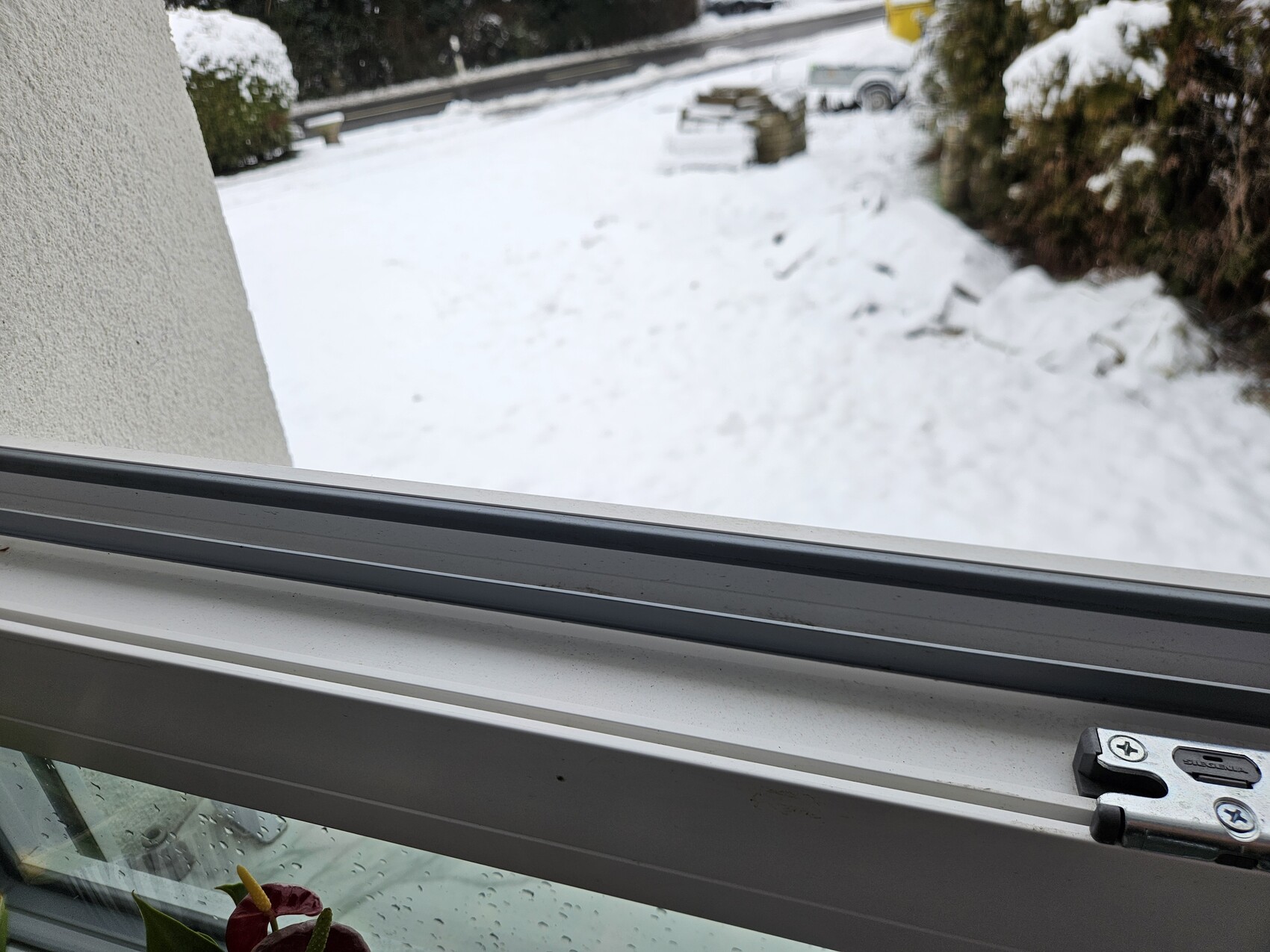
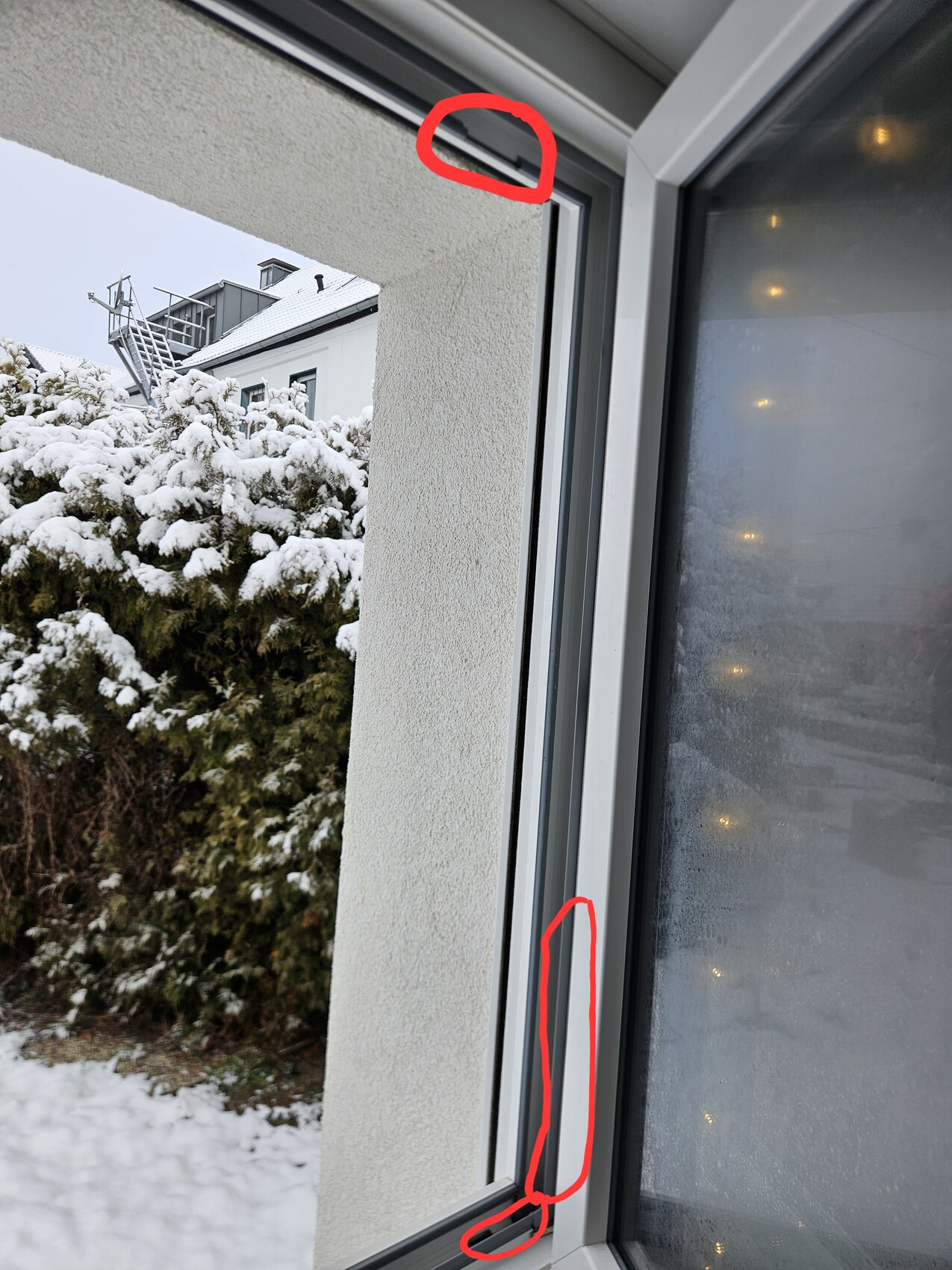
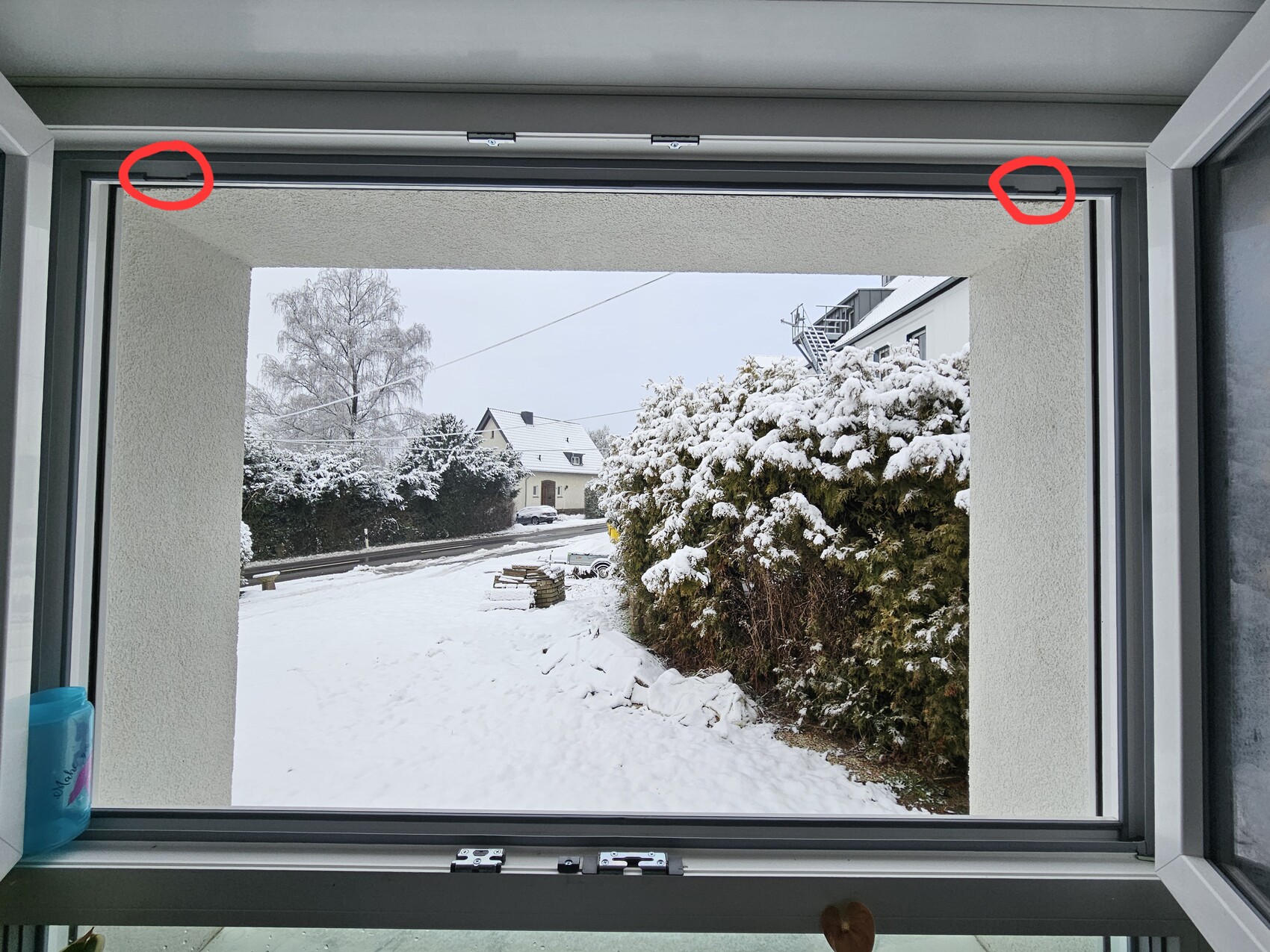
I have noticed that the Schüco windows have recesses on the outside. This is the preparation for a window-frame ventilator, but none are installed in our case. I found the following models from Schüco:
Schüco VentoAir RF window-frame ventilator
I have the following questions:
- Do you have any experience with these window-frame ventilators, and would you recommend them?
- Are Schüco models of good quality, or have you had better results with other manufacturers?
- The window has a central gasket. Does it need to be shortened to allow air exchange to the interior? If I install the ventilator on the inside, it seems to me that the middle gasket prevents any circulation. Am I seeing this correctly?
- One more question about the blinds: The picture shows mold forming on them. How does this happen? Why would a blind develop mold? I always close the blinds at night.
I look forward to a helpful exchange.
Thank you very much and best regards
Julia
N
nordanney10 Jan 2026 13:52Great when you first build a well-sealed house, enjoy the low heating costs, and then plan to keep the windows almost permanently tilted open ;-)
I’m not a fan of that at all – especially not without a clear concept.
Seriously consider decentralized ventilation systems, even though they require additional effort. That’s how I WOULD do it.
I’m not a fan of that at all – especially not without a clear concept.
Seriously consider decentralized ventilation systems, even though they require additional effort. That’s how I WOULD do it.
G
Gerddieter10 Jan 2026 14:04Hello – you can always retrofit window rebate ventilators by essentially creating a small gap in the seal. However, I wouldn’t recommend it, as it’s like having a permanently drafty, leaky window.
If you have a bit of budget, I would install decentralized ventilation units with heat recovery, combined with a proper ventilation concept. If the budget still needs to be saved up, start with just one floor, and in the other rooms, ventilate by opening windows fully three times a day and use a hygrometer in each room until you have the funds.
Gerddieter
If you have a bit of budget, I would install decentralized ventilation units with heat recovery, combined with a proper ventilation concept. If the budget still needs to be saved up, start with just one floor, and in the other rooms, ventilate by opening windows fully three times a day and use a hygrometer in each room until you have the funds.
Gerddieter
Gerddieter schrieb:
Hello – you can always retrofit window frame vents, basically creating an intentional break in the seal. However, I wouldn’t recommend it as it’s similar to having a permanently drafty and leaky window.
If you have some budget, I would install decentralized ventilation units with heat recovery and follow a ventilation strategy. If the budget needs to be saved up first, you can start on one floor and in the other rooms do manual airing by opening windows fully three times a day and use a hygrometer in each room until you have the funds.
GDHi, thank you for your reply.
Which decentralized ventilation units (brand, technology) would you recommend, and how many do I actually need?
Do you need one in every room?
Attached is the floor plan of the house.
Thank you very much.
Best regards,
Julia
N
nordanney11 Jan 2026 11:19Answer see your specific question in the other thread
Window rebate ventilators, combined with a continuously operating low-power bathroom exhaust fan on the top/floor beneath the roof, are very suitable as a basic ventilation system for moisture protection, especially when the occupants are often away from home. Since window rebate ventilators tend to close in windy conditions and therefore only allow a very small airflow, the energy loss is minimal.
Rebate ventilators do not ensure sufficient ventilation of a bedroom at night but are still better than having no ventilation at all. They should only be considered as a supplement to regular window ventilation, as the airflow they provide is far too low.
In poorly ventilated, airtight buildings with roller shutters that close tightly, dirt deposits and mold growth can occur on the interior side of normal windows (without rebate ventilators) in upper floors or attic rooms.
Rebate ventilators and relatively airtight roller shutters do not work well together. Ventilation does not function properly on the ground floor, nor in the upper floors or attic, often leading to significant condensation, ice formation, dirt deposits, and mold on the leeward side (the side sheltered from the wind) of the building.
Rebate ventilators do not ensure sufficient ventilation of a bedroom at night but are still better than having no ventilation at all. They should only be considered as a supplement to regular window ventilation, as the airflow they provide is far too low.
In poorly ventilated, airtight buildings with roller shutters that close tightly, dirt deposits and mold growth can occur on the interior side of normal windows (without rebate ventilators) in upper floors or attic rooms.
Rebate ventilators and relatively airtight roller shutters do not work well together. Ventilation does not function properly on the ground floor, nor in the upper floors or attic, often leading to significant condensation, ice formation, dirt deposits, and mold on the leeward side (the side sheltered from the wind) of the building.
Similar topics