
J
JohnBuilder20 Feb 2022 15:55Hello,
our electrician has combined the thinner conduits from the outlets, each containing only one Cat7 cable, in several places on one floor by taping them together and then routing them further inside a thicker conduit. Also, the conduits do not end in the basement, but in a cable duct that will be covered with drywall. Our site manager considers this all acceptable, but I wonder how it will be possible to properly replace cables later if there is no access to the conduits from the basement and the conduits are used by multiple cables, so that feeding cables from the outlet side will always work against the other cables inside the conduit.
Is this something we have to accept?
Regards
John
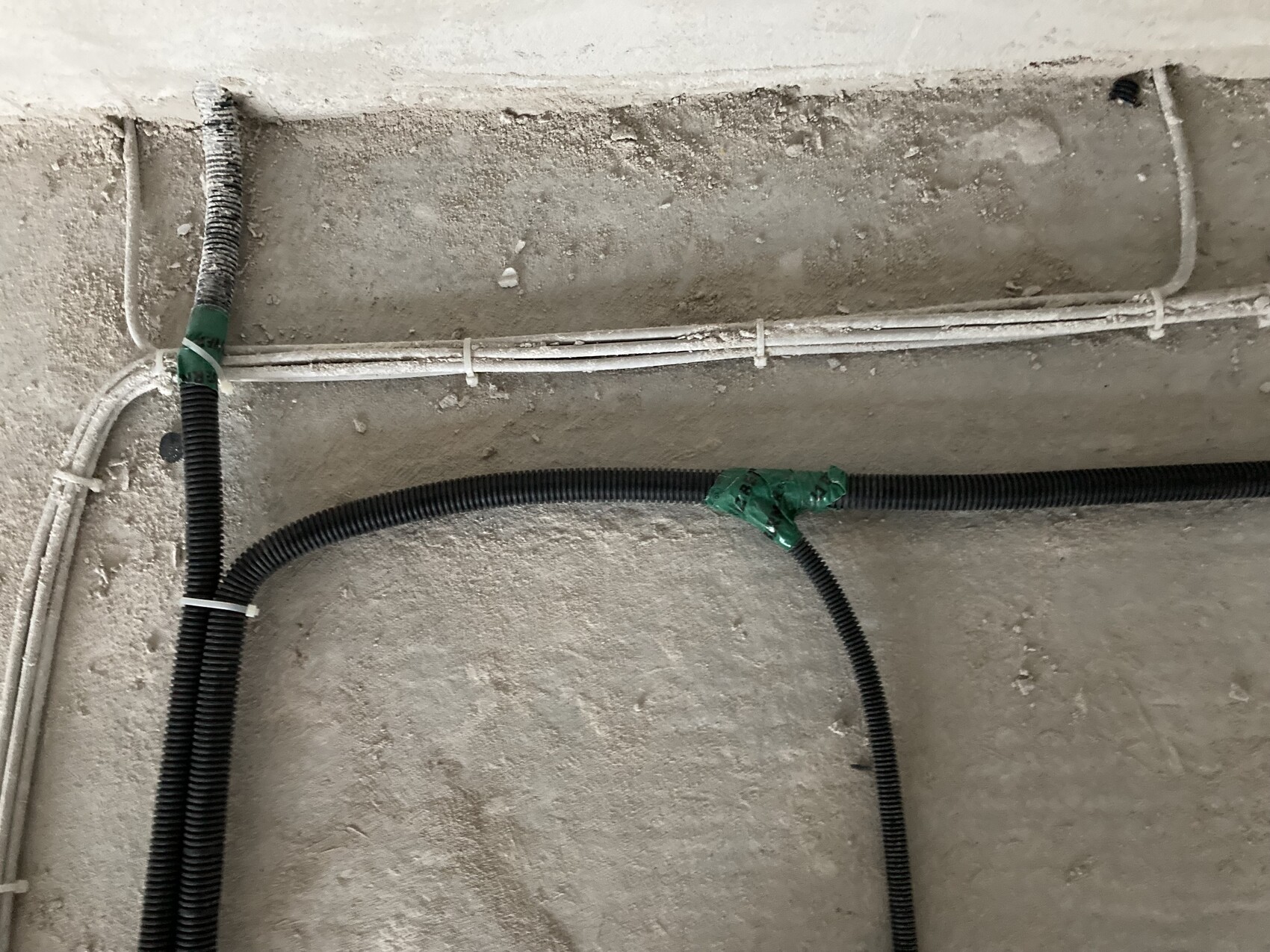
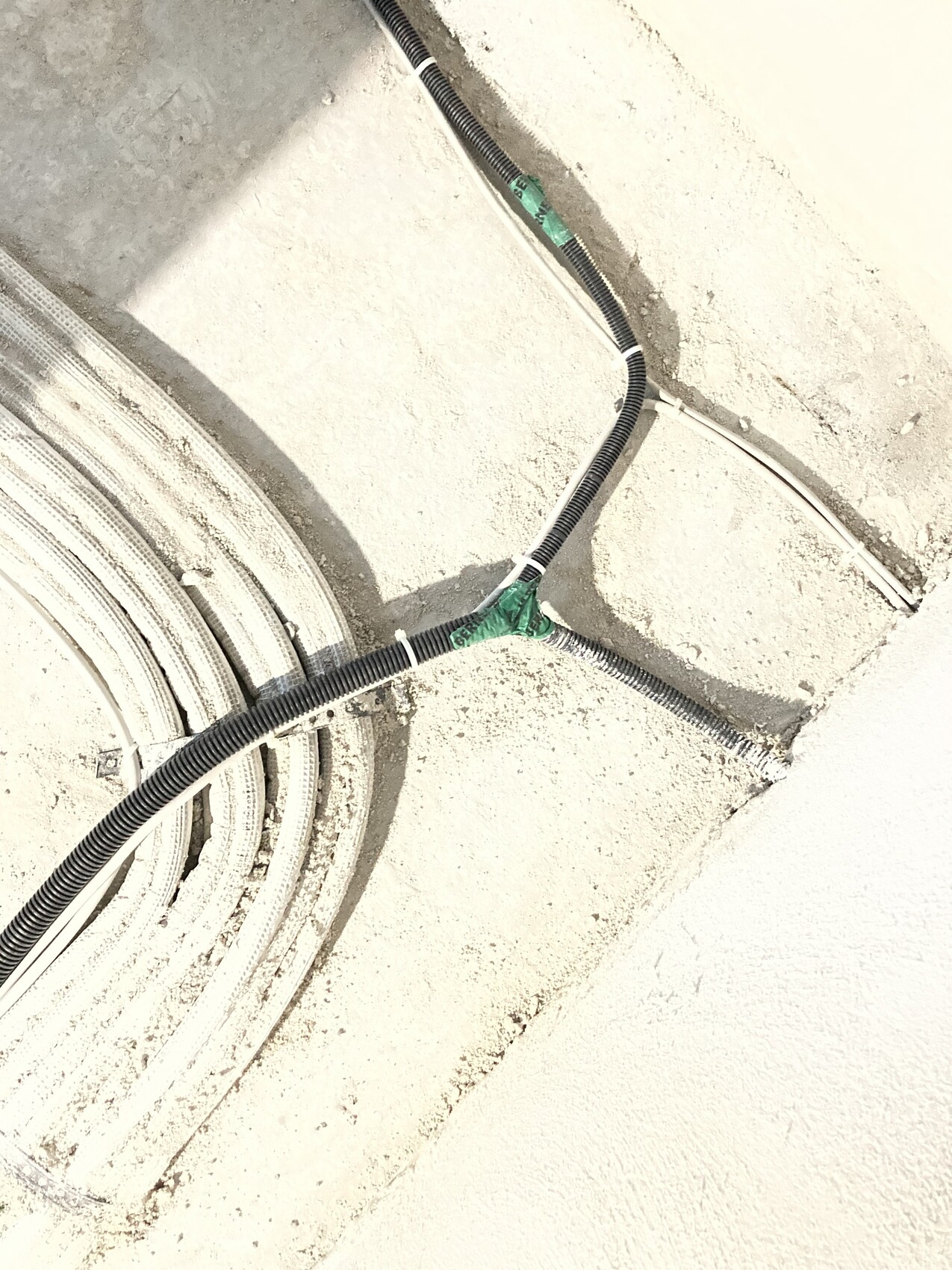
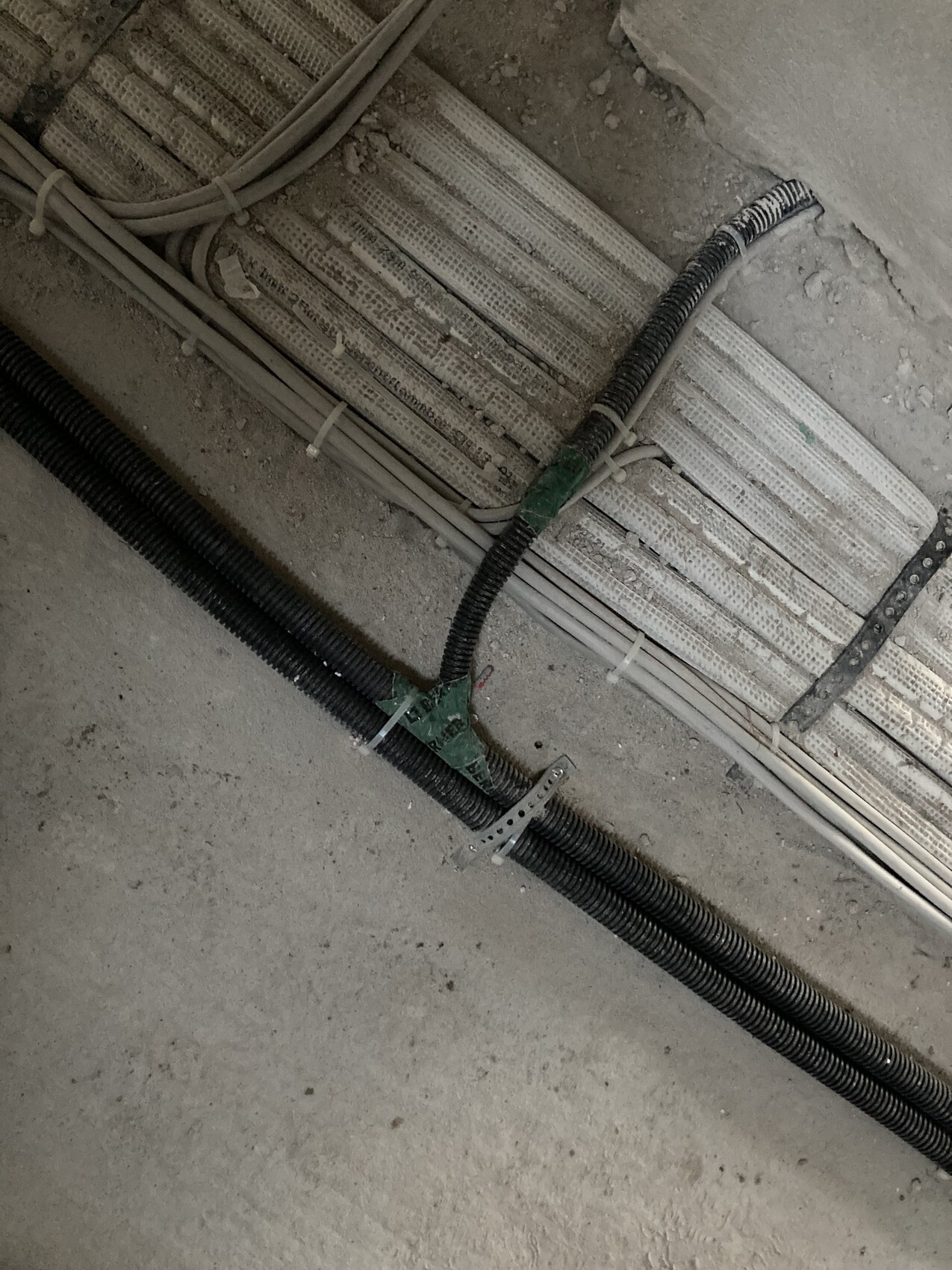
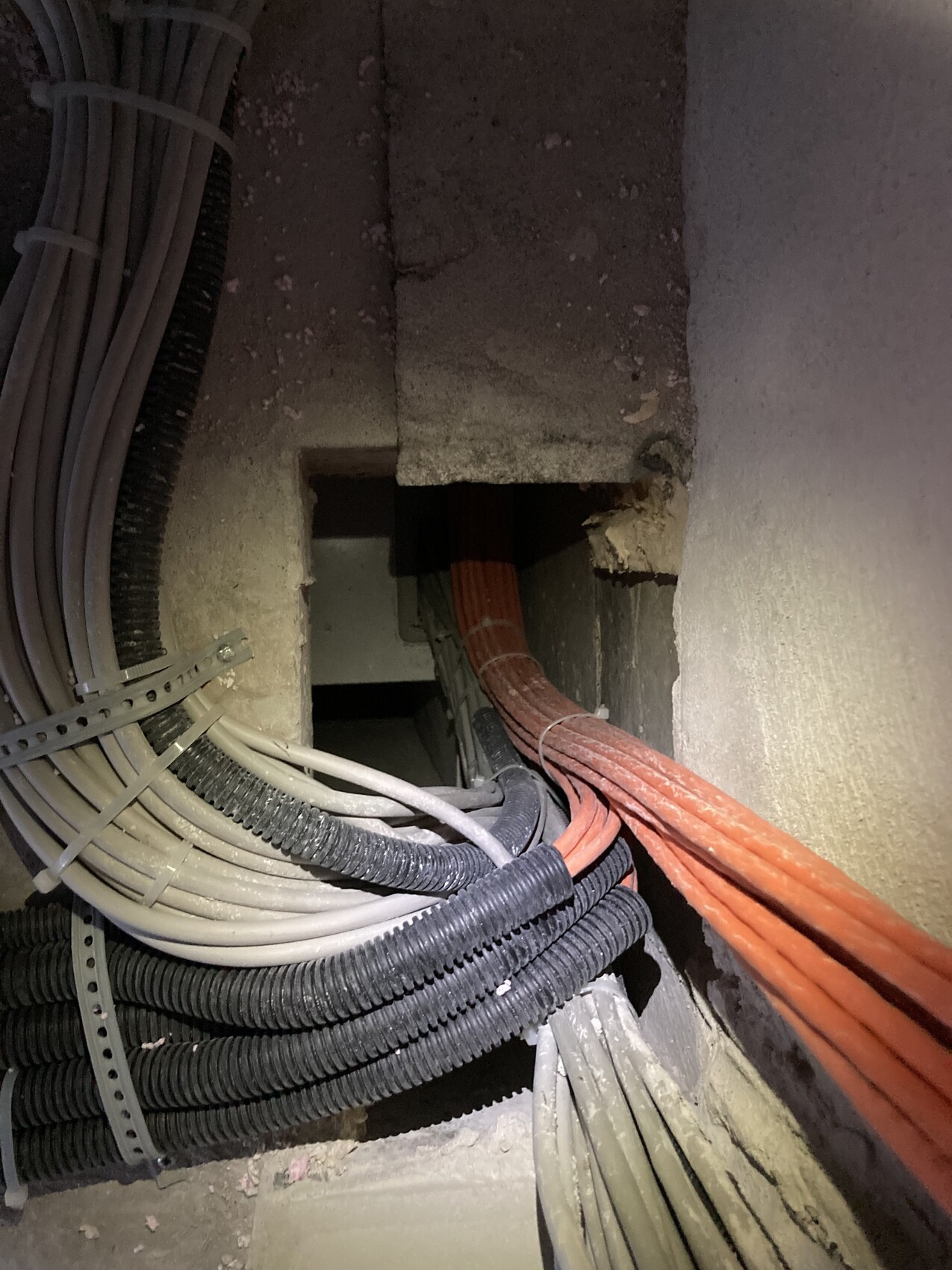
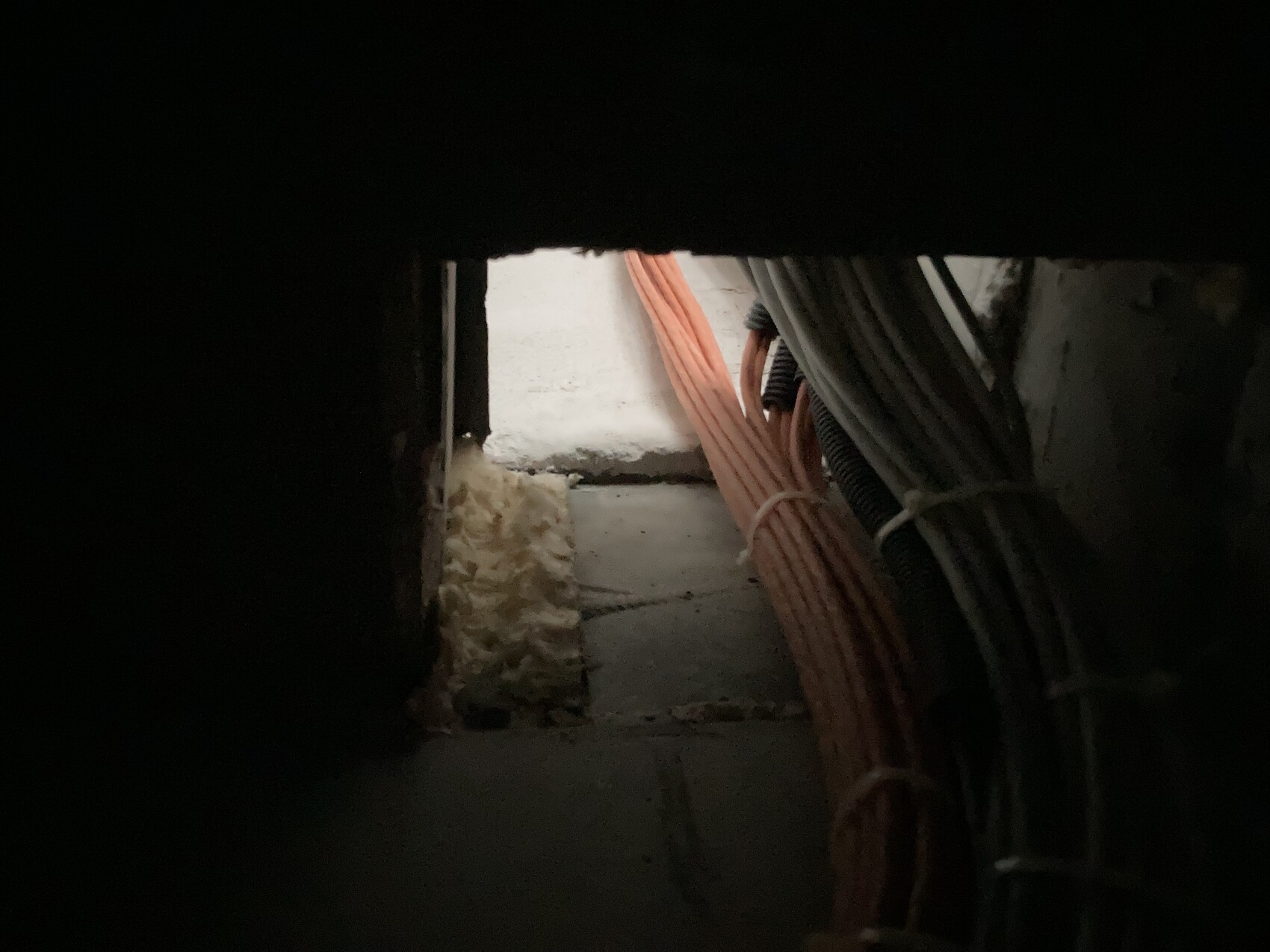
our electrician has combined the thinner conduits from the outlets, each containing only one Cat7 cable, in several places on one floor by taping them together and then routing them further inside a thicker conduit. Also, the conduits do not end in the basement, but in a cable duct that will be covered with drywall. Our site manager considers this all acceptable, but I wonder how it will be possible to properly replace cables later if there is no access to the conduits from the basement and the conduits are used by multiple cables, so that feeding cables from the outlet side will always work against the other cables inside the conduit.
Is this something we have to accept?
Regards
John
A
akanezumi20 Feb 2022 18:56You definitely won’t be able to replace cables there. Has it even been planned or agreed upon that cables might need to be replaced later?

H
henning18120 Feb 2022 19:25Hello,
During our renovation, we also installed conduits to allow cables to be replaced later. Please don’t forget this. You don’t need to push the new cable through; you can pull it. Since there is already a cable in the wall/outlet where you can attach the new cable, when you pull out the old cable, you pull in the new one. This should work as long as the diameters fit.
Regards
During our renovation, we also installed conduits to allow cables to be replaced later. Please don’t forget this. You don’t need to push the new cable through; you can pull it. Since there is already a cable in the wall/outlet where you can attach the new cable, when you pull out the old cable, you pull in the new one. This should work as long as the diameters fit.
Regards
J
JohnBuilder20 Feb 2022 22:54Thank you for the input. Flexibility was only agreed upon verbally and is not included in the contract. Are such "junctions" common, or is it usual to install a continuous conduit from the outlet to the patch panel?
Similar topics