
Hello,
in the living room, in front of the patio door, there is a concrete slab (probably) poured over a length of 460cm (180 inches).
In the basement area, this massive structure is obviously a problem.
What do you think—is there any chance of removing it? The ceiling would no longer be supported at the wall. I’m not sure if a steel beam along the edge would be sufficient. Before I hire a structural engineer, I wanted to get some opinions on whether it might even be worth it.
Also, how much effort does it usually take to remove a 16cm (6 inch) thick concrete slab? Especially, how would one go about it?
Thank you very much!
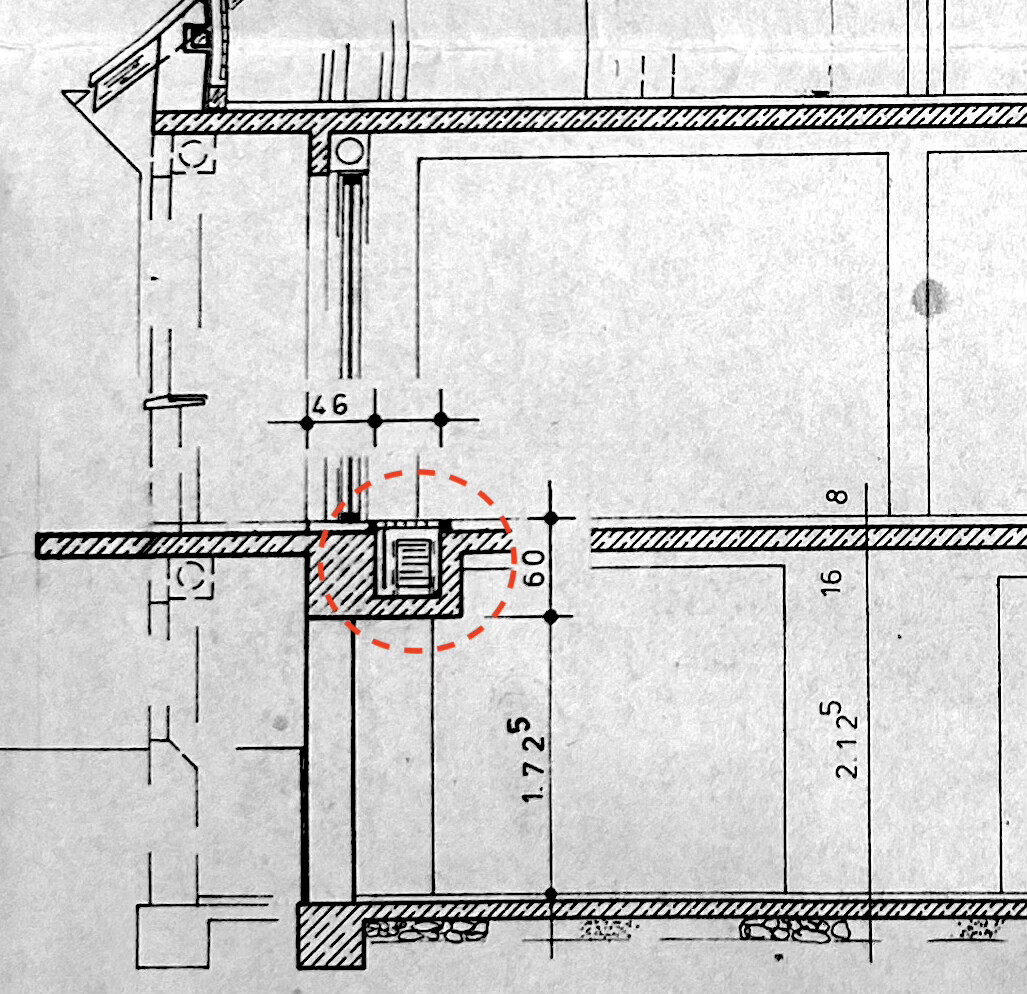
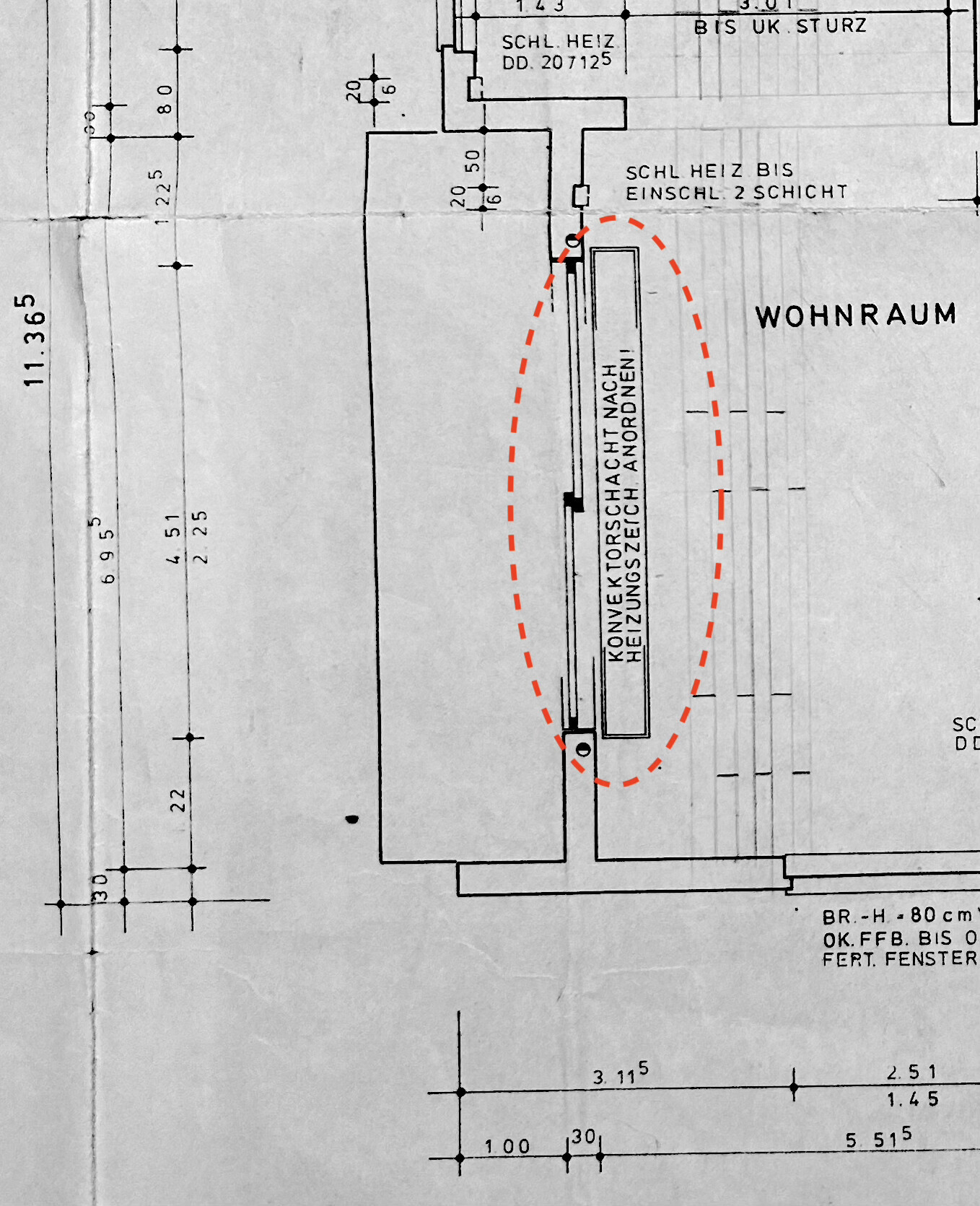
in the living room, in front of the patio door, there is a concrete slab (probably) poured over a length of 460cm (180 inches).
In the basement area, this massive structure is obviously a problem.
What do you think—is there any chance of removing it? The ceiling would no longer be supported at the wall. I’m not sure if a steel beam along the edge would be sufficient. Before I hire a structural engineer, I wanted to get some opinions on whether it might even be worth it.
Also, how much effort does it usually take to remove a 16cm (6 inch) thick concrete slab? Especially, how would one go about it?
Thank you very much!
N
nordanney26 Oct 2025 21:41To what extent does it cause issues in the basement? Is this meant to become a living area (or is it already)?
Regarding the potential costs – I would consider steel beams a given, although I’m not sure how that would save any centimeters (inches). If the cost is significantly more than $10,000, it wouldn’t be worth it for me. Removing the "basement shell" and connecting two ceiling sections is extremely complex and expensive.
Regarding the potential costs – I would consider steel beams a given, although I’m not sure how that would save any centimeters (inches). If the cost is significantly more than $10,000, it wouldn’t be worth it for me. Removing the "basement shell" and connecting two ceiling sections is extremely complex and expensive.
T
Teimo198826 Oct 2025 22:17If I understand the plan section correctly, the shaded area is concrete. This means that at a height of 212.5 cm (84 inches), the ceiling could be connected horizontally. In other words, there is concrete on both the left and right sides of the bathtub. Maybe this could also be resolved by embedding rebar. However, I am really not a structural engineer and only have a basic DIY approach in mind.
You will probably need to talk to a professional.
You will probably need to talk to a professional.
A
ajokr202527 Oct 2025 07:53However, for bonding, you need sufficient overlap length on both sides. On the room side, it is relatively easy to chisel out, but it becomes more difficult on the left beam. Of course, this beam could also be completely removed and replaced with a steel beam. This would also effectively address the thermal bridge of the cantilevered concrete slab, if it was not thermally separated during construction.

comstar schrieb:
The monster in the basement area is obviously an eyesore.
What do you think, is there any chance of removing it? The ceiling wouldn’t be supported along the wall anymore. I’m not sure if a steel beam along the edge would be sufficient? Before hiring a structural engineer, I wanted to get some opinions on whether it’s even worth it.
And how much effort is involved in removing a 16cm (6 inch) thick concrete slab? Especially how? Without knowing what exactly "the monster" refers to, it’s hard to judge. A steel beam would first have to be brought down into the basement in this existing building ;-)
Siemens air hooks in "extra strong" are now only available secondhand. Whatever the case, it will almost certainly be disproportionately difficult.
I suspect the bulky structure extends continuously across the basement’s full width (please show a floor plan), so it probably doesn’t recess on both sides by more than 1 meter (3 feet)?
https://www.instagram.com/11antgmxde/
https://www.linkedin.com/company/bauen-jetzt/
Thank you for your contributions.
The block in the basement is 40 cm (16 inches) high, 60 cm (24 inches) deep, and 490 cm (193 inches) long. So, the tub does not extend from wall to wall. The basement is half above ground level, so the windows open directly to the garden, giving it a somewhat residential feel. The room is also very large, which somehow reduces its practical use. The door to a guest room in the basement is located almost right next to the corner of the tub. From that room, you can directly see the side profile of the tub, which makes it look "built-in" or cramped.
I could imagine installing a steel beam into the opening, resting on fittings at both ends on the floor slab, with the long side of the opening supported by fittings beneath the steel beam. This would prevent any bending along the length. However, then the entire load would rest only on the sides of the floor slab. To address this, three inverted L-shaped beams could be installed against the basement wall.

The question is, what the minimum cost would be, and whether it is worthwhile. Would you regret in 10 years not having done it when everything is renovated? The house is practically gutted anyway.
The block in the basement is 40 cm (16 inches) high, 60 cm (24 inches) deep, and 490 cm (193 inches) long. So, the tub does not extend from wall to wall. The basement is half above ground level, so the windows open directly to the garden, giving it a somewhat residential feel. The room is also very large, which somehow reduces its practical use. The door to a guest room in the basement is located almost right next to the corner of the tub. From that room, you can directly see the side profile of the tub, which makes it look "built-in" or cramped.
I could imagine installing a steel beam into the opening, resting on fittings at both ends on the floor slab, with the long side of the opening supported by fittings beneath the steel beam. This would prevent any bending along the length. However, then the entire load would rest only on the sides of the floor slab. To address this, three inverted L-shaped beams could be installed against the basement wall.
The question is, what the minimum cost would be, and whether it is worthwhile. Would you regret in 10 years not having done it when everything is renovated? The house is practically gutted anyway.
Similar topics